
Sewage Backup Cleaning Services: Fast, Safe Cleanup
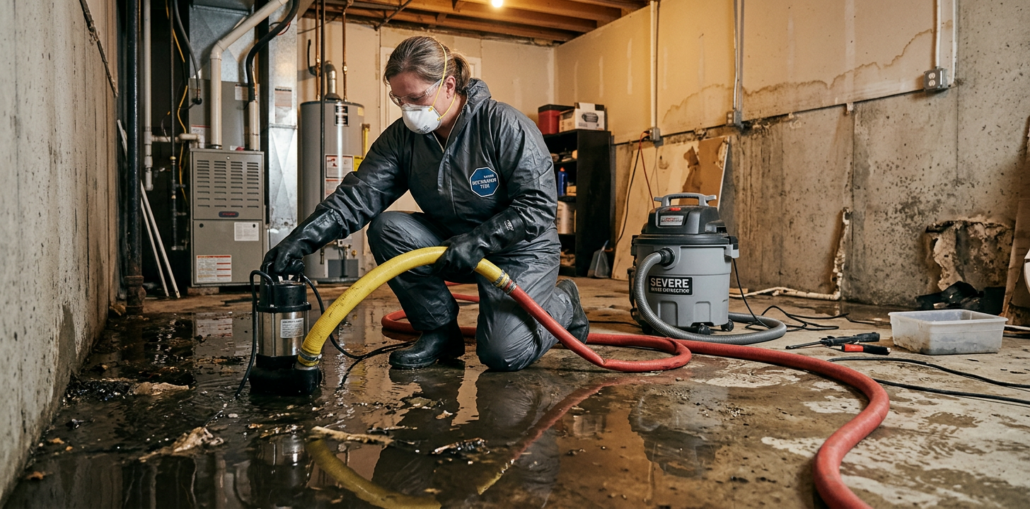
Sewage problems never wait for a convenient time, and when they happen, the damage can spread fast. One minute you are dealing with a bad smell or a slow drain, and the next you are facing a serious health hazard that affects flooring, drywall, air quality, and anything porous in the room. That is why sewage backup cleaning services matter so much, especially when you need a quick, safe response from a team that knows how to handle contamination the right way.
For homeowners and property managers in Aspen and the Roaring Fork Valley, the stakes are even higher. A sewage backup can interrupt business operations, displace families, and create lingering moisture problems that lead to mold if they are not addressed immediately. Working with a local restoration team like Helpers Restoration means you get fast emergency response, professional cleanup, and support that helps you move forward with confidence.
Why Sewage Backup Cleanup Needs Immediate Action
A sewage backup is not just dirty water. It can contain bacteria, viruses, parasites, and other contaminants that pose real health risks. The longer it sits, the deeper it can soak into materials and the more expensive the repair process becomes.
Quick action helps reduce:
- Structural damage to floors, baseboards, and subflooring
- Contamination of furniture, carpets, and personal items
- Odors that can spread through the property
- Moisture that can trigger mold growth
- Downtime for rental properties, vacation homes, or commercial spaces
What Professional Sewage Backup Cleaning Services Include
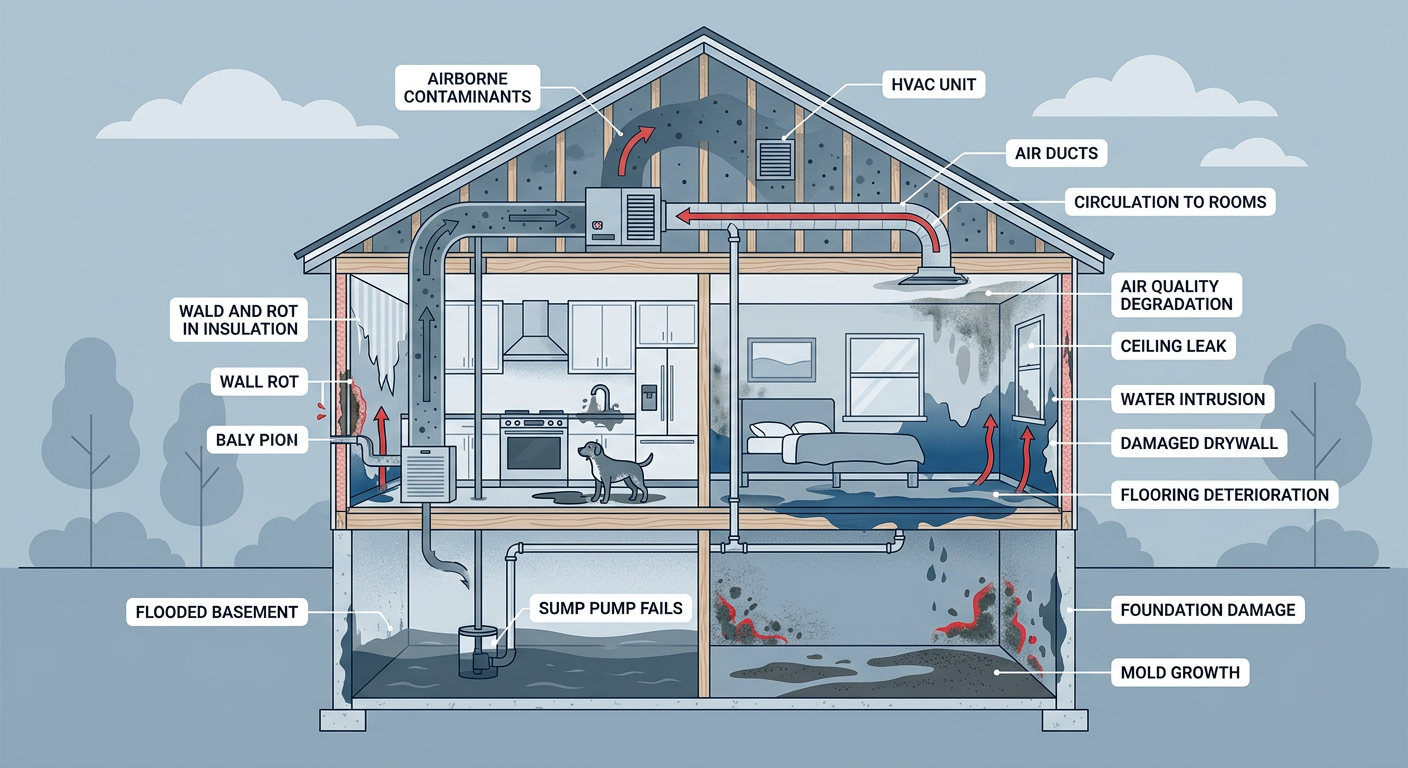
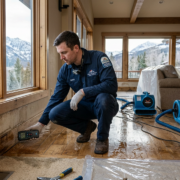
A thorough cleanup is about more than removing standing water. A certified restoration team follows a process designed to protect health and restore the property safely.
1. Emergency inspection and damage assessment
The first step is identifying the source of the backup and determining how far the contamination spread. This helps the crew decide what can be cleaned, what must be removed, and how to contain the affected area.
2. Water extraction and debris removal
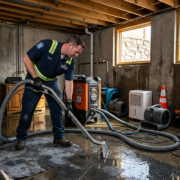
Standing sewage water is removed as quickly as possible using specialized equipment. Debris, damaged materials, and contaminated contents are also cleared out to reduce exposure.
3. Sanitizing and disinfecting
Affected surfaces are cleaned and disinfected with products designed for biohazard conditions. This step is essential for reducing harmful contaminants and controlling odor.
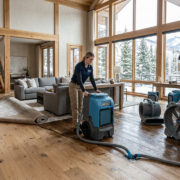
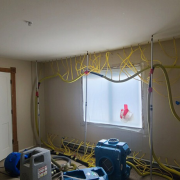
4. Drying and dehumidification
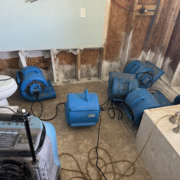
Even after the visible water is gone, hidden moisture can remain in walls, floors, and framing. Professional drying equipment helps prevent secondary damage and mold concerns.
5. Repairs and restoration
Depending on the severity of the damage, repairs may include replacing drywall, insulation, flooring, or trim. The goal is to return the space to a safe, livable condition.
Why Local Experience Matters in Aspen and the Valley
Not every restoration job is the same. Homes in mountain communities can have unique plumbing layouts, seasonal occupancy patterns, and weather-related water risks. A local crew understands these challenges and can respond quickly when emergencies happen.
Helpers Restoration provides water damage cleanup Aspen homeowners and property managers can rely on, along with service in Basalt, Carbondale, Snowmass Village, Glenwood Springs, and throughout the Roaring Fork Valley. If sewage damage is part of a larger loss, the team can also coordinate related help through water damage cleanup, water damage cleanup in Aspen, and sewage backup cleanup service.
Health Risks You Should Never Ignore
Sewage exposure can create immediate and delayed problems. Even if the surface looks clean after a quick wipe-down, contamination may have already spread into materials you cannot see.
Common concerns include:
- Respiratory irritation from contaminated moisture and odors
- Skin and eye contact with harmful bacteria
- Mold growth after lingering dampness
- Cross-contamination into adjoining rooms
If the backup is tied to a larger fire, storm, or plumbing event, it may also make sense to review related recovery services like fire damage restoration or mold damage remediation.
How to Respond Before Help Arrives
If you discover a sewage backup, focus on safety first.
- Keep people and pets out of the affected area
- Avoid touching contaminated water or materials
- Turn off electricity to the area if it is safe to do so
- Do not use fans to blow contaminated air around the property
- Call a professional restoration team right away
The faster you act, the easier it is to limit the spread and protect the property.
Common Signs You Need Sewage Cleanup Services
Sometimes the warning signs show up before the major backup. Watch for:
- Multiple drains backing up at once
- Gurgling toilets or slow drains throughout the property
- Strong sewer odors inside the building
- Water pooling around floor drains or lower-level plumbing
- Repeated clogs that keep coming back
If you are seeing these signs, a professional inspection can help you avoid a much larger cleanup later.
Frequently Asked Questions
How fast should sewage backup cleanup start?
Immediately. The sooner the cleanup begins, the less time contaminants have to spread into flooring, walls, and furnishings.
Can I clean sewage myself?
It is not recommended for significant backups. Sewage exposure can be hazardous, and professional crews have the equipment and disinfectants needed for safe cleanup.
Will insurance cover sewage damage?
Coverage depends on the cause of the backup and your policy. Many restoration companies, including Helpers Restoration, can help document the damage and support the insurance claim process.
How do I know if materials need to be removed?
Porous materials that have absorbed contaminated water, such as carpet, padding, insulation, and some drywall, often need removal. A professional inspection will determine what can be salvaged.
Does sewage cleanup help with odor control?
Yes. Proper cleaning, disinfection, and drying are key to removing the source of odor, not just masking it.
How long does the cleanup process take?
It depends on the size of the loss and how much material is affected. Small jobs may take a short time, while larger backups can require several days of drying and restoration.
Work With a Team That Knows How to Restore Your Property
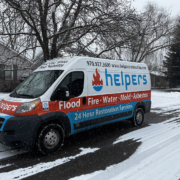
When sewage damage happens, you need more than a mop and disinfectant. You need a trusted crew that can respond quickly, protect your property, and help you get life back to normal. Helpers Restoration is ready to help with emergency cleanup, water extraction, drying, repairs, and insurance support for properties across Aspen and the Roaring Fork Valley.
If you need help now, contact Helpers Restoration for 24/7 emergency service or call (970) 927-3600. You can also learn more about local service options on the Aspen water damage page and Basalt water damage page.
Summary
Sewage backups are serious, time-sensitive emergencies that require fast, professional cleanup. The right restoration team can reduce health risks, protect your property, and guide you through the repair process with confidence.
For trusted help in Aspen, Basalt, Carbondale, Snowmass Village, Glenwood Springs, and nearby communities, Helpers Restoration is a local partner you can count on.
Final Thoughts
A sewage backup is stressful, but you do not have to handle it alone. With the right response, you can stop the damage, protect your health, and restore your property the right way. When every minute counts, a local team with experience, compassion, and 24/7 availability makes all the difference.




Trackbacks & Pingbacks
[…] sewage is involved, keep people and pets away from the affected area. Our sewage backup cleanup information explains why disinfection, containment, and careful material removal may be […]
Comments are closed.