Does Homeowners Insurance Cover Burst Pipes in Aspen CO Homes
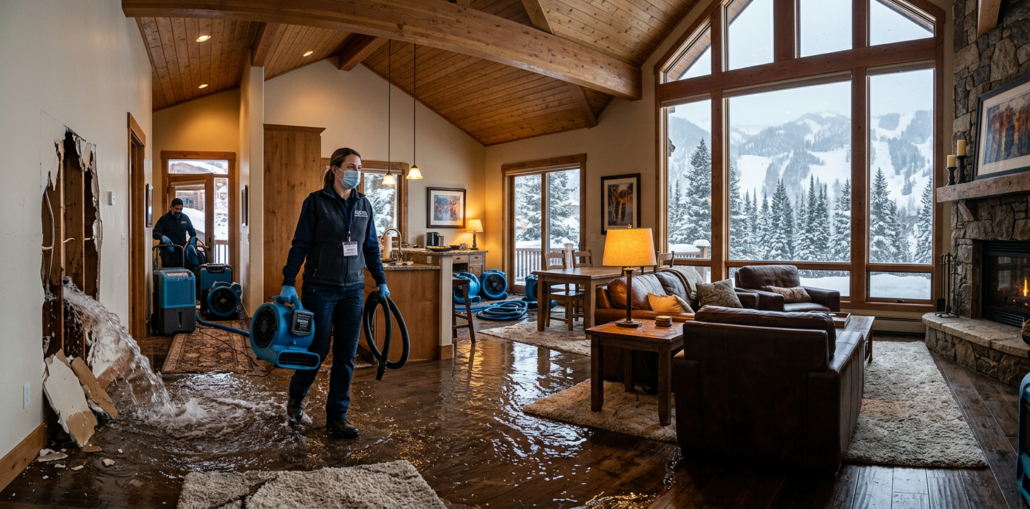
A burst pipe rarely waits for a convenient moment. It usually happens during a cold snap, after a long day away, or while a vacation property is sitting empty in the mountains.
If you’re asking does homeowners insurance cover burst pipes, the short answer is usually yes, but only when the damage is sudden, accidental, and not caused by neglect. For Aspen and Roaring Fork Valley homeowners, that distinction matters because freezing temperatures, second homes, rental properties, and delayed discovery can all affect how a claim is handled.
Water damage is also one of the most common insurance problems homeowners face. The Insurance Information Institute reports that about one in 67 insured homes has a property damage claim caused by water damage or freezing.
Burst Pipe Insurance Coverage at a Glance
| Situation | Usually Covered? | What Matters Most |
|---|---|---|
| Sudden pipe burst | Yes | Fast action and documentation |
| Frozen pipe damage | Often | Heat and maintenance history |
| Slow leak over months | Usually no | Considered maintenance-related |
| Flood from outside water | Usually no | Separate flood policy needed |
| Sewer backup | Only with endorsement | Check policy add-ons |
When Homeowners Insurance Usually Covers Burst Pipes
Most standard homeowners policies cover sudden and accidental water discharge from plumbing systems. That can include water damage to drywall, flooring, cabinets, ceilings, insulation, and sometimes personal belongings.
The National Association of Insurance Commissioners explains that policies often cover resulting water damage from frozen pipes when the homeowner has taken reasonable steps to maintain heat and prevent freezing. In plain English, insurance is more likely to help when the loss was unexpected and you acted responsibly.
For example, if a pipe bursts behind a bathroom wall in your Aspen home while the heat is working, your policy may cover the water damage cleanup, drying, repairs, and damaged materials. The actual plumbing repair may be treated differently, so always ask your adjuster what’s covered under dwelling coverage versus plumbing service costs.
When a Burst Pipe Claim Can Be Denied
Here’s the thing, insurance doesn’t cover every wet floor or damaged wall. Policies are designed for sudden events, not long-term maintenance issues.
A claim may run into trouble if the insurer finds that the home was left unheated, water was left on in a vacant property, or a known leak was ignored for weeks. This is especially important for second homes and short-term rentals in Aspen, Snowmass Village, Basalt, Carbondale, and Glenwood Springs.
Common denial reasons include:
- The leak happened slowly over time
- The home was vacant and not properly winterized
- Heat wasn’t maintained during freezing weather
- Repairs were delayed after discovery
- Mold developed because cleanup was postponed
- The water came from outside flooding rather than an interior pipe
If you manage a mountain property, keep records of heating, inspections, plumbing maintenance, and winterization. Those details can support your claim if a pipe freezes during a severe cold period.
What Insurance May Pay For After a Burst Pipe
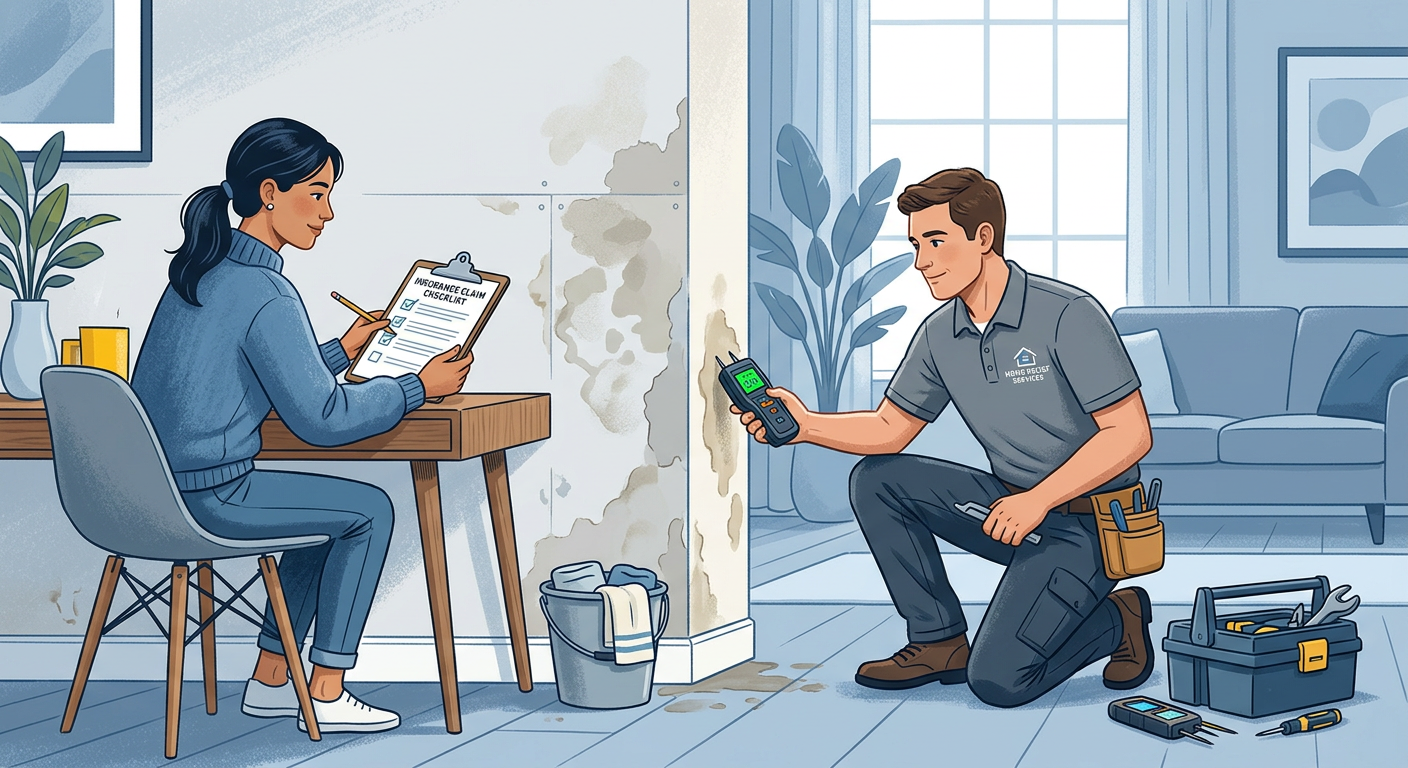
Your exact coverage depends on your policy, deductible, endorsements, and claim findings. Still, a covered burst pipe claim often includes several parts of recovery.
Water Removal and Drying
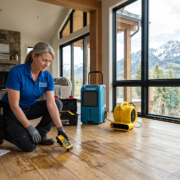
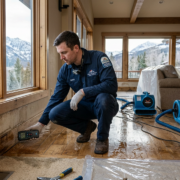
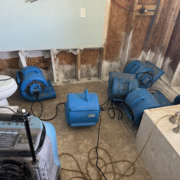
Emergency extraction, drying equipment, dehumidifiers, and moisture monitoring may be included when mitigation is needed to prevent further damage. Fast drying is critical because hidden moisture can remain inside walls, subfloors, and insulation.
For local help, Helpers Restoration provides water damage restoration services for burst pipes, appliance leaks, flooded basements, and emergency water cleanup throughout the Roaring Fork Valley.
Structural Repairs
Insurance may help repair or replace damaged drywall, flooring, trim, cabinetry, and other building materials. Your adjuster will typically review what can be dried, cleaned, repaired, or replaced.
Personal Property
If furniture, rugs, clothing, electronics, or stored items are damaged, personal property coverage may apply. Take photos before moving or discarding anything unless safety requires immediate removal.
Additional Living Expenses
If the home is unsafe or unlivable during restoration, your policy may include temporary housing or additional living expense coverage. Ask your insurer early so you know what receipts to save.
Burst Pipes vs. Flood Damage: Why the Difference Matters
A pipe bursting inside your home is usually treated differently than water entering from outside. Standard homeowners insurance typically does not cover floodwater from heavy rain, river overflow, runoff, or rising groundwater.
The NAIC homeowners insurance guide notes that water damage from leaky pipes is likely covered, while groundwater damage from rain, runoff, or snowmelt is not typically covered under a standard homeowners policy. That difference matters in mountain communities where snowmelt, ice dams, and drainage issues can create mixed water damage scenarios.
If your property has both a burst pipe and exterior water intrusion, document each source separately. Clear photos, plumber reports, and restoration moisture readings can help clarify the cause of loss.
What To Do Right After a Pipe Bursts
Your first moves can protect your home and strengthen your insurance claim. Don’t wait for the adjuster before stopping active damage.
Take these steps:
- Shut off the main water supply if safe to do so.
- Avoid standing water near electrical outlets or panels.
- Photograph and video the damage before cleanup begins.
- Call your insurance carrier to report the loss.
- Contact a certified water cleanup company for emergency mitigation.
- Save invoices, plumber notes, drying logs, and damaged material records.
- Keep removed items until your adjuster says disposal is okay, unless they are unsafe.
For Aspen-specific response, see Helpers Restoration’s water damage Aspen service page for local emergency cleanup and insurance coordination.
Local Considerations for Aspen and the Roaring Fork Valley
Burst pipes are especially common in mountain communities because homes face freezing temperatures, seasonal occupancy, radiant heat systems, crawlspace exposure, and winter travel schedules. A small supply line can release a large amount of water before anyone notices.
Property managers should have a winter plan for every unit or home they oversee. That includes thermostat checks, main water shutoff locations, emergency contacts, appliance supply line inspections, and access instructions for restoration crews.
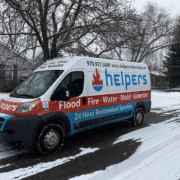
Helpers Restoration serves Aspen, Basalt, Carbondale, Snowmass Village, Glenwood Springs, and nearby Roaring Fork Valley communities. If your property is outside Aspen, the company also provides local service pages for water damage cleanup in Basalt and other nearby locations.
Get 24/7 Help With Burst Pipe Water Damage
If a pipe has burst, call Helpers Restoration at (970) 927-3600 for 24/7 emergency cleanup in Aspen and the Roaring Fork Valley. You can also request help through the contact page for fast water extraction, drying, documentation, and insurance claim assistance.
The sooner mitigation starts, the better your chances of limiting damage, preventing mold, and keeping the claim process organized.
Frequently Asked Questions
Does homeowners insurance cover burst pipes caused by freezing?
Often, yes. Coverage usually depends on whether the pipe burst suddenly and whether you took reasonable steps to heat, maintain, or winterize the property.
Will insurance cover the broken pipe itself?
Sometimes the resulting water damage is covered, but the actual pipe repair may be limited or excluded. Your adjuster can explain how your policy separates plumbing repair from water damage restoration.
Does insurance cover mold after a burst pipe?
It may cover mold if it results directly from a covered sudden water loss and you act quickly. Mold from delayed cleanup or long-term moisture is much less likely to be covered.
What if my Aspen vacation home was empty when the pipe burst?
Vacancy and occupancy rules matter. Many policies require heat, inspections, water shutoff, or winterization when a property is vacant or unoccupied for a certain period.
Should I call insurance or a restoration company first?
If water is actively spreading, stop the damage first and call emergency restoration right away. Then notify your insurance carrier and keep all documentation.
Does homeowners insurance cover outside flooding from snowmelt?
Usually no. Flooding from outside water, runoff, or rising groundwater generally requires separate flood insurance or specific endorsements.
Summary
So, does homeowners insurance cover burst pipes? In many cases, yes, when the pipe burst is sudden, accidental, and you’ve taken reasonable care of the property.
The safest path is simple: stop the water, document everything, start professional drying quickly, and review your policy with your adjuster. In Aspen and the Roaring Fork Valley, fast response is especially important because cold weather, vacant homes, and hidden moisture can complicate both cleanup and claims.
Final Thoughts
A burst pipe is stressful, but the insurance side gets easier when you understand the basic rule: sudden water damage is often covered, gradual damage and neglect usually aren’t. If you respond quickly and keep good records, you’ll be in a much stronger position.
For homeowners, business owners, and property managers in Aspen, Basalt, Carbondale, Snowmass Village, Glenwood Springs, and the Roaring Fork Valley, preparation makes all the difference. Know your shutoff valves, protect pipes before hard freezes, and have a trusted emergency water cleanup team ready before you need one.