Emergency Water Cleanup Basalt: Guide to Safe Property Recovery
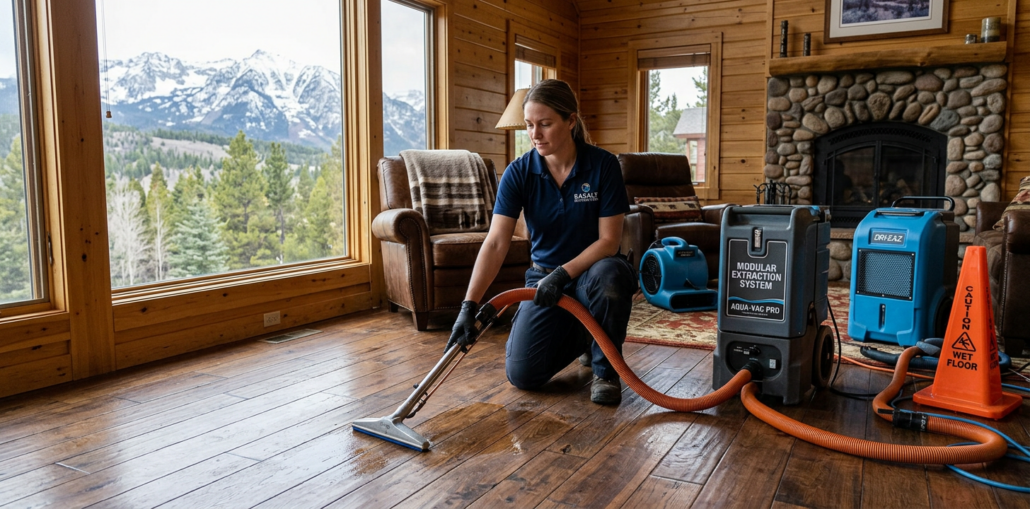
A burst pipe, overflowing appliance, or snowmelt leak can change the feel of a Basalt home in minutes. The visible water is stressful enough, but what happens beneath flooring, inside wall cavities, and around cabinetry is what often makes a small loss more complicated.
For homeowners and property managers, emergency water cleanup Basalt means making safe decisions first, documenting the damage, and getting the property thoroughly dried rather than simply making it look dry. A fast, organized response can protect finishes, belongings, indoor air quality, and the schedule of everyone who depends on the property.
The First Priorities After Water Enters Your Property
Before moving furniture or reaching for a shop vacuum, pause and assess the area. Safety and the source of the water should guide every next step.
Stop the Water Source if It Is Safe
Turn off the nearest fixture valve or the main water supply if a pipe, supply line, or appliance is actively leaking. If the source is a roof leak, groundwater, or a plumbing failure you cannot safely reach, stay clear of the affected area and focus on protecting people and valuables.
If water is near electrical outlets, appliances, a breaker panel, or cords, do not walk through it or attempt to switch off power while standing in water. Contact a qualified professional or utility provider for guidance when electrical safety is uncertain.
Identify Whether the Water May Be Contaminated
Clean water from a broken supply line is handled differently from water that has contacted a drain, toilet, sewer line, river, or outdoor runoff. Do not use household fans on suspected contaminated water, and keep children, pets, and occupants away from the affected zone.
For a drain or sewer overflow, professional sewage backup cleanup is the safer path because the area may require controlled removal, cleaning, and sanitation. Contamination is not a situation to solve with surface-level disinfectant alone.
Document Before Cleanup Changes the Scene
Take wide and close photos of standing water, stains, damaged materials, and affected belongings. Make a simple list of rooms and contents involved, then notify your insurance carrier according to your policy requirements.
Keep receipts for reasonable emergency measures, such as temporary plumbing repair or moving vulnerable belongings. Clear documentation can make conversations with an adjuster more straightforward later.
Why Thorough Drying Matters More Than Surface Appearance
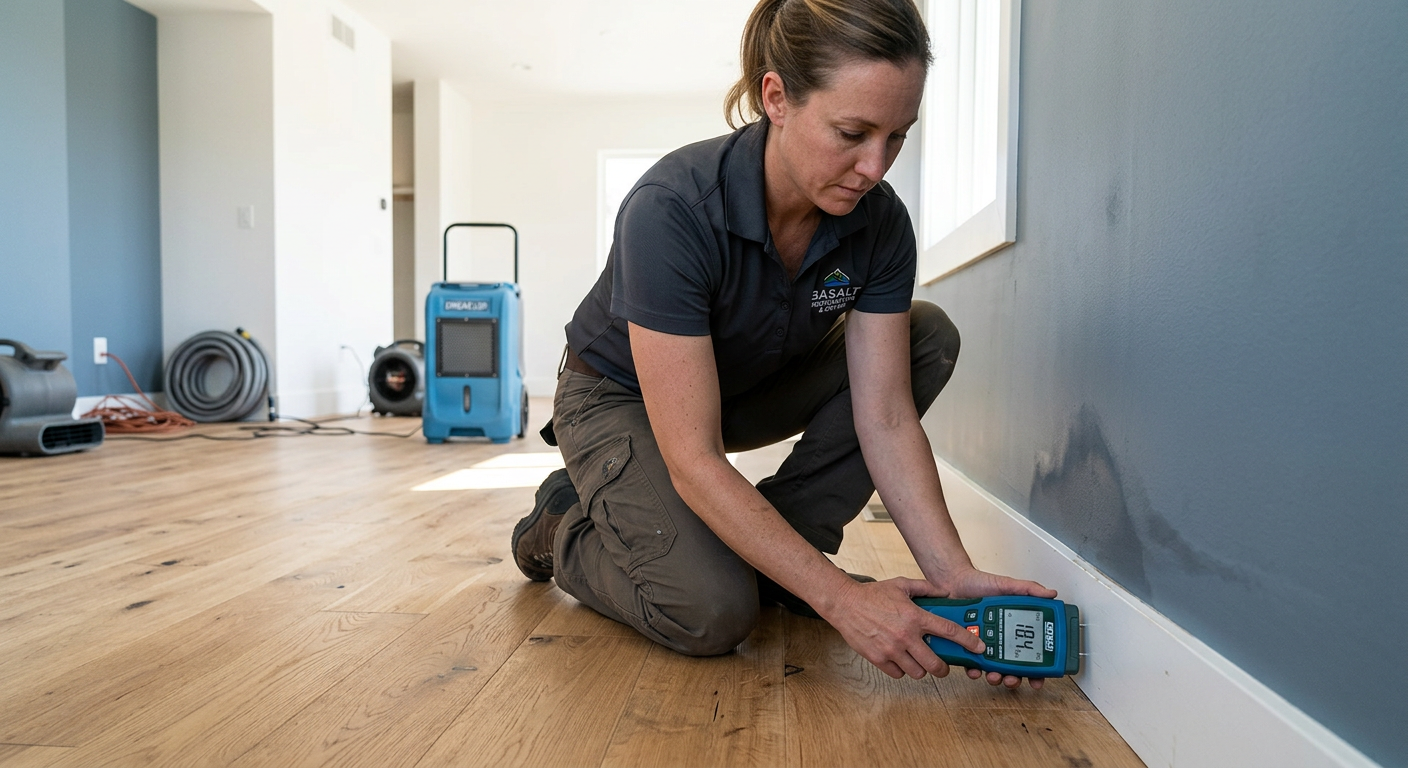
Water travels. It can wick behind baseboards, settle under flooring, soak insulation, and be absorbed by drywall or framing even when the top surface feels dry. That is why water mitigation should be based on moisture readings and inspection, not appearance alone.
The U.S. Environmental Protection Agency advises drying water-damaged areas and items within 24 to 48 hours to help prevent mold growth. That timeframe is a practical reason to treat a leak or flood seriously, even when the affected area seems manageable at first.
What a Complete Water Mitigation Process Looks Like
A reliable response follows the moisture, not just the puddle. We begin by locating the source, assessing affected materials, and identifying where water may have moved beyond the obvious area.
A professional water cleanup plan commonly includes:
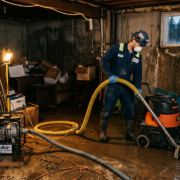
- Extraction of standing water from floors, carpets, and affected contents
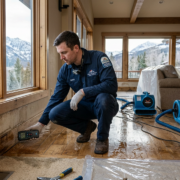
- Moisture inspection around walls, cabinetry, subfloors, and adjacent rooms
- Controlled drying with air movement and dehumidification equipment
- Removal of materials that cannot be safely dried or cleaned
- Cleaning and odor control for restorable surfaces and belongings
- Ongoing monitoring until moisture levels return to an appropriate range
For larger losses, this method helps property owners avoid the frustration of repairing cosmetic damage only to discover warped flooring, odor, or hidden moisture later. Our water damage restoration services are designed around that full process, from initial assessment through drying and restoration planning.
Common Basalt Water Damage Scenarios
Basalt properties face a mix of seasonal weather conditions, second-home vacancy concerns, aging plumbing components, and everyday appliance failures. The cause affects the cleanup plan, but the basic goal remains the same: remove water, control moisture, and protect the building from further damage.
Frozen or Burst Pipes
Cold conditions can stress pipes in exterior walls, crawl spaces, garages, and unheated sections of a home. A pipe may crack quietly, then release significant water once temperatures rise or the water supply is restored.
If you manage a seasonal residence, consider checking vulnerable spaces before and after periods of vacancy. Pipe insulation, consistent indoor temperatures, and a monitored shutoff plan can reduce the risk, but they do not replace a prompt response when a leak occurs.
Appliance and Water Heater Failures
Washing machine supply lines, dishwashers, refrigerator lines, and water heaters can leak slowly or fail suddenly. These events frequently affect kitchens, laundry rooms, finished basements, and nearby flooring.
Move lightweight items away from the affected area if it is safe to do so, but avoid lifting heavy wet carpet, moving swollen cabinetry, or pulling up installed flooring. Those materials can retain water below the surface and may need measured drying or removal.
Roof Leaks, Snowmelt, and Groundwater
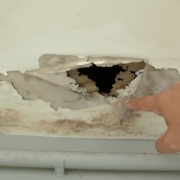
A ceiling stain does not always show the full route water took through the structure. Roof leaks and snowmelt intrusion can travel along framing before appearing in a different room, while groundwater can enter low areas through foundation cracks or drainage problems.
In these situations, stopping the intrusion is as important as drying the interior. A cleanup plan should address both the immediate damage and the condition that allowed water to enter.
What You Can Do While Help Is on the Way
There are a few helpful steps that do not put you at unnecessary risk. Keep the work limited to clean water situations and only areas where electricity is confirmed safe.
Protect What Can Be Moved Safely
Move photos, electronics, artwork, documents, and small furniture to a dry location. Place foil or wood blocks under furniture legs if it can be done without entering unsafe water. Remove wet rugs that are not permanently installed, then lay them flat in a dry area if possible.
Avoid opening walls, removing carpet, or using fans when you do not know the water category. Those steps can spread contamination or make a later insurance assessment more difficult.
Keep the Area Ventilated, With Caution
If outdoor conditions are dry and the water is clean, opening interior doors and safe windows can support airflow. Do not rely on open windows as the sole drying method, especially when moisture is trapped under materials or inside enclosed cavities.
For affected walls, flooring, or insulation, professional equipment and monitoring are usually needed to verify that the structure has actually dried. This is also where mold remediation guidance becomes important if moisture has lingered or a musty odor develops.
Insurance Questions Homeowners Often Ask
Coverage depends on the language of your policy and the specific cause of loss. Many policies may cover sudden and accidental events, such as a burst supply line or appliance failure, while gradual leaks, maintenance issues, and outside flooding can be treated differently.
We recommend reporting the loss promptly, preserving damaged materials until your insurer gives direction, and asking what information the adjuster needs. A restoration company can provide a clear scope of visible damage, drying documentation, and records that support the claim process, but your insurer makes the final coverage decision.
For local property owners, it can also help to work with a team that understands homes and rentals throughout Basalt, Aspen, Carbondale, Snowmass Village, Glenwood Springs, and the wider Roaring Fork Valley. Local familiarity makes communication easier when weather, access, occupied units, or vacation-home logistics add pressure to the situation.
When to Bring in a Water Restoration Company in Basalt
A small, contained spill on a hard surface may be manageable with prompt drying. However, professional help is strongly recommended when water reaches carpet padding, drywall, hardwood, insulation, cabinets, multiple rooms, or any electrical area.
You should also seek qualified assistance if the water is contaminated, the source is unknown, the leak occurred while the property was vacant, or the area smells musty after cleanup. These are common signs that the loss may be larger than it first appears.
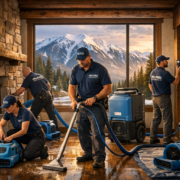
Helpers Restoration serves Basalt and the Roaring Fork Valley with a clear, property-focused approach to water damage. We inspect the scope, remove excess water, set up drying equipment, monitor progress, and help homeowners and managers understand what can be restored and what may require repair.
Get Trusted Help for a Water Emergency in Basalt
When water affects your home, rental, or commercial space, a careful response protects more than finishes. Call Helpers Restoration at (970) 927-3600 for 24/7 emergency cleanup in Basalt, or contact our team online to request help. We will guide you through the next practical steps, from water extraction and structural drying to insurance documentation.
Frequently Asked Questions
How quickly should water damage be addressed?
Water should be addressed as soon as it is safe to do so. The EPA recommends drying water-damaged areas and belongings within 24 to 48 hours to reduce the chance of mold growth, but electrical hazards and contaminated water require professional assessment before cleanup begins.
Can I use a regular fan to dry a flooded room?
A fan may help with a very small clean-water spill on a hard surface after the water is removed. It is not a substitute for professional drying when moisture has entered flooring, walls, cabinets, carpet padding, or insulation. Do not use fans if sewage, drain water, or visible mold may be involved.
How do I know if water is behind the walls?
Staining, peeling paint, soft drywall, warped baseboards, floor changes, and a musty odor can all point to hidden moisture. Moisture meters and thermal imaging can help locate affected materials without removing every surface unnecessarily.
Does homeowners insurance cover burst-pipe water damage?
Many policies may cover sudden and accidental pipe breaks, but exclusions and deductibles vary. Contact your carrier, document the event, and ask what they need before discarding damaged materials. Gradual leaks and maintenance-related damage may be treated differently.
Is floodwater safe to clean up myself?
Floodwater, sewer backups, and water from drains or toilets can contain contaminants. Keep people and pets away, avoid using fans, and arrange professional cleanup. The scope may include extraction, removal of affected porous materials, cleaning, and sanitation.
How long does professional drying take?
Drying time depends on the type of materials, how long they were wet, the amount of water, the temperature, and whether water moved into hidden spaces. A restoration team should monitor the structure and explain the drying plan rather than relying on a one-size-fits-all timeline.
Summary
Effective emergency water cleanup in Basalt starts with safety, source control, documentation, and a plan to dry the full affected area. Surface water is only part of the issue, which is why measured extraction, dehumidification, and moisture monitoring can make a meaningful difference.
The Bottom Line
Water damage is disruptive, but the response does not have to be chaotic. Focus on keeping people safe, protecting the property from additional exposure, and choosing a cleanup plan that addresses moisture where it actually traveled. With the right steps, homeowners and property managers can move from uncertainty to a well-documented recovery plan.