Insurance Claim Assistance Water Damage in Aspen, Colorado Guide
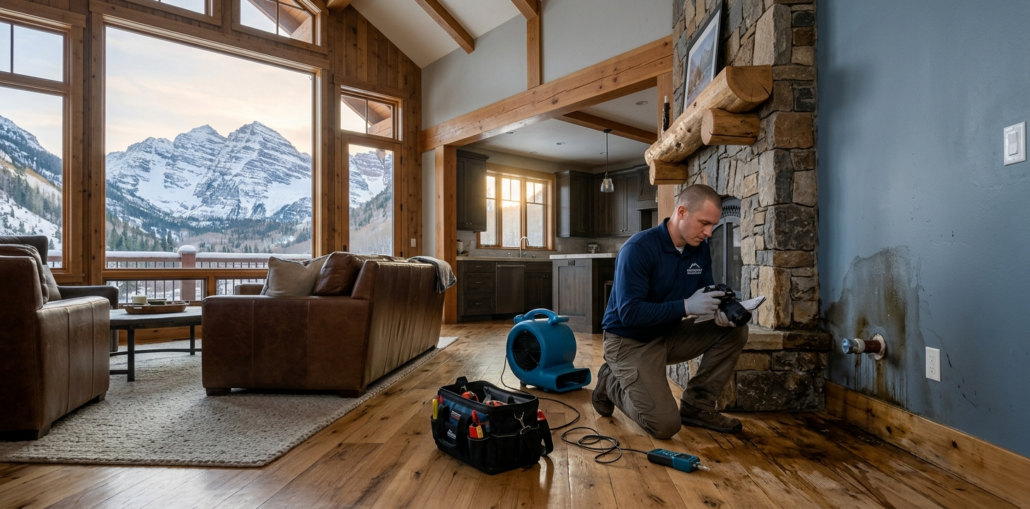
A burst pipe, appliance leak, or flooded lower level can leave property owners facing two urgent jobs at once, protecting the building and starting an insurance claim. That combination feels overwhelming, especially when you are trying to care for tenants, guests, family, or an unoccupied second home.
Our approach to insurance claim assistance water damage is simple: prioritize safety, limit additional loss, document what happened, and keep the restoration process organized. For homeowners and property managers in Aspen, Basalt, Carbondale, Snowmass Village, Glenwood Springs, and across the Roaring Fork Valley, clear records can make conversations with an insurance carrier much easier.
The U.S. Environmental Protection Agency notes that mold can grow on materials such as wood, drywall, carpet, and furniture when they remain wet for more than 24 hours. That is one reason prompt extraction and professional drying matter, both for the property and for a well-documented claim. Read the EPA’s flood cleanup guidance for additional health and safety information.
The First Hours Shape the Water Damage Claim
Insurance claims often involve more than the visible puddle on the floor. Water can move behind baseboards, under flooring, into insulation, and through lower levels of a property. The goal is not to make assumptions about coverage. It is to take reasonable, safe steps that help prevent the condition from getting worse.
Protect People Before Protecting Possessions
If water is near outlets, appliances, electrical panels, or damaged ceilings, stay out of the area until it is safe. Shut off the water source if you can do so without risk. For a sewage backup or outdoor floodwater intrusion, avoid contact with the water and keep pets, children, tenants, and guests away from the affected space.
Then notify your insurance carrier as soon as practical. Most policies require policyholders to take reasonable measures to limit additional damage, but the carrier remains the authority on what the policy covers. Keep the claim number, adjuster contact information, and any instructions from the carrier in one accessible place.
Capture the Right Documentation
Before cleanup changes the scene, take wide photos of every affected room and close photos of the water source, wet materials, stains, damaged contents, and standing water levels. A short video walkthrough is also useful, especially in larger Aspen homes, condominium buildings, vacation rentals, and commercial properties.
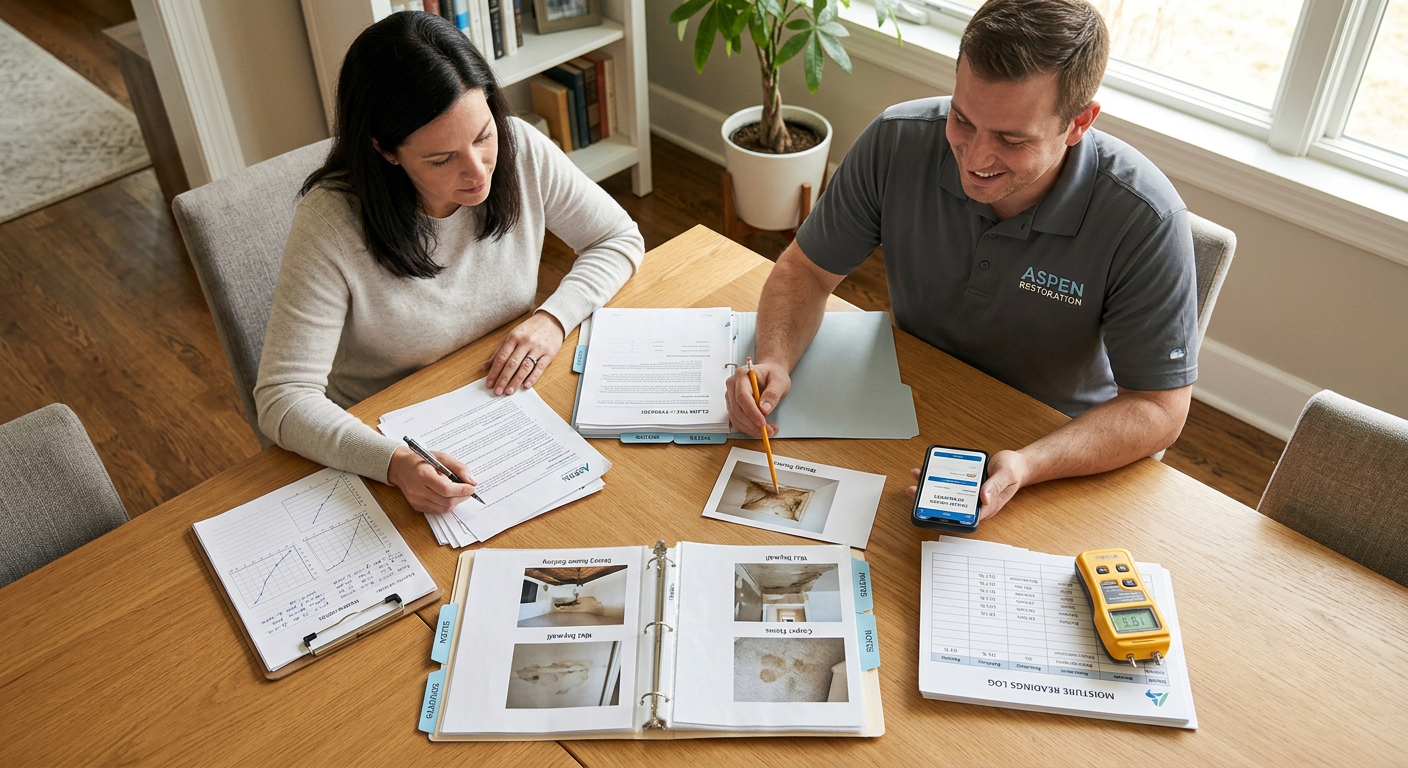
Create a written timeline that includes when you discovered the loss, when the water source was stopped, who you notified, and what mitigation steps were taken. Save invoices, emails, text messages, receipts, and estimates. These details help show the progression of the event without requiring anyone to rely on memory later.
Insurance Claim Assistance Water Damage: A Clear Workflow
A smooth claim does not require you to become an insurance expert overnight. It does require a methodical process that separates emergency mitigation from coverage decisions and repair planning.
Report the Loss With Clear, Basic Facts
When speaking with the insurance carrier, share what you know: the likely source, when the problem was discovered, the rooms affected, whether water is still flowing, and whether the property is safe to enter. Avoid guessing about hidden damage or promising repair outcomes before the property has been inspected.
Ask for the claim number and confirm the preferred method for submitting photos, estimates, and mitigation records. If you manage a rental, HOA, hotel, or condominium property, identify the correct policy and responsible party before authorizing non-emergency repairs.
Understand Mitigation Versus Reconstruction
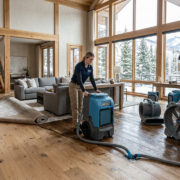
Mitigation is the work that helps stop additional water-related damage. It can include extraction, moisture inspection, removal of unsalvageable materials, drying, dehumidification, sanitation when appropriate, and ongoing moisture monitoring.
Reconstruction is the work needed after drying is complete, such as replacing drywall, flooring, trim, cabinetry, or other damaged finishes. Keeping these phases clearly documented helps everyone understand what was necessary to stabilize the property and what is needed to restore it.
For a detailed explanation of inspection, extraction, drying, and repair, visit our water damage restoration services. Property owners looking for local Aspen support can also review our water damage cleanup services in Aspen.
Review Estimates Carefully
An estimate should identify affected areas, materials, recommended mitigation work, equipment use, and repair needs. Ask questions when a line item is unclear. A reputable restoration team should be able to explain the purpose of the work in plain language and provide documentation that supports the scope.
Helpers Restoration works with insurance carriers and uses Xactimate estimating software as part of its documentation process. That can help keep communication organized while you maintain control over decisions about your own home or property.
What Often Affects Water Damage Coverage
No two policies are identical, and no restoration company can decide coverage for an insurance carrier. Still, understanding the usual distinctions can help you ask better questions and prepare the right records.
Sudden Accidental Water Events
Many homeowner policies may cover certain sudden and accidental events, such as a pipe that unexpectedly bursts or a washing machine supply line that fails. Coverage can depend on the policy language, maintenance history, exclusions, deductible, endorsements, and the facts of the loss.
If freezing contributed to a pipe break, be ready to discuss how the home was heated and monitored. This can be especially relevant for seasonal Aspen properties and vacant homes in Snowmass Village, Basalt, or the surrounding mountain communities.
Gradual Leaks and Deferred Maintenance
Slow leaks behind a cabinet, long-term roof issues, repeated seepage, or visible deterioration may be handled differently than a sudden event. Do not discard damaged components until the carrier or qualified restoration professional has documented them, unless removal is necessary to address an active health or safety issue.
Outside Flooding and Sewage Backup
Water entering from overflowing creeks, heavy runoff, or broader outdoor flooding may involve separate flood insurance rather than a standard homeowner policy. Sewer and drain backups may also require a specific endorsement. Ask your carrier directly which coverage applies to the source of the water.
When contaminated water is involved, safety comes first. Our sewage backup cleanup service addresses the specialized cleaning, sanitation, drying, and removal needs associated with these situations.
A Practical Documentation Checklist
Use this checklist to reduce confusion while the claim and restoration work move forward:
- Photograph the source of the water and every affected room.
- Record the discovery date and approximate time.
- Keep a list of damaged belongings, including brand, model, age, and estimated value when known.
- Save receipts for emergency expenses, temporary protection measures, and lodging if applicable.
- Keep copies of correspondence with the carrier, adjuster, HOA, property manager, and contractors.
- Request moisture records, photographs, work authorizations, invoices, and drying documentation from the restoration provider.
- Do not sign a repair agreement you do not understand. Ask for an explanation first.
Here is the thing: thorough documentation does not guarantee coverage, but it gives your carrier a clearer account of the loss and gives you a stronger record of the actions taken to protect the property.
How We Support Aspen and Roaring Fork Valley Properties
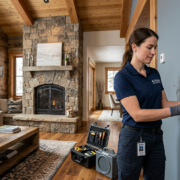
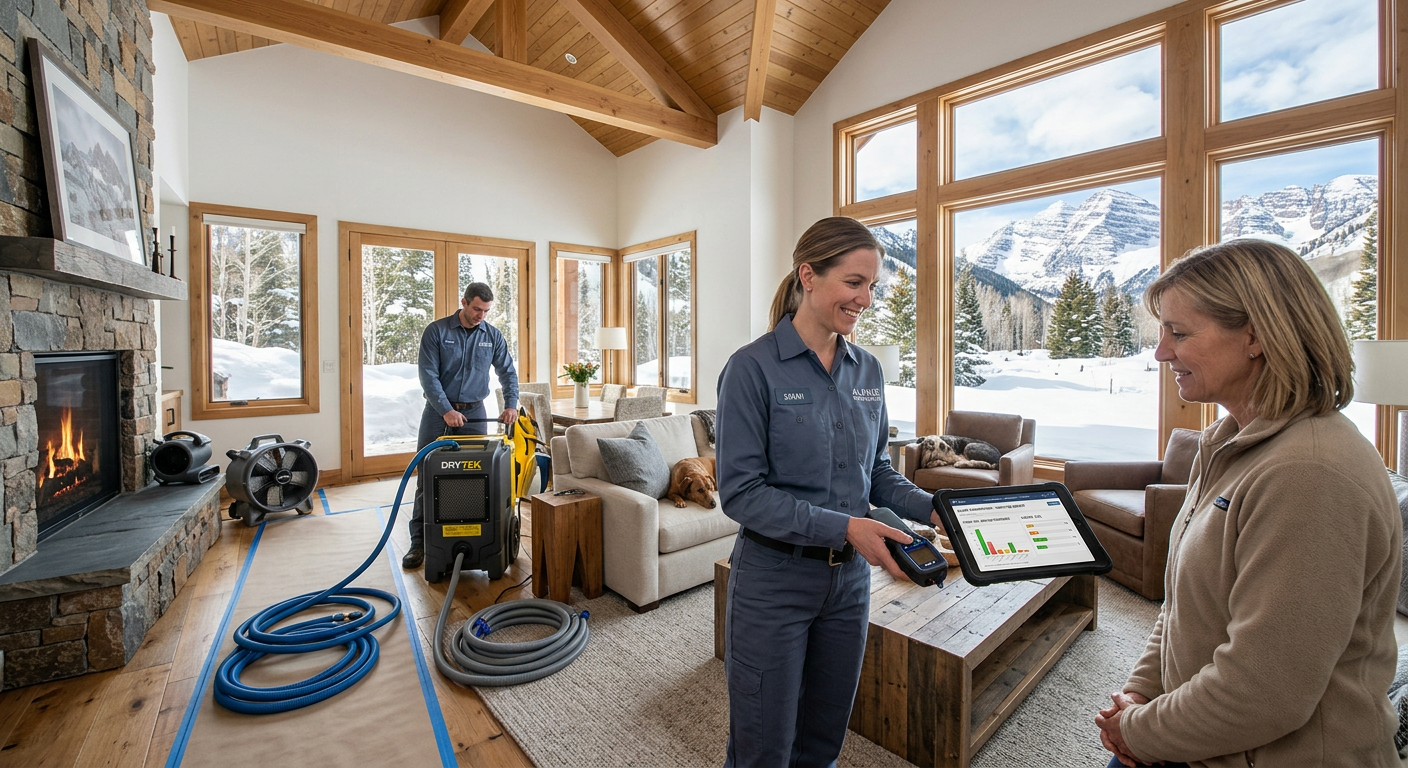
A water event can interrupt everyday life quickly, whether it affects a primary residence in Aspen, a rental in Carbondale, a vacation home in Snowmass Village, or a commercial space in Glenwood Springs. We help coordinate the practical side of recovery by documenting conditions, identifying visible and hidden moisture, performing emergency water cleanup, and communicating restoration information that supports the claims process.
Our team also understands the local realities of mountain properties, including freeze-related plumbing failures, occupied and unoccupied homes, shared building systems, and fast-moving weather changes. If moisture has remained in materials or you see signs of microbial growth, explore our mold damage services for next-step guidance.
Get Local Help With Your Water Damage Claim
For 24/7 emergency cleanup and insurance claim assistance in Aspen, call Helpers Restoration at (970) 927-3600. We serve Aspen, Basalt, Carbondale, Snowmass Village, Glenwood Springs, and the Roaring Fork Valley with water extraction, structural drying, documentation, and restoration support. You can also contact Helpers Restoration online to request help with your property.
Frequently Asked Questions
Should I call my insurance carrier before a restoration company?
If there is active water intrusion, standing water, or a safety concern, take safe steps to stop the source and arrange emergency mitigation while notifying the carrier as soon as practical. Prompt cleanup can limit additional damage. Keep records of every action and conversation.
Will homeowners insurance cover water damage from a burst pipe?
Many policies may cover sudden and accidental pipe failures, but coverage depends on your policy terms, exclusions, deductible, property conditions, and the specific facts of the event. Your insurance carrier makes the coverage decision.
What documentation helps a water damage claim?
Photos, video, a written timeline, a contents inventory, receipts, claim communications, mitigation invoices, moisture readings, and restoration reports are all helpful. Start collecting them as early as possible and store copies in one digital folder.
Can I choose my own water damage restoration company?
In many situations, you can choose the restoration provider that responds to your property. Ask your carrier about any policy requirements, then select a qualified local company that can clearly explain its scope of work and provide thorough documentation.
How long does water damage drying take?
Drying time varies based on the amount and category of water, building materials, temperature, humidity, and how far moisture traveled. A professional team should monitor moisture levels rather than relying only on how dry a surface looks.
What should I do if water damage leads to mold concerns?
Do not assume the issue is only cosmetic. Moisture can remain behind walls, under floors, and inside cabinets. Professional inspection and a documented drying plan can help identify affected areas and determine whether mold remediation is needed.
Summary
Water damage claims are easier to manage when safety, mitigation, and documentation happen in a sensible order. Stop the source if it is safe, photograph the condition, notify the carrier, keep every record, and work with qualified professionals who can explain the work clearly.
Insurance claim assistance water damage is not about making promises regarding coverage. It is about protecting your Aspen-area property, building a reliable record, and moving through recovery with more confidence.
Moving Forward With Confidence
A water loss can feel disruptive, but a measured response protects both the property and the information needed for the claim. Focus on safety, preserve your records, ask direct questions, and make decisions based on documented conditions rather than assumptions.
With a clear plan, homeowners and property managers across the Roaring Fork Valley can move from uncertainty toward a well-organized restoration process.