Flood Cleanup Carbondale: Safer Recovery for Homes and Rentals
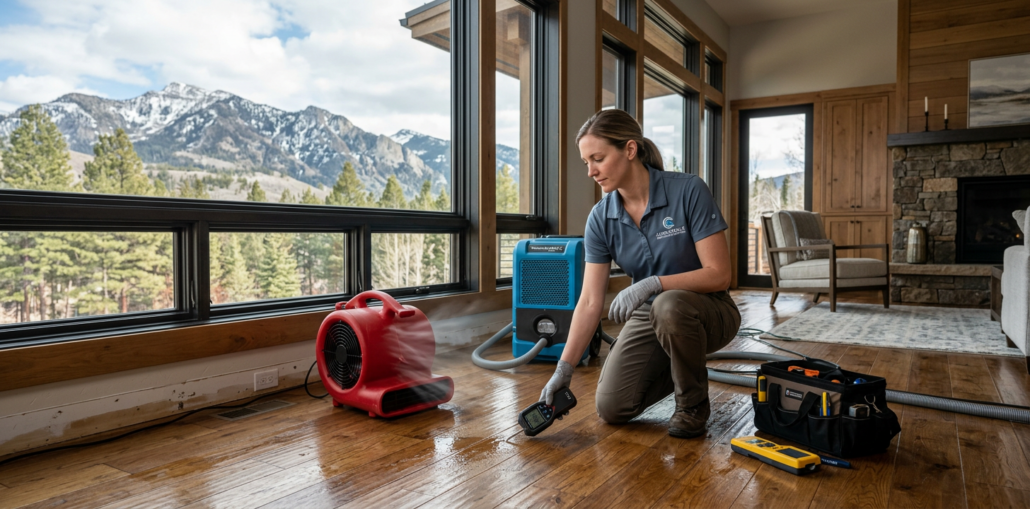
Flood Cleanup Carbondale: Safer Recovery for Homes and Rentals
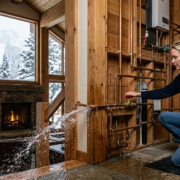
A flooded room can disrupt an entire household or rental property in minutes. Water may begin with a failed appliance, a frozen pipe, spring runoff, or a backup, but the next steps determine how much of the property can be protected.
For effective flood cleanup Carbondale property owners need more than a shop vacuum and a few fans. We recommend prioritizing safety, stopping the source, documenting the loss, and fully drying hidden moisture before repairs begin. That approach helps homeowners and property managers protect both the building and the people who use it.
The First Priorities After Flooding in Carbondale
The safest response is to keep people away from electrical and contamination hazards, then stop additional water from entering the property. Do not enter standing water if outlets, appliances, power cords, or the electrical panel could be involved.
Start with these practical steps:
- Protect people and pets. Leave the affected area if water is near electricity, ceilings are sagging, or exterior floodwater may contain debris or contaminants.
- Stop the source when it is safe. Shut off the home’s main water supply for a burst pipe or appliance leak. If runoff or groundwater is entering, focus on keeping people out of unsafe areas.
- Document before major cleanup. Take wide and close photos of rooms, water lines, damaged belongings, and appliance serial numbers. The National Flood Insurance Program recommends documenting damage before cleanup and retaining receipts.
- Move dry valuables. Relocate documents, electronics, furniture, and sentimental items only when the area is safe to enter.
- Avoid switching on HVAC equipment. A wet system can spread contamination or create additional damage before it has been evaluated.
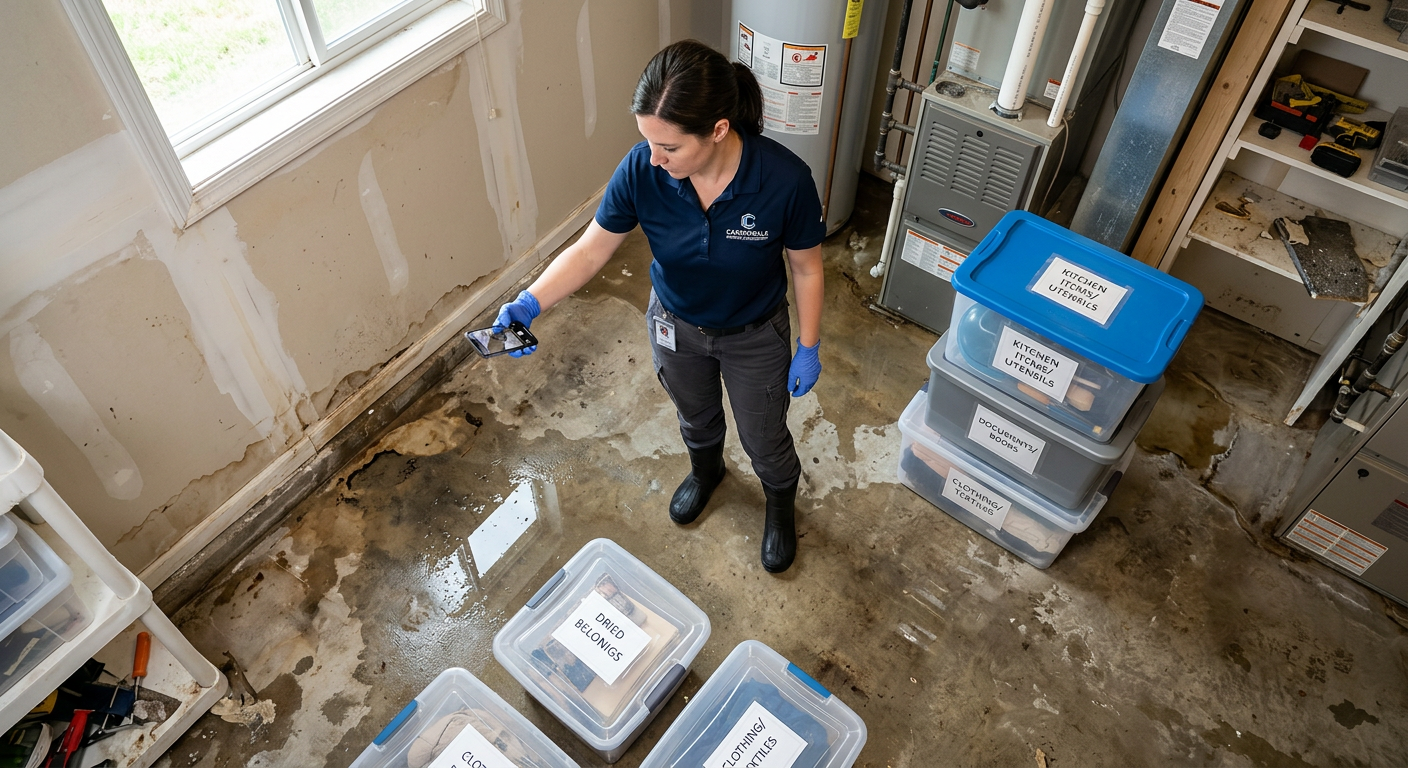
Why Extraction and Drying Must Happen in the Right Order
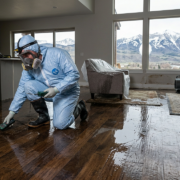
Removing visible water is essential, but it is only the first part of recovery. Moisture can remain under flooring, behind baseboards, inside wall cavities, and in carpet padding long after a room looks dry.
The U.S. Environmental Protection Agency advises drying water-damaged areas and belongings within 24 to 48 hours to help prevent mold growth. That is a useful benchmark for clean-water losses, but a larger flood, sewage-contaminated water, or water that has reached multiple materials requires a more controlled plan. Read the EPA’s flood cleanup guidance for a healthy home for important safety information.
What a Thorough Drying Plan Includes
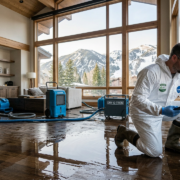
A professional flood recovery plan generally includes:
- Water extraction from flooring, carpet, padding, and low areas
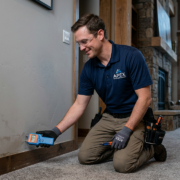
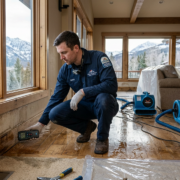
- Moisture checks in walls, subfloors, trim, and cabinets
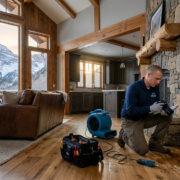
- Commercial air movement and dehumidification
- Cleaning and sanitizing when water quality creates a health concern
- Regular moisture monitoring before reconstruction begins
This sequence matters in Carbondale homes, condos, vacation rentals, and commercial spaces. Replacing flooring or drywall before the structure is dry can trap moisture and create odor, warping, or mold problems later.
For broader support after a burst pipe, appliance leak, or interior flooding, review our water damage restoration services. We also encourage property owners with musty odors or delayed drying concerns to learn about mold recovery options.
Know the Difference Between Clean Water and Contaminated Floodwater
The source of the water affects what can safely be dried, cleaned, or removed. A clean supply-line leak is handled differently than a toilet overflow, sewer backup, or stormwater intrusion.
Clean Water From Plumbing or Appliances
Water from a broken supply line, sink overflow, or washing machine may begin relatively clean. It can still damage materials quickly, so prompt extraction and drying are important, especially if it has soaked carpet, drywall, cabinets, or wood flooring.
Water With Possible Contamination
Exterior floodwater, sewer backups, and water from a toilet overflow can carry contaminants. Do not assume that wiping a surface clean makes porous materials safe. The EPA notes that floodwater can carry sewage and harmful substances, and wet materials can become a breeding ground for bacteria and mold.
If sewage is involved, keep people and pets away from the affected area. Our sewage backup cleanup information explains why disinfection, containment, and careful material removal may be necessary.
A Carbondale Recovery Plan for Homes, Rentals, and Managed Properties
The best flood cleanup process creates a clear record of what happened while restoring safe use of the space. For property managers, that also means communicating early with tenants, owners, associations, or guests.
For Homeowners
Keep a simple timeline with the discovery time, water source, shutoff actions, photos taken, and conversations with your insurer. Save receipts for emergency work, temporary protective materials, and replacement purchases.
Flooding can create serious financial pressure. The National Flood Insurance Program reports that the average flood insurance claim from 2020 through 2024 was $82,614, which underscores why documentation and a thoughtful restoration plan matter. See the NFIP claim recovery information for details about documenting damage and beginning a claim.
For Property Managers
Protect occupants first, then establish a written communication trail. Explain which areas are restricted, provide realistic updates, and record when vendors, tenants, or owners were notified.
For multi-unit buildings, do not focus only on the room where water first appeared. Water can travel through shared walls, ceilings, utility penetrations, and lower-level spaces. Checking adjacent units and common areas can help prevent a smaller incident from becoming a larger water damage issue.
For Second Homes and Vacation Rentals
Seasonal occupancy can make a leak harder to spot. If a home has been vacant, inspect below sinks, around water heaters, near exterior walls, and in lower-level rooms before reopening the property for guests or owners.
This same preparation helps across the Roaring Fork Valley, including Basalt, Snowmass Village, Glenwood Springs, and Aspen. Mountain weather, freeze-thaw conditions, and periods of vacancy can all add complexity to water damage recovery.
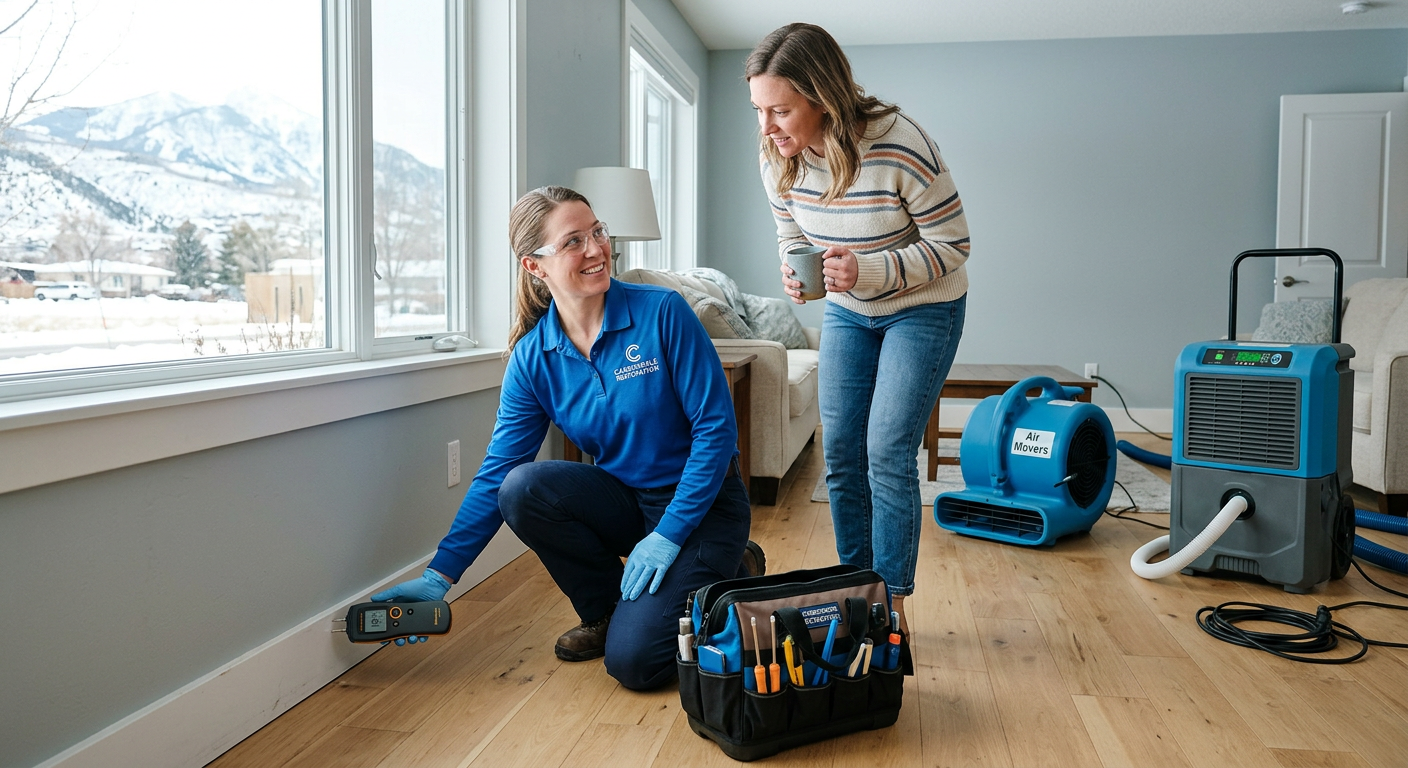
When DIY Cleanup Is Not Enough
A small, clean spill that is dried quickly may be manageable, but widespread or contaminated water needs trained assessment and equipment. Professional help is especially important when hidden moisture, electrical risks, health concerns, or insurance documentation are involved.
Arrange professional flood cleanup when you notice:
- Standing water, soaked carpet, or saturated carpet padding
- Swollen baseboards, bubbling paint, warped flooring, or soft spots
- Water that reached drywall, insulation, cabinets, or crawl spaces
- A musty smell after visible water has been removed
- Water from outdoors, a toilet, a drain backup, or a sewer line
- Damage affecting electrical systems, HVAC equipment, or multiple rooms
- A tenant-occupied unit, guest lodging, business space, or shared building area
Helpers Restoration provides local emergency response for Carbondale properties, including extraction, structural drying, cleaning, moisture monitoring, repair planning, and insurance documentation support. Our team serves homeowners and property managers throughout Carbondale and the Roaring Fork Valley with a measured, respectful approach.
Frequently Asked Questions
How long does flood cleanup take in a Carbondale home?
The drying phase often takes several days, but the full timeline depends on the water source, how long materials were wet, the affected square footage, and whether repairs are needed. A moisture evaluation is the best way to determine when the structure is ready for reconstruction.
Will homeowners insurance cover flood cleanup?
Coverage depends on the cause of the loss and the policy. Sudden internal plumbing failures may be handled differently than groundwater or storm flooding, so review your policy and contact your insurer promptly. Flood insurance is typically separate from standard homeowners insurance.
Can I stay in my home while drying equipment is running?
Sometimes, yes, if the affected area is contained and there are no electrical, structural, or contamination concerns. If sewage, extensive mold, ceiling damage, or major disruption is present, temporary relocation may be the safer choice.
Should I remove wet carpet myself?
Do not remove carpet or padding if water may be contaminated, if the material is heavy and saturated, or if electrical hazards are present. Photograph the damage first, then get guidance from your insurer and restoration team before disposing of materials.
What should I save for an insurance claim?
Save photos, videos, damaged-item lists, repair receipts, contractor records, and small samples of damaged materials when practical. For more claim-related questions, review the water damage FAQ and service details.
Does a musty odor mean mold is growing?
A musty odor is a reason to investigate, especially after water exposure. It may indicate moisture remains in hidden materials, even if the visible surfaces appear dry, so testing and moisture checks can help identify the source.
Get 24/7 Help With Flood Cleanup in Carbondale
If water is spreading through your home, rental, or business, call (970) 927-3600 for 24/7 emergency cleanup in Carbondale. You can also contact Helpers Restoration online to request service and discuss the next steps with a local team.
We coordinate emergency water removal, drying, cleanup, and insurance documentation support with care for your property and the people affected by the loss.
Summary
Flood cleanup in Carbondale works best when safety, documentation, extraction, moisture control, cleaning, and repairs happen in the right order. Addressing hidden moisture before rebuilding can protect flooring, walls, furnishings, indoor air quality, and the long-term condition of the property.
A Clear Path Back After Water Damage
Flooding is stressful, but the response does not have to be disorganized. Keep people safe, preserve evidence of the damage, control moisture thoroughly, and make repair decisions only after the affected structure has been properly assessed.
A careful recovery plan helps Carbondale homeowners and property managers protect their investment while creating a safer, more comfortable space for the people who live or work there.