
24/7 EMERGENCY RESTORATION
DRY ON TOP
ISN’T THE WHOLE STORY.
CHECK BELOW.
Structural drying addresses moisture retained in building materials after water damage. Helpers uses assessment, drying equipment and progress checks to guide the work.
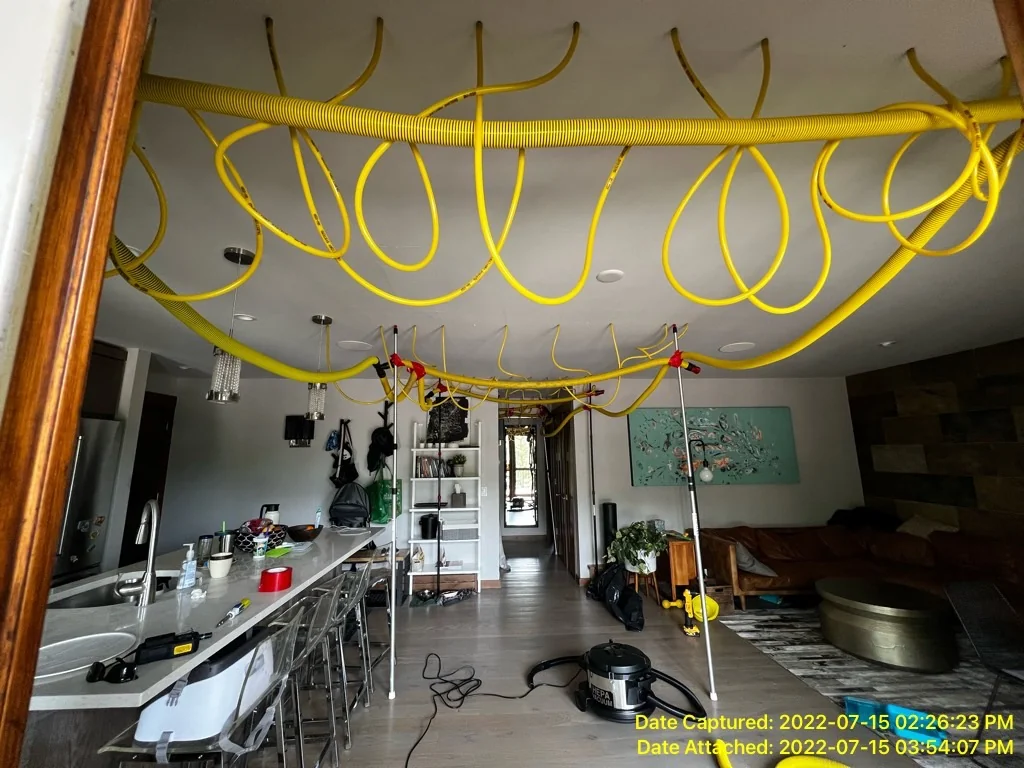
THE HELPERS APPROACH
FOLLOW THE MOISTURE.
Walls, flooring and other building materials can retain moisture even when the room looks better. The drying plan depends on the materials and conditions, not appearance alone.
Helpers checks affected areas, places appropriate drying equipment and monitors progress. Some materials may need removal rather than drying; we explain those decisions as part of the restoration scope.
HELP FOR YOUR PROPERTY
A CONTROLLED PROCESS.
01
MOISTURE ASSESSMENT
Identify affected materials and establish a starting point for the drying plan.
02
DRYING & DEHUMIDIFICATION
Air movement and dehumidification are planned around the property and affected materials.
03
PROGRESS CHECKS
Moisture readings help guide equipment decisions and the next stage of restoration.
ANSWERS BEFORE YOU CALL
QUESTIONS?
LET’S CLEAR THINGS UP.
How long does structural drying take?
There is no single timeline for every property. Materials, saturation, access and moisture readings affect the process.
Can I turn the equipment off?
Discuss equipment changes with the restoration team. The drying plan depends on controlled conditions and progress checks.
Can you dry wood flooring?
Some flooring can be dried, depending on the material, water source and damage. The assessment determines whether drying or replacement is appropriate.
24/7 EMERGENCY HELP
ONE CALL.
YOUR NEXT STEP.
Tell Helpers what happened, where the property is, and how to reach you. We’ll help you understand what comes next.
ASPEN TO RIFLE
FIND STRUCTURAL DRYING
IN YOUR COMMUNITY.
Choose your property location for service details, access considerations and the next step.