
Water Restoration Company Roaring Fork Valley: What Matters!
A burst pipe, overflowing appliance, or wet basement can disrupt a home long before the full extent of the damage is visible. In the Roaring Fork Valley, where second homes, mountain weather, frozen plumbing, and rental schedules can complicate a loss, a calm and organized response protects both the property and the people who rely on it.
Choosing a water restoration company Roaring Fork Valley property owners can trust is about more than removing visible water. The right team identifies the source, documents the affected areas, dries hidden moisture, and helps you make informed decisions about repairs and insurance.
The First Hours Set the Direction of Recovery
Fast, safe action helps limit the spread of moisture into flooring, walls, cabinets, and structural materials. Your first priority is always safety, followed by stopping the source and beginning a documented cleanup plan.
If water is actively flowing, shut off the nearest supply valve or the main water line if it is safe to do so. Avoid entering rooms with standing water near electrical outlets, appliances, or a damaged ceiling. Move dry belongings only when doing so will not create a slip, electrical, or contamination hazard.
The U.S. Environmental Protection Agency advises drying water-damaged areas and items within 24 to 48 hours to help prevent mold growth. That timeframe matters because water can move below finished surfaces even when a room looks dry on the surface. Read the EPA’s homeowner guidance on mold, moisture, and drying water-damaged materials.
A simple first-response checklist
- Stop the water source if it is safe.
- Keep people and pets away from electrical risks and contaminated water.
- Take photos and short videos before moving or discarding damaged items.
- Save receipts for emergency expenses and temporary protective measures.
- Do not use household fans on sewage, floodwater, or water that may be contaminated.
- Contact a qualified restoration provider for an assessment and moisture-drying plan.
What a Qualified Restoration Team Should Do
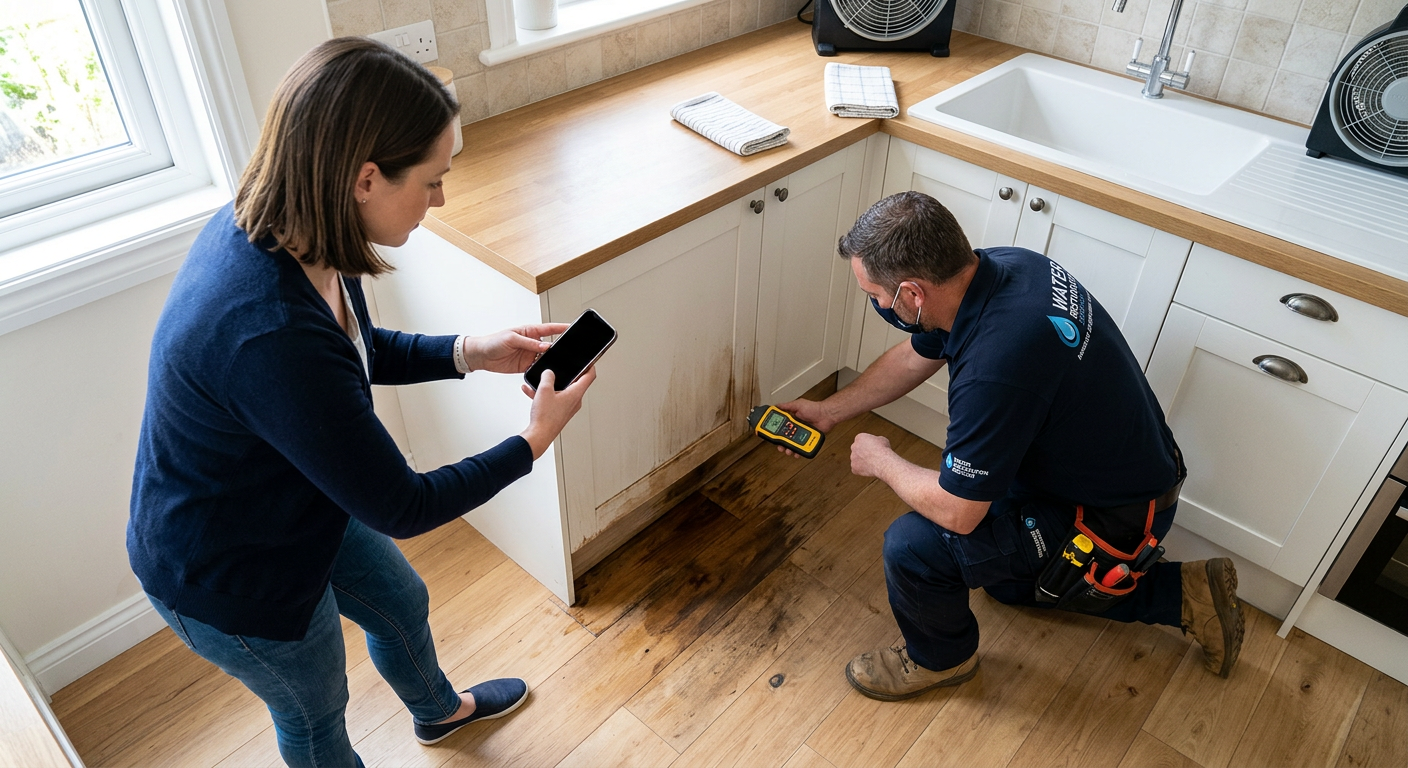
A professional water cleanup plan should address the entire affected assembly, not only the puddle on the floor. Effective restoration combines inspection, extraction, controlled drying, cleaning, documentation, and repair coordination based on the type of water and the materials involved.
Inspect beyond what you can see
Water often travels under flooring, behind baseboards, through insulation, and into lower levels. A proper inspection uses moisture-reading equipment to map the affected area and distinguish dry materials from materials that need controlled drying or removal.
This is particularly important for Aspen homes, Snowmass Village condos, and downvalley properties with finished basements, radiant heat systems, wood floors, or tightly built spaces. A slow leak can create a larger drying challenge than a dramatic but quickly contained overflow.
Remove water and protect contents
Extraction should happen before extensive drying begins. Depending on the loss, this may include removing standing water, lifting affected carpet, protecting furniture, and separating wet contents from dry areas.
Restoration professionals should also explain what can be saved, what may need to be removed, and why. Clear communication is important for homeowners and property managers who need to protect personal belongings, meet rental obligations, or coordinate access for owners who are out of town.
Dry, monitor, and document the structure
Air movement and dehumidification work together to dry materials under measured conditions. The goal is not simply to make a room feel less damp. It is to confirm that affected materials have reached appropriate drying targets and that hidden moisture has been addressed.
A reliable provider documents readings and progress throughout the job. That record can help property owners understand the scope of work and provide useful information during an insurance claim.
Mountain Properties Need a Local Recovery Plan
A local response matters because properties across the Roaring Fork Valley have different access, construction, occupancy, and weather considerations. The recovery plan for a downtown Aspen condo may look different from a Basalt family home, a Carbondale rental, or a Glenwood Springs business.
For example, a frozen-pipe loss can occur when a vacant home has limited oversight. A roof or snowmelt issue may affect upper-level finishes before water appears downstairs. In multi-unit buildings, water can migrate between units, requiring coordination with building management and neighboring occupants.
For location-specific support, property owners can review emergency water damage help in Aspen, water cleanup services for Snowmass Village properties, and Carbondale water damage restoration options. These local service pages help clarify the types of losses a restoration team can assess and the communities served.
The Day Seven check: Confirm the property is truly dry
The first day of cleanup gets attention. The follow-through about a week later is where preventable problems can be caught. After extraction and drying equipment are removed, take a deliberate look at the property again.
Check for lingering musty odors, new staining, lifted flooring edges, swollen trim, bubbling paint, sticky doors, or areas that feel unusually cool or damp. Property managers should also ask tenants whether they have noticed a change in odor, humidity, or airflow after returning to the space.
This follow-up is especially useful for vacation homes and rental properties that may not have daily occupancy. It helps confirm that the source was fixed, the structure is performing normally, and there are no overlooked areas requiring additional attention.
Insurance Documentation Can Reduce Confusion
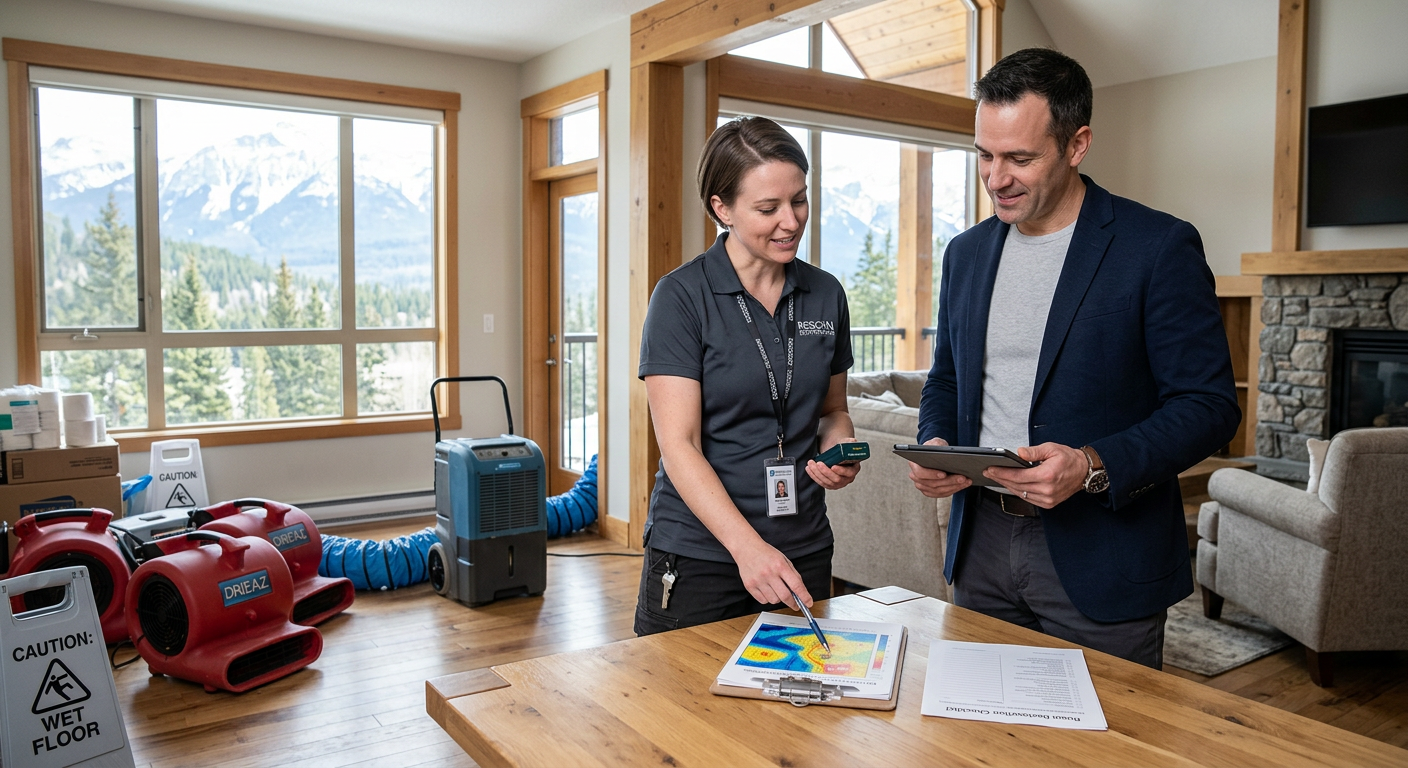
Good documentation supports a smoother conversation with your insurer, but coverage decisions always depend on your individual policy and the cause of loss. Start by notifying your insurer promptly, then preserve photos, videos, damaged-item details, invoices, and records of communication.
The Federal Emergency Management Agency recommends documenting damage room by room, photographing and videoing the property before discarding items, and recording make, model, and serial numbers for major appliances when applicable. Its flood recovery guidance also emphasizes preparing clear information for the adjuster.
A restoration provider can help organize moisture records, photos, drying documentation, and an itemized scope of work. That does not replace your insurer or adjuster, but it gives everyone a clearer record of what happened and what was needed to stabilize the property.
When DIY Cleanup Is Not Enough
Small, clean-water spills on a hard surface may be manageable when they are contained and completely dried quickly. Larger losses, water that has reached building materials, sewage backups, floodwater, or moisture that has been present for an unknown period need more caution.
Do not assume a carpet, cabinet base, wall cavity, or wood floor is dry because its exposed surface feels dry. Also, avoid using a standard household vacuum on standing water unless it is specifically designed for wet extraction and the area is safe from electrical hazards.
If the water involves a backup or any suspected contamination, keep people away from the area and seek professional help. You can also review sewage backup cleanup guidance and service options for a better understanding of when specialized cleaning and sanitation are needed.
Questions Property Owners Often Ask
How long does structural drying usually take?
Many water losses require several days of drying, but the actual timeline depends on the amount of water, affected materials, temperature, humidity, and how quickly cleanup began. A professional should explain the expected monitoring schedule rather than promise one fixed timeline for every property.
Should I file an insurance claim before cleanup begins?
You should contact your insurer promptly, but do not delay reasonable emergency measures that prevent additional damage. Document the condition carefully, keep records, and ask your insurer how they want the claim handled.
Can I stay in my home during water restoration?
Sometimes, yes. Minor clean-water losses may allow occupants to remain in unaffected areas, while major losses, contaminated water, extensive demolition, or compromised utilities may make temporary relocation the safer choice.
What if the leak happened behind a wall?
Hidden leaks should be assessed with moisture detection tools and visual inspection where appropriate. Waiting for visible staining can allow moisture to spread farther into drywall, insulation, framing, and flooring.
How can I tell if water damage may lead to mold?
Persistent dampness, a musty odor, discoloration, soft drywall, warped flooring, or moisture that was not dried within the first 24 to 48 hours can all be reasons for concern. The priority is correcting the moisture source and ensuring affected materials are properly dried or removed.
Do restoration companies handle repairs too?
Some companies coordinate or complete repairs after mitigation, while others focus on cleanup and drying. Ask who will handle reconstruction, what work is included, and how the transition from mitigation to repair will be documented.
Get a Clear Plan for Your Property
When a water loss affects your Aspen or Roaring Fork Valley property, we can help you move from uncertainty to a documented recovery plan. Helpers Restoration provides 24/7 emergency response for extraction, drying, cleanup, and insurance documentation support across Aspen, Basalt, Carbondale, Snowmass Village, Glenwood Springs, and nearby communities.
Call (970) 927-3600 for emergency water cleanup, or contact Helpers Restoration for property-specific assistance. For additional answers before or after a loss, visit the water damage restoration FAQ page.
Summary
Selecting a water restoration company in the Roaring Fork Valley means looking for more than fast water removal. You need a provider that can inspect hidden moisture, create a drying plan, document the work, communicate clearly, and understand the realities of mountain homes, condos, businesses, and rental properties.
The best next step is to protect safety, document the loss, address moisture promptly, and follow up after the initial cleanup. A thorough recovery process helps preserve the property, reduce avoidable disruption, and give you confidence that the water event was handled with care.