Best Flood Cleanup Company in Roaring Fork Valley: 6 Checks First
Best Flood Cleanup Company in Roaring Fork Valley: 6 Checks First
A flooded floor, burst pipe, or backed-up drain creates more than a cleanup problem. It puts your home, furnishings, schedule, and insurance claim under pressure at the same time. Choosing the best flood cleanup company in Roaring Fork Valley means looking beyond the first truck that can arrive.
We recommend choosing a restoration team based on safety, drying capability, documentation, communication, and local availability. Those details matter in Aspen, Basalt, Carbondale, Snowmass Village, Glenwood Springs, and throughout the Roaring Fork Valley, where frozen pipes, snowmelt, appliance failures, and stormwater can affect homes and rental properties in very different ways.
The Six Checks That Matter After a Flood
The right company should make the situation safer, limit secondary damage, and give you a clear path from emergency cleanup through restoration. Use these six checks before authorizing work whenever circumstances allow.
| What to Check | Why It Matters | What to Ask |
|---|---|---|
| Emergency availability | Water keeps spreading | Can you respond 24/7? |
| Water source assessment | Some water is contaminated | How will you classify the loss? |
| Extraction and drying | Surface drying is not enough | How will you check hidden moisture? |
| Documentation | Claims need evidence | Will I receive photos and moisture records? |
| Local experience | Mountain properties have unique risks | Do you serve my community directly? |
| Clear scope | Prevents surprises | What is included before repairs begin? |
1. Confirm That the Team Handles True Emergency Response
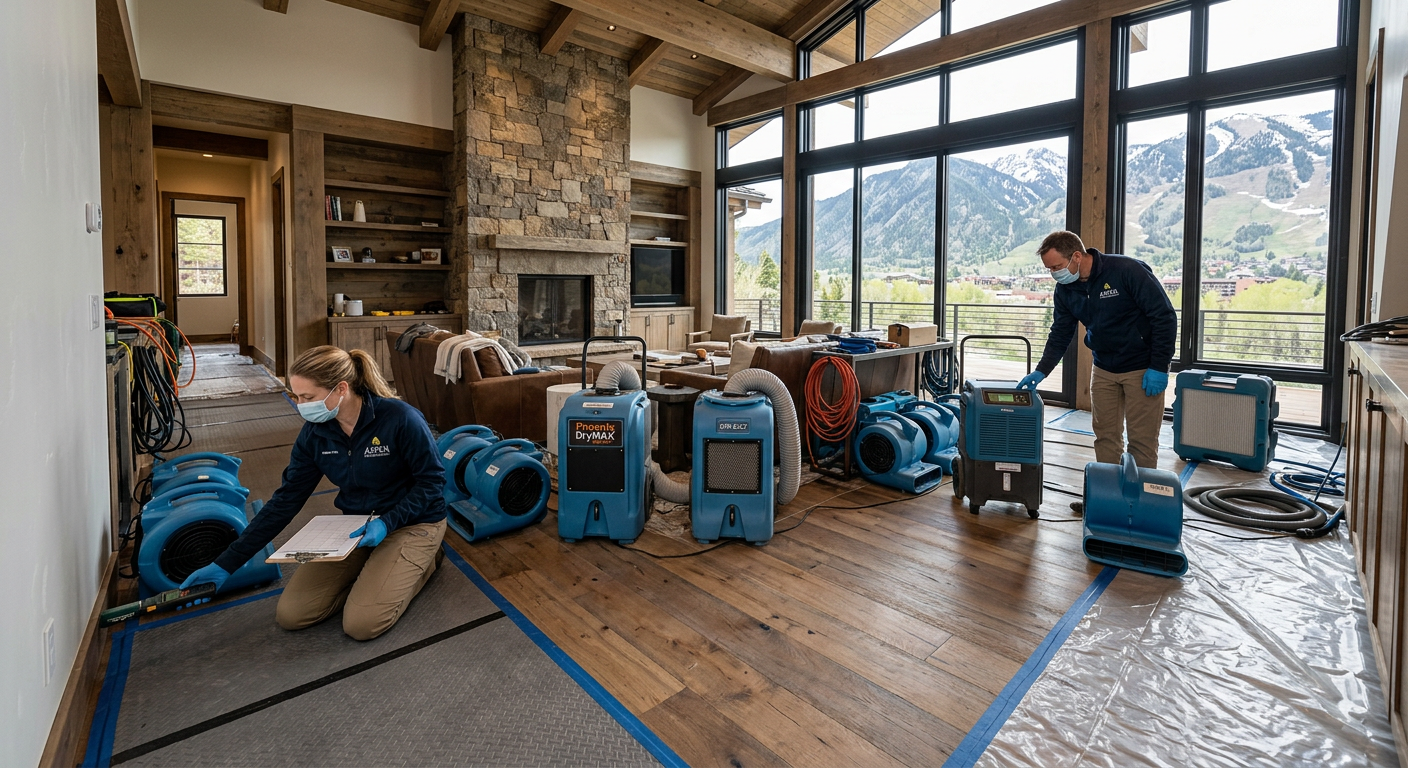
A flood cleanup company should be prepared to begin mitigation when the property needs it, not simply schedule an estimate days later. Fast extraction, controlled drying, and moisture checks can prevent a manageable loss from affecting flooring, baseboards, wall cavities, insulation, and cabinetry.
Ask who answers after hours, whether the company can deploy extraction and drying equipment, and how quickly you will receive an on-site assessment. For a property manager, it is also wise to ask how the team will communicate with tenants, owners, and adjusters while the work is underway.
2. Ask How They Determine Whether Water Is Safe to Handle
Not all water losses are alike. A clean supply-line leak calls for a different response than water from a sewer backup, overflowing toilet, exterior floodwater, or a failed sump system.
The U.S. Environmental Protection Agency warns that floodwater can carry sewage and other harmful substances. Its guidance states, “Clean and dry your home and everything in it within 24 to 48 hours, if you can.” Read the full EPA flood cleanup guidance for safety information on reentry, protective equipment, and drying priorities.
A qualified provider should explain the water source, identify contaminated materials, and describe the containment and cleaning steps needed. If sewage may be involved, do not treat it as a standard mop-up job. Use a team experienced in professional sewage backup cleanup and keep people and pets away from the affected area.
3. Look for a Measured Drying Plan, Not Just Fans
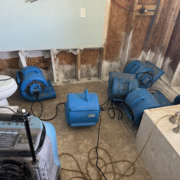
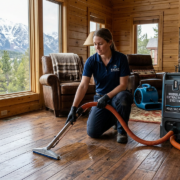
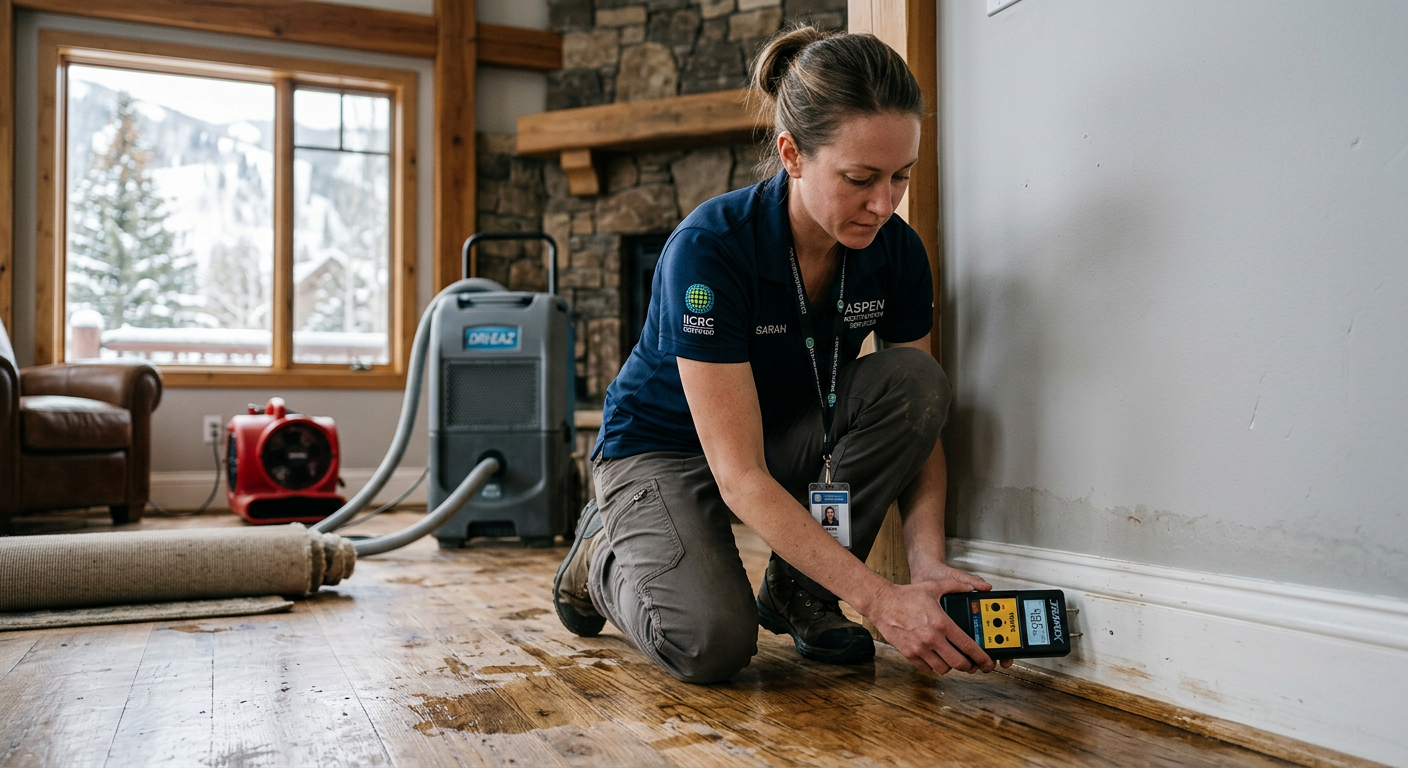
Proper flood restoration means finding moisture that is no longer visible. Water can move below flooring, behind trim, into wall cavities, under cabinets, and into insulation. A company should use moisture-detection tools, document readings, remove standing water, and place drying equipment based on the materials and conditions in the home.
This is especially important for water damage Aspen homeowners encounter after a burst pipe in cold weather or a leak in a seasonal property. Mountain homes may sit vacant for stretches of time, which gives water more opportunity to spread unnoticed.
Ask how the crew will verify that drying is complete. “It feels dry” is not a final standard. You want documented moisture readings, routine monitoring, and a clear explanation of what can be saved versus what needs removal or replacement.
4. Choose a Company That Documents the Loss for Insurance
Good documentation supports both restoration decisions and insurance communication. Before cleanup begins, take your own photos and short videos of the source, affected rooms, water level, and damaged belongings, if it is safe to do so.
A professional restoration company should add organized photos, equipment records, moisture logs, and a written scope of work. That record helps show why extraction, drying, selective removal, or cleaning was necessary. It also helps prevent confusion if visible damage changes once flooring, drywall, or cabinets are opened.
For more help preparing a claim after a pipe failure, review this resource on water damage insurance claim support for Aspen homeowners. Keep receipts for emergency plumbing repairs, temporary protection measures, and personal expenses related to the loss.
5. Prioritize Local Coverage Across the Valley
Local availability matters because flood losses rarely stay neatly within business hours. A restoration provider serving the full Roaring Fork Valley should understand the travel needs and property types across Aspen, Snowmass Village, Basalt, Carbondale, and Glenwood Springs.
Ask whether the crew serves your location directly, who will manage the project, and whether the same team can coordinate mitigation and follow-up repairs. A company that understands local weather patterns and the realities of second homes, rentals, condominium associations, and commercial spaces can offer a more organized recovery plan.
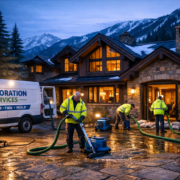
At Helpers Restoration, we provide emergency cleanup, moisture documentation, drying, and restoration support for homes and properties across the valley. Our water damage restoration services cover extraction, drying, and recovery planning, while our dedicated Aspen emergency cleanup service addresses local residential and commercial needs.
6. Expect Clear Communication Before Work Expands
Flood cleanup can uncover damage that was hidden at the start. That does not mean you should be left guessing about the work, costs, or next steps.
Ask for plain-language updates on the affected materials, drying progress, recommended demolition or cleaning, and the transition from mitigation to reconstruction. You should understand what work is urgent for safety and damage control, what work may require insurer approval, and what choices you have for repairs.
A trustworthy team will answer questions directly, explain changes in scope, and avoid pressure. The goal is not simply to dry the room. It is to return the property to a safe, stable condition with records you can use.
What We Recommend Doing Before Help Arrives
Your first priorities are personal safety, stopping additional water if possible, and preserving evidence for your claim. Do not enter standing water near electrical outlets, appliances, or a damaged electrical panel.
If it is safe to do so, use these steps:
- Shut off the water source or call a plumber to stop an active leak.
- Turn off electricity to the affected area only if you can do so without entering water.
- Move dry belongings away from the wet area, but do not disturb contaminated water.
- Take photos and videos before major cleanup begins.
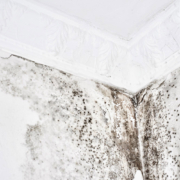
- Avoid using household fans on visible mold or sewage-contaminated water.
- Contact your insurer promptly and keep a record of every conversation.
These measures can make emergency water cleanup in Basalt, Carbondale, Snowmass Village, Glenwood Springs, or Aspen safer and easier to document.
Frequently Asked Questions
How quickly should a flood cleanup company begin drying my home?
Drying should begin as soon as the property is safe and the water source is controlled. The EPA recommends cleaning and drying flooded homes and belongings within 24 to 48 hours when possible, because prolonged moisture increases the likelihood of mold and material damage.
Can I clean up a small water leak myself?
You may be able to handle a small, clean-water spill on a hard surface if you can dry it completely and promptly. Call a professional if water reached carpet, padding, drywall, cabinets, wood flooring, insulation, wall cavities, or if the water source is uncertain.
Does homeowners insurance cover flood cleanup?
Coverage depends on the cause of the loss and your specific policy. Sudden internal water events, such as certain burst pipes or appliance failures, may be covered differently than water entering from outside, which may require separate flood insurance. Report the loss promptly and keep detailed records.
What is the difference between mitigation and restoration?
Mitigation is the emergency work that prevents further damage, such as extraction, drying, cleaning, and removing unsalvageable materials. Restoration is the repair phase that returns the property to its pre-loss condition, which may include drywall, flooring, paint, trim, or cabinetry work.
Can I stay in my home while drying equipment is running?
Sometimes, yes. It depends on the water category, extent of damage, noise, electrical safety, access to essential rooms, and whether contaminated water or mold is present. Ask the project manager for a safety recommendation based on your specific conditions.
Why does a restoration company need moisture readings?
Moisture readings help locate hidden wet materials and confirm that drying is progressing. They also create an objective record that supports decisions about what can be saved, what requires removal, and how the drying work relates to your insurance claim.
Get Local Help for a Flooded Property
When water enters your home or building, a prompt, organized response protects the property and gives you a stronger record for the claim process. Call Helpers Restoration at (970) 927-3600 for 24/7 emergency cleanup in Aspen and the Roaring Fork Valley, or contact our team online to request help.
We serve Aspen, Basalt, Carbondale, Snowmass Village, Glenwood Springs, and nearby communities with emergency water extraction, drying, flood cleanup, and recovery support.
Summary
The best flood cleanup company in Roaring Fork Valley is one that responds safely, identifies the water source, documents the damage, uses measured drying methods, communicates clearly, and serves your location reliably. Those checks help homeowners and property managers make a confident decision during a stressful property emergency.
A Better Recovery Starts With the Right Questions
A flood loss is disruptive, but you do not have to make a rushed decision without a plan. Focus on safety first, document the damage, and choose a provider that can explain the work, verify drying, and support the next steps with clear records.
For water damage Aspen residents and valley property managers face, the right restoration partner brings calm, structure, and professional care to a difficult situation.