Burst Pipe Cleanup Aspen: Protect Your Property From Damage!
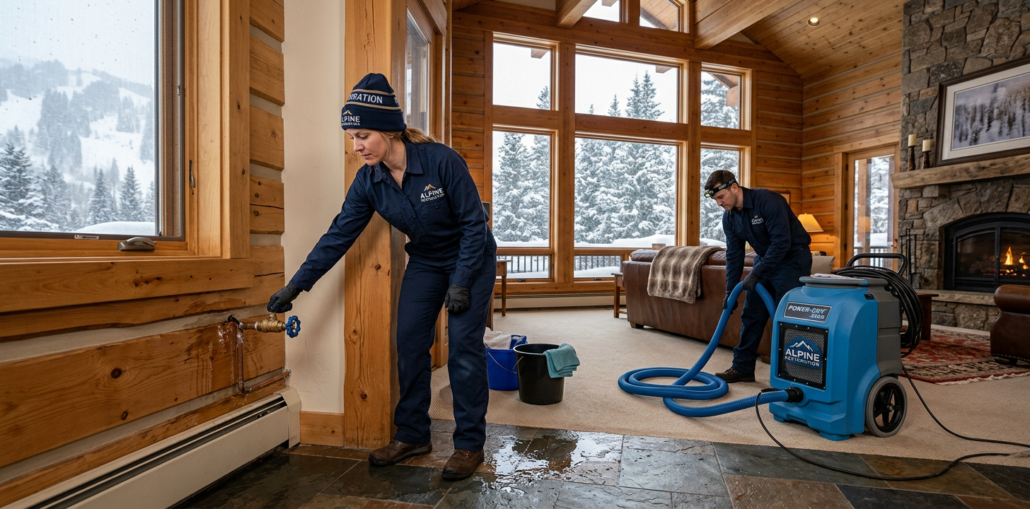
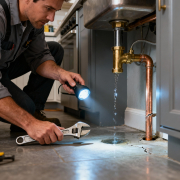
A burst pipe can send water through floors, walls, and belongings far faster than most homeowners expect. For burst pipe cleanup Aspen property owners can rely on, the priority is simple: protect people, stop the water if it is safe, document the loss, and begin thorough drying.
Aspen homes, second homes, condos, and managed properties face added winter plumbing risks. A vacant home can hide a break for hours, while water moves behind baseboards, beneath flooring, and into insulation. A calm, organized response helps limit the damage and supports a smoother insurance claim.
The First Hour After a Pipe Bursts Matters Most
The safest response is to stop the source and prevent electrical or slip hazards before moving possessions or beginning cleanup. Do not enter standing water near outlets, appliances, or a breaker panel.
Follow This Emergency Checklist
- Shut off the main water valve if you can reach it safely.
- Turn off electricity only if you can do so without walking through water or touching wet electrical equipment.
- Move children, pets, and anyone with limited mobility away from the affected area.
- Call a licensed plumber to repair or isolate the failed pipe.
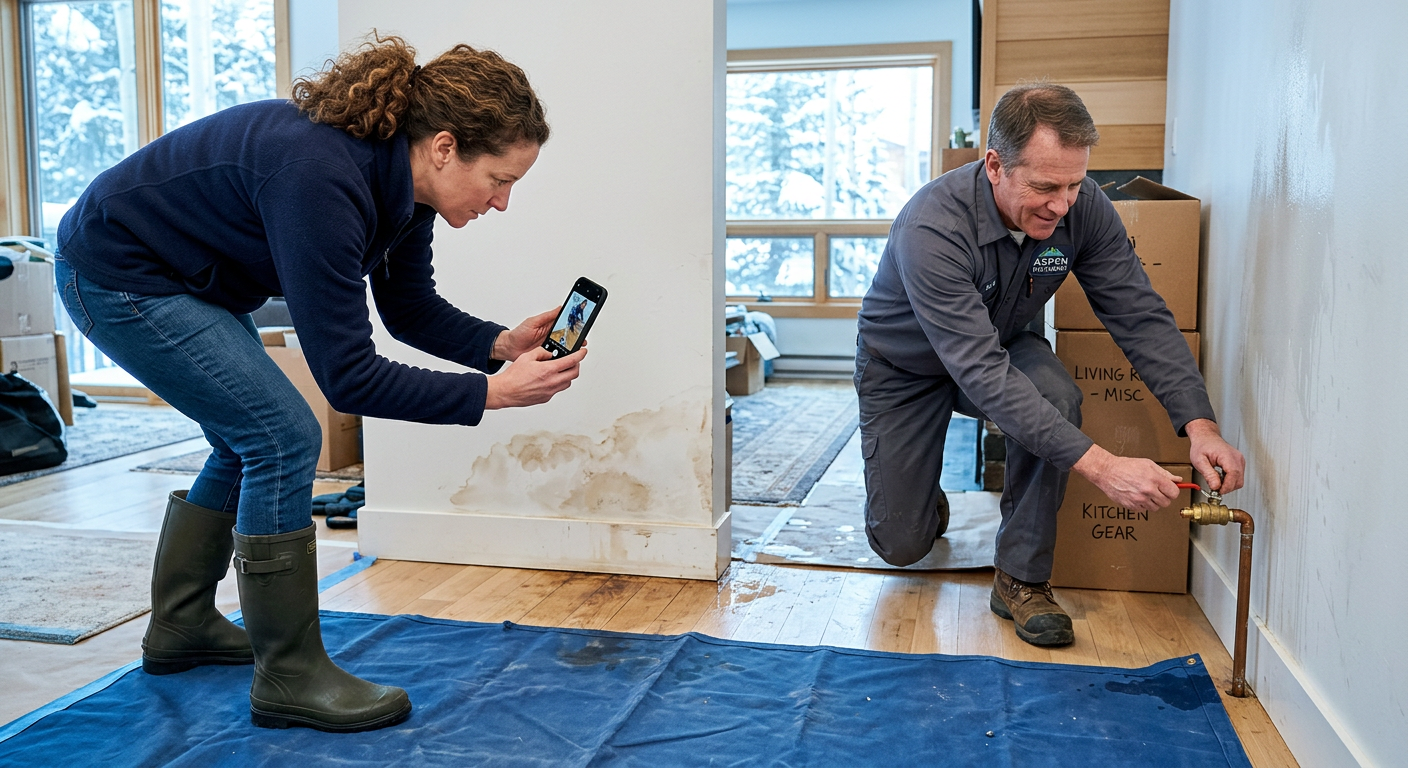
- Take wide and close-up photos of the break, water levels, affected rooms, and damaged belongings.
- Place towels or containers beneath a small active drip only when the area is safe.
- Avoid using a household vacuum to remove water or running central HVAC through wet areas.
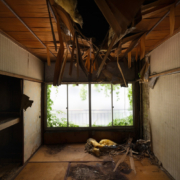
If the pipe is near a ceiling, keep clear of sagging drywall. Wet ceiling materials can become heavy and unstable. Property managers should also notify occupants, document the time the loss was discovered, and preserve invoices for emergency plumbing work.
Why Thorough Drying Is More Important Than a Dry-Looking Floor
Visible water is only part of the problem. Moisture can travel into subfloors, drywall, cabinets, framing, and insulation even after the surface looks dry.
The U.S. Environmental Protection Agency reports that the average household’s leaks can waste more than 9,300 gallons of water each year, a reminder that even smaller plumbing failures can have meaningful consequences when they go unnoticed. EPA WaterSense also advises homeowners to watch for unusual water use and investigate changes quickly.
For an Aspen burst pipe, proper drying typically includes:
- Moisture readings in walls, floors, and cabinetry
- Water extraction from affected materials
- Controlled air movement and dehumidification
- Daily monitoring to confirm moisture levels are falling
- Removal of materials that cannot be safely dried or cleaned
FEMA advises that if a flooded home and belongings cannot be dried within 24 to 48 hours, homeowners should assume mold growth may be present. FEMA’s homeowner mold guide explains why complete drying and moisture control are essential after water exposure.
Aspen Properties Need a Plan for Hidden Water Damage
Mountain homes can be especially vulnerable because many are vacant part of the year, have complex plumbing layouts, or contain high-value finishes that require careful handling. Water damage Aspen homeowners discover after a freeze can be more extensive than the visible puddle suggests.
Vacation Homes and Seasonal Residences
A burst pipe in an unoccupied home may run until a caretaker, neighbor, or monitoring system notices it. If you manage a seasonal residence, keep the main shutoff valve clearly marked, maintain reasonable indoor heat, and use leak detection devices that can alert you when water is present.
Condos, Multi-Family Buildings, and Rentals
Water does not respect unit boundaries. A break in one condo can affect shared ceilings, hallways, neighboring units, and building systems. Property managers should coordinate early with the association, plumber, insurer, and restoration provider so the source, scope, and responsibilities are clearly documented.
Finished Basements and Wood Interiors
Aspen properties often include wood floors, custom cabinetry, stone, and finished lower levels. These materials need different drying decisions. Fast extraction helps, but verification with moisture equipment is what prevents trapped water from becoming a larger repair issue later.
What Professional Burst Pipe Cleanup Includes
Professional restoration is not simply removing water. It is a documented process that identifies where moisture traveled, dries the structure to appropriate targets, and prepares the property for repair.
A local team such as Helpers Restoration can coordinate emergency extraction, structural drying, moisture monitoring, and insurance documentation for homes and managed properties across Aspen and the Roaring Fork Valley. If a water loss creates a mold concern, review the company’s mold damage services for the next steps after drying.
Assessment and Moisture Mapping
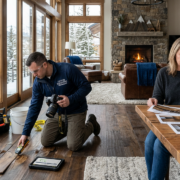
Technicians inspect the visible loss and test surrounding materials. This can reveal water behind walls, under flooring, and inside cabinets that may otherwise be missed.
Extraction and Controlled Drying
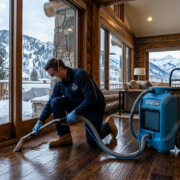
Extraction equipment removes as much water as possible before air movers and dehumidifiers are set. The goal is controlled evaporation and humidity reduction, not simply placing fans in a room and hoping it dries.
Documentation for Insurance
Photos, moisture logs, equipment records, and a clear inventory of affected materials help establish what happened and what mitigation was necessary. Save your plumbing invoice, emergency receipts, and correspondence with your carrier.
Repairs After Drying Is Confirmed
Cosmetic repairs should follow, not replace, the drying process. Repainting, reinstalling flooring, or closing walls too early can trap moisture and create costly repeat work.
Insurance Questions to Ask After a Burst Pipe
Coverage depends on the policy language, cause of loss, maintenance history, deductible, and other details. Sudden accidental pipe failures are often handled differently from long-term leaks or maintenance-related problems.
Ask your insurer these questions early:
- Is emergency mitigation covered under my policy?
- What deductible applies to this loss?
- Do you need photos before cleanup begins?
- Is the failed pipe itself covered, or only resulting property damage?
- What documentation should I provide for personal property?
- Is temporary housing available if the home is unsafe or unusable?
Do not wait for an adjuster before taking reasonable steps to prevent additional damage. Document the situation carefully, keep damaged items when practical, and retain all receipts. For more homeowner-specific answers, visit the verified water damage FAQ page.
Prevention Steps for Aspen Winters
Prevention cannot eliminate every plumbing failure, but a few habits can reduce the chance of frozen lines and make a leak easier to catch early. This is particularly important for homes that sit vacant during cold weather.
Keep Indoor Temperatures Consistent
Maintain heat in all areas served by plumbing, including utility rooms, crawl spaces, and lower levels. Avoid turning a vacant home’s thermostat down so far that vulnerable pipes are exposed to freezing conditions.
Insulate Vulnerable Pipe Runs
Pipes near exterior walls, garages, crawl spaces, and unheated rooms deserve attention. A qualified plumber can identify weak spots and recommend appropriate insulation or rerouting.
Know Your Shutoff Locations
Every adult occupant, caretaker, and property manager should know where the main water shutoff is located and how to use it. Label the valve clearly and make sure it remains accessible.
Check the Property Before and After Cold Spells
Look for cold rooms, dripping fixtures, reduced water pressure, unusual sounds in walls, or unexpected water use. These signs may point to a developing problem before a pipe fully breaks.
Frequently Asked Questions
Can I clean up a burst pipe with towels and fans?
Towels can help remove small amounts of surface water, but they cannot confirm that flooring, walls, or insulation are dry. If water reached multiple rooms, entered wall cavities, or soaked finished materials, professional moisture testing is the safer approach.
How long does burst pipe drying take in Aspen?
Many drying projects take several days, but the timeline depends on the amount of water, affected materials, indoor conditions, and how quickly extraction began. Repairs can take longer if drywall, flooring, cabinetry, or insulation must be replaced.
Should I call a plumber or restoration company first?
Call a plumber first if the pipe is actively leaking and the water source has not been stopped. Once the leak is controlled, a restoration team can assess water migration, extract water, and manage structural drying.
Does a burst pipe always cause mold?
No, but mold risk increases when moisture remains in materials. Rapid extraction, controlled drying, and verified moisture readings reduce that risk substantially.
Can I stay in my home during cleanup?
It depends on electrical safety, water contamination, structural conditions, and how much of the home is affected. A small clean-water loss may allow occupancy in unaffected areas, while widespread damage may require temporary relocation.
What if the water came from a sewage backup instead of a clean pipe break?
Keep people and pets away from the affected area because contaminated water requires different safety procedures. Arrange professional help and review the company’s sewage backup cleanup services before attempting cleanup.
Get Help With Emergency Water Cleanup in Aspen
When a pipe breaks, we can help you move from emergency response to a clear restoration plan. Call Helpers Restoration at (970) 927-3600 for 24/7 emergency cleanup in Aspen, or use the Helpers Restoration contact page to request service for your home or managed property.
We serve Aspen, Snowmass Village, Basalt, Carbondale, Glenwood Springs, and the wider Roaring Fork Valley. You can also review our full range of emergency restoration services before deciding what your property needs.
Summary
Burst pipe cleanup is most effective when safety, water shutoff, documentation, extraction, and verified drying happen in the right order. Surface cleanup alone can leave moisture behind in building materials, which is why moisture testing and controlled drying matter.
A burst pipe is disruptive, but it does not have to become a long-term property problem. Protect the area, save your documentation, address hidden moisture, and complete repairs only after the structure is confirmed dry.