Burst Pipe Water Damage Snowmass Village: Safe First Actions
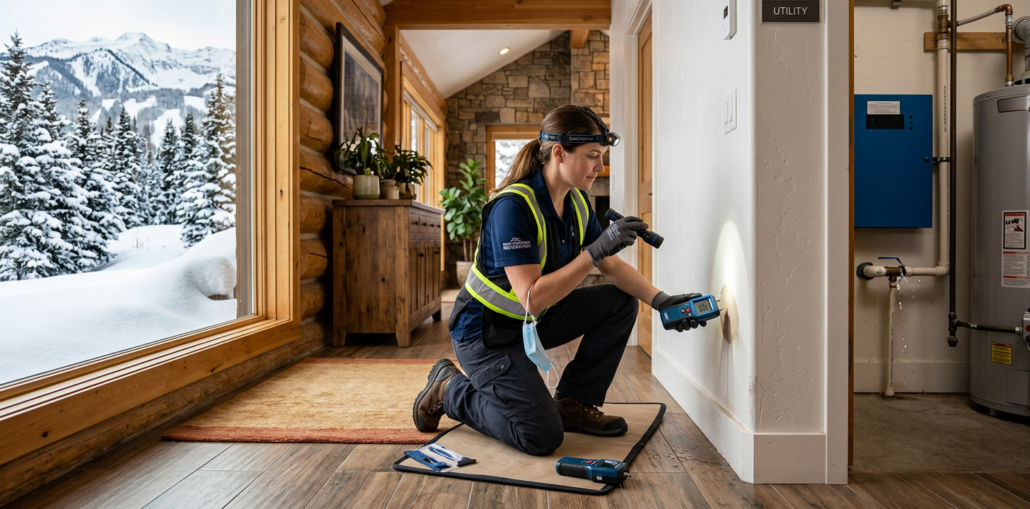
A quiet morning can change fast when water begins running from a ceiling, spreading beneath flooring, or pooling around a mechanical room. For Snowmass Village homeowners, condominium associations, and property managers, the safest response is to stop the flow if possible, protect people from electrical hazards, and begin professional drying before moisture moves farther into the building.
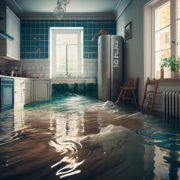
Burst pipe water damage Snowmass Village properties experience can be far more extensive than the visible puddle. Water may move behind baseboards, into insulation, under wood flooring, and through ceilings to lower levels. Quick, organized action protects the structure, supports an insurance claim, and reduces the risk of lingering odors or mold.
The First Hour Matters Most After a Pipe Bursts
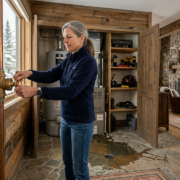
The first hour should focus on safety, stopping active water, and preserving evidence of the loss. Do not rush into a flooded space if water is near outlets, electrical panels, appliances, or damaged ceilings.
Take these safe steps first
- Shut off the water supply if you can reach the local valve or main shutoff safely. If the line is frozen, do not use an open flame or improvised heating method.
- Avoid electrical hazards. Leave the area and contact an electrician or emergency professional if water is close to electrical equipment or if you see sagging ceilings.
- Move dry valuables. Relocate documents, artwork, electronics, and small furnishings from the affected area when it is safe to do so.
- Take clear photos and video. Capture the failed pipe, the water path, wet materials, and damaged belongings before major cleanup begins.
- Call a qualified plumber and a restoration team. The plumber stops the plumbing failure. The restoration team removes water, checks hidden moisture, and manages the drying process.
A household mop, shop vacuum, or fan can help with a very small, clean-water spill after the source is stopped. They are not a substitute for moisture evaluation when water has reached walls, flooring, cabinetry, insulation, or a lower level.
Why Hidden Moisture Creates the Bigger Problem
Visible water is only one part of the loss. A professional assessment identifies where water traveled and which materials can be dried rather than replaced.
The U.S. Environmental Protection Agency advises drying water-damaged areas and belongings within 24 to 48 hours to help prevent mold growth. That window is especially important in Snowmass Village, where vacant ski homes, closed-off rooms, and dense finish materials can conceal dampness. Read the EPA’s mold and moisture guidance for more detail.
Areas we inspect after a broken pipe
- Baseboards, drywall, and insulation behind the leak
- Hardwood, engineered wood, carpet, and padding
- Cabinet interiors and toe kicks in kitchens or bathrooms
- Subfloors beneath tile, luxury vinyl, or carpet
- Ceiling cavities below an upstairs bathroom or mechanical space
- Crawlspaces, utility rooms, and adjacent rooms
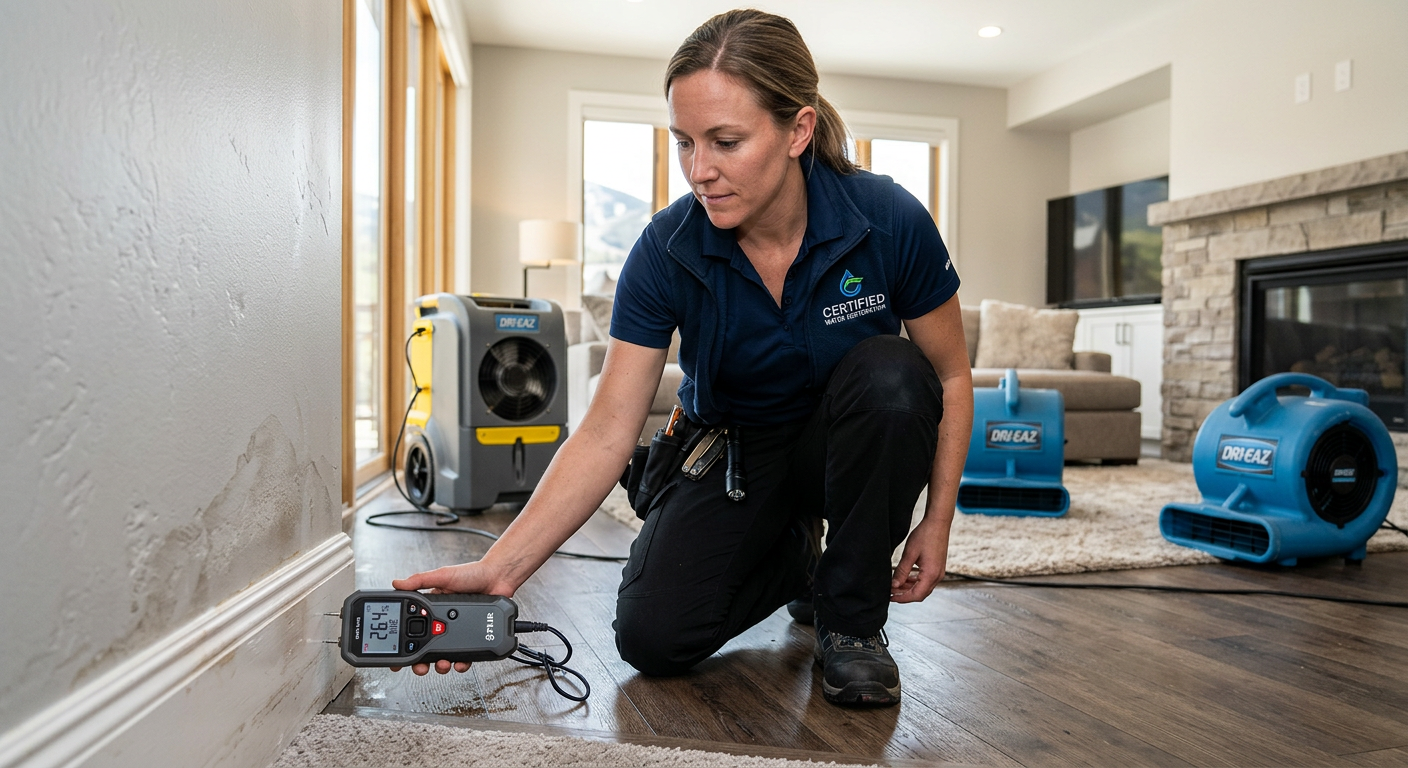
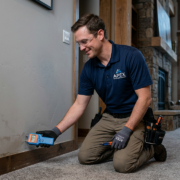
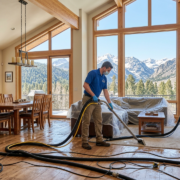
We use extraction equipment, moisture meters, air movers, and dehumidifiers to dry the building assembly, not merely the surface. For a broader look at the process, review our water damage restoration services. If the loss has affected drywall, flooring, or indoor air quality, our mold damage restoration information explains what comes next when moisture lingers.
Burst Pipe Water Damage Snowmass Village: The Day Five Checkpoint
By day five, a well-managed drying job should have clear documentation, measured progress, and a decision about repairs. This checkpoint matters because a room can look dry while framing, subflooring, or insulation remains damp.
What property owners should expect by day five
A restoration team should have recorded initial conditions, placed equipment based on the materials affected, and revisited the site for updated moisture readings. In many residential losses, active drying takes several days, but the actual timeline depends on the amount of water, the building materials, temperature, and whether water entered enclosed cavities.
At this stage, we help identify practical next steps:
- Materials that have reached acceptable drying goals
- Materials that cannot be safely or effectively dried
- Repairs needed after equipment removal
- Photos, readings, and itemized notes that support the claim
- Any signs that mold assessment or specialty cleaning is appropriate
This measured approach is important for second homes, vacation rentals, and managed properties. A quick visual check is not enough when a pipe break occurred during an unoccupied period and water may have run for hours.
Clean Water, Gray Water, and Contaminated Water Need Different Care
The source of the water determines how the cleanup should be handled. A supply-line break may begin as clean water, while a drain backup, toilet overflow, or sewage intrusion requires stricter containment and sanitation.
When water is not safe to handle
Stay out of water that may contain sewage, waste, chemicals, or debris from a drain line. Do not attempt to save porous materials such as carpet padding, insulation, or upholstered items until a trained team has evaluated the contamination level.
For a backup or overflow tied to wastewater, see our sewage cleanup service. Prompt containment protects occupants and prevents contamination from being spread into unaffected rooms.
Protecting Your Insurance Claim Without Delaying Cleanup
Most policies depend on the cause of loss and the details of the coverage, but documentation helps make the process clearer. You do not need to wait for every insurance question to be answered before taking reasonable steps to stop further damage.
Keep a simple record of the date and time you found the problem, who you called, photos of the affected areas, and receipts for emergency expenses. Avoid discarding damaged items until your insurer has advised you or the items have been documented thoroughly.
Helpers Restoration provides emergency water cleanup, moisture documentation, and restoration support for Snowmass Village and across the Roaring Fork Valley. We also assist property owners and managers with organized information for their insurance carrier, helping reduce confusion after a stressful loss.
Reduce the Chance of Another Frozen or Burst Pipe
Prevention will not eliminate every plumbing failure, but a few habits can lower risk during cold periods and vacant-property stays. Mountain homes need a plan that accounts for winter weather, travel schedules, and areas that receive less heat.
Practical prevention for Snowmass Village properties
- Keep interior heat consistent, including during vacancy periods.
- Insulate exposed plumbing in crawlspaces, garages, exterior walls, and utility rooms.
- Open cabinet doors near plumbing during severe cold so warm air can circulate.
- Know the location of the main water shutoff and label it clearly.
- Ask a trusted local contact to inspect vacant homes during extended cold spells.
- Consider monitored leak detection devices for mechanical rooms, kitchens, and bathrooms.
- Drain and winterize seasonal plumbing according to a licensed plumber’s recommendations.
These steps also help owners in Aspen, Basalt, Carbondale, and Glenwood Springs, where temperature swings and seasonal occupancy can create similar risks across the Roaring Fork Valley.
Quick Summary
A burst pipe requires more than removing standing water. The priorities are to stop the source safely, document the damage, remove moisture from hidden areas, and verify that the building is dry before repairs begin.
The 24-to-48-hour drying window is important, but day five is also a key checkpoint. By then, owners and managers should have a clear record of drying progress, salvage decisions, and the repair path ahead.
Common Questions About Burst Pipe Damage
Should we call a plumber or a water restoration company first?
Call both when possible. A plumber repairs or isolates the broken line, while a restoration company addresses the water already inside the property and evaluates hidden moisture.
Can we stay in the home while drying equipment is running?
Often, yes, if the affected area is safe and can be separated from living spaces. Larger losses, ceiling instability, electrical concerns, or extensive demolition may make temporary relocation the safer choice.
Will hardwood floors need to be replaced after a pipe break?
Not always. Some wood flooring can be dried and stabilized when mitigation begins quickly, but cupping, buckling, finish damage, and moisture below the floor may affect the final decision.
How long does professional drying take?
Many residential projects need several days of active drying and monitoring. The timeline can be longer when water reached insulation, multiple levels, dense flooring, or enclosed structural areas.
What if the pipe burst while our Snowmass Village home was vacant?
Document everything as soon as you discover it, stop the water if safe, and arrange an inspection. Vacant-home losses need careful moisture mapping because water may have traveled farther than expected before discovery.
Can a burst pipe lead to mold even after the floor looks dry?
Yes. Mold risk can remain if moisture is trapped behind walls, under flooring, or in insulation. Verification with moisture readings is more reliable than appearance alone.
Get Calm, Local Help for a Burst Pipe
If water is spreading through your Snowmass Village home, condo, rental, or commercial property, call Helpers Restoration at (970) 927-3600 for 24/7 emergency cleanup. Visit Helpers Restoration to request help and learn how our local team supports water removal, structural drying, repairs, and insurance documentation.
A Dry, Documented Recovery Protects Your Property
A burst pipe is disruptive, but the recovery does not have to feel chaotic. Safe action in the first hour, professional moisture control, and documented drying give Snowmass Village property owners the strongest path toward a clean, stable repair.
For homes and managed properties throughout the Roaring Fork Valley, the goal is simple: address the water fully, confirm the structure is dry, and rebuild with confidence.