Drying and Dehumidification Process After Water Damage in Aspen
A water loss can look manageable once the puddles are gone, but the moisture left inside floors, walls, insulation, and cabinetry is often the part that causes lasting trouble. For Aspen homeowners and property managers, understanding the drying and dehumidification process can make it easier to protect the property, plan repairs, and communicate clearly with an insurance carrier.
We approach drying as a measured recovery process, not a matter of placing a few fans in a damp room. After a burst pipe, appliance leak, roof intrusion, or snowmelt event, water can travel well beyond the visible area. Proper water damage restoration focuses on removing water, controlling humidity, checking hidden materials, and verifying that the structure is ready for repairs.
What the Drying and Dehumidification Process Actually Does
The goal is to move moisture out of building materials and out of the indoor air, then confirm the affected area has returned to an appropriate dry condition. Surface dryness alone is not a reliable sign that a wall, subfloor, or cabinet base is dry inside.
The U.S. Environmental Protection Agency advises drying water-damaged areas and belongings within 24 to 48 hours to help reduce the risk of mold growth. Its guidance also identifies extraction, dehumidification, and air movement as key steps for drying affected materials. Read the EPA’s water damage cleanup guidance.
A professional drying plan usually includes four connected actions:
- Water extraction removes standing water and as much trapped moisture as possible.
- Air movement helps moisture evaporate from wet surfaces and materials.
- Dehumidification captures that water vapor so humid indoor air does not slow the process.
- Moisture monitoring confirms progress below the surface, not just what looks dry.
Why Extraction Comes Before Drying Equipment
Removing bulk water first is the fastest way to improve drying conditions. A wet carpet pad, soaked drywall edge, saturated insulation, or water beneath flooring can keep releasing moisture for days after the visible water disappears.
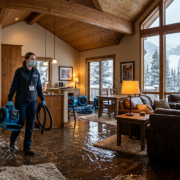
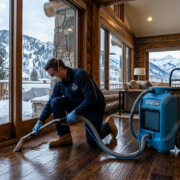
We start by identifying the source, stopping additional water intrusion when possible, and assessing how far the water migrated. Extraction equipment removes water from hard surfaces, carpets, padding, and other affected areas. If materials cannot be dried safely or have been damaged by contaminated water, selective removal may be necessary before drying begins.
This is particularly important after emergency water cleanup in Aspen, where seasonal cold, tightly built homes, and vacant properties can make it harder for moisture to escape naturally. In larger losses, we also protect unaffected rooms from humidity and debris while the damaged area is stabilized.
How Air Movers and Dehumidifiers Work Together
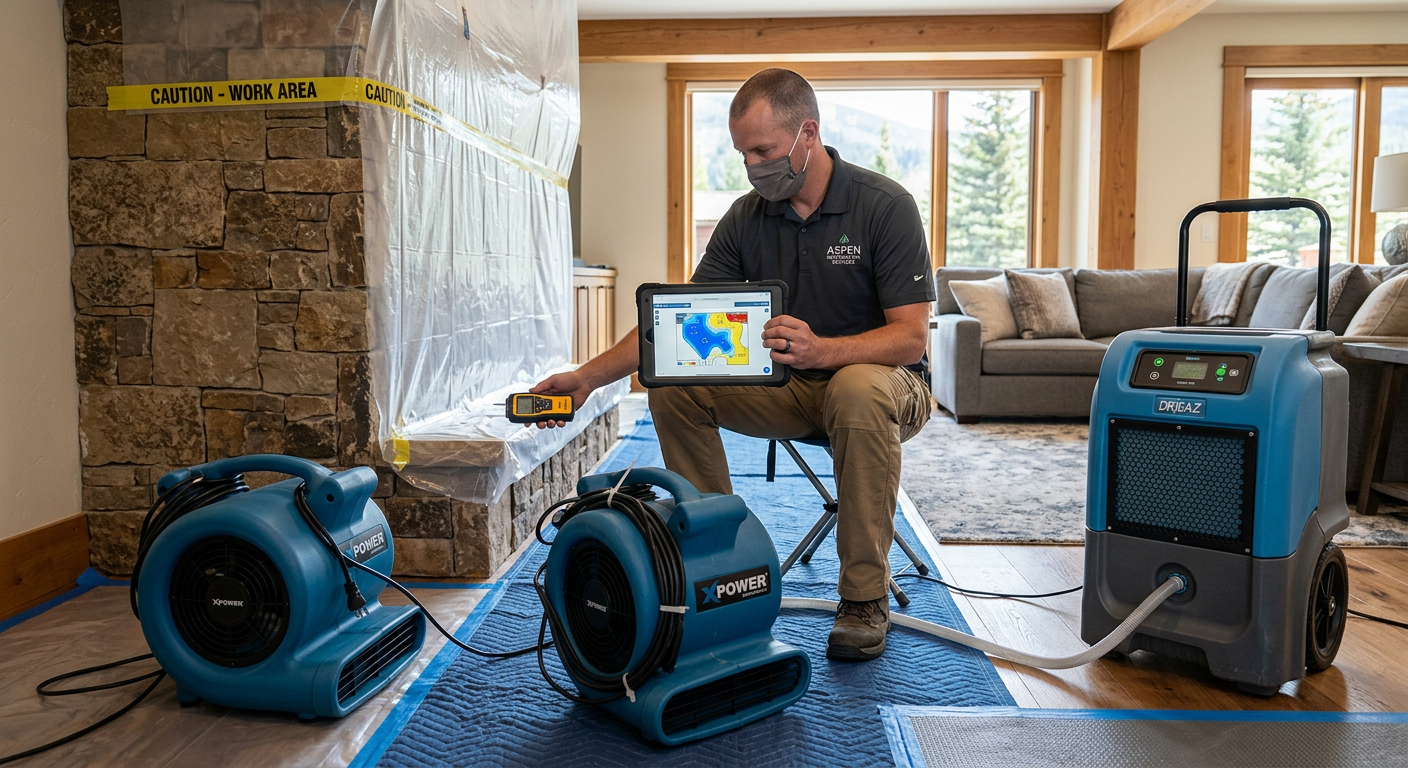
Air movers and dehumidifiers serve different jobs, and using only one can slow the drying process. Air movers encourage evaporation, while dehumidifiers remove the added moisture from the air.
Air Movers Promote Evaporation
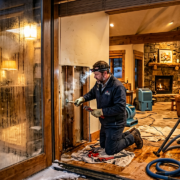
Air movers direct controlled airflow across wet surfaces such as flooring, drywall, framing, and cabinets. This helps water inside the material change into vapor. Equipment placement matters because excessive or poorly directed airflow can be ineffective, disturb contaminants, or create uneven drying.
Dehumidifiers Remove Water Vapor
As moisture evaporates, indoor humidity rises. If that humid air remains in the space, materials may stop releasing moisture efficiently. Commercial dehumidifiers pull water vapor from the air and collect or drain it away, maintaining conditions that support continued drying.
For homes in Aspen, Snowmass Village, Basalt, Carbondale, Glenwood Springs, and throughout the Roaring Fork Valley, outdoor weather is not a dependable drying solution. Cold air, changing temperatures, and closed-up homes can all affect indoor humidity. Controlled equipment gives us a more consistent way to manage the environment.
Temperature Helps, but It Is Not the Only Answer
Moderate temperature control can support evaporation, but heat without dehumidification can simply move moisture deeper into the air and surrounding materials. We balance temperature, airflow, and humidity rather than relying on heat alone.
Moisture Testing Prevents Hidden Water Damage
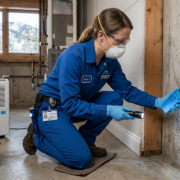
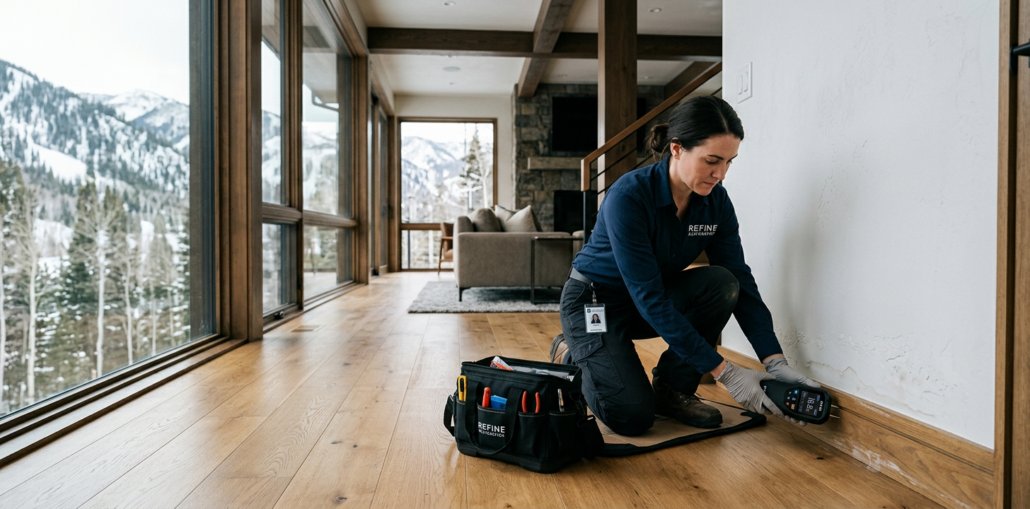
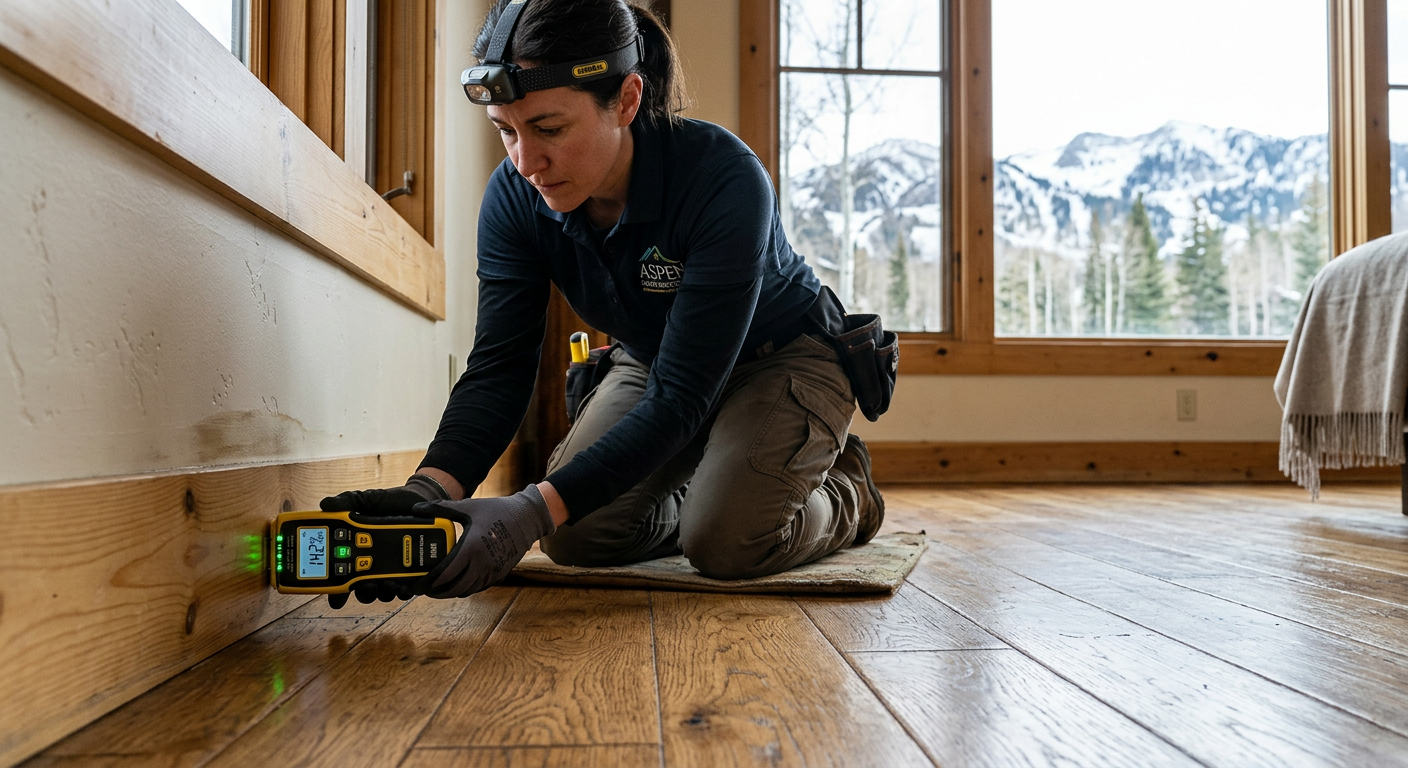
Moisture readings guide the drying plan and help determine when reconstruction can begin. We use meters and other detection tools to compare affected materials with dry, unaffected areas of the property.
A floor may feel dry underfoot while moisture remains beneath it. Drywall can look normal while insulation or framing behind it is still wet. Those hidden conditions can lead to swelling, cupping, odors, loose finishes, and mold concerns if repairs begin too early.
For a detailed look at emergency extraction, structural drying, and restoration planning, review our water damage restoration services. We document conditions and drying progress so homeowners, property managers, and insurers have a clearer record of the work performed.
Why Day Seven Can Be a Critical Checkpoint
The seventh day after a water loss is often a useful checkpoint, not a universal deadline. Smaller clean-water losses may reach drying goals sooner, while wet insulation, dense flooring assemblies, basement finishes, and water trapped behind cabinetry can require more time.
By this stage, the key question is not, “Has the room felt dry for a few days?” It is, “Do the moisture readings show that the affected materials have reached an acceptable drying target?” This distinction matters because rebuilding over damp framing, subfloors, or wall cavities can trap the problem behind new finishes.
We use repeat readings to identify stalled drying. If readings are not improving as expected, the plan may need adjustment through additional extraction, better airflow, stronger dehumidification, or limited removal of materials that are preventing access to hidden moisture. This measured approach helps avoid reopening a completed repair later.
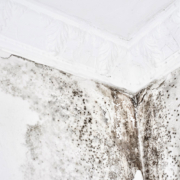
If moisture has contributed to staining, musty odors, or visible growth, our mold damage services can help determine the appropriate next steps. For a property in Basalt with a flood or plumbing loss, our Basalt water damage response team can also provide local support.
What Homeowners Can Safely Do While Help Is on the Way
Your first priority is personal safety. If water is near electrical outlets, appliances, or the electrical panel, avoid entering the affected area until it is safe to do so. Never use household fans on water that may contain sewage, floodwater, or other contaminants.
If conditions are safe, these early steps can help:
- Shut off the water supply if a plumbing leak is active.
- Take photos and video of affected rooms and belongings for insurance records.
- Move dry valuables away from the affected area.
- Lift drapes, rugs, and small furniture from wet flooring when it can be done safely.
- Avoid walking through contaminated water or attempting major demolition without professional guidance.
- Keep receipts for reasonable emergency expenses and contact your insurer promptly.
For a sewage backup or questionable water source, professional containment and cleaning are especially important. Learn more about sewage backup cleanup services before attempting to dry or clean the area yourself.
Get Measured Drying Help for Your Aspen Property
When water enters your home or rental property, fast action and careful follow-through both matter. Helpers Restoration provides 24/7 emergency cleanup, extraction, drying, dehumidification, moisture documentation, and insurance support across Aspen and the Roaring Fork Valley.
Call (970) 927-3600 for 24/7 emergency cleanup in Aspen, or contact Helpers Restoration to request help. You can also review our Aspen water damage service options for local restoration support.
Frequently Asked Questions
How long does the drying and dehumidification process take?
Most standard water losses take several days to dry, but the timeline depends on the amount of water, affected materials, indoor conditions, and how long moisture was present. Dense materials, insulation, flooring layers, and hidden wall cavities can extend the timeline.
Can I use a household dehumidifier after a small leak?
A household dehumidifier can help with minor humidity issues, but it may not have enough capacity for structural drying after a significant leak. If water reached drywall, flooring, cabinetry, or insulation, moisture testing is the best way to determine whether more drying is needed.
Why does my house still smell musty after the water is gone?
A musty odor can indicate lingering moisture, wet porous materials, or possible microbial growth. The source should be located and addressed rather than covered with fragrance or air fresheners.
Does insurance cover drying and dehumidification?
Many policies may cover mitigation for sudden and accidental water damage, but coverage depends on the cause of loss and the terms of the policy. Documenting the damage, reporting it promptly, and retaining records of emergency work can help support the claim process.
Can wet drywall be saved?
Sometimes. Drywall may be dried in place when the water is clean, the material has not swollen or deteriorated, and moisture readings show it is responding to drying. Damaged, contaminated, or persistently wet drywall may need removal.
Is it safe to sleep in a home while drying equipment is running?
It can be safe in some situations, but the answer depends on the water source, extent of damage, electrical safety, noise, access routes, and whether mold or contamination is present. We can help assess whether the affected space should remain occupied during restoration.
Summary
The drying and dehumidification process protects more than the visible surfaces in your home. It removes hidden moisture through extraction, controlled airflow, humidity management, and repeated testing so repairs can begin with greater confidence.
For water damage Aspen homeowners and property managers cannot afford to overlook, a documented drying plan helps reduce the risk of secondary damage, mold concerns, and avoidable reconstruction delays. The safest path is to address the source, dry the structure thoroughly, and verify the results before closing walls or replacing finishes.
A Dry Home Is a Verified Home
Water damage recovery is not complete when the floor looks dry. It is complete when the underlying materials have been evaluated, moisture has been controlled, and the space is ready for the next phase of restoration.
By acting promptly and relying on measured drying rather than guesswork, we can help protect Aspen-area homes and properties from the long-term effects of trapped moisture.