Flood Cleanup Carbondale CO: A Safe Recovery Plan for Properties
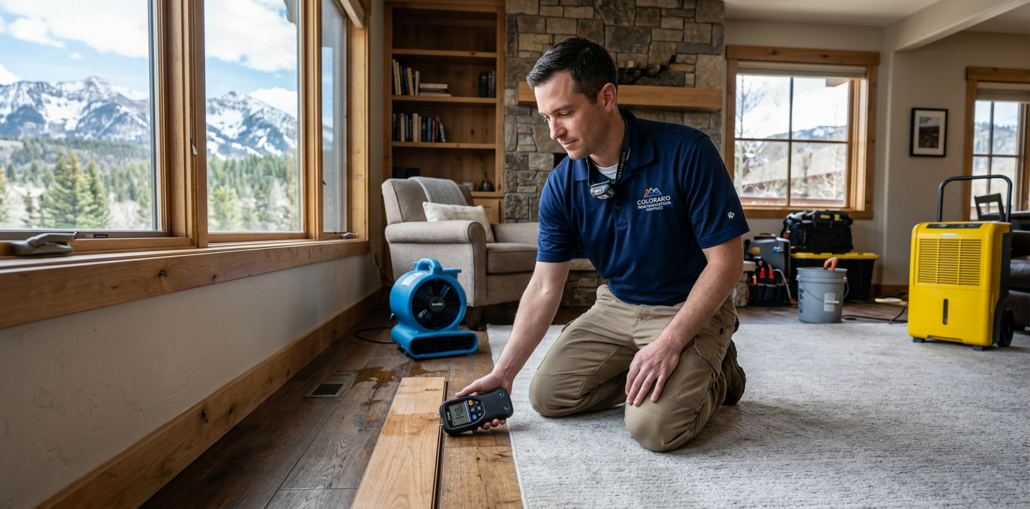
A flooded room can feel overwhelming, especially when water reaches flooring, drywall, furniture, or an occupied rental unit. The best first step is to protect people from electrical and contamination hazards, then focus on stopping the source and documenting what happened.
For homeowners and property managers, flood cleanup Carbondale CO is more than removing visible water. Effective recovery includes extraction, moisture inspection, controlled drying, cleaning, and a clear repair plan that addresses moisture hidden beneath floors and behind walls.
What Flood Cleanup Carbondale CO Involves
A professional flood recovery plan follows a sequence. Skipping steps, particularly moisture detection and drying verification, can leave a property vulnerable to odors, material damage, and mold issues later.
| Recovery Stage | Main Purpose | What Property Owners Can Do |
|---|---|---|
| Safety check | Avoid electrical and health hazards | Keep people out of unsafe areas |
| Water extraction | Limit saturation | Move valuables if it is safe |
| Moisture inspection | Find hidden water | Share the source and timeline |
| Structural drying | Protect materials | Keep equipment running as directed |
| Cleaning and repairs | Restore safe use | Save photos and receipts |
The U.S. Environmental Protection Agency advises drying water-damaged areas and belongings within 24 to 48 hours to help prevent mold growth. That window is a useful benchmark, but floodwater, sewage, and extensive saturation require a more careful response because contamination can change the cleanup approach. Read the guidance from the U.S. Environmental Protection Agency for practical moisture and mold prevention information.
Safety Comes Before Cleanup
Do not walk into standing water if outlets, power cords, appliances, or the electrical panel may be affected. Avoid rooms with sagging ceilings, and keep children, pets, and anyone with respiratory concerns away from contaminated water or visible mold.
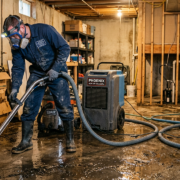
Outside floodwater and sewage backups may contain contaminants. In those situations, do not use household fans to spread air through the area, and do not attempt to save porous materials without professional guidance. Our sewage backup cleanup service is designed for the sanitation and containment needs that come with dirty-water losses.
Stop the Source If It Is Safe
If a burst supply line, appliance hose, or plumbing fixture is causing the problem, shut off the local valve or the main water supply only when it is safe to do so. If runoff or exterior water is entering the building, stay clear of fast-moving water and focus on protecting people and documenting the damage.
Small actions can help limit loss. Move dry belongings away from the affected area, place aluminum foil or wood blocks under furniture legs when practical, and remove loose rugs from clean-water areas. Do not use a standard household vacuum to remove water.
Why Hidden Moisture Changes the Recovery Plan
Here is the challenge with water damage, surfaces may look dry while subflooring, insulation, cabinetry, and wall cavities still hold moisture. If repairs begin before materials are properly dried, trapped water can lead to swelling, warping, musty odors, and future repairs.
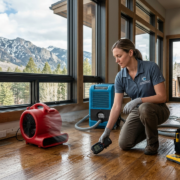
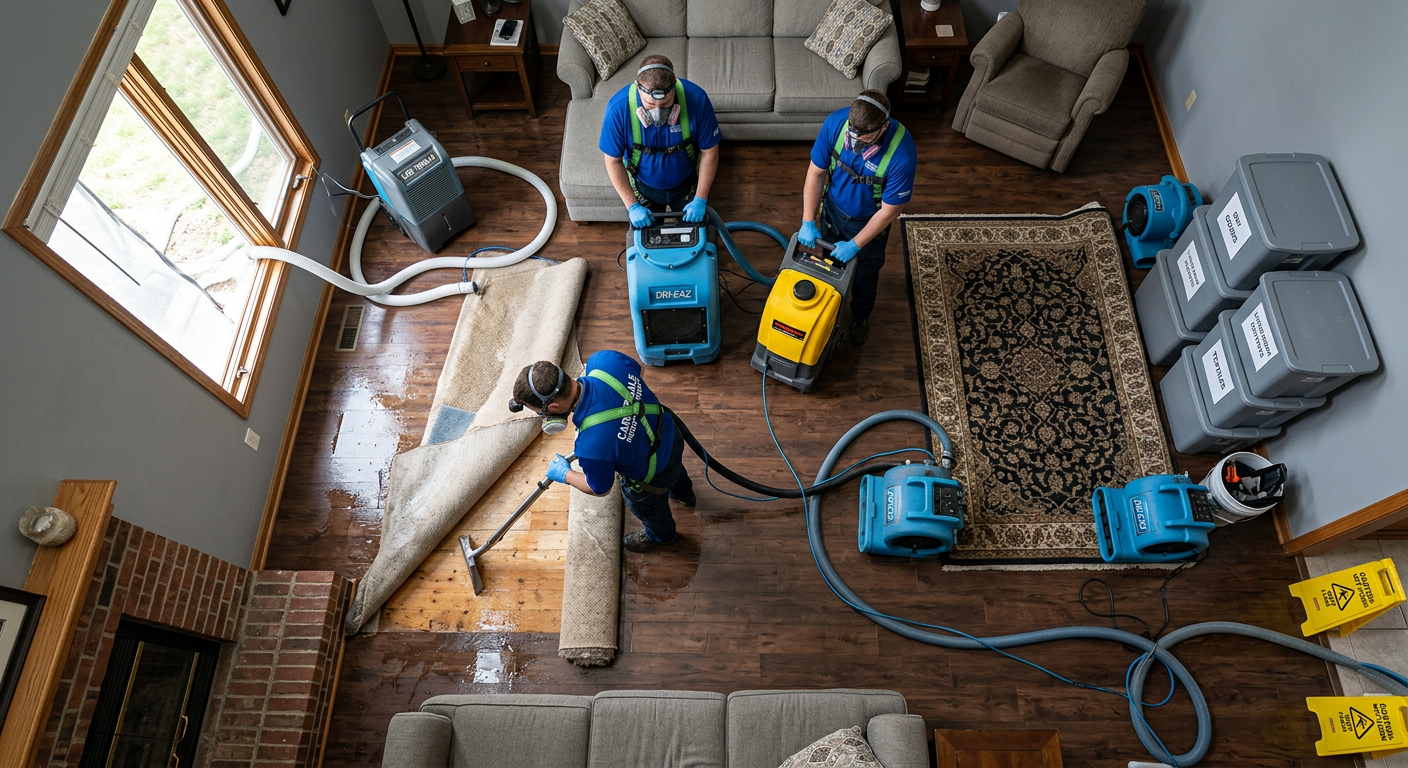
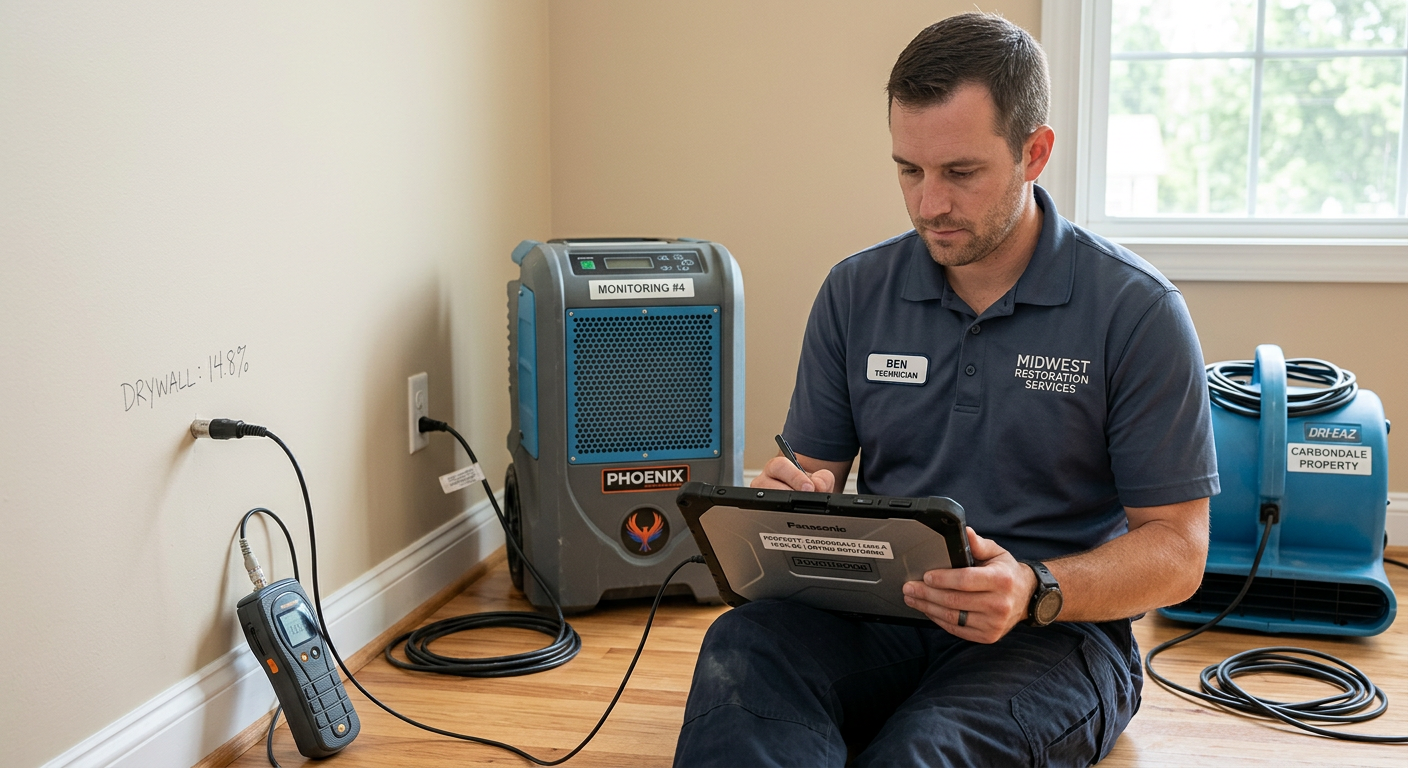
Professional restoration teams use moisture meters and other detection tools to map the affected area. Then they place extraction equipment, air movers, and dehumidifiers based on the materials and the extent of saturation, not simply where water is most visible.
Clean Water, Gray Water, and Contaminated Water
The source matters. Water from a broken supply line is often treated differently from water that has contacted a drain, toilet, sewer line, or outdoor flooding. As the contamination risk rises, the need for protective equipment, removal of porous materials, and detailed cleaning rises too.
Be direct about what happened when you report the loss. Share whether the water came from a pipe, washing machine, roof leak, basement seepage, toilet overflow, or storm runoff. That information helps determine the safest plan for water damage cleanup and repairs.
Drying Is a Measured Process
Fans alone do not guarantee that a structure is dry. Drying and dehumidification work together to remove moisture from materials and lower indoor humidity, while ongoing readings show whether the plan is working.
The EPA notes that moisture control is the key to mold control. If materials remained wet longer than the recommended 24 to 48 hour window, a more detailed inspection may be necessary. For signs such as a persistent musty smell, visible growth, or staining that returns after drying, review our mold damage recovery options.
What We Recommend During the First Day
The first day after a flood is about safety, mitigation, and documentation. You do not need to make every repair decision at once, but the actions below can make recovery more manageable.
Document the Damage Thoroughly
Take photos and video of every affected room, damaged personal property, the water source if visible, and any temporary protective measures you take. Make a simple list of damaged items, save receipts, and report the loss to your insurer according to your policy requirements.
Do not throw away damaged materials until your insurer has advised you, unless they create a health or safety risk. If emergency removal is needed, photograph the materials first and keep any available records from the restoration team.
Protect Your Property Without Creating New Risks
Open windows only when outside conditions are dry enough and doing so will not create a security issue. Avoid lifting saturated carpet, removing soaked drywall, or moving heavy furniture without help, especially if contaminated water may be involved.
Property managers should notify occupants about restricted spaces, update owners or associations, and keep a written timeline of communication. This record can be especially valuable when multiple units, tenants, or common areas are affected.
Get an Assessment Before Repairs Begin
Before new flooring, drywall, or trim is installed, make sure moisture conditions have been addressed. A professional assessment helps separate materials that can be dried and restored from materials that need removal and replacement.
For recurring plumbing leaks, storm intrusion, or widespread water damage, our Carbondale water damage cleanup service explains the inspection, extraction, drying, cleaning, and restoration process in more detail. We also serve nearby Basalt, Snowmass Village, Glenwood Springs, Aspen, and communities throughout the Roaring Fork Valley.
When DIY Cleanup Is Not Enough
A small, clean spill that is promptly dried may be manageable for a homeowner. Flood cleanup is different when water has reached drywall, cabinets, carpet padding, insulation, several rooms, a crawl space, or a commercial area.
Professional help is the safer choice when you notice:
- Standing water or soaked carpet and padding
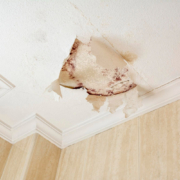
- Water stains on ceilings, bubbling paint, or swollen baseboards
- Warped wood flooring or soft spots underfoot
- A musty odor after visible water has been removed
- Water from a toilet overflow, sewer backup, or exterior flooding
- Affected electrical systems, appliances, or HVAC equipment
- Damage involving tenants, guests, condo associations, or business operations
Helpers Restoration provides local water damage restoration for Carbondale properties, with emergency extraction, moisture monitoring, drying, cleaning, repair planning, and insurance documentation support. Our approach is designed to bring order to an urgent situation while treating your home, rental, or business with care.
Common Questions About Flood Recovery
How quickly should flood cleanup begin?
Begin safety measures and water removal as soon as conditions allow. The EPA recommends drying water-damaged areas and items within 24 to 48 hours to help reduce mold risk, though contaminated water and major flooding call for professional evaluation.
Can I stay in my house during flood cleanup?
It depends on the damage. You may be able to remain in unaffected areas during a small clean-water loss, but sewage, substantial mold, electrical hazards, major demolition, or widespread drying equipment may make temporary relocation the safer option.
Does insurance cover flood cleanup in Carbondale?
Coverage depends on the cause of the water loss and the details of your policy. Sudden internal plumbing failures may be handled differently than surface-water flooding, gradual leaks, or maintenance-related damage. Prompt documentation and mitigation records can help support the claim process.
How long does structural drying take?
Drying time depends on the water source, affected materials, temperature, humidity, and how quickly extraction began. A restoration professional should provide updates based on moisture readings rather than relying on appearance alone.
Should I use fans after a sewer backup?
No. Do not use fans until the water source and contamination risk have been assessed. Air movement can spread contaminants, and sewage-related losses need controlled cleaning, sanitation, and appropriate protective measures.
What if I notice mold after the flood cleanup is complete?
A musty smell, staining, or visible growth can indicate remaining moisture or contamination. Address the moisture source first, then arrange an inspection to determine the right cleaning or remediation plan. You can also find more answers in our water damage service FAQs.
Get Experienced Help for Your Carbondale Property
When water enters your home, rental, or business, you need a team that understands the urgency and the local conditions across the Roaring Fork Valley. Call Helpers Restoration at (970) 927-3600 for 24/7 emergency cleanup in Carbondale, or contact our team online to request service and discuss the next steps.
Summary
Flood recovery works best when safety, extraction, documented moisture control, cleaning, and repairs happen in the right order. Carbondale property owners can reduce long-term water damage by acting carefully, preserving documentation, and addressing hidden moisture before repairs begin.
A Clear Path Forward After a Flood
Flooding can disrupt a property quickly, but a structured response makes the situation more manageable. Protect people first, identify the water source, record the damage, and ensure the space is truly dry before rebuilding.
Whether the loss begins with a burst pipe, appliance leak, runoff, or a backup, a thoughtful recovery plan can protect the comfort, value, and long-term condition of your Carbondale property.