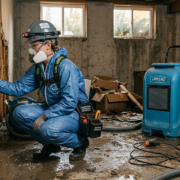
Mold Remediation After Flooding in Aspen: A Safe Recovery Plan
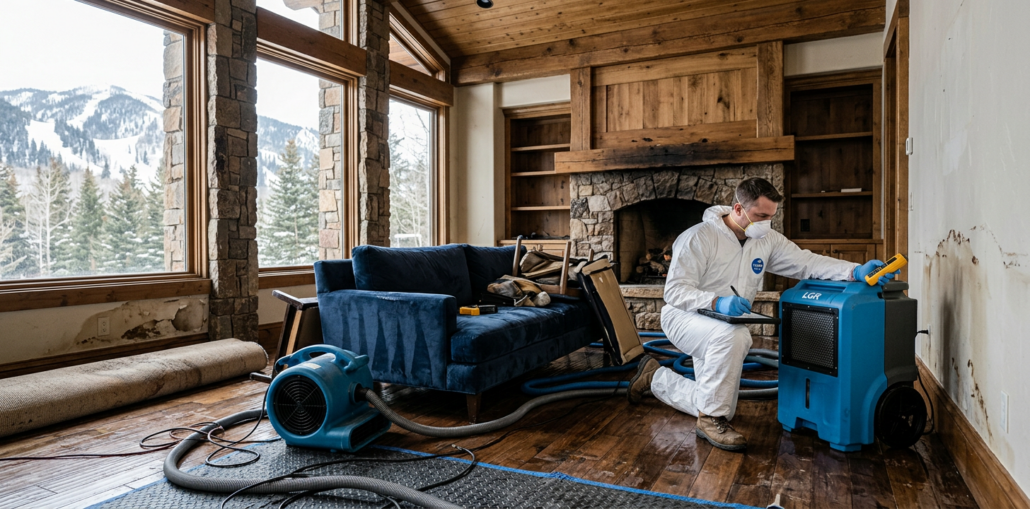
A flood can leave a home looking manageable once the standing water is gone, yet the hidden moisture is often the bigger concern. Wet drywall, insulation, flooring, and cabinets can hold moisture long after surfaces feel dry, creating conditions that call for mold remediation after flood in Aspen homes and rental properties.
For Aspen homeowners and property managers, fast drying matters as much as cleanup. A burst pipe during a cold snap, snowmelt near a lower level, or water entering through a roof can spread beyond the room where it began. The right response protects the structure, supports an insurance claim, and helps keep indoor spaces safe for occupants.
The First 48 Hours Set the Recovery Path
The priority after flooding is to make the property safe, stop the water source, document the damage, and begin drying as quickly as conditions allow. The U.S. Environmental Protection Agency advises that if a flooded home and its contents cannot be dried within 24 to 48 hours, mold growth should be assumed and addressed as part of cleanup.
That window is important because porous materials can trap water where it cannot be seen. Carpet padding, drywall, baseboards, insulation, paper-backed flooring, and upholstered items are common trouble spots. A musty odor, bubbling paint, warped wood, or discolored drywall can signal moisture that remains behind the finished surface.
Start With Safety and Documentation
Before moving belongings or starting cleanup, make sure the area is safe to enter. If water reached outlets, appliances, electrical panels, or structural materials, wait for qualified guidance before entering or using power in the affected area.
Take clear photos and video of water levels, damaged rooms, affected belongings, and the apparent source of water. Save receipts for emergency expenses and keep a simple timeline of what happened. This documentation can help when speaking with your insurance carrier.
Remove Water and Wet Materials Carefully
Standing water needs extraction, but removal alone is not the same as drying. Flooring systems, wall cavities, and framing may still hold moisture after visible water disappears. Materials that cannot be fully cleaned and dried may need removal so the affected area can be cleaned, dried, and inspected properly.
Floodwater also changes the safety picture. Water from outside flooding, a sewage backup, or an unknown source can carry contaminants. In those situations, avoid do-it-yourself demolition without appropriate protective measures and a plan for containing the affected area.
What Professional Mold Remediation After a Flood Includes
Professional remediation focuses on correcting the moisture source, removing contamination safely, and confirming that materials are dry before repairs begin. It is more than spraying a cleaner on a visible spot or covering staining with paint.
A qualified response usually includes the following steps:
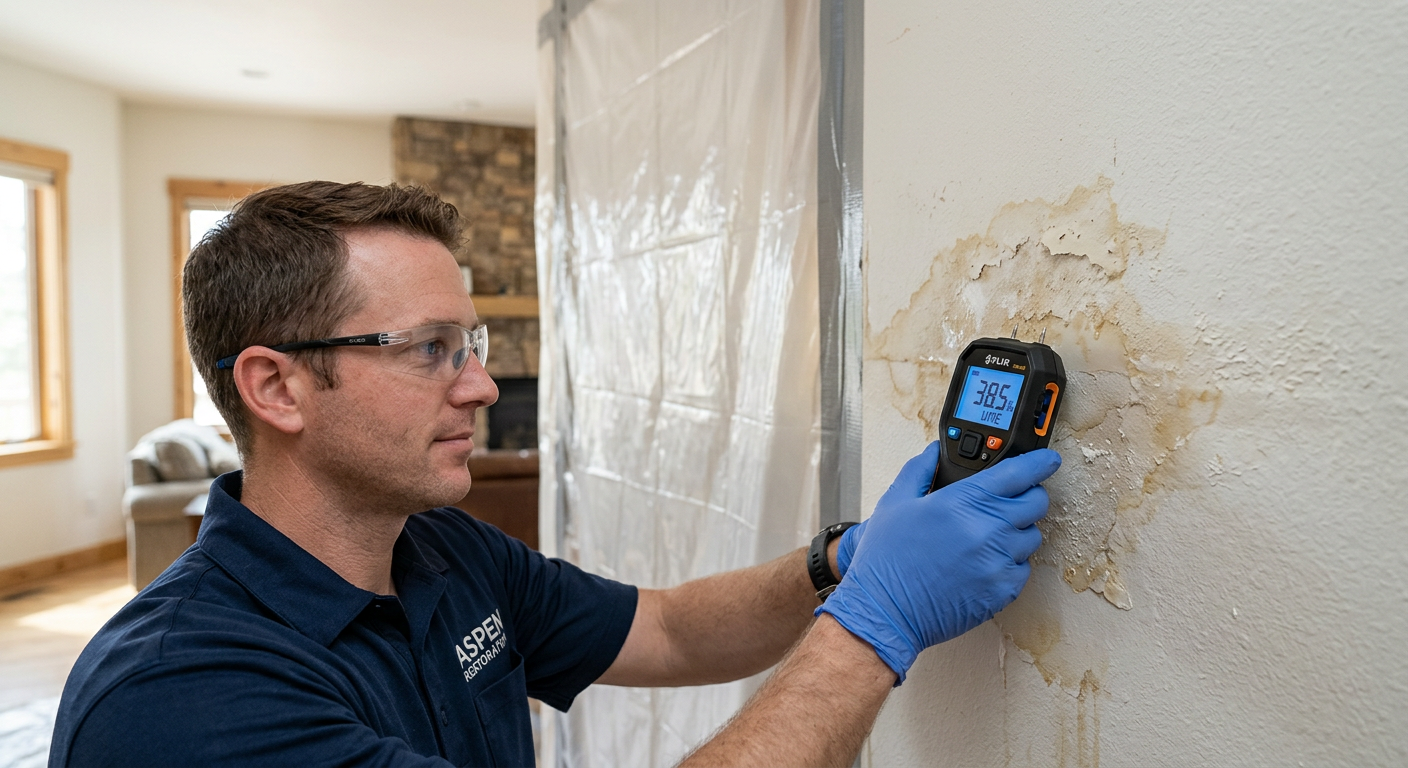
- Inspection and moisture mapping: Technicians evaluate the affected rooms and use moisture detection tools to locate wet materials behind walls, under floors, and around cabinets.
- Source control: The leak, overflow, roof entry point, or drainage issue must be corrected so moisture does not continue feeding mold growth.
- Containment: When growth is present, barriers and controlled work practices help limit debris and spores from moving into unaffected rooms.
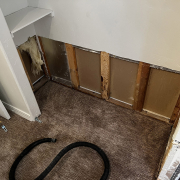
- Removal of unsalvageable materials: Porous materials that cannot be safely cleaned and dried, such as compromised insulation or carpet padding, may need removal.
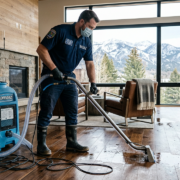
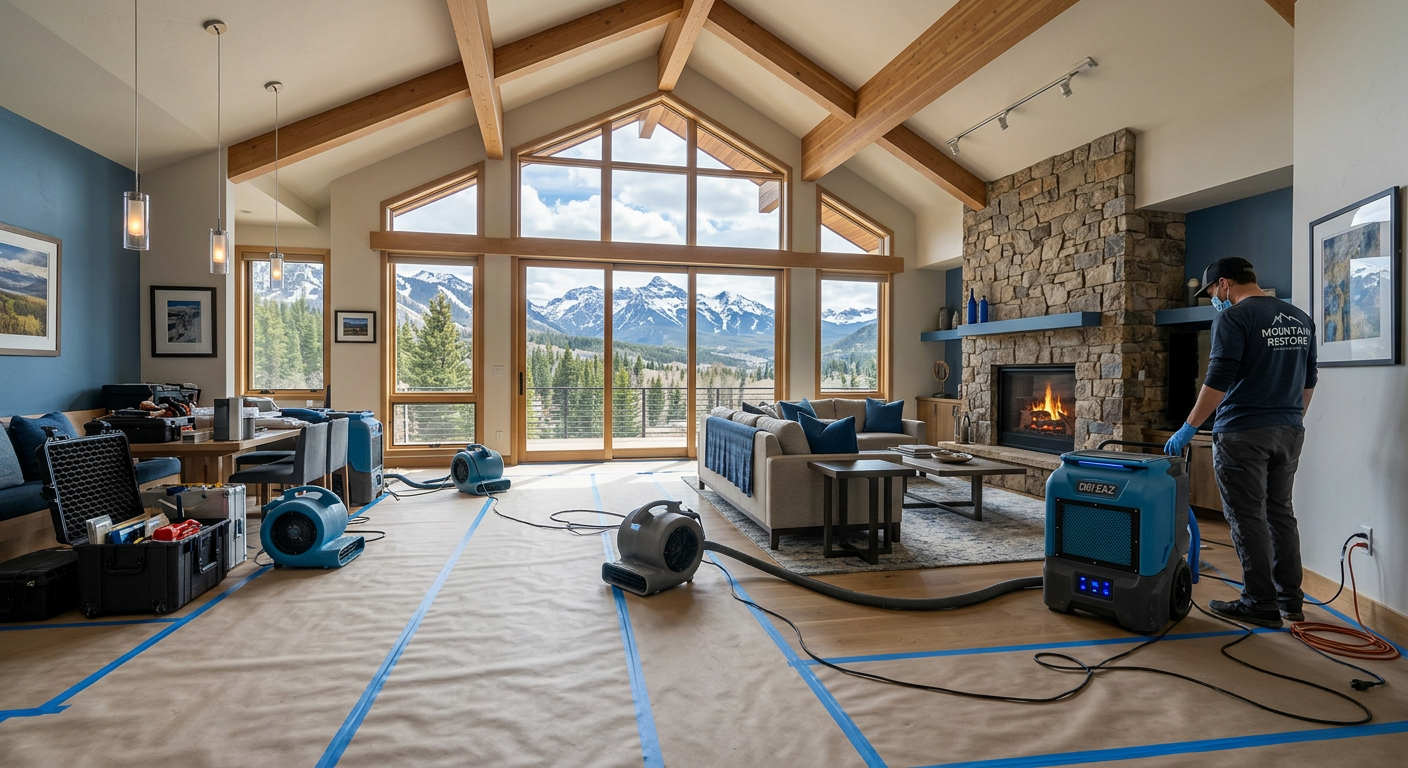
- Cleaning and detailed drying: Remaining surfaces are cleaned using methods appropriate for the materials and the water source. Drying equipment is monitored until moisture levels are back to an acceptable range.
- Repair planning: Only after drying and cleanup are complete should rebuilding begin, including drywall replacement, flooring repair, painting, or trim work.
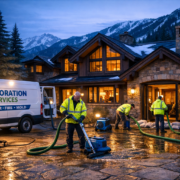
Helpers Restoration provides local assessment, water extraction, drying, cleanup, and repair coordination for properties affected by flooding. Our Aspen water damage restoration services are designed to address the water source and the hidden moisture that can lead to mold problems.
Why Aspen Properties Need a Thorough Drying Plan
Aspen homes face water problems that do not always look dramatic at first. Frozen pipes can release water inside walls or ceilings. Snow accumulation and spring runoff can expose drainage weaknesses. Vacation homes and seasonal properties may also sit unattended long enough for a small plumbing failure to affect multiple rooms.
High-end finishes can make a careful assessment even more important. Hardwood floors, custom cabinetry, wool rugs, plaster walls, and built-in millwork may require different decisions than standard materials. The goal is to preserve what can be safely restored while avoiding shortcuts that leave moisture behind.
Homes, Condos, and Vacation Rentals Have Different Risks
A single-family home may have water migration into a crawlspace, basement, or mechanical room. A condominium can involve shared walls, neighboring units, and building management requirements. Vacation rentals may need quick documentation and occupancy planning to protect guests and reduce disruption.
Property managers also need a clear record of the work performed, drying progress, and recommended repairs. That record can support communication with owners, insurers, and building associations while helping prevent repeat issues.
Avoid These Common Cleanup Mistakes
The safest course is to address both the water and the materials it affected. These missteps can make a manageable water loss much harder to resolve.
Painting Over Stains or Visible Growth
Paint, caulk, and fragrance products may hide the appearance or smell for a while, but they do not remove the moisture source or contaminated material. If discoloration reappears, the underlying issue likely remains.
Running Fans Over Active Mold Growth
Air movement can help dry a clean, wet area after conditions are safe. But the EPA cautions against using fans when mold is already visible because airflow can spread particles into other areas. Cleaning and controlled containment should come first.
Removing Walls Without Containment
Opening wet drywall can reveal hidden damage, but uncontrolled demolition can spread dust and mold debris. This is especially important around occupied rooms, HVAC pathways, and homes with children, older adults, or people with respiratory concerns.
Restarting HVAC Too Soon
Do not use a heating or cooling system that may have been affected by floodwater or mold until it has been evaluated. Running the system can move contaminants through the property and into rooms that were not originally affected.
Insurance Records Can Make Recovery Less Stressful
A well-documented loss gives you a clearer picture of the damage and helps your insurance carrier evaluate the claim. Contact your insurer promptly, follow its instructions, and avoid discarding damaged items until you have documented them and received guidance.
Keep copies of photos, videos, claim numbers, invoices, estimates, drying records, and correspondence. If the event involves contaminated water, keep a record of the source and any areas that may have been exposed. For sudden pipe breaks, appliance failures, and other water events, our water damage restoration service can help identify the scope of damage and organize the information needed for the recovery process.
If water backed up through drains or toilets, use specialized help rather than treating it as a routine leak. Our sewage backup cleanup service addresses the additional sanitation and contamination concerns that can accompany a backup.
Frequently Asked Questions About Flood Mold Cleanup
Can I stay in my home during mold remediation?
Sometimes, yes, if the affected area is limited and can be properly separated from occupied spaces. Temporary relocation may be recommended when contamination is extensive, the water source involved sewage or floodwater, or occupants have asthma, allergies, or weakened immune systems.
How can I tell if mold is behind a wall after a flood?
A musty odor, persistent staining, soft drywall, peeling paint, warped baseboards, and elevated moisture readings can point to hidden moisture or mold. An inspection with moisture detection equipment is more reliable than relying on surface appearance alone.
Is mold testing always needed after flooding?
No. In many cases, a careful inspection, moisture assessment, and removal of visible contamination are more useful than routine air sampling. The EPA emphasizes correcting moisture problems and removing mold rather than relying on a single test result.
Does homeowners insurance cover mold remediation?
Coverage depends on the policy, the cause of water damage, policy limits, and how quickly the problem was reported. Sudden and accidental events, such as a burst pipe, may be handled differently than long-term leaks or neglected maintenance. Review your policy and speak with your carrier about the specific loss.
How long does flood mold remediation take?
Small, contained issues may take several days, while extensive water damage involving multiple rooms, structural materials, or contaminated water can take longer. The drying phase should be based on moisture readings and material conditions, not a calendar estimate alone.
Can I clean small areas of mold myself?
Small, isolated surface areas may be manageable if the source of moisture has been fixed and the material can be safely cleaned. Large areas, hidden growth, recurring odors, contaminated floodwater, or damage inside walls are better handled by trained restoration professionals.
Summary
Mold after flooding is usually a moisture problem before it becomes a visible growth problem. Safe entry, rapid water removal, controlled drying, careful documentation, and a thorough inspection give Aspen property owners the strongest path toward a healthy, durable recovery.
The key is not to judge the damage only by what is visible. A home can look dry while moisture remains below flooring, inside walls, or beneath cabinetry. Addressing those hidden areas helps prevent future repairs, odors, and repeated mold concerns.
Get Help With Flood Recovery in Aspen
If your Aspen property has flooding, a burst pipe, or lingering dampness, contact Helpers Restoration for 24/7 support. Call (970) 927-3600 for emergency cleanup, or use our online contact form to request an inspection. For more homeowner guidance, review our water damage cleanup FAQ.
A Dry, Clean Property Is the Goal
Flood recovery does not end when the water is gone. A complete plan identifies the moisture source, protects unaffected rooms, removes materials that cannot be saved, and verifies that the structure is dry before repairs move forward.
With prompt action and careful remediation, Aspen homeowners and property managers can protect their property, support a smoother claim process, and move ahead with confidence. The U.S. Environmental Protection Agency’s flooded-home guidance reinforces the same core principle: dry affected spaces and contents within 24 to 48 hours whenever possible, then address remaining moisture and contamination thoroughly.