Signs of Mold Behind Drywall: Aspen Homeowners Warning Guide
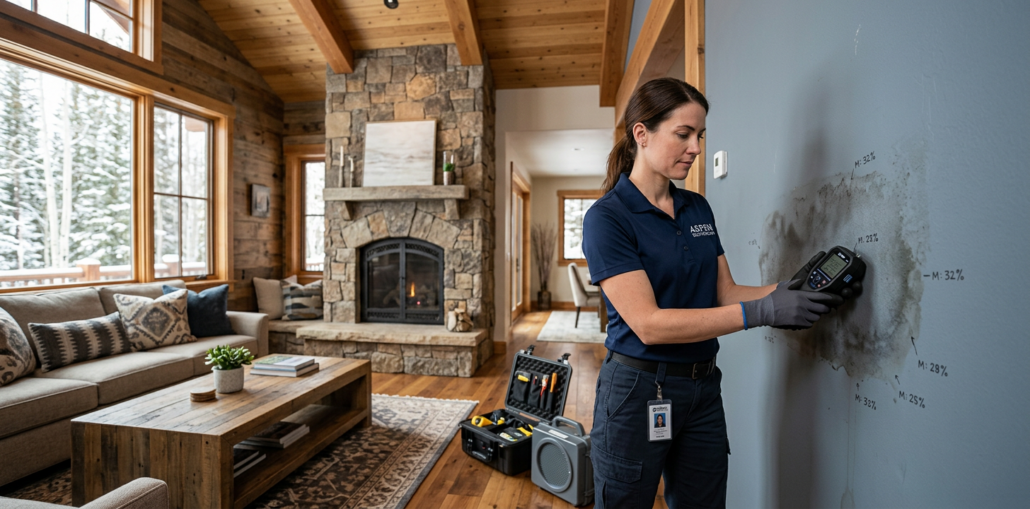
A small stain on drywall can feel easy to ignore, especially when the wall still looks mostly normal. But behind that painted surface, moisture can sit inside paper, insulation, framing, and wall cavities long before you see obvious mold.
That’s why signs of mold behind drywall matter so much for homeowners, property managers, and business owners in Aspen and the Roaring Fork Valley. A burst pipe, ice dam, roof leak, appliance overflow, or flooded basement can create hidden moisture pockets that need fast attention.
The U.S. Environmental Protection Agency puts it simply: “The key to mold control is moisture control.” The EPA also recommends drying wet or damp materials within 24 to 48 hours after a leak or spill when possible to help prevent mold growth, according to its Brief Guide to Mold, Moisture and Your Home.
Signs Of Mold Behind Drywall At A Glance
| Warning Sign | What It May Mean | Best Next Step |
|---|---|---|
| Musty smell | Hidden microbial growth | Check nearby moisture sources |
| Wall staining | Water reached drywall paper | Inspect plumbing, roof, or windows |
| Soft drywall | Saturated wall material | Avoid pressing or cutting into it |
| Bubbling paint | Trapped moisture | Test moisture levels |
| Recurring allergy symptoms | Possible indoor mold exposure | Improve safety and investigate |
The Most Common Hidden Mold Clues
A Musty Odor That Comes Back
A persistent earthy or damp smell is one of the biggest clues that mold may be growing behind drywall. The smell may be stronger near bathrooms, laundry rooms, kitchens, basement walls, exterior-facing walls, or areas that recently had water damage.
Here’s the thing, air fresheners and open windows can hide the smell for a while, but they don’t solve the source. If the odor fades and then comes back after rain, snowmelt, shower use, or plumbing activity, the wall cavity may still be damp.
Stains, Shadowing, Or Discoloration
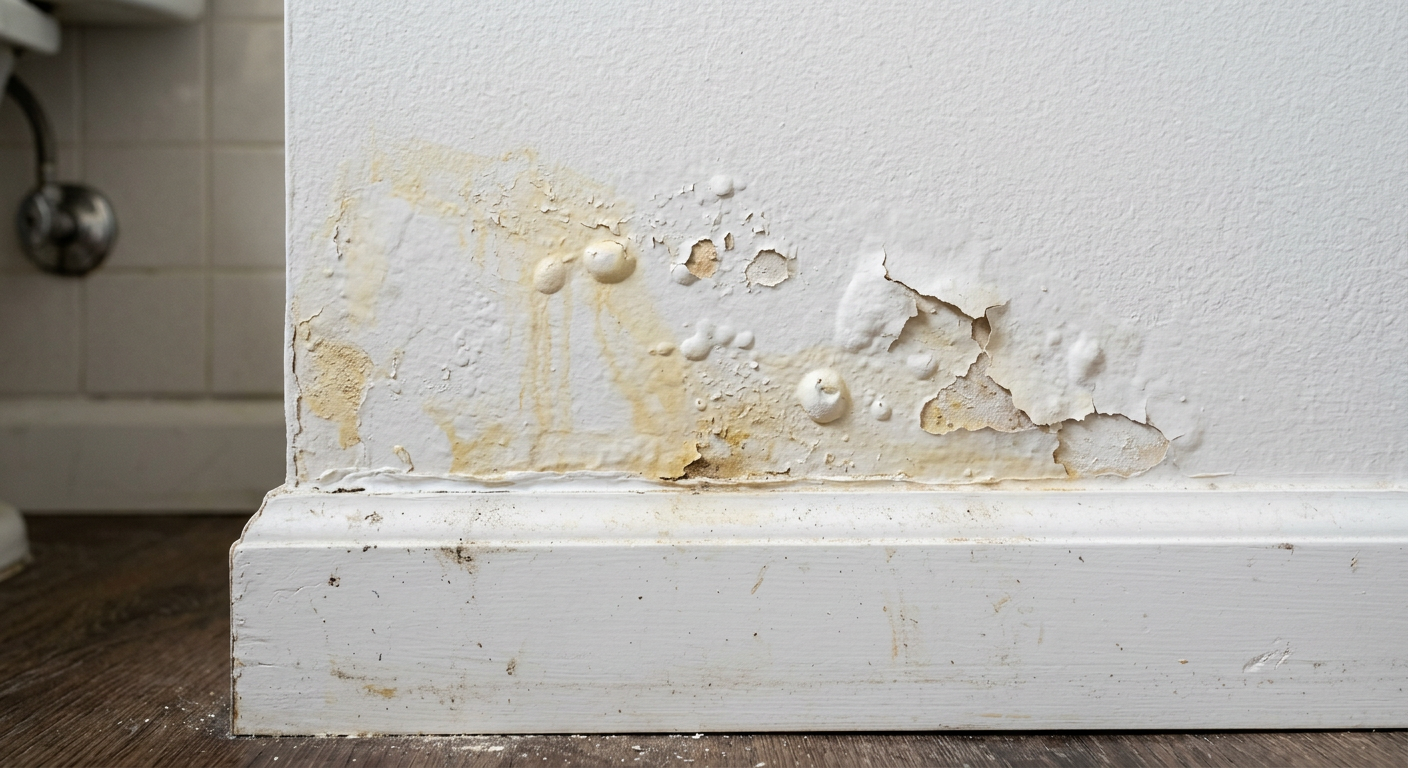
Yellow, brown, gray, green, or black staining can mean water has moved through drywall. Sometimes the stain is small, but the wet area behind the wall is much larger.
In Aspen homes, watch closely around windows, rooflines, fireplaces, below bathrooms, and near mechanical rooms. Snow, freeze-thaw cycles, and hidden pipe leaks can all send moisture into places you can’t see.
Bubbling Paint Or Peeling Wallpaper
Paint and wallpaper can bubble when moisture pushes from behind the surface. If the area feels cool, damp, or slightly raised, don’t just scrape and repaint it.
That fresh paint may trap moisture inside the wall and make the problem worse. A better approach is to find the water source first, then confirm whether the drywall and surrounding materials are dry.
Soft, Swollen, Or Crumbling Drywall
Drywall is porous, so it absorbs water quickly. Once it becomes soft, swollen, sagging, or crumbly, the paper backing may already be compromised.
If the wall has been exposed to floodwater or sewage, do not treat it like a simple cosmetic repair. The CDC advises that materials wet with floodwater and unable to be cleaned and dried completely within 24 to 48 hours should be removed, according to its mold cleanup guidance.
Why Mold Often Hides Behind Drywall
Drywall has everything mold needs once moisture is present: paper facing, trapped air, and limited airflow. Behind the wall, insulation can hold moisture like a sponge, and wood framing can stay damp even when the painted side looks dry.
That’s why professional moisture detection matters after water damage in Aspen, Basalt, Carbondale, Snowmass Village, and Glenwood Springs. Surface drying is not the same as structural drying, especially after burst pipes, roof leaks, or flood cleanup.
For deeper help after a leak, review professional water damage restoration services and local water damage cleanup in Aspen options before the issue spreads.
What To Do If You Suspect Mold Behind Drywall
Find And Stop The Water Source
Before anyone can safely repair mold damage, the water source has to be fixed. That could mean shutting off a leaking supply line, repairing a roof leak, clearing an ice dam, sealing exterior drainage issues, or addressing a plumbing failure.
If the source remains active, mold can come back even after cleaning. Moisture control is the foundation of real restoration.
Avoid Cutting Into The Wall Without A Plan
It’s tempting to cut a small hole and look inside. But disturbing contaminated drywall can release dust and spores into the room, especially if the wall cavity is dry enough for particles to travel.
If you do inspect, use proper protective gear and isolate the area. For larger areas, recurring odors, sewage, or floodwater exposure, it’s safer to bring in trained help.
Use Moisture Testing, Not Guesswork
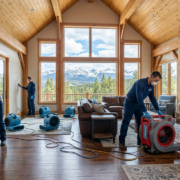
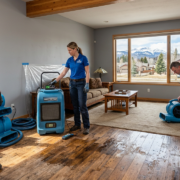
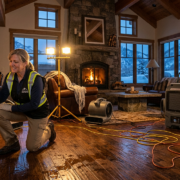
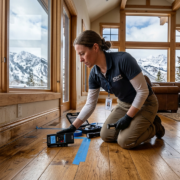
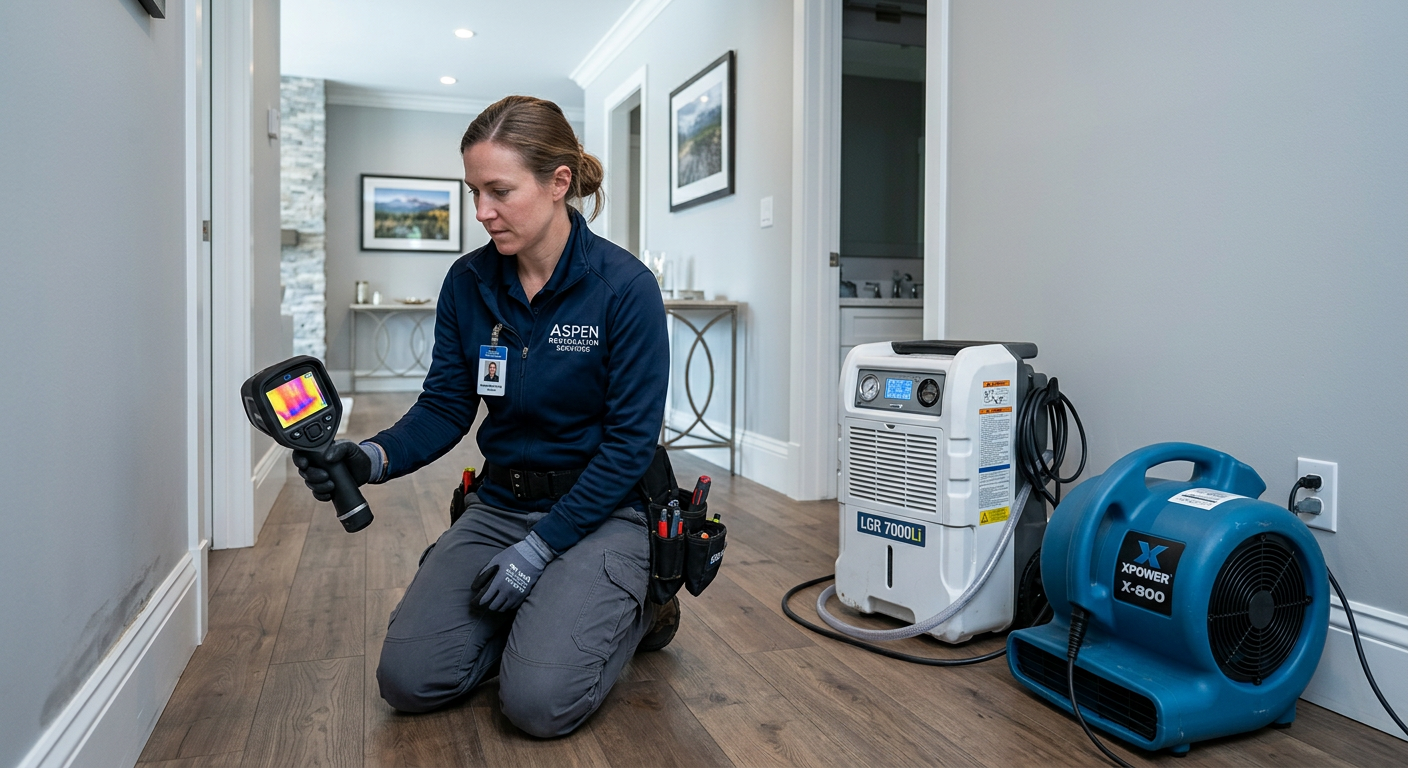
A wall can feel dry on the surface while still holding moisture inside. Restoration teams use moisture meters, thermal imaging, dehumidifiers, air movers, and containment methods to identify the affected area and reduce spread.
If you’re unsure what comes next, the Helpers Restoration FAQ explains common water damage cleanup questions, including timing, drying, and insurance support.
When It’s Time For Professional Mold Remediation
You should consider professional mold remediation if the affected area is larger than a small patch, the drywall feels soft, the odor is strong, or the leak involved sewage or floodwater. You should also get help if people in the building have asthma, allergies, immune concerns, or recurring respiratory irritation.
Mold behind drywall is not just a cleaning issue. It can involve removal of damaged materials, drying and dehumidification, containment, air filtration, and repairs after the structure is safe and dry.
If the concern is mold connected to previous water damage, mold damage recovery services can help determine what materials can be cleaned, what needs removal, and how to reduce the chance of the problem coming back.
Summary
Hidden mold usually gives you clues before it becomes obvious. Musty odors, stains, bubbling paint, soft drywall, and recurring dampness all point to moisture that should be investigated quickly.
The biggest takeaway is simple: don’t wait for visible mold to spread across the wall. If water entered drywall, the clock starts right away.
Need Fast Help With Hidden Wall Mold In Aspen?
If you’re dealing with suspected mold, water damage, or emergency water cleanup in Aspen or the Roaring Fork Valley, call Helpers Disaster Restoration at (970) 927-3600. You can also request help through the contact page for 24/7 emergency response in Aspen, Basalt, Carbondale, Snowmass Village, Glenwood Springs, and nearby Colorado communities.
Frequently Asked Questions
How do I know if mold is behind my drywall?
The most common signs include a musty smell, wall discoloration, bubbling paint, soft drywall, recurring dampness, or stains that reappear after cleaning. If the area had a leak, flood, or pipe burst, hidden moisture should be checked.
Can mold grow behind drywall without being visible?
Yes. Mold can grow on the back side of drywall, inside insulation, or on framing before it appears on the painted surface. That’s why odor and moisture history matter.
How fast can mold grow after water damage?
Mold conditions can develop quickly when porous materials stay damp. EPA and CDC guidance both emphasize drying wet materials within 24 to 48 hours when possible.
Is it safe to sleep in a room with suspected mold behind drywall?
It depends on the extent of the problem and the sensitivity of the people in the home. If there is a strong musty odor, visible growth, breathing irritation, or sewage exposure, avoid the area and get professional guidance.
Should I paint over mold stains on drywall?
No. Paint may hide staining, but it won’t fix the moisture source or remove contaminated material. Find the leak, dry the structure, and address damaged drywall first.
Does homeowners insurance cover mold behind drywall?
Coverage depends on the cause and your policy. Sudden water damage from a burst pipe may be handled differently than long-term neglected leaks, so document the damage and contact your insurance provider quickly.
Final Takeaway For Aspen Property Owners
Mold behind drywall is usually a moisture problem before it’s a mold problem. If you catch the warning signs early, you have a better chance of limiting repairs, protecting indoor air quality, and keeping your property safer.
Whether you manage a rental in Snowmass Village, own a home in Basalt, or oversee a commercial space in Aspen, don’t ignore recurring odors, stains, or soft drywall. Fast action after water damage is the best way to keep a small wall issue from becoming a major restoration project.