Water Damage Aspen: Hidden Mold Signs After a Water Leak Now

Water leaks feel small at first, until a hidden problem announces itself with a musty smell or allergy flare. When you suspect a leak in your Aspen home, learning the most common hidden mold signs can save time, money, and health.
Helpers Restoration responds 24/7 across Aspen and the Roaring Fork Valley. If you find any of the warning signs below, call (970) 927-3600 or visit https://helpersrestoration.com/ for fast emergency response.
Why hidden mold matters after a water leak
Here is the thing, mold can begin growing within 24 to 48 hours after a sustained moisture event, and most homeowners only notice the obvious signs once the problem is well established. water damage Aspen is not just about visible stains, it is about invisible moisture trapped behind walls, under flooring, and inside insulation that creates the perfect environment for mold and structural decay.
Mold growth affects indoor air quality and can worsen asthma and allergies. That is why early detection and professional drying are crucial, especially for properties in Aspen, Basalt, Carbondale, Snowmass Village, and Glenwood Springs where climate and seasonal snowmelt add unique risks.
Top hidden mold signs to watch for
1. Persistent musty odor
If a room smells musty even after cleaning, that smell often means mold is present out of sight. Musty odors commonly come from mold colonies growing in wall cavities, under carpets, or behind cabinets.
2. Recurrent allergy symptoms
If family members suddenly develop asthma-like coughing, sneezing, itchy eyes, or headaches when at home but feel better away from the house, hidden mold could be the trigger.
3. Paint or wallpaper bubbling and discoloration
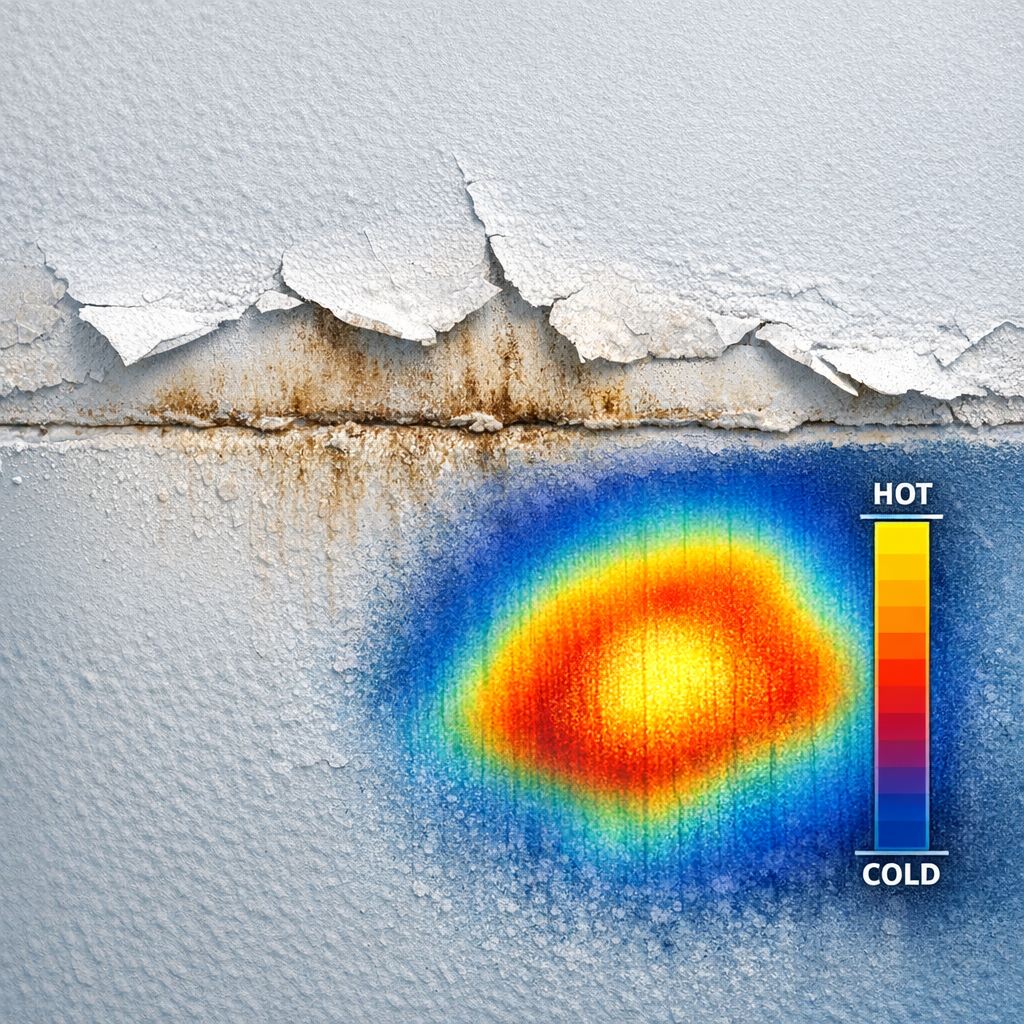
Bubbling, peeling, or staining on walls and ceilings often signals trapped moisture. These are clues that water has saturated drywall or plaster and that mold may have followed.
4. Warped floors, baseboards, or doors
Wood and laminate flooring can cup, buckle, or feel spongy when moisture is trapped underneath. Baseboards that separate from walls or doors that stick are mechanical signs of persistent water.
5. Stains, dark spots, or fuzzy growth in hidden areas
Look in closets, under sinks, behind appliances, and in attics or crawlspaces for dark spots or fuzzy growth. Mold types vary in color from black and green to white or orange.
6. High indoor humidity or condensation
If you notice constant condensation on windows or pipes, or indoor humidity above 50 percent, conditions favor mold growth. Dehumidification and ventilation reduce that risk.
7. Increased HVAC issues or dust accumulation
If vents blow a musty smell or you find moldy dust build-up on registers, the HVAC system may be circulating spores from hidden moisture pockets.
How professionals find hidden mold
- Moisture meters and probes locate damp framing and subfloor areas.
- Thermal imaging reveals temperature anomalies where water hides inside walls and ceilings.
- Controlled openings, like inspection holes behind baseboards, let technicians visually confirm mold without unnecessary demolition.
Helpers Restoration uses industry-standard tools and IICRC-certified processes to detect and address hidden mold safely and efficiently. Learn more about our water damage services at https://helpersrestoration.com/water-damage/ and our local Aspen page at https://helpersrestoration.com/water-damage/aspen/.
Immediate steps to take after a leak
- Stop the water source if safe, shut off valves, and remove standing water.
- Move furnishings and valuables to a dry area.
- Ventilate the space where possible and wipe visible moisture.
- Do not use household fans to blow air through contaminated areas, as this can spread spores.
- Call a certified restoration team for emergency water extraction and drying, especially with contaminated or sewage water.
If the leak involves sewage or floodwater, you should not attempt cleanup yourself. See Helpers Restoration’s sewage services at https://helpersrestoration.com/sewage-backup-cleanup-service/.
When to call for mold testing and remediation
- You smell persistent mold despite surface cleaning.
- You see visible mold covering more than a small area, typically larger than a patch the size of a 10-inch by 10-inch square.
- Occupants are experiencing unexplained or worsening health symptoms.
For safe, thorough mold remediation and insurance support, contact Helpers Restoration. We also handle mold damage and full rebuilds: https://helpersrestoration.com/mold-damage/ and https://helpersrestoration.com/fire-damage/.
Insurance and documentation tips
Document damage with photos and notes before any cleanup if it is safe to do so. Keep receipts for emergency services and temporary housing. Helpers Restoration works directly with insurance adjusters and uses Xactimate to produce accurate estimates that simplify claims for homeowners in Aspen and the Roaring Fork Valley.
Summary
Hidden mold after a water leak shows up first as odors, allergy symptoms, and subtle material changes like bubbling paint or warped floors. Quick action, professional moisture detection, and full structural drying are the best defenses. For 24/7 emergency water cleanup and mold remediation in Aspen, call Helpers Restoration at (970) 927-3600.
How quickly does mold grow after a water leak?
Mold can start growing within 24 to 48 hours in damp conditions. That is why immediate extraction and drying are essential.
Can I clean hidden mold myself?
Small, surface-level mold on nonporous materials can sometimes be cleaned safely, but hidden mold in walls, insulation, or HVAC systems requires professional remediation to prevent spread and protect health.
Will homeowners insurance cover mold after a leak?
Coverage depends on your policy and whether the mold resulted from a covered sudden event. Document the leak and contact both your insurer and a certified restoration company for guidance.
What health symptoms indicate hidden mold?
Symptoms include chronic coughing, wheezing, nasal congestion, itchy eyes, and worsening asthma. People with weakened immune systems or chronic lung conditions should avoid exposure.
How do professionals detect hidden mold?
Technicians use moisture meters, thermal imaging, and targeted inspections. Air sampling and surface testing are used selectively when needed.
How long does remediation take?
Remediation timelines vary with severity. Small jobs may take a few days, while extensive hidden mold and reconstruction can take weeks.
Get Help Now
If you suspect hidden mold after a water leak in Aspen or the Roaring Fork Valley, call Helpers Restoration at (970) 927-3600 for immediate response and insurance-friendly service. Visit https://helpersrestoration.com/ to request help now.
Conclusion
Hidden mold is sneaky but not unstoppable. Pay attention to odors, health changes, and subtle building shifts. Acting fast prevents bigger repairs and protects your family. Helpers Restoration brings local expertise, certified technicians, and 24/7 emergency response to Aspen, Basalt, Carbondale, Snowmass Village, and Glenwood Springs. Call (970) 927-3600 and let us help you restore your home with care and speed.