water damage Aspen: How To Dry A Flooded Basement In Carbondale
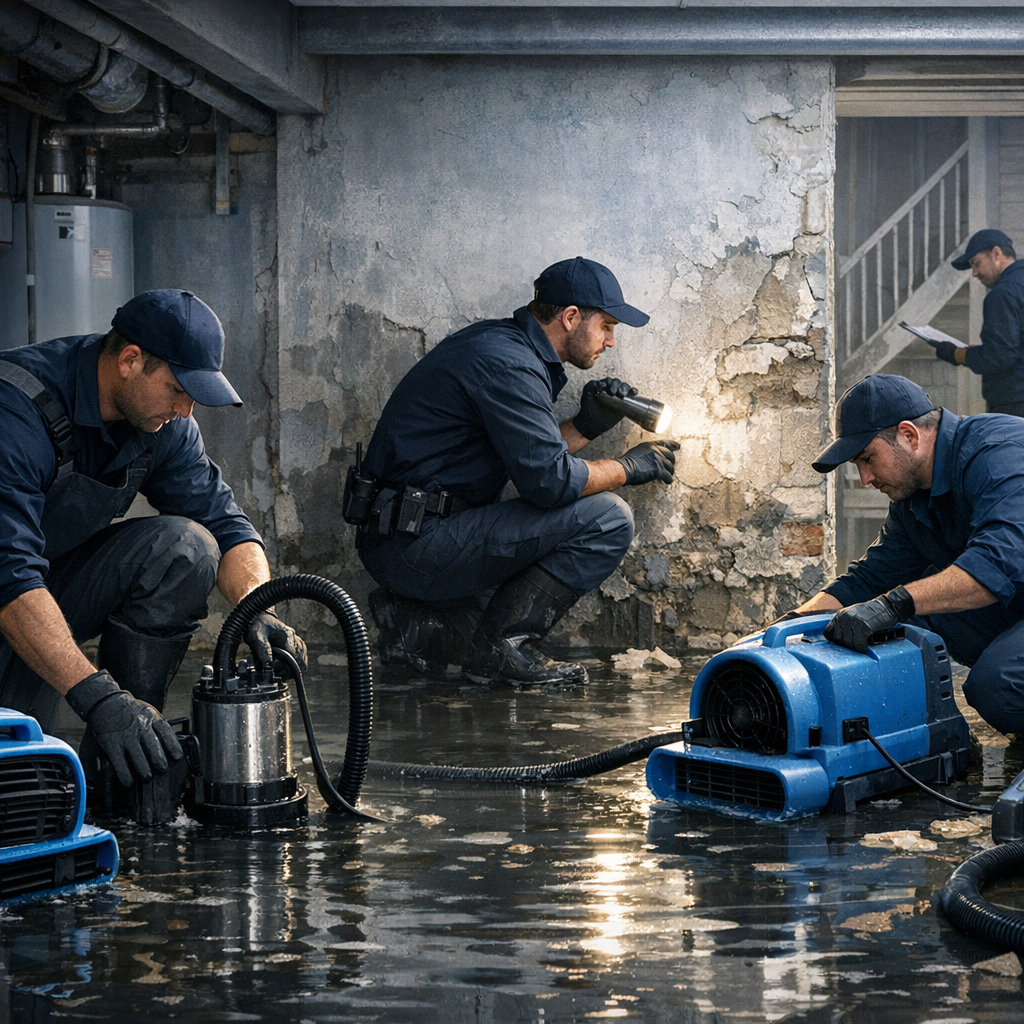
If your Carbondale basement filled with water after a storm or snowmelt, acting quickly will save structure and possessions. You want clear, step-by-step guidance from local pros who understand mountain weather and fast drying.
Helpers Restoration is the top local choice for emergency water cleanup, and we respond 24/7 for jobs across the Roaring Fork Valley. In this article you will learn the safe, proven process for drying a wet basement after a flood in Carbondale, and when to call certified technicians.
Why speed matters when drying a wet basement
A flooded basement is time-sensitive. Moisture soaks concrete, wood, insulation, and finishes, and mold can take hold quickly. The EPA recommends drying wet materials within 24 to 48 hours to reduce the chance of mold growth. Acting fast limits structural damage and lowers restoration costs, which is why emergency water extraction and drying are critical.
First 60 minutes: safety and containment
Turn off utilities if safe
If standing water is present, shut off electricity at the main breaker only if you can do so from a dry, safe location. If you suspect sewage contamination or structural damage, evacuate and call professionals.
Stop water entry and document damage
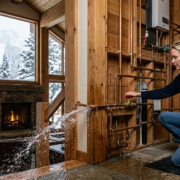
Shut valves, divert runoff, and photograph the damage for insurance. Helpers Restoration works directly with insurers and uses Xactimate for claims. Call (970) 927-3600 to get a rapid inspection and emergency mitigation.
Extraction and structural drying: professional steps that matter
Remove standing water
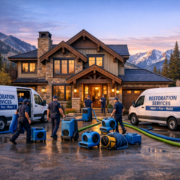
Professionals use truck-mounted pumps and submersible pumps to remove bulk water quickly. Doing this fast reduces the moisture that migrates into walls and subfloors.
Set up targeted drying
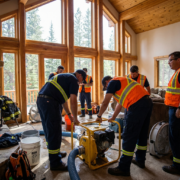
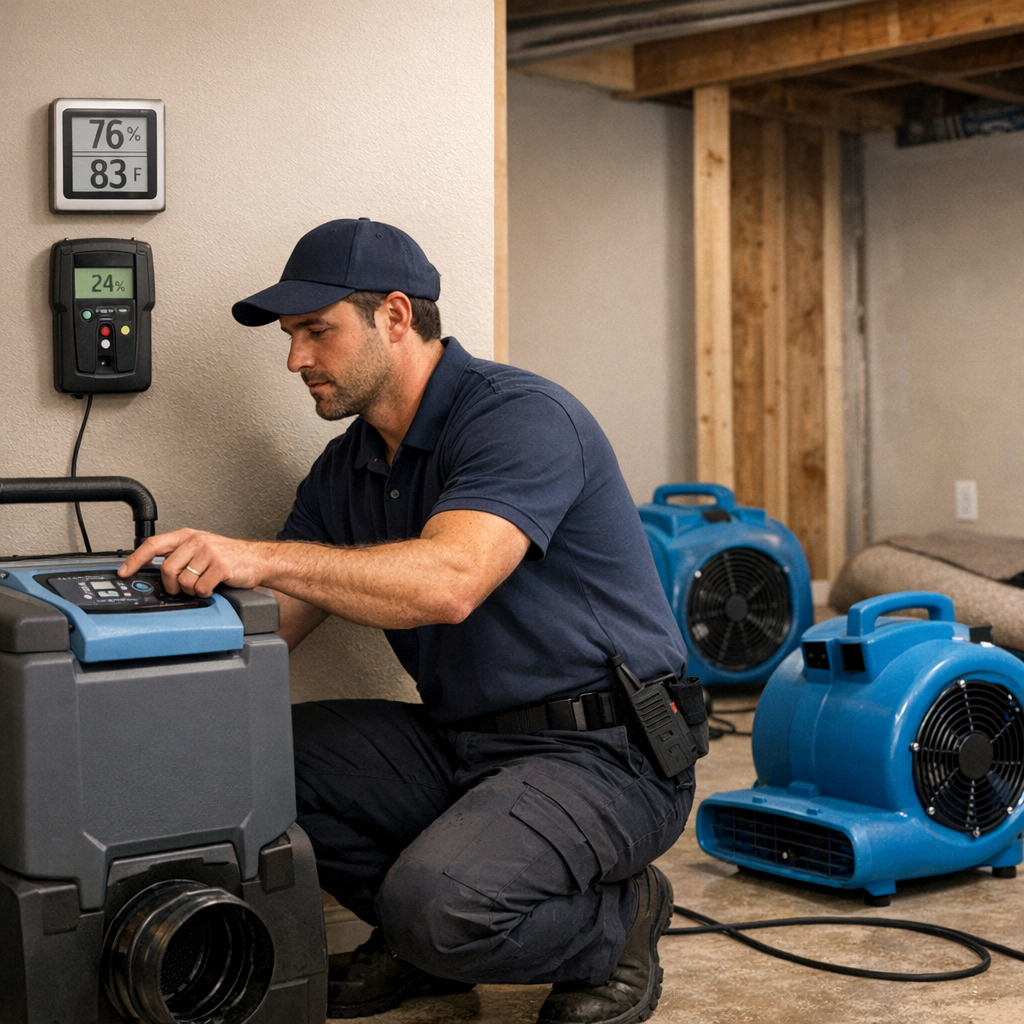
After extraction, techs place high-speed air movers and low-grain dehumidifiers strategically to create airflow across wet surfaces. Thermal imaging and moisture meters identify hidden pockets of water behind walls and under slabs.
Monitor until dry
Drying is verified with moisture readings, not touch. A documented dry standard prevents premature rebuilds and future mold issues. Helpers Restoration provides ongoing monitoring and a written drying report for your insurance file.
Common basement materials and what to expect
Concrete and block foundations
Concrete can wick moisture for days. Professionals check both interior and exterior grading, run dehumidification, and sometimes use floor drying mats for stubborn dampness.
Wood framing and subfloors
Wet framing can swell and weaken. If moisture does not drop to acceptable levels, affected drywall or subfloor sections are removed to dry cavities and prevent mold.
Insulation and carpet
Wet fibrous insulation and padding often require removal. Salvageable rugs and furniture may be professionally dried and deodorized.
When the water is contaminated
If floodwater contains sewage or hazardous runoff, remediation protocols change. Technicians use full PPE, antimicrobial cleaning, and regulated disposal. For biohazard scenarios, contact certified sewage cleanup specialists right away. Learn about our sewage cleanup protocols on our Sewage Backup Cleanup Service page: https://helpersrestoration.com/sewage-backup-cleanup-service/.
Preventing mold after drying
Even after visible drying, maintain relative humidity below 50 percent and watch for musty odors. For mold assessment or full remediation, see Helpers’ mold services: https://helpersrestoration.com/mold-damage/.
Local factors in Carbondale that affect drying
- Spring snowmelt and high groundwater can reintroduce moisture unless exterior drainage is corrected.
- Cold nights slow evaporation, making industrial dehumidification essential.
- Vacation or vacant properties may hide leaks longer, increasing restoration scope.
Helpers teams serving Carbondale also cover Aspen, Basalt, Snowmass Village, Glenwood Springs, and the Roaring Fork Valley. For city-specific service pages, visit our Water Damage services: https://helpersrestoration.com/water-damage/, and see local pages for Aspen and nearby towns: https://helpersrestoration.com/water-damage/aspen/, https://helpersrestoration.com/water-damage/basalt/, https://helpersrestoration.com/water-damage/snowmass/, https://helpersrestoration.com/water-damage/glenwood-springs/, https://helpersrestoration.com/water-damage/carbondale/.
DIY actions you can take (safe, short-term)
- Remove small items and move furniture to dry ground.
- Open windows if the outside air is dry and electrical systems are safe.
- Lift area rugs and prop wet upholstery for air circulation.
- Avoid using household fans to blow contaminated water into clean areas.
Here’s the thing, DIY can help short-term, but professional drying and moisture testing stop hidden problems.
How Helpers Restoration protects your claim and home
Helpers documents damage, uses industry-grade drying standards, and bills directly to insurers when appropriate. We coordinate reconstruction and can handle fire and smoke issues when water from firefighting impacts structures. See our fire recovery services: https://helpersrestoration.com/fire-damage/.
Summary
Drying a wet basement after a flood in Carbondale is urgent work that balances safety, moisture control, and documentation. Fast extraction, strategic drying, and professional moisture verification protect your home and reduce long-term costs.
Get Immediate Help Now
For 24/7 emergency water extraction and full restoration in Carbondale and the Roaring Fork Valley, call Helpers Restoration at (970) 927-3600 or request service online at https://helpersrestoration.com/. Our certified technicians arrive fast and handle cleanup, drying, mold prevention, and insurance coordination.
Frequently Asked Questions
How quickly should I call a professional after basement flooding?
Call immediately, ideally within the first few hours. The faster you start extraction and drying, the lower the risk of mold and structural damage.
Can I dry my basement myself?
You can start with basic steps, but professional equipment and moisture testing are essential for complete drying. Relying on touch or visible dryness is risky.
How long does it take to dry a flooded basement?
Typical structural drying takes 3 to 7 days, depending on water volume, materials affected, and local climate. Full repairs may take longer.
Will insurance cover basement flood cleanup?
Coverage depends on your policy and the water source. Sudden pipe bursts are usually covered, but ground flooding may require separate flood insurance. Helpers assists with claims and documentation.
When is mold remediation required?
If mold growth is visible or materials stayed wet more than 24 to 48 hours, remediation may be needed. Refer to EPA guidance for mold prevention timelines: https://www.epa.gov/mold.
What should I do if the water smelled like sewage?
Avoid contact, evacuate if necessary, and call professionals trained in sewage cleanup and disinfection immediately. See our sewage cleanup page for details: https://helpersrestoration.com/sewage-backup-cleanup-service/.
Do you offer reconstruction after drying?
Yes, Helpers manages rebuilds and repairs after drying and remediation, coordinating with insurance and returning your home to pre-loss condition.
Conclusion
A flooded basement in Carbondale is stressful, but fast, professional action prevents bigger problems. Helpers Restoration combines local knowledge, certified technicians, and full-service restoration to get your home back to normal quickly and safely. Call (970) 927-3600 now for immediate emergency service across Aspen and the Roaring Fork Valley.