Water Damage Aspen: Mold Remediation Roaring Fork Valley Now

Mold can start quietly, but the damage it leaves is anything but small. When your Aspen or Roaring Fork Valley property shows signs of mold after a leak, flood, or long-term moisture problem, fast professional remediation protects health, preserves value, and prevents future infestations. In this article you’ll learn how certified teams approach mold inspection, containment, removal, and prevention for homes and businesses across Aspen, Basalt, Carbondale, Snowmass Village, and Glenwood Springs.
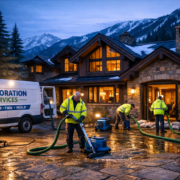
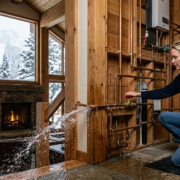
Water damage Aspen is often the root cause of mold growth, so treating water problems and mold together is essential for lasting results. Helpers Restoration provides emergency water extraction, drying and dehumidification, and certified mold remediation to restore properties quickly and safely.
Why mold remediation matters in the Roaring Fork Valley
Mold is more than an ugly patch. It can harm indoor air quality, damage building materials, and complicate insurance claims. Mountain homes and valley basements face unique moisture risks, from winter pipe bursts to spring snowmelt infiltration. Here are the immediate reasons to act:
- Health protection, especially for people with allergies, asthma, or weakened immune systems.
- Structural preservation, stopping rot and decay in wood, drywall, and insulation.
- Insurance compliance, ensuring remediation meets carrier expectations and documentation requirements.
If you need mold assessment after a water event, start with a certified inspection and link the findings to any water damage cleanup. Helpers Restoration coordinates water mitigation and mold removal, and documents the process for insurance.
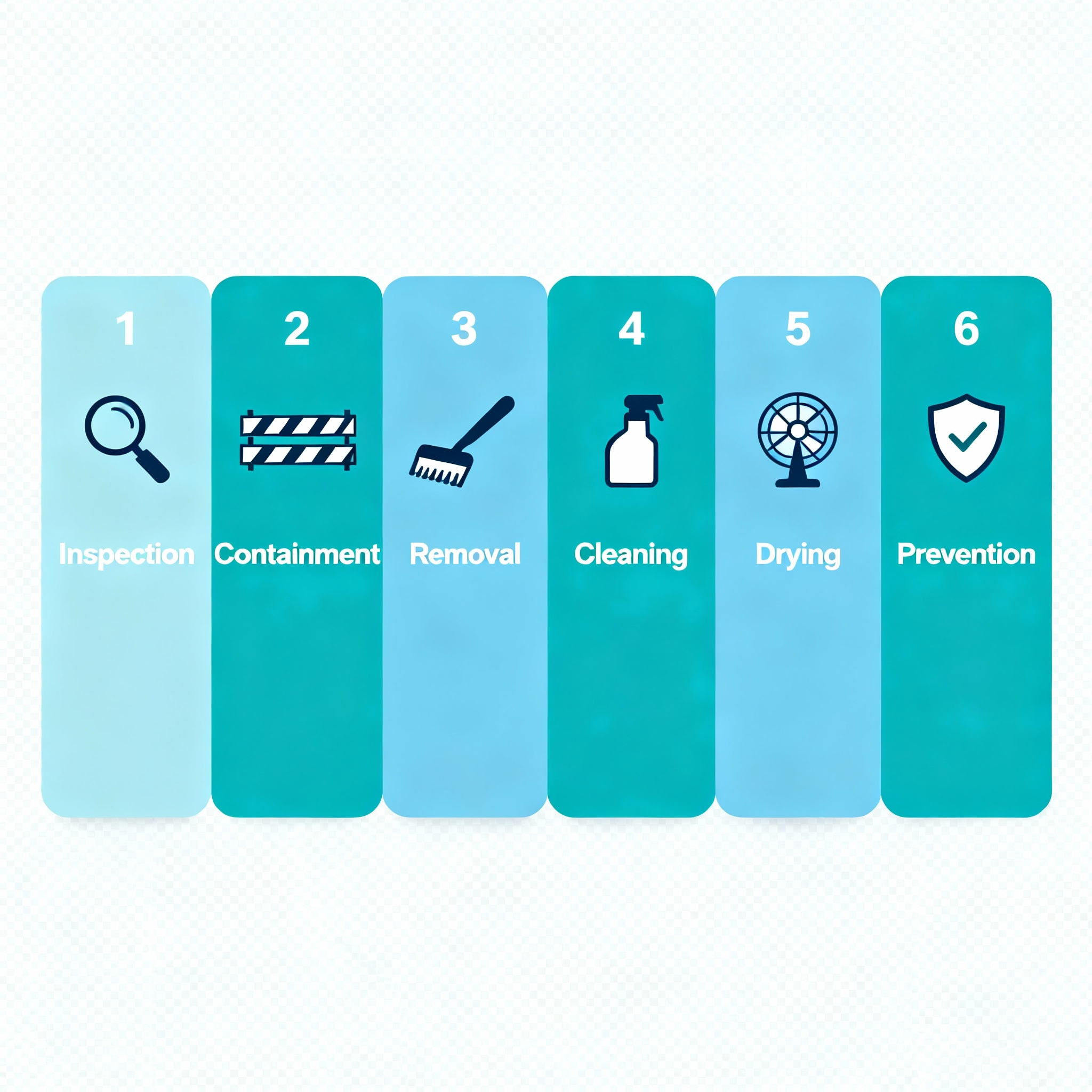
How professional mold remediation works
1. Inspection and testing
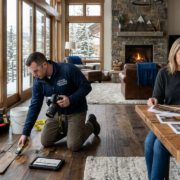
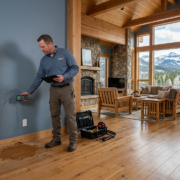
A thorough remediation begins with a visual inspection plus moisture mapping, and when needed, air or surface testing. Technicians identify the moisture source, map affected areas, and recommend targeted actions. Linking inspection findings to any prior water extraction is essential to avoid repeat problems.
2. Containment
Containment prevents mold spores from spreading during cleanup. This may include negative air machines with HEPA filtration, plastic containment barriers, and restricted access to work zones.
3. Removal and cleaning
Remediation teams remove contaminated materials that cannot be salvaged, such as saturated drywall or carpet padding. Salvageable surfaces are cleaned with EPA-registered products and HEPA vacuuming. All work follows industry standards to reduce microbial counts safely.
4. Drying and humidity control
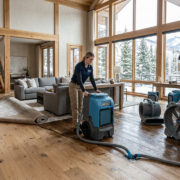
After removal, drying and dehumidification are critical. Proper drying prevents mold regrowth. Helpers Restoration pairs moisture control with drying plans that include desiccant or refrigerant dehumidifiers and continuous moisture monitoring.
5. Repairs and prevention
Once cleaned and dried, repairs restore the property. Technicians also recommend prevention steps, such as improved ventilation, insulation fixes, and landscaping adjustments to keep foundation water away from structures.
Local risks and common mold sources in Aspen and the Valley
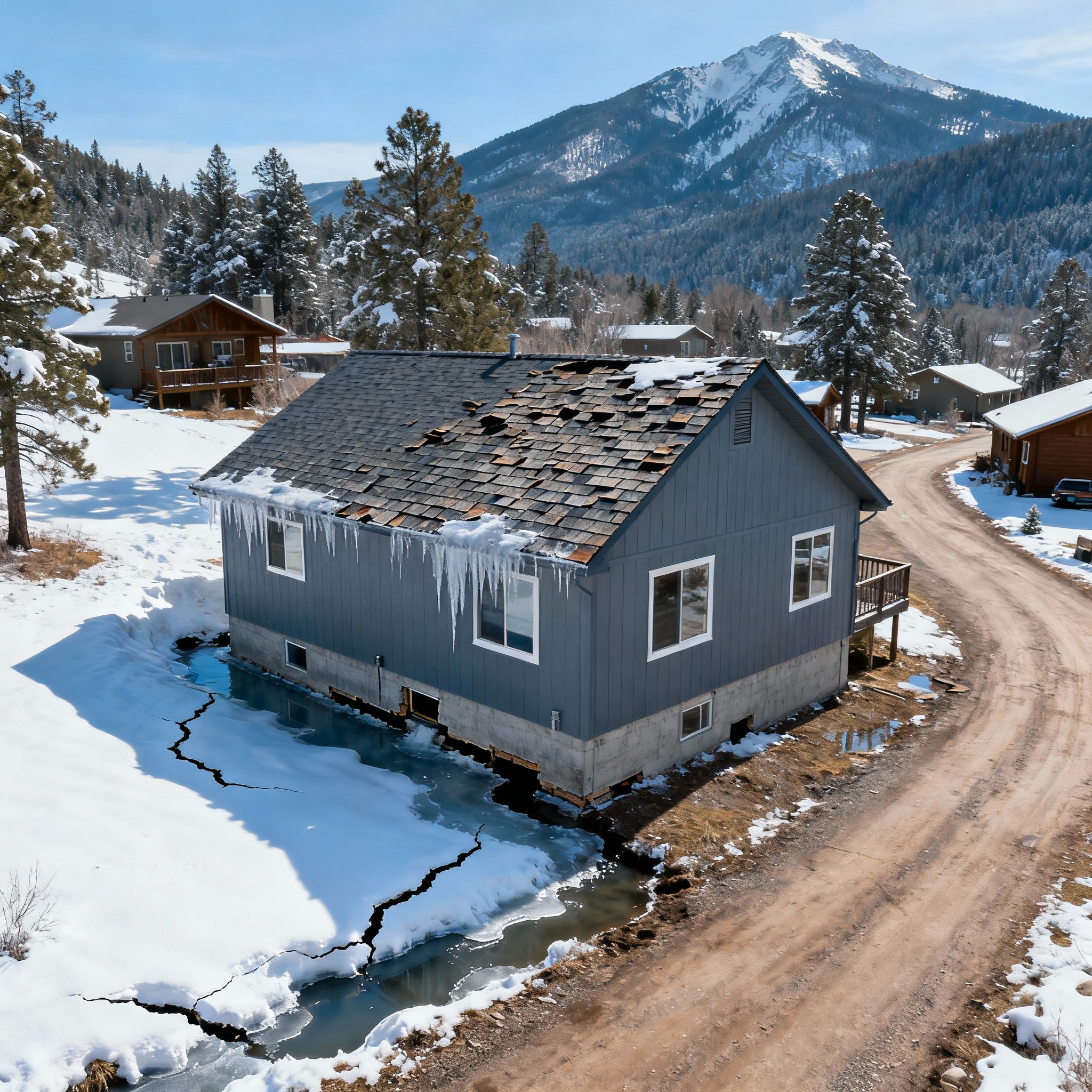
- Snowmelt and spring runoff leading to foundation seepage.
- Freeze-thaw cycles causing roof and pipe failures.
- Condensation in high-humidity areas like bathrooms and crawlspaces.
- Older vacation homes with deferred maintenance.
Understanding these local drivers helps shape an effective remediation plan that reduces recurrence.
Working with insurance and documentation
Mold claims often hinge on documenting the water event and timely mitigation. Certified providers supply detailed reports, moisture logs, photos before and after remediation, and invoices that support claims. Helpers Restoration assists with claim documentation and works directly with carriers when requested, streamlining recovery for homeowners and property managers.
Preventive measures every homeowner should know
- Fix leaks immediately, even small ones, then dry the area within 24–48 hours.
- Keep indoor humidity between 30 and 50 percent with dehumidifiers when needed.
- Ensure gutters and grading direct water away from the foundation.
- Install water detection devices in basements, mechanical rooms, and under sinks.
- Schedule seasonal checks after heavy snowmelt and storms.
When to call professionals
Call professionals when:
- Mold covers a large area, typically greater than a 10 sq ft patch.
- You discover mold after a sewage backup or contaminated flood.
- You or household members experience persistent respiratory issues that correlate with mold sightings.
- Moisture problems persist despite DIY fixes.
For immediate help after a leak or flood, contact Helpers Restoration for 24/7 emergency response, water extraction, drying, and mold remediation.
Services for the Roaring Fork Valley
Helpers Restoration provides integrated solutions across the region, including water damage cleanup in Aspen, flood restoration in Basalt, and mold remediation in Carbondale and Snowmass Village. See service pages for details:
- Full water restoration services in Aspen and the valley, with emergency response and drying plans, at https://helpersrestoration.com/water-damage/aspen/.
- Comprehensive water damage services across the region at https://helpersrestoration.com/water-damage/.
- Local support in Basalt and Carbondale with targeted flood and moisture solutions at https://helpersrestoration.com/water-damage/basalt/ and https://helpersrestoration.com/water-damage/carbondale/.
- Sewage cleanup and hazardous water handling at https://helpersrestoration.com/sewage-backup-cleanup-service/.
- Related fire, smoke, and mold services for full-property recovery at https://helpersrestoration.com/fire-damage/ and https://helpersrestoration.com/mold-damage/.
FAQs
How quickly does mold spread after water damage?
Mold can begin to grow within 24 to 48 hours on wet materials. Rapid drying and professional intervention reduce spread and long-term damage.
Can I clean mold myself?
Small, non-porous patches may be cleaned safely with proper PPE, but large or hidden mold requires professional containment and remediation to avoid spread and health risks.
Will mold remediation remove all spores?
No process removes every spore, because spores are common outdoors. Effective remediation reduces indoor concentrations to safe levels and removes active colonies and moisture sources.
How much does mold remediation cost in the Roaring Fork Valley?
Costs vary by size, contamination type, and required repairs. A certified inspection and estimate are needed for an accurate quote. Helpers Restoration provides transparent estimates and works with insurance when possible.
Does insurance cover mold remediation?
Coverage depends on your policy and the cause. Sudden, accidental water events often qualify, while unresolved maintenance issues may not. Documenting the water event and mitigation helps with claims.
How do you prevent mold after a flood?
Immediate water extraction, thorough drying, removal of saturated porous materials, and humidity control are key. Also fix sources of water entry and consider mold-resistant materials where possible.
Do you offer emergency mold response in Snowmass and Glenwood Springs?
Yes. Helpers Restoration operates across the Roaring Fork Valley, including Snowmass Village and Glenwood Springs. Check local service pages for specifics at https://helpersrestoration.com/water-damage/snowmass/ and https://helpersrestoration.com/water-damage/glenwood-springs/.
Summary
Mold after water damage is a regional reality in Aspen and the Roaring Fork Valley, but it is solvable. Fast assessment, targeted containment, thorough removal, and professional drying are how you stop mold for good. Combining water damage mitigation with certified mold remediation protects health and property value.
Ready for fast, certified help?
If you see mold or experienced a water event, call Helpers Restoration now for 24/7 emergency cleanup and mold remediation. Call (970) 927-3600 or visit https://helpersrestoration.com/ to request immediate service. Our local teams in Aspen, Basalt, Carbondale, Snowmass Village, and Glenwood Springs respond quickly, document work for insurance, and restore your home with care.
Conclusion
Dealing with mold is stressful, but you do not have to handle it alone. Local, certified teams that pair water damage restoration with professional mold remediation deliver the fastest, most reliable outcomes. Protect your family, your structure, and your investment by addressing moisture and mold at the same time, and lean on Helpers Restoration for local expertise and 24/7 support.