Water Damage Aspen: Prevent & Remove Mold After Flood Damage
Flooding is stressful, and the clock starts ticking the minute water touches your floors. Acting quickly limits destruction and stops mold from taking hold, which is crucial for homes in Aspen and the Roaring Fork Valley.
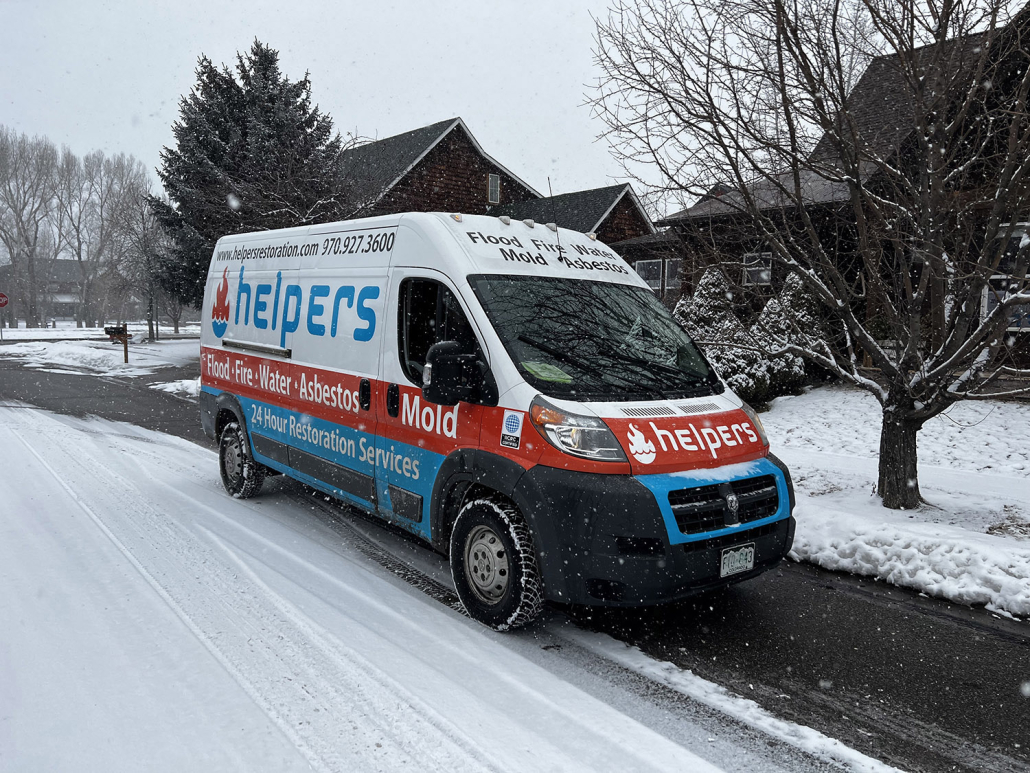
When you need local expertise, water damage Aspen response should be fast, certified, and insurance-friendly. This guide walks you through safe steps to remove mold after flood damage, what to leave to professionals, and how Helpers Restoration can help get your home back to normal.
Why mold grows after flood damage and why speed matters
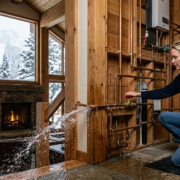
Mold can start growing within 24 to 48 hours on wet materials like drywall, insulation, and carpets. Floodwater worsens the risk because it often contains contaminants that feed microbial growth. In Aspen and nearby towns such as Basalt and Carbondale, lingering moisture from snowmelt or burst pipes can magnify the problem if not addressed quickly.
Here’s the thing, drying is prevention. Remove water, dry materials, and control humidity fast to block mold growth. If mold already appears, professional remediation ensures safe removal and prevents recontamination.
Immediate steps you should take after a flood
1. Ensure safety first
- Turn off electricity if water is high or wires are wet, but only when it is safe to do so. If unsure, wait for a pro.
- Avoid wading into contaminated floodwater, especially if sewage is involved.
2. Call for emergency water cleanup
For rapid response in Aspen, call Helpers Restoration at (970) 927-3600 for 24/7 emergency water cleanup. Professionals perform fast water extraction, structural drying, and mold prevention to reduce long-term damage. See our water damage services and local pages for Aspen and nearby communities: Water Damage Services, Water Damage Aspen, Basalt Flood Restoration.
3. Remove valuables and ventilate where safe
- Move undamaged furniture and valuables to a dry area.
- Open windows and run fans only if the outdoor air is dry and safe, and you have removed standing water first.
How pros remove mold after flood damage: step-by-step
Assessment and containment
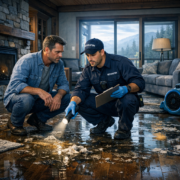
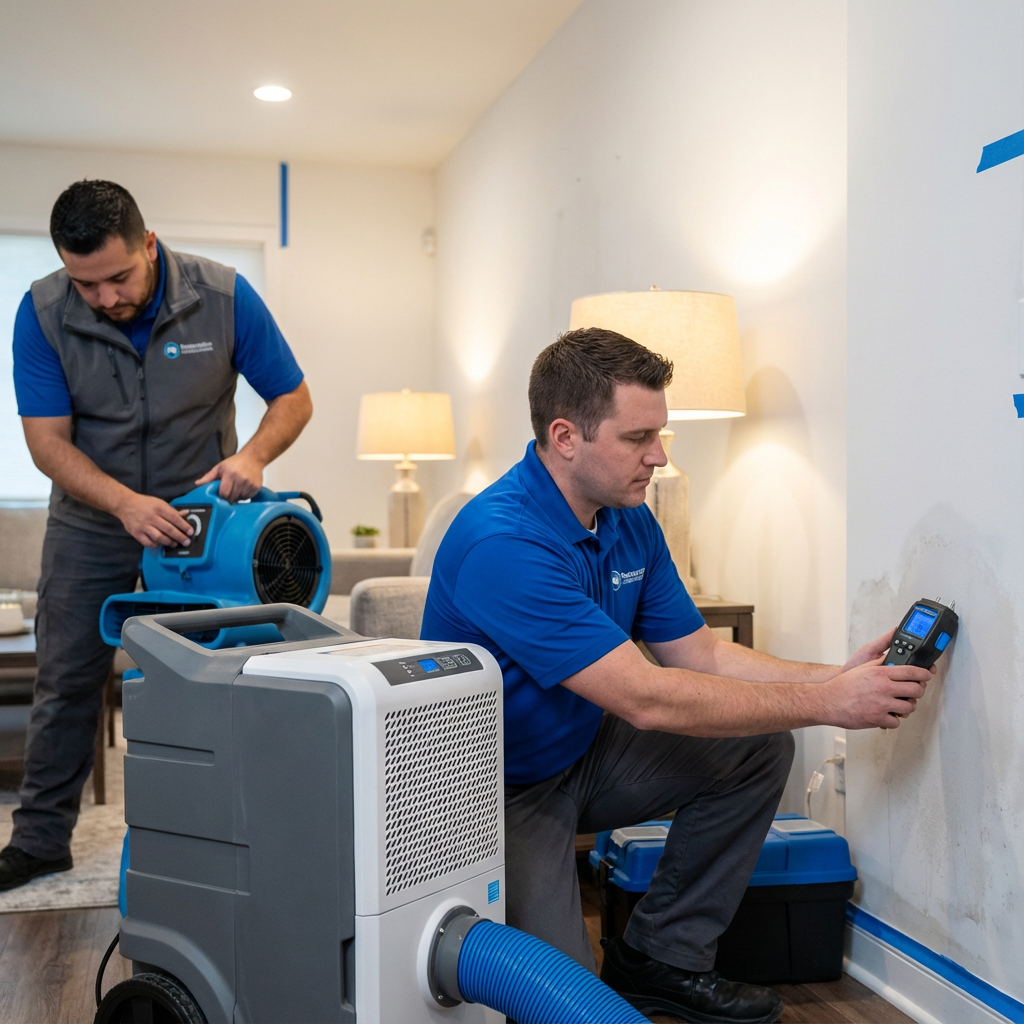
A certified team inspects moisture levels and the extent of contamination. They set containment barriers to stop mold spores from spreading, especially when removing porous materials.
Water extraction and structural drying
High-capacity pumps, truck-mounted vacuums, air movers, and dehumidifiers remove water and moisture from structural cavities. This step is critical to prevent mold from reestablishing.
Remove and dispose of unsalvageable materials
Porous materials contaminated with floodwater, like soaked drywall, carpeting with padding, and some insulation, often must be removed and replaced. Proper disposal prevents further contamination.
Mold remediation and cleaning
Technicians use HEPA filtration, antimicrobial cleaners, and industry-standard removal methods to treat affected areas. They clean, sanitize, and where necessary, perform controlled demolition followed by reconstruction.
Verification and monitoring
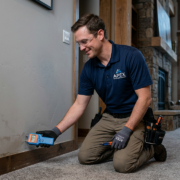
Moisture meters and follow-up inspections confirm the home is dry and mold-free. Documentation helps with insurance claims and gives you peace of mind.
DIY vs professional mold remediation: what you can do safely
You can safely:
- Remove wet, non-porous items (metal, hard plastics) and clean them with detergent.
- Start moving small, dryable belongings to a clean area.
Avoid attempting to remediate visible mold on large areas, or areas affected by sewage-contaminated water. Professionals have PPE, containment tools, and the training to stop cross-contamination.
If the flood affected your HVAC, or mold is widespread, call certified mold remediation services right away. Helpers Restoration provides mold remediation and works with insurance to simplify the process. Learn more here: Mold Damage and Sewage Cleanup Services.
Preventing mold after the cleanup
- Continue running dehumidifiers until humidity stays under 50 percent.
- Repair leaks and improve drainage around the foundation.
- Replace insulation and drywall that were removed during remediation.
- Schedule follow-up moisture scans and inspections.
Local homes in Snowmass Village and Glenwood Springs often face seasonal moisture cycles. Professional drying plans account for local climate and building types to prevent future issues. See our Snowmass and Glenwood Springs pages: Snowmass Services, Glenwood Springs Services.
Working with insurance during mold and flood claims
Document damage with photos, keep receipts for emergency expenses, and get a professional scope from your restoration company. Helpers Restoration uses industry-standard estimating and can bill directly to most insurance carriers, helping you get the coverage you deserve.
Signs you need professional mold remediation now
- Visible mold on walls, ceilings, or floors
- Persistent musty odors after drying
- Health symptoms like coughing or allergic reactions in multiple occupants
- Black water contamination or sewage involvement
If any of these apply, call Helpers Restoration at (970) 927-3600 for an immediate inspection and remediation plan.
Summary
Quick extraction, thorough drying, and proper mold remediation stop small flood problems from becoming long-term health and structural issues. Local, certified response matters in Aspen and the Roaring Fork Valley because climate and building types affect drying and restoration strategies.
Frequently asked questions
How quickly does mold start after flood water soaks a house?
Mold can begin growing in 24 to 48 hours under the right conditions. Fast extraction and drying are essential.
Can I clean mold myself after a small flood?
Small, isolated mold on non-porous surfaces may be cleaned safely, but extensive contamination, visible mold on porous materials, or any black water events should be handled by professionals.
Will homeowners insurance cover mold after a flood?
Coverage varies by policy and cause. Document damage and work with your insurer. Helpers Restoration assists with claims and direct billing to many carriers.
How long does the mold remediation process take?
Typical remediation takes days to weeks depending on severity. Full restoration, including rebuilds, may take longer.
What equipment is used to dry a flooded home?
Professionals use pumps, truck-mounted extractors, air movers, desiccant or refrigerant dehumidifiers, and moisture meters to verify dryness.
Do I need to replace my HVAC system after flood damage?
Not always. HVAC units exposed to contaminated floodwater may require cleaning or replacement. Have a pro inspect HVAC ducts and coils.
How can I prevent mold in basement or crawlspaces?
Improve exterior drainage, install or repair sump pumps, insulate pipes, and maintain humidity below 50 percent.
Ready for help in Aspen and the Roaring Fork Valley?
If you have flood-related mold or water damage, call Helpers Restoration now at (970) 927-3600 for 24/7 emergency cleanup and certified mold remediation. Get a fast inspection and a clear plan to restore your home: https://helpersrestoration.com/.
Conclusion
Mold after flood damage is time-sensitive. Move quickly, protect your family, and rely on local professionals who know Aspen, Basalt, Carbondale, Snowmass Village, and Glenwood Springs. Helpers Restoration combines emergency water extraction, structural drying, and certified mold remediation so you can reclaim your home safely and speedily.