water damage Aspen: Restoration Timeline and What to Expect Now
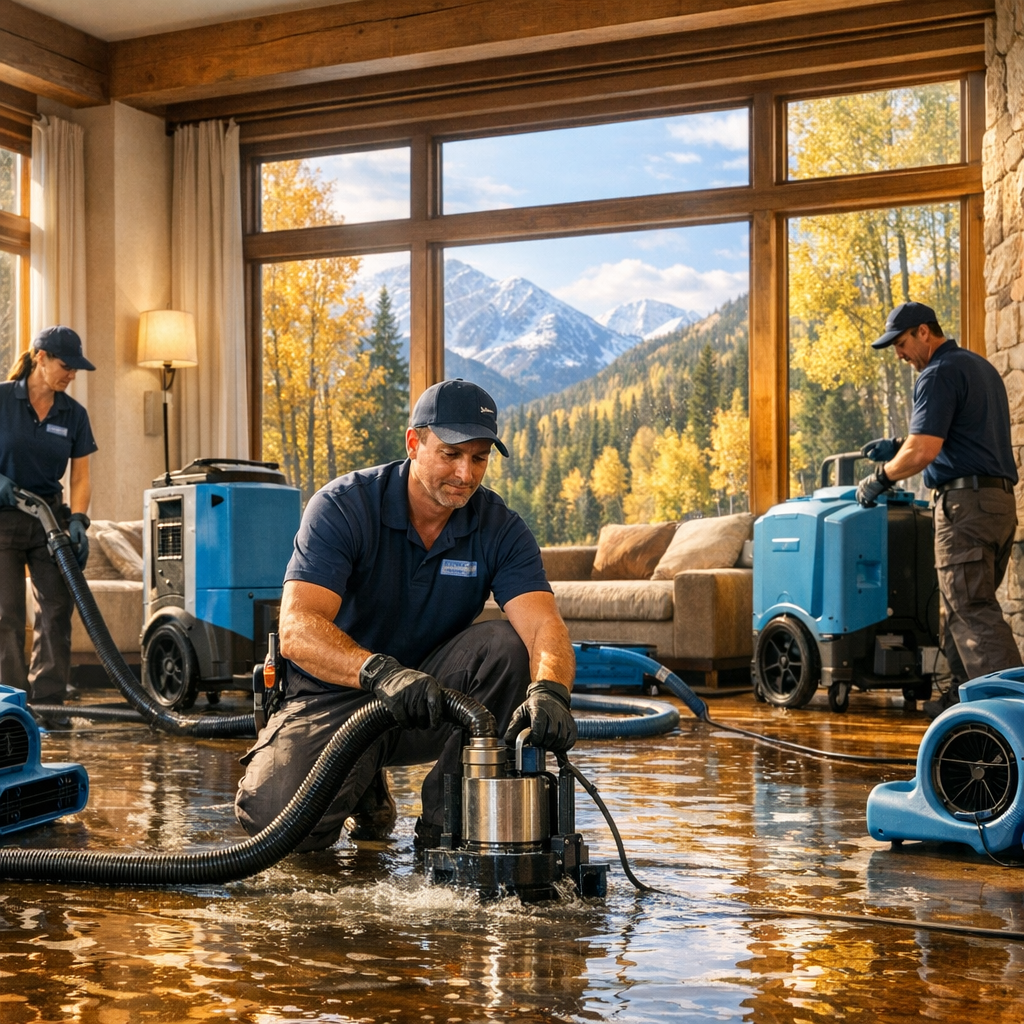
When water hits a home in Aspen, every minute matters. You want clear expectations: how long will cleanup and restoration take, when can you move back in, and what will insurance cover? In this guide I’ll break down realistic timelines, the steps professionals follow, and what homeowners and property managers in Aspen, Basalt, Carbondale, Snowmass Village, Glenwood Springs, and the Roaring Fork Valley should expect.
I’ll also show you what speeds up the process and what slows it down so you can make faster, better decisions when the unexpected happens. If you need immediate help, call Helpers Restoration at (970) 927-3600 for 24/7 emergency water cleanup in Aspen.
Quick Summary
- Small leaks or minor water events: often 1–3 days for drying and mitigation.
- Moderate flooding or burst pipes: typically 3–10 days for extraction and drying, plus repairs.
- Major flood, sewage, or structural damage: weeks for full restoration, months if rebuilds and permits are required.
Why timelines vary, and what affects the schedule
Several factors determine how long water damage restoration takes:
- Water source and category: clean water from a supply line is faster to remediate than contaminated sewage or floodwater, which require extra safety and disposal steps.
- Volume and penetration: shallow carpet saturation dries faster than standing water soaking framing or insulation.
- Building materials: hardwood, plaster, brick, and insulation dry at different rates and may need partial replacement.
- Climate and season: Aspen’s mountain climate can slow drying in winter if outdoor drying is required, and frozen conditions may increase response time.
- Accessibility and approvals: permit needs, insurance approvals, and access to power or neighboring areas can add days.
Typical step-by-step timeline for restoration
1) Emergency response and extraction: 0–24 hours
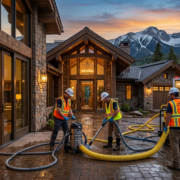
Immediate steps reduce long-term damage. A certified crew will arrive to stop the source, extract standing water, and perform an initial assessment. Fast extraction prevents secondary damage and mold growth.
2) Assessment and scope documentation: 1 day
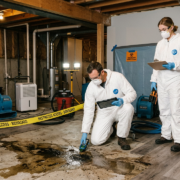
Technicians document damage, map affected areas, and create a drying plan. Helpers Restoration works with insurers and provides clear documentation to speed approvals.
3) Structural drying and dehumidification: 2–7 days (often longer for heavy damage)
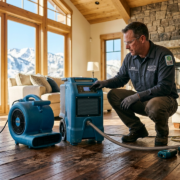
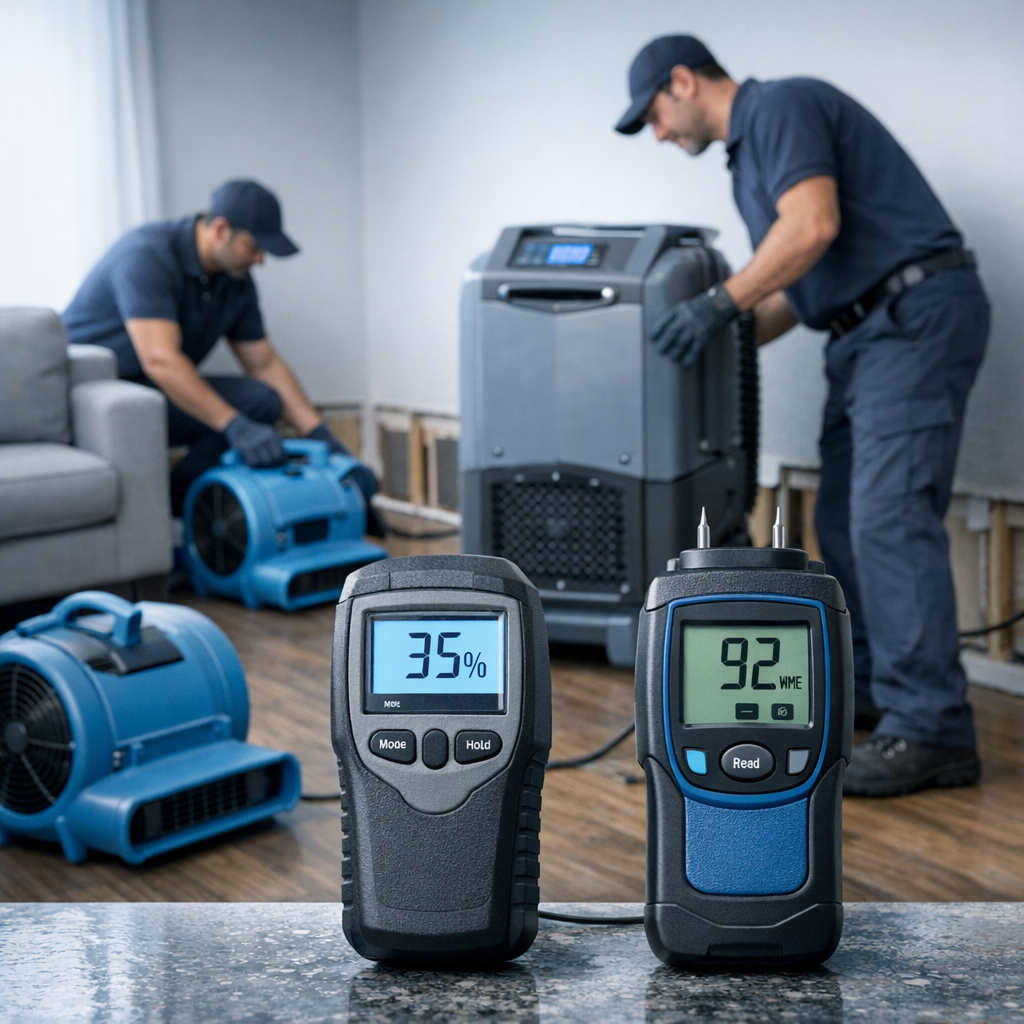
With pumps and industrial air movers in place, drying begins. Typical residential jobs finish this step within 3–7 days, but saturated wall cavities, subfloors, or high-moisture-content materials can take longer. Technicians monitor moisture daily and adjust equipment until target moisture levels are achieved.
4) Mold prevention and remediation (if needed): 3–14 days
If water sits too long or contamination is present, mold remediation may be required. Small mold jobs or preventive anti-microbial treatments add a few days. Active mold requiring containment and removal will extend project time.
5) Repairs and reconstruction: days to months
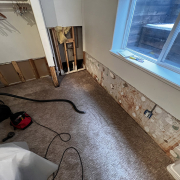
Cosmetic repairs—carpet replacement, drywall patching, paint—can often be completed in days to a few weeks. Major reconstruction, framing repairs, or full room rebuilds with permits can take several weeks to months depending on scope.
Typical timelines by scenario (realistic examples)
- Minor appliance leak (kitchen dishwasher): 1–3 days total, often completed without major repairs.
- Burst pipe affecting one room: 3–10 days including extraction, drying, and drywall repairs.
- Basement flood from storm runoff: 7–21 days if decontamination and structural drying are needed.
- Sewage backup or Category 3 water: 2–6 weeks, because of hazardous waste removal, deep cleaning, and replacement of non-salvageable materials.
- Major flood with structural compromise: 1–3+ months, depending on rebuild complexity and permitting.
How Helpers Restoration speeds the process in Aspen and the Roaring Fork Valley
- 24/7 emergency response reduces initial damage and mold risk.
- Local crews know Aspen-area permitting, climate challenges, and local contractors.
- Insurance coordination helps avoid delays caused by paperwork.
- Advanced drying equipment and daily moisture tracking cut unnecessary days from schedules.
If you want to learn more about our full suite of services, see Helpers Restoration’s water damage services and local pages: Water Damage Services, Aspen Water Damage Restoration, Basalt Flood Restoration, and Snowmass Water Damage Cleanup.
What you can do right away to shorten restoration time
- Shut off the water source and electricity to affected areas if safe.
- Move valuables and textiles to a dry area.
- Open doors and vents when not freezing outside to promote airflow.
- Avoid DIY demolition that could hide damage or void insurance claims.
- Call a certified restoration company immediately, and document damage with photos for your claim.
Working with insurance: timing and tips
Approval and inspections can add time. Helpers Restoration documents damage thoroughly and can work directly with your insurer to streamline approvals. Always notify your carrier as soon as possible and keep records of communications.
FAQs
How long until I can safely return home after water damage?
Most small-to-moderate jobs finish in days, but if structural drying or mold remediation is required, return may take a week or more. Your restoration pro will confirm safe re-entry based on moisture readings and air quality checks.
Does winter in Aspen make drying slower?
Cold outdoor temperatures can limit some drying strategies, but experienced local crews use controlled heated air movers and dehumidifiers so winter adds only minimal time when managed correctly.
Will my hardwood floors be ruined and how long to repair them?
Hardwoods often need sanding and refinishing after drying, which can add 3–14 days depending on the area affected. If cupping or buckling is severe, partial replacement may be needed and extend timelines.
How soon does mold start after water damage?
Mold can begin to grow within 24–48 hours in damp conditions. Fast extraction and drying within the first 24–72 hours greatly reduces mold risk.
What’s the difference between water extraction and full restoration?
Extraction is removal of standing water. Full restoration includes structural drying, cleaning, mold prevention, and repairs to return the property to pre-loss condition.
How does Helpers Restoration handle sewage or contaminated water?
We follow strict safety protocols, contain and remove hazardous materials, dispose of contaminated items, and perform deep cleaning and disinfection. These jobs require extra steps and time for safety.
Can I speed up the process by starting repairs myself?
Avoid major demolition or repairs before assessment and documentation. Well-meaning DIY work can hide damage, complicate insurance claims, or introduce delays. Contact a certified team first.
Ready for fast, local help?
When minutes count, call Helpers Restoration. We provide 24/7 emergency water extraction and full restoration across Aspen and the Roaring Fork Valley. Call (970) 927-3600 now or visit https://helpersrestoration.com/ to request immediate service.
Conclusion
Water damage timelines range from a couple of days for minor leaks to weeks or months for major floods and reconstruction. The fastest way to reduce downtime is immediate professional extraction, accurate documentation, and a local team that knows Aspen’s climate and insurance processes. Helpers Restoration combines rapid response, advanced drying, and insurance coordination to get you back to normal as quickly and safely as possible. When it matters most, call (970) 927-3600 or visit Helpers Restoration online for emergency water cleanup and restoration in Aspen and nearby towns.
Summary
If you need a quick takeaway: small events usually resolve within days, moderate damage takes a week or two, and major floods or contaminated water may take several weeks to months. Acting fast prevents mold and keeps repair time and costs down. Helpers Restoration is available 24/7 to assess, extract, dry, and restore your property in Aspen and the Roaring Fork Valley.