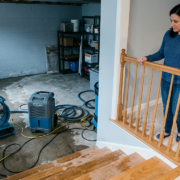
Water Damage Aspen: Sewage Cleanup Process and Safety Guides
Dealing with a sewage backup is stressful, but knowing the cleanup steps and safety priorities helps you protect your home, family, and belongings while speeding recovery. This guide walks you through the sewage cleanup process, safety best practices, and when to call certified pros.
If you need fast, certified help in the Roaring Fork Valley, water damage Aspen specialists at Helpers Restoration offer 24/7 emergency response, sewage cleanup, and insurance assistance.
Why sewage cleanup is different from regular water cleanup
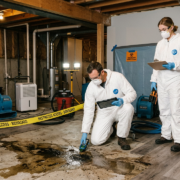
Sewage is category 3 water, meaning it contains bacteria, viruses, parasites, and chemical contaminants that can cause illness and structural damage. Unlike clean water from a supply line, sewage requires personal protective equipment, isolation of the affected area, and thorough disinfection. Acting quickly reduces risk of mold, lingering odors, and costly repairs.
Step-by-step sewage cleanup process
1. Secure the scene and protect people
- Evacuate occupants from the contaminated area until professionals assess safety. Children, pets, and immunocompromised people should stay away.
- Turn off electricity to affected rooms if safe to do so, and avoid walking through contaminated water.
2. Stop the source and call for help
- If the sewage backup stems from a known source like a blocked sewer line, try to stop further flow by closing valves where possible. Do not attempt major plumbing repairs yourself.
- Contact certified emergency responders for sewage backup cleanup. Helpers Restoration provides 24/7 emergency water extraction and sewage cleanup services across Aspen, Basalt, Carbondale, Snowmass Village, and the Roaring Fork Valley. See our dedicated sewage service page for more details: https://helpersrestoration.com/sewage-backup-cleanup-service/.
3. Document damage for insurance
- Take photos and short videos of affected areas, contents, and any visible damage before cleanup begins. Keep records of emergency calls and receipts.
- Helpers Restoration works with insurance companies and can assist with documentation during restoration.
4. Remove contaminated water and solids
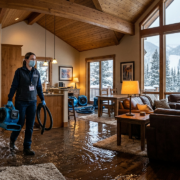
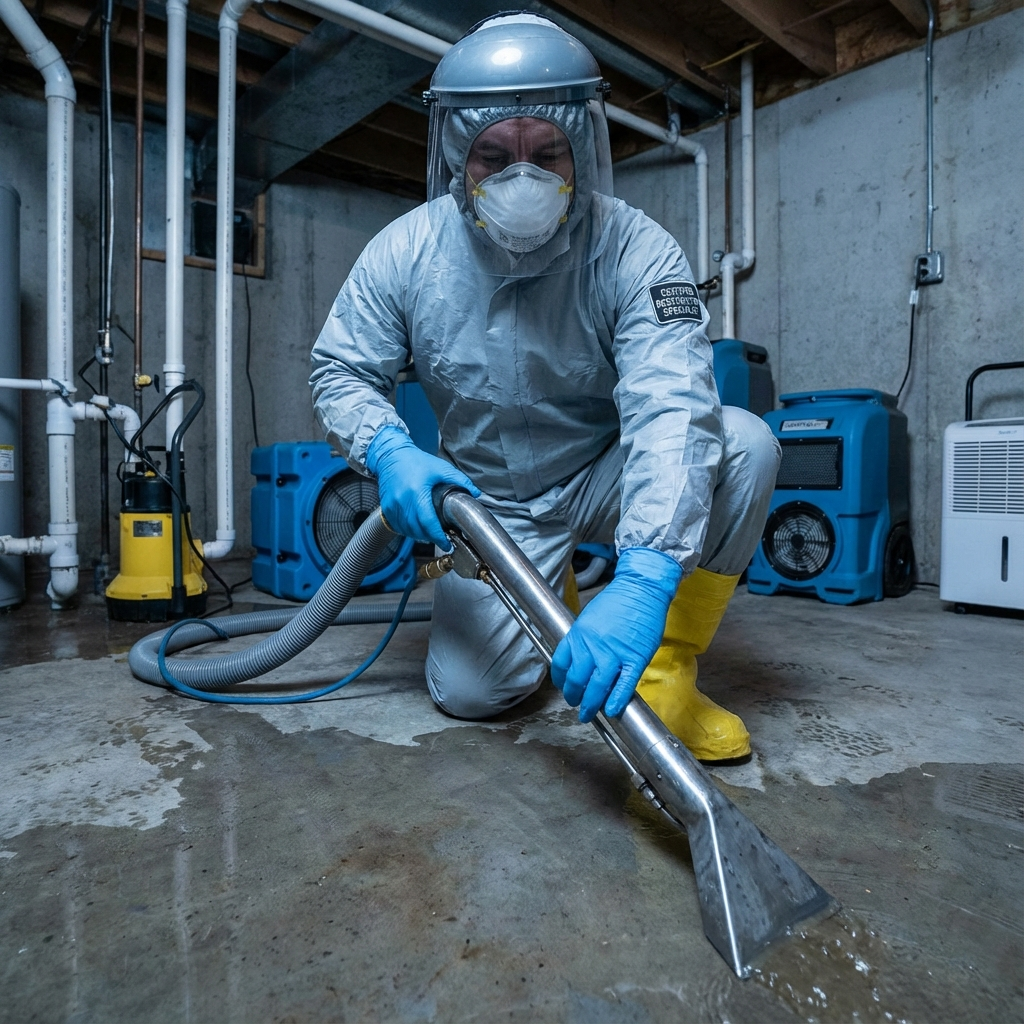
- Professionals use submersible pumps, wet vacuums, and containment methods to extract sewage safely and remove solids.
- All materials soaked with sewage—porous items like carpet, padding, and some drywall—are often removed and disposed of according to local regulations.
5. Thorough cleaning and disinfection
- Trained technicians clean hard surfaces with detergents, then apply EPA-registered disinfectants to kill pathogens.
- Air scrubbing, HEPA filtration, and negative pressure containment help limit cross-contamination to unaffected areas.
6. Drying and moisture control
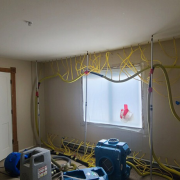
- Drying equipment like axial fans, air movers, and commercial dehumidifiers restore moisture levels to avoid mold growth. Technicians monitor moisture with meters and log drying progress.
- For water damage in Aspen and nearby towns, prompt drying is essential during colder months when freeze risk and closed indoor environments increase mold potential. Check our water damage services page for local drying and dehumidification options: https://helpersrestoration.com/water-damage/.
7. Repair, deodorize, and restore
- Once the area is safe and dry, restoration teams repair structural components, replace removed materials, and deodorize to remove persistent sewage smells.
- Helpers Restoration provides full water damage repair and mold remediation services across the region: https://helpersrestoration.com/mold-damage/ and https://helpersrestoration.com/water-damage/aspen/.
Key safety precautions you must follow
- Do not enter sewage-contaminated areas without PPE. Even brief exposure can cause illness.
- Keep HVAC systems off in affected areas to avoid spreading contaminants through ductwork.
- Do not attempt to disinfect porous items like carpets or upholstered furniture unless a professional evaluates them.
- Avoid using household bleach mixes improperly. Professionals use EPA-registered disinfectants at the correct concentrations and contact times.
When to call professionals vs. DIY
Call certified pros when:
- The sewage covers more than a small area, or it soaked carpets, drywall, or insulation.
- You smell strong sewage odors after initial cleanup.
- You detect mold growth, persistent moisture, or structural concerns.
You may be able to manage very small, contained incidents with PPE and a careful cleaning plan, but the safest and fastest path to a full recovery usually involves an experienced restoration team.
For rapid emergency response in Aspen and the Roaring Fork Valley, including Glenwood Springs and Snowmass, contact Helpers Restoration at (970) 927-3600 or visit https://helpersrestoration.com/water-damage/glenwood-springs/.
Preventive tips to reduce sewage backup risk
- Have your sewer lateral inspected and cleaned regularly, especially in older properties.
- Install a backflow preventer valve if your property is prone to basement backups.
- Avoid flushing wipes, grease, and non-flushable items.
- During heavy storms, keep gutter downspouts and grading away from the foundation to reduce groundwater pressure on sewer systems.
Summary
Sewage cleanup is a high-risk, technical process that combines containment, extraction, disinfection, and drying to protect health and property. Fast action, proper PPE, and certified restoration experts make the difference between a manageable loss and long-term damage. Helpers Restoration offers 24/7 emergency sewage and water cleanup across Aspen, Basalt, Carbondale, Snowmass Village, Glenwood Springs, and the Roaring Fork Valley.
Frequently asked questions
How long after a sewage backup can I re-enter my home?
You can re-enter only after a professional confirms the area is cleaned, disinfected, and safe. This minimizes exposure to pathogens and hidden contamination.
Will my homeowner's insurance cover sewage cleanup?
Coverage varies by policy and cause. Sudden sewer backups are often covered, while long-term maintenance issues may not be. Document damage and contact your insurer promptly. Helpers Restoration can help with insurance claim assistance.
Can I dry and disinfect my carpet after sewage contamination?
Porous materials like carpet and padding usually require removal and replacement after sewage exposure. Professionals will assess salvageability based on contamination level and material condition.
What health risks should I worry about after sewage exposure?
Sewage can carry bacteria, viruses, and parasites that cause gastrointestinal, respiratory, and skin infections. Vulnerable individuals—children, older adults, and immunocompromised people—face higher risks.
How do technicians prevent cross-contamination during cleanup?
Technicians use containment barriers, negative pressure, HEPA air scrubbing, and strict PPE protocols. They also follow step-by-step decontamination and waste disposal procedures.
How long does the professional sewage cleanup process take?
Cleanup time depends on contamination extent. Extraction and initial cleaning may take hours, while full drying and restoration can take days to weeks. Technicians provide a timeline after assessment.
Do I need mold remediation after sewage cleanup?
If moisture remains or mold is visible, remediation is necessary. Prompt drying reduces mold risk, but ongoing monitoring ensures a safe environment. Helpers Restoration offers combined mold remediation and water damage repair services: https://helpersrestoration.com/mold-damage/.
Get fast, local help now
If you have a sewage backup or any emergency water problem in Aspen, Basalt, Carbondale, Snowmass Village, Glenwood Springs, or the Roaring Fork Valley, call Helpers Restoration now. We provide 24/7 emergency sewage cleanup, water extraction, drying and dehumidification, and insurance claim support. Call (970) 927-3600 or visit https://helpersrestoration.com/ to request immediate service.
Conclusion
Sewage backups are stressful, but you do not have to handle them alone. Prioritize safety, document the damage, and call certified restoration professionals who understand local conditions and insurance processes. Helpers Restoration combines fast response, proven procedures, and compassionate support to restore safety and comfort to your home or business in Aspen and the Roaring Fork Valley.