Water Damage Aspen: Signs of Mold After a Water Leak (Glenwood)
When a hidden leak turns into a longer problem, small changes in your home become the first clues. You might notice a faint, musty odor in a hallway or a dark spot appearing on drywall, and those are not things to ignore. If you live in Glenwood Springs or anywhere in the Roaring Fork Valley, recognizing early signs of mold after a water leak can save you money and keep your family healthy. In this guide you will learn how to spot the common visual, sensory, and structural signals that mold is taking hold after a leak, and what to do next.
Bold the focus keyword once in the opening for SEO: water damage Aspen
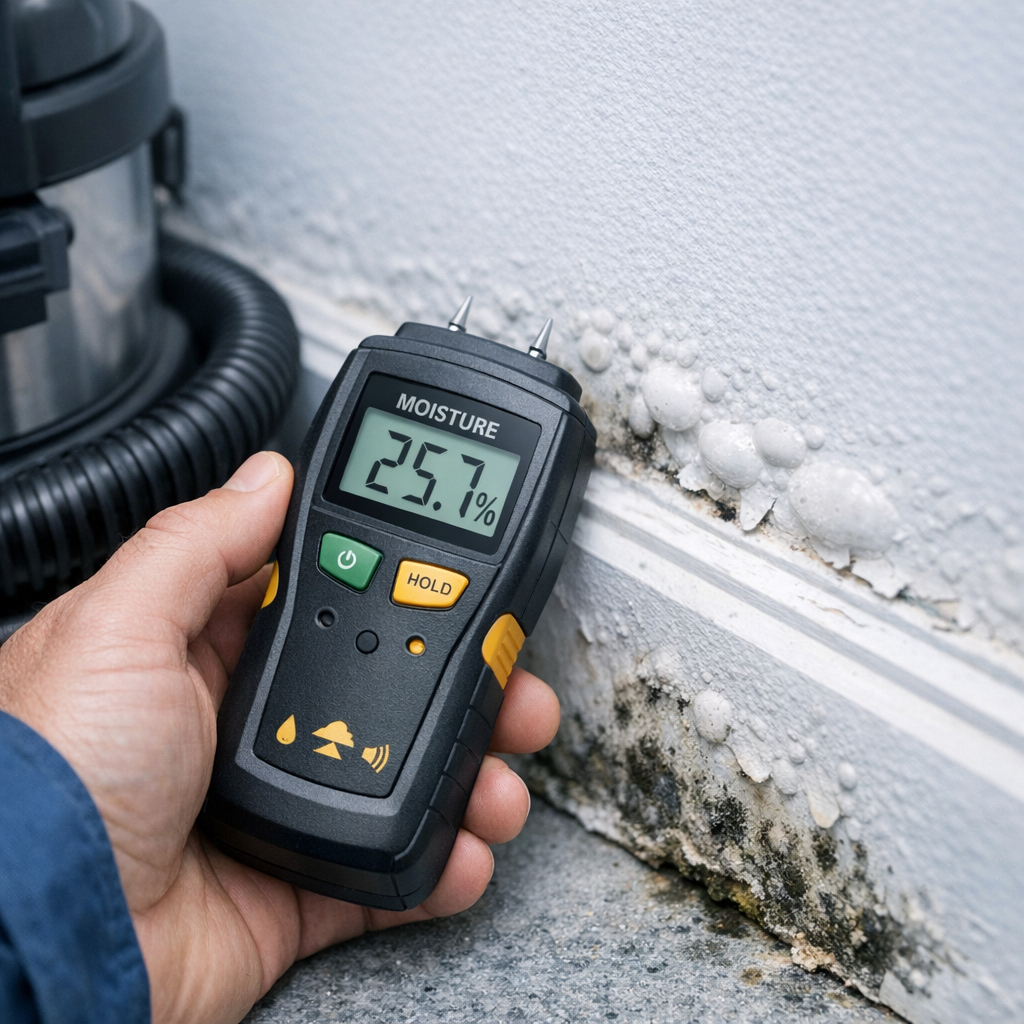
Why mold appears after a water leak in Glenwood Springs
Mold needs three things to grow: moisture, organic material, and time. A water leak provides the moisture, building materials like drywall and wood provide the food source, and within 24 to 72 hours mold spores can begin colonizing if the area stays damp. Glenwood Springs homes can be especially vulnerable because of winter pipe freezes, spring snowmelt, and older plumbing in historic houses. When a leak goes unnoticed, mold often shows up in hidden places first, behind cabinets, inside wall cavities, under flooring, and in ceiling voids.
Top signs of mold after a water leak
1. Musty or earthy odors
If a room smells stale, damp, or like a basement even when windows are open, that odor is often the earliest sign of mold growth. Odors can appear before visible patches do, because spores and microbial volatile organic compounds travel through HVAC systems and small cracks.
2. Visible discoloration or spots on surfaces
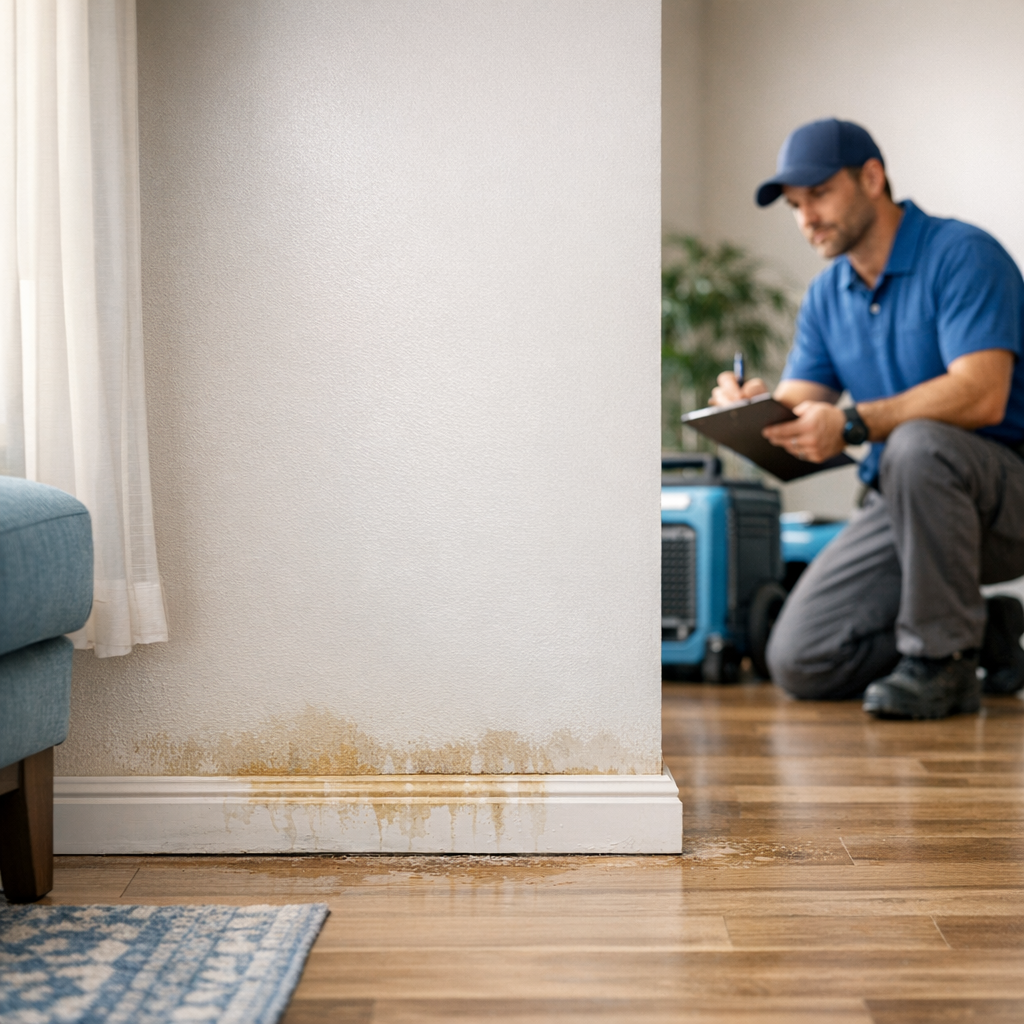
Look for black, green, brown, or gray spots on walls, ceilings, baseboards, and behind furniture. Small specks can quickly become larger patches. If paint or wallpaper shows water stains or dark rings, that suggests moisture has been present long enough for mold to develop.
3. Bubbling, peeling, or warped materials
Water weakens adhesives and materials. Paint may peel, wallpaper can bubble, and wood or laminate floors may cup or warp. These structural changes often indicate trapped moisture that invites mold.
4. Recurring respiratory symptoms or irritation
If household members develop unexplained coughing, sneezing, watery eyes, or sinus congestion that improve when away from the house, mold exposure might be the cause. People with allergies, asthma, or weakened immune systems are more sensitive.
5. Increased humidity and condensation
Persistent condensation on windows, pipes, or inside cabinets is a red flag. High indoor humidity above 50 percent creates a hospitable environment for mold, especially after a leak.
6. Staining or dark patches on insulation or ceiling tiles
Attics, crawlspaces, and ceiling tiles often hide leaks. Stains, darker fibers, or sagging insulation are signs moisture has been present and mold may be following.
7. A musty taste or standing dampness in closets or cabinets
Small enclosed spaces trap moisture. Check inside kitchen cabinets, closets under sinks, and vanity cabinets. Even slight dampness means conditions for mold growth exist.
Quick checklist to inspect after a water leak
- Smell every room, closet, and attic for mustiness.
- Inspect walls, ceilings, baseboards, and behind furniture for discoloration.
- Use a moisture meter if you have one, or call for a professional moisture scan.
- Look under carpets and behind baseboards for warping or staining.
- Check HVAC vents and filters for dust that smells damp.
If you find any of these signs, act quickly. Mold spreads fast and can damage materials and belongings.
What to do right away if you suspect mold after a leak
- Stop the water source if it is still active, and turn off electricity near wet areas if there is any risk.
- Remove wet items and prop up damp carpets and fabrics to air out if it is safe to do so.
- Call a 24/7 local restoration team that knows the area, like Helpers Restoration, to perform emergency drying and testing. Helpers offers fast response for water damage and mold remediation across Glenwood Springs and the Roaring Fork Valley. Visit their water damage services page for details: https://helpersrestoration.com/water-damage/.
Why professional testing and remediation matter
DIY cleaning may remove surface mold, but hidden contamination and moisture pockets will keep the problem alive. Certified technicians use moisture meters, thermal imaging, and containment practices to find hidden mold and dry building materials thoroughly. Professional remediation also documents the process for insurance claims and reduces the risk of recurrence. Helpers Restoration provides certified mold removal and works directly with insurers to streamline claims. See their mold services here: https://helpersrestoration.com/mold-damage/.
Local considerations: Glenwood Springs and the Roaring Fork Valley
Glenwood Springs properties face unique challenges: seasonal snowmelt, older plumbing, and occasional flooding. That means leaks can be unexpected and hidden in attics, crawlspaces, or under slab foundations. When you suspect mold, local expertise matters. Helpers serves Glenwood Springs specifically with targeted water damage and mold services: https://helpersrestoration.com/water-damage/glenwood-springs/.
Preventing mold after a leak
- Start drying within 24 hours, using air movers and dehumidifiers.
- Remove and replace porous materials that remain wet for more than 48 hours.
- Improve ventilation in bathrooms, kitchens, and basements.
- Insulate pipes and check roofs and gutters seasonally.
- Schedule a professional moisture scan if you have recurring damp spots.
Summary
Mold after a water leak starts small, but the signs are usually detectable: musty odors, discoloration, warped materials, and recurring health symptoms. Acting fast reduces repair costs and health risks. For homeowners and property managers in Glenwood Springs and across the Roaring Fork Valley, fast professional drying, testing, and remediation are the safest route.
Ready for fast, local help?
If you see any signs of mold after a water leak, call Helpers Restoration for 24/7 emergency cleanup and mold remediation. They serve Aspen, Basalt, Carbondale, Snowmass Village, Glenwood Springs, and the surrounding valley. Call (970) 927-3600 or visit https://helpersrestoration.com/water-damage/aspen/ to request immediate service.
Frequently asked questions
How soon does mold grow after a water leak?
Mold can begin colonizing within 24 to 72 hours if moisture persists. Quick extraction and drying are essential to stop growth.
Can I clean mold myself after a small leak?
Small, non-porous surface mold may be cleaned with proper PPE, but hidden contamination and porous materials require professional removal to prevent recurrence and health risks.
Will homeowners insurance cover mold after a burst pipe?
Many policies cover mold if it results from a sudden, accidental water event like a burst pipe. Coverage varies, so document damage and contact your insurer. Helpers’ team can assist with insurance coordination and Xactimate-certified estimates.
What areas do you serve for mold and water damage remediation?
Helpers serves Aspen, Basalt, Carbondale, Snowmass Village, Glenwood Springs, and the Roaring Fork Valley. For local water damage service pages see: https://helpersrestoration.com/water-damage/basalt/ and https://helpersrestoration.com/water-damage/carbondale/.
How do professionals test for hidden mold?
Technicians use moisture meters, thermal imaging, and targeted air or surface sampling when needed. These tools help locate hidden pockets and guide remediation.
When should I vacate my home during mold remediation?
Minor, contained jobs usually do not require relocation. For extensive contamination or health concerns, temporary relocation may be recommended. Your remediation specialist will advise you.
Does mold remediation include rebuilding damaged materials?
Yes. Full remediation may include removing contaminated materials and performing reconstruction. Helpers coordinates restoration and repairs to return your home to pre-loss condition.
Contact Helpers Restoration
For immediate emergency water extraction, mold inspection, and certified remediation, call Helpers 24/7 at (970) 927-3600. Learn more about their services and service area at https://helpersrestoration.com/water-damage/ and explore related services including fire damage recovery https://helpersrestoration.com/fire-damage/ and sewage cleanup https://helpersrestoration.com/sewage-backup-cleanup-service/.
Conclusion
Here’s the thing, mold rarely announces itself politely. If you suspect mold after a leak in Glenwood Springs, trust your senses and act fast. Early detection, professional drying, and certified remediation stop mold in its tracks and protect your home value and your family’s health. Helpers Restoration is local, certified, and ready to respond 24/7 — call (970) 927-3600 today.