Water Damage Repair Basalt: Protect Homes, Rentals, and More
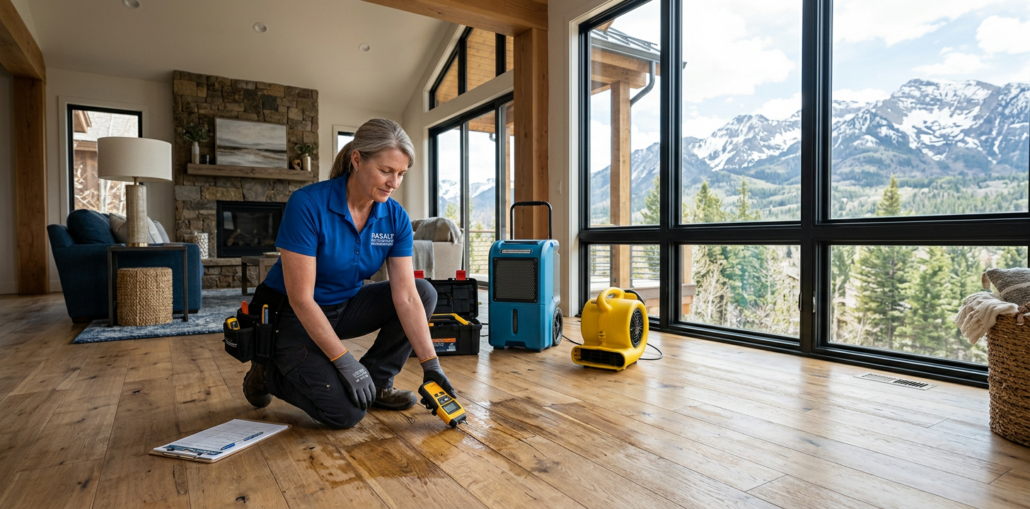
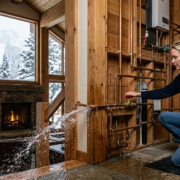
A leaking water heater, broken supply line, or snowmelt seepage can change the feel of a home in minutes. What looks like a manageable puddle may travel beneath flooring, into wall cavities, and through insulation long before the full scope of the problem is visible.
For homeowners and property managers, water damage repair Basalt is about more than removing visible water. A complete recovery protects the structure, documents the loss, addresses hidden moisture, and helps preserve the comfort and value of the property.
Basalt properties face a mix of risks, from winter pipe failures and appliance leaks to roof intrusion, backed-up drains, and groundwater around lower levels. Whether the affected space is a family home, condominium, vacation rental, or commercial suite, the safest approach is to identify the source, stop further water intrusion, and dry every affected material thoroughly.
Why Fast, Complete Drying Matters
Water can move well beyond the initial wet area. It wicks into drywall, travels under baseboards, settles beneath flooring, and can remain trapped in cabinets or framing. Surface drying alone may leave moisture behind, setting up staining, odors, warped materials, and avoidable repairs later.
The U.S. Environmental Protection Agency advises drying water-damaged areas and belongings within 24 to 48 hours to help prevent mold growth. That guideline makes prompt extraction and controlled drying especially important after a burst pipe, plumbing leak, or indoor flooding event. Read the guidance from the U.S. Environmental Protection Agency.
Common Signs the Damage Extends Further
Watch for signs that the water has affected more than the obvious area:
- Flooring that feels soft, cupped, lifted, or unusually cold
- Bubbling paint, swollen baseboards, or drywall staining
- A musty odor in closets, lower levels, or around cabinets
- Cabinet toe-kicks that are swollen or separating
- Damp carpet padding or discoloration around room edges
- A recurring ceiling stain below a bathroom, roofline, or appliance
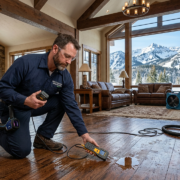
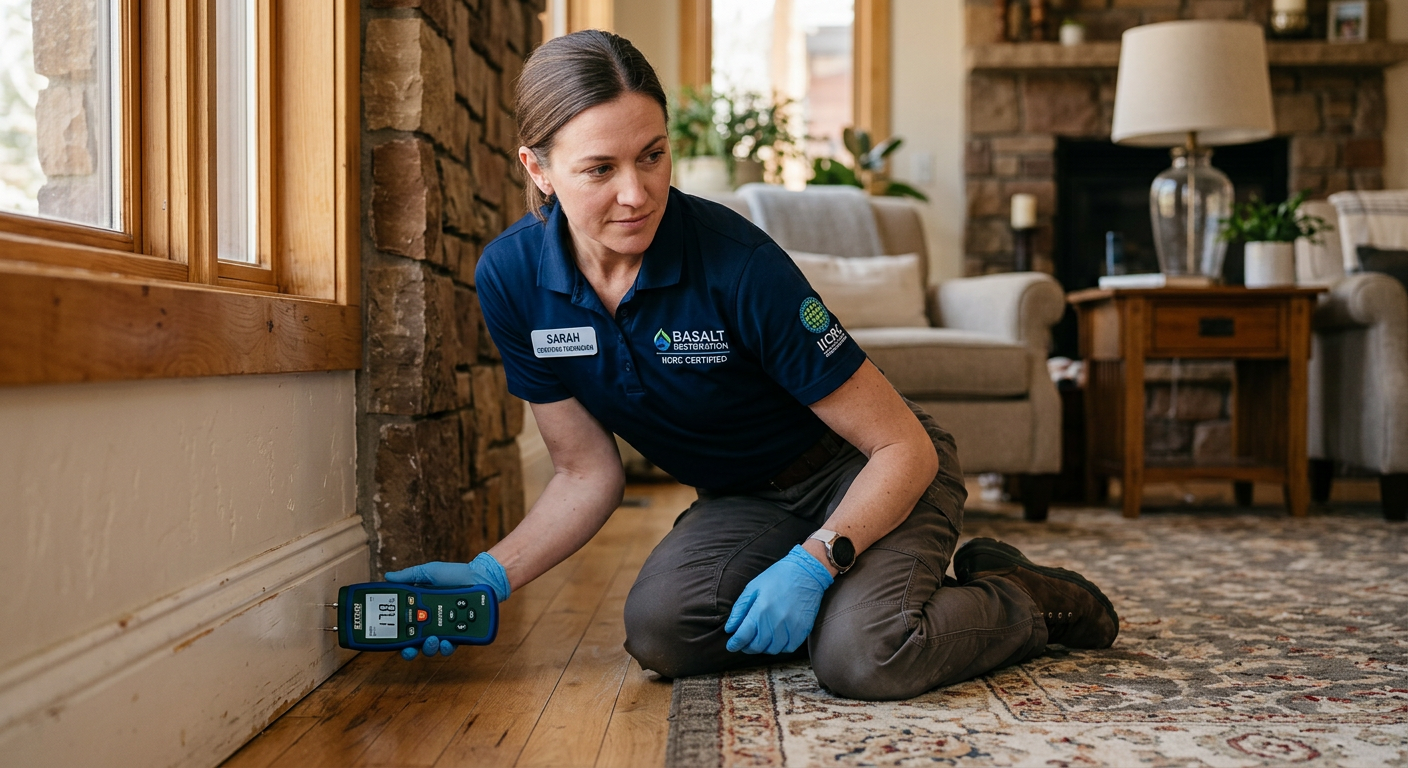
If any of these are present, moisture assessment should be part of the plan. We use professional moisture detection and drying equipment to help determine where water traveled, rather than relying on what can be seen from the surface.
The Right First Steps After Water Enters Your Property
The first priorities are safety, documentation, and limiting additional damage. If you can do so safely, shut off the water source at the fixture or main valve. Avoid standing water near outlets, appliances, extension cords, or electrical panels, and do not enter an area where the ceiling is sagging.
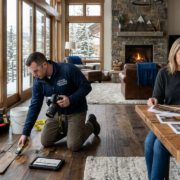
Next, take clear photos and short videos of affected rooms, materials, and damaged belongings before moving items. This documentation can support an insurance claim and gives the restoration team a better record of the original conditions.
What You Can Do Safely
For a small clean-water leak, you may be able to move dry belongings out of the area, place foil or blocks under furniture legs, and blot hard surfaces. Keep doors open to encourage airflow if the space is safe, but do not assume household fans can dry wet carpet padding, wall cavities, or subflooring.
Do not use a standard vacuum on water, lift wet carpet without knowing what is below it, or remove wet drywall near electrical wiring. If the water came from a drain backup, toilet overflow involving waste, or outdoor flooding, avoid cleanup contact. Contaminated water requires a different safety and sanitation process.
Who Handles Which Part of the Problem?
| Situation | Best First Resource | What They Handle | Important Limitation |
|---|---|---|---|
| Active plumbing leak | Licensed plumber | Stops or repairs the source | Does not always provide structural drying |
| Small clean spill | Homeowner or manager | Basic cleanup and monitoring | Hidden moisture may remain |
| Burst pipe or flooded room | Restoration team | Extraction, drying, documentation | Source repair may still need a plumber |
| Sewage or drain backup | Specialized cleanup team | Containment, sanitation, removal | Do not attempt routine DIY cleanup |
A plumber and a restoration professional often work in sequence. The plumber fixes the failed pipe or fixture, while the restoration team addresses the water already inside the building materials. That distinction helps avoid the common mistake of repairing the source but overlooking the moisture damage it caused.
What Professional Water Damage Repair in Basalt Includes
A dependable water recovery plan follows the conditions of the property, not a one-size-fits-all checklist. The scope depends on the water source, the amount of time materials were wet, the affected rooms, and whether the water was clean or contaminated.
Inspection and Moisture Mapping
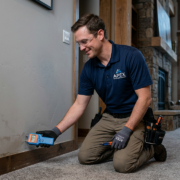
We begin by identifying the water source and inspecting visible and concealed affected areas. Moisture readings help establish the drying plan and provide a record of progress, which is valuable for homeowners, managers, and insurers.
Water Extraction and Content Protection
Removing standing water quickly can reduce the amount absorbed by carpet, padding, flooring, drywall, and furnishings. We also help protect salvageable belongings by moving, documenting, or isolating contents as conditions require.
Structural Drying and Monitoring
Air movers and dehumidifiers are positioned to dry structural materials, not simply make the room feel less damp. Our team monitors drying conditions and adjusts equipment placement until materials meet appropriate drying goals.
Cleaning, Repairs, and Restoration
Once drying is complete, repair needs become clearer. Some losses require minor work, such as replacing baseboards or sections of drywall. Others may involve flooring repair, cabinet work, reconstruction, odor treatment, or targeted mold damage recovery if moisture remained long enough for growth to develop.
Helpers Restoration provides Basalt water damage restoration services with emergency extraction, structural drying, repairs, and insurance-friendly documentation. We are locally focused on properties throughout Basalt and the Roaring Fork Valley, including Aspen, Snowmass Village, Carbondale, and Glenwood Springs.
Insurance Steps That Keep Recovery Moving
Insurance coverage varies by policy, cause of loss, deductible, and endorsements. A sudden accidental pipe break may be treated differently than a long-term leak, surface-water flood, or maintenance-related issue. We recommend reporting the loss promptly and asking your insurer what information they need.
Keep photos, damaged-item lists, invoices, and notes about conversations with your carrier. Avoid discarding materials or making permanent repairs until the damage has been documented, unless removing them is necessary to protect health or prevent further loss.
A restoration provider can assist with photos, moisture records, an itemized scope, and communication with the adjuster when authorized. For more answers about coverage, cleanup timelines, and restoration methods, visit our water damage FAQs.
Preventing Repeat Water Problems in Basalt Homes
Repairing the affected area is essential, but prevention matters just as much. A few routine checks can reduce the likelihood that a minor issue becomes a major water loss.
Seasonal Checks for Owners and Managers
- Inspect appliance supply hoses, water heaters, and shutoff valves for corrosion or dripping.
- Keep gutters and downspouts clear, and direct water away from the foundation.
- Check attic and roof areas after heavy snow, wind, or rapid temperature changes.
- Insulate vulnerable plumbing lines and know where the main water shutoff is located.
- Ask guests, tenants, and caretakers to report damp spots, ceiling stains, and slow drains early.
- Schedule prompt attention for recurring odors, condensation, or unexplained changes in flooring.
For property managers, clear maintenance reporting is one of the simplest ways to protect occupied units. A quick report of a small leak can prevent disruptions for tenants and reduce the scope of later water damage repairs.
Get Trusted Local Help for a Water Emergency
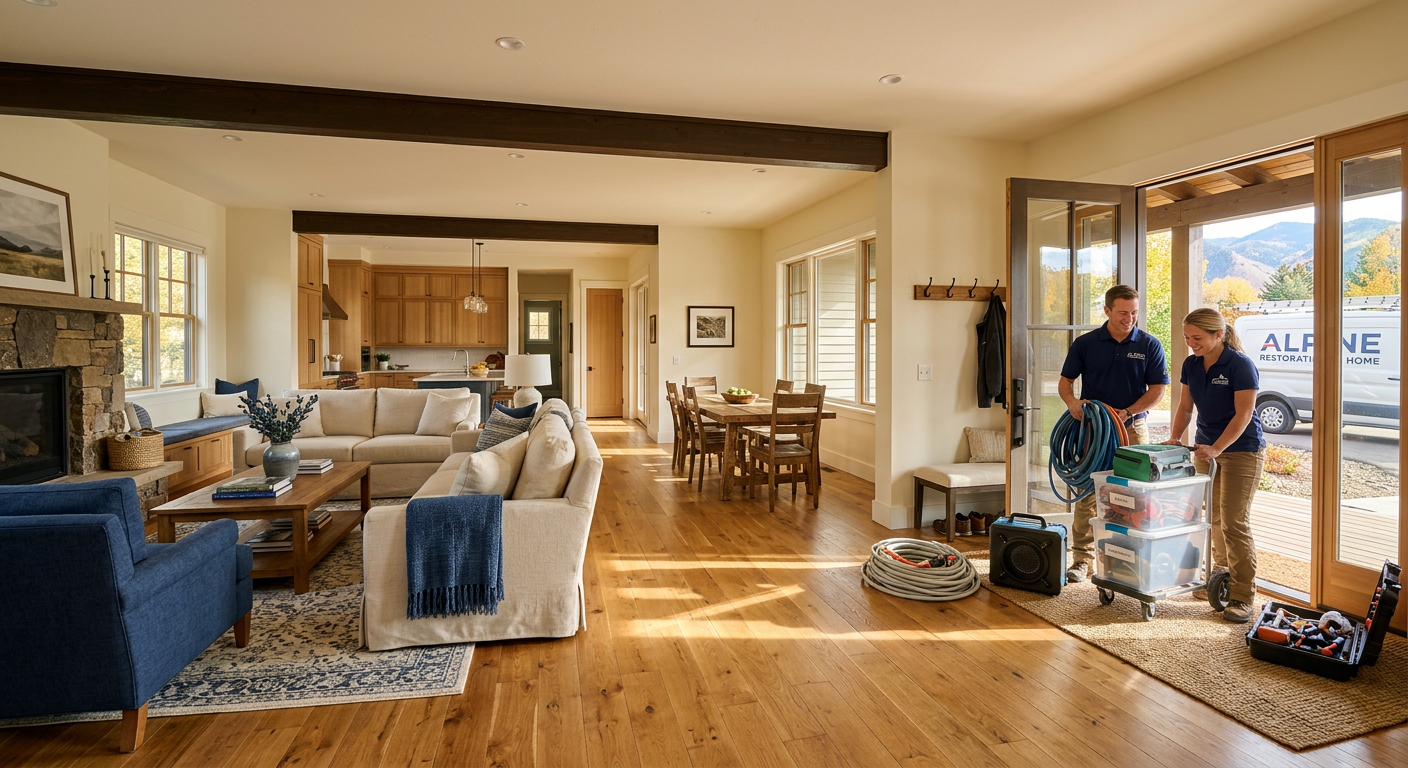
When a property has standing water, wet flooring, a burst pipe, or a persistent leak, we are ready to help with a calm, organized recovery plan. Call Helpers Restoration at (970) 927-3600 for 24/7 emergency cleanup in Basalt, or contact our team to request service.
We can coordinate water extraction, drying, repairs, and documentation while helping you understand the next practical steps. Explore our complete water damage restoration services for additional details.
Frequently Asked Questions
How quickly should we address water damage in Basalt?
Address it as soon as the area is safe to enter. The sooner the water source is stopped and moisture is removed, the better the chance of saving flooring, drywall, insulation, and belongings. Drying within the first 24 to 48 hours is particularly important for reducing mold risk.
Can hardwood floors be saved after a leak?
Sometimes, yes. Success depends on the wood type, finish, amount of water, how long it was wet, and whether moisture reached the subfloor. Professional moisture monitoring helps determine whether controlled drying can stabilize the floor or whether sections need repair or replacement.
Does homeowners insurance cover burst pipe damage?
Many policies may cover sudden and accidental pipe damage, but coverage depends on the policy language, the cause, exclusions, and deductible. Contact your insurer promptly, document the damage, and keep records of mitigation work and related expenses.
Can we stay in the home during water damage repairs?
It depends on the affected area, water category, electrical safety, drying equipment, and extent of repairs. Many small clean-water losses allow occupants to remain in unaffected areas, while sewage exposure, extensive demolition, or major reconstruction may require temporary relocation.
What is the difference between water cleanup and water restoration?
Water cleanup focuses on extraction, drying, and cleaning after a loss. Water restoration includes cleanup plus the work needed to bring damaged materials and spaces back to their pre-loss condition, such as replacing drywall, flooring, trim, or cabinetry.
What should we do after a sewage backup?
Keep people and pets away from the affected area, avoid using plumbing fixtures connected to the issue, and do not run fans through contaminated spaces. Specialized sewage backup cleanup can provide containment, removal, cleaning, sanitization, and restoration support.
Summary
Water damage repair in Basalt works best when the source is stopped, the affected areas are assessed for hidden moisture, and drying is completed with a clear plan. Prompt documentation, professional extraction, and thorough monitoring can help protect the property and simplify the insurance process.
A Strong Recovery Starts With Complete Drying
Water losses are stressful, but the right response can make the recovery more manageable. Focus on safety, stop the source when possible, document the conditions, and make sure the drying process reaches beyond the visible puddle.
For Basalt homeowners and property managers, complete water damage repair means protecting the building as well as the people who rely on it. A careful recovery plan helps preserve your space, reduce secondary damage, and support a confident path back to normal.