Water Damage Restoration Carbondale: 24/7 Local Cleanup Guide
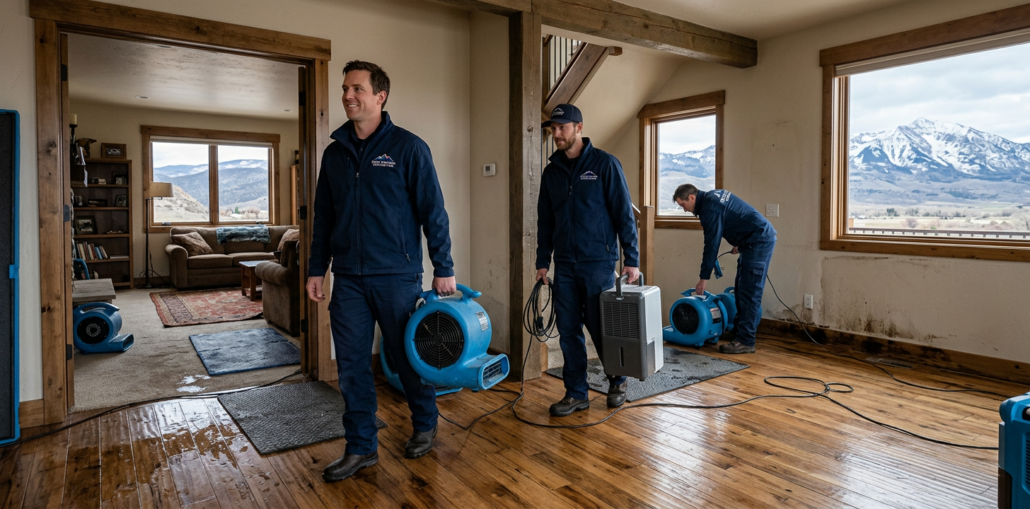
A burst pipe never waits for a convenient time. Maybe it happens during a cold Roaring Fork Valley night, after a spring snowmelt surge, or while guests are staying in a rental property near downtown Carbondale.
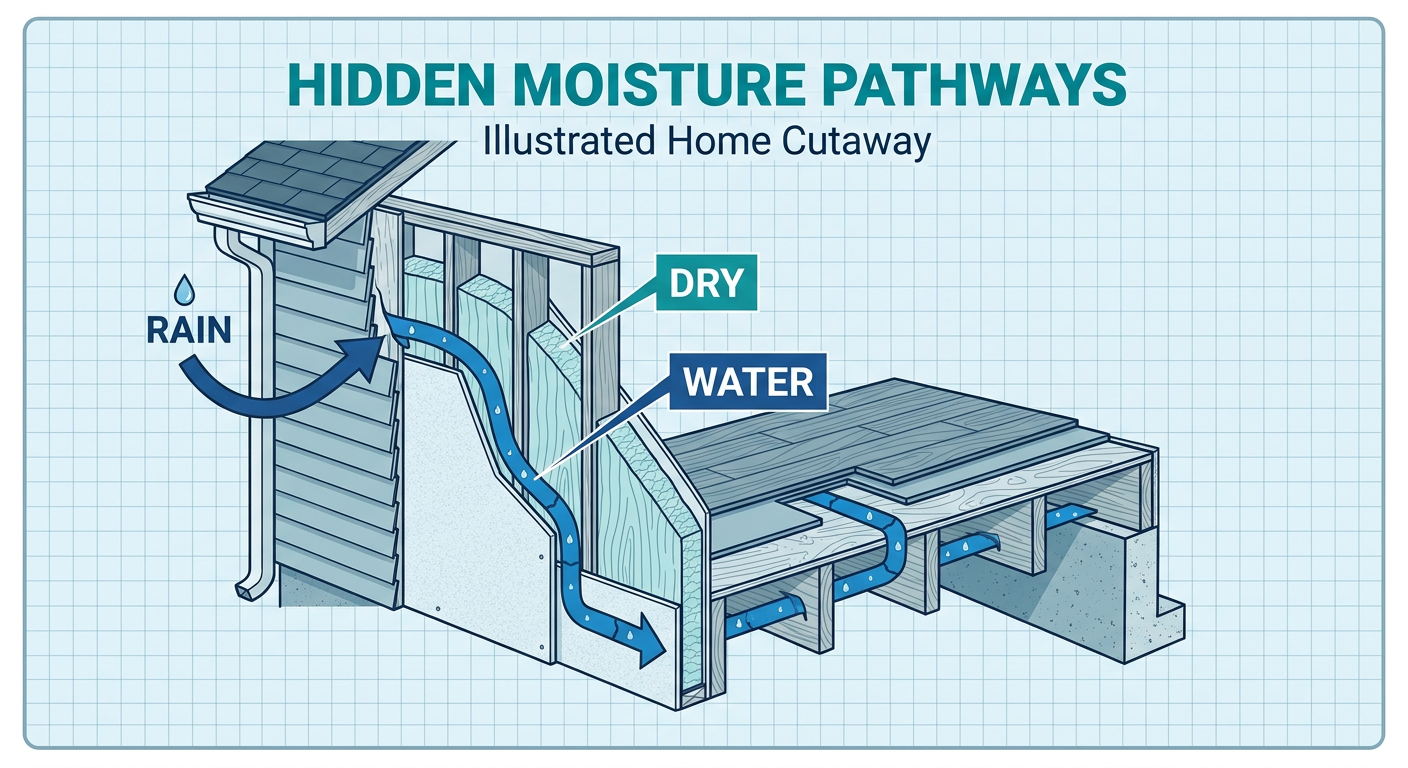
That’s when water damage restoration Carbondale becomes less of a service and more of a race against time. Water moves fast through drywall, flooring, insulation, cabinets, and crawl spaces, and what looks like a small puddle can hide moisture where you can’t see it.
The good news is that a calm, step-by-step response can limit damage, reduce mold risk, and make the insurance process easier to manage. Here’s what Carbondale homeowners, business owners, and property managers should know before the next water emergency hits.
Water Damage Restoration Carbondale: What Matters First
| Priority | Why It Matters | What To Do |
|---|---|---|
| Safety | Water and electricity are dangerous | Avoid affected areas if unsafe |
| Stop the source | Limits ongoing damage | Shut off water if possible |
| Remove water | Prevents deeper saturation | Call trained extraction pros |
| Dry materials | Reduces mold risk | Use commercial drying equipment |
| Document damage | Supports insurance claims | Take photos and save receipts |
Water damage cleanup is not just mopping the floor. It’s a controlled process that includes inspection, water extraction, structural drying, moisture monitoring, sanitation, and repair planning.
The U.S. EPA recommends drying water-damaged areas and items within 24 to 48 hours to help prevent mold growth. That short window is why local response time matters so much in Carbondale, Basalt, Aspen, Snowmass Village, Glenwood Springs, and nearby Roaring Fork Valley communities.
Common Causes of Water Damage in Carbondale Homes
Carbondale properties face a mix of mountain weather, aging plumbing, vacation-home usage patterns, and seasonal freeze-thaw cycles. That means water damage can come from both sudden emergencies and slow hidden leaks.
Frozen or Burst Pipes
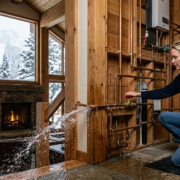
Cold temperatures can freeze supply lines, especially in crawl spaces, garages, exterior walls, and vacant homes with low thermostat settings. When the pipe thaws, water can release quickly and soak flooring, drywall, baseboards, and cabinetry.
If you notice reduced water pressure, bulging drywall, or an unexplained wet spot, don’t wait. Turning off the water and calling a restoration team can prevent a contained pipe break from turning into full flood cleanup.
Appliance and Water Heater Failures
Dishwashers, washing machines, refrigerators, and water heaters can all leak without much warning. In condos, townhomes, and multi-unit buildings, one failed supply line can affect multiple units fast.
Property managers should treat appliance leaks seriously because water may travel under flooring or through shared walls. Professional moisture readings help identify where the water actually went, not just where it appeared.
Roof Leaks, Ice Dams, and Snowmelt
Mountain homes can take a beating from snow loads, wind, and ice buildup. A small roof leak may show up as staining on a ceiling, bubbling paint, or a musty odor after wet weather.
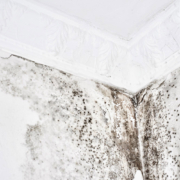
Because roof leaks often soak insulation and framing before showing visible signs, drying and dehumidification should start quickly. If mold is suspected, professional mold damage recovery services may also be needed.
Sewage Backups and Contaminated Water
A toilet overflow or sewer backup is different from a clean-water pipe leak. Contaminated water can carry bacteria and should be handled with protective equipment, proper disposal, and disinfection.
For these situations, use a trained provider that handles sewage backup cleanup service rather than attempting DIY cleanup with towels and household cleaner.
What Professional Water Cleanup Includes
Here’s the thing, the visible water is only the beginning. The real job is finding hidden moisture, drying materials correctly, and proving the structure is safe to repair.
Inspection and Moisture Mapping
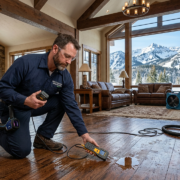
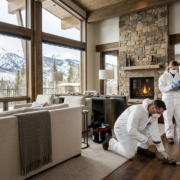
A restoration technician checks walls, flooring, cabinets, ceilings, and crawl spaces with moisture meters or thermal imaging tools. This helps create a drying plan based on actual conditions instead of guesswork.
For homeowners comparing local options, it helps to choose a team familiar with water damage in Carbondale and neighboring mountain communities. Helpers Restoration provides local water damage cleanup in Carbondale and serves the broader Roaring Fork Valley with emergency response.
Water Extraction
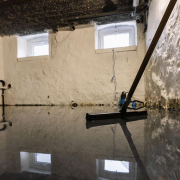
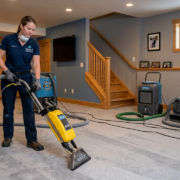
Standing water should be removed as quickly as possible. Extraction tools pull water from floors, carpet, pad, and other affected areas more effectively than shop vacs or towels.
Fast extraction can also reduce demolition needs. The less time materials stay wet, the better the chance of saving flooring, trim, cabinets, and personal belongings.
Drying and Dehumidification
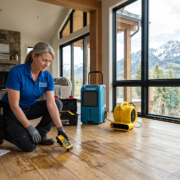
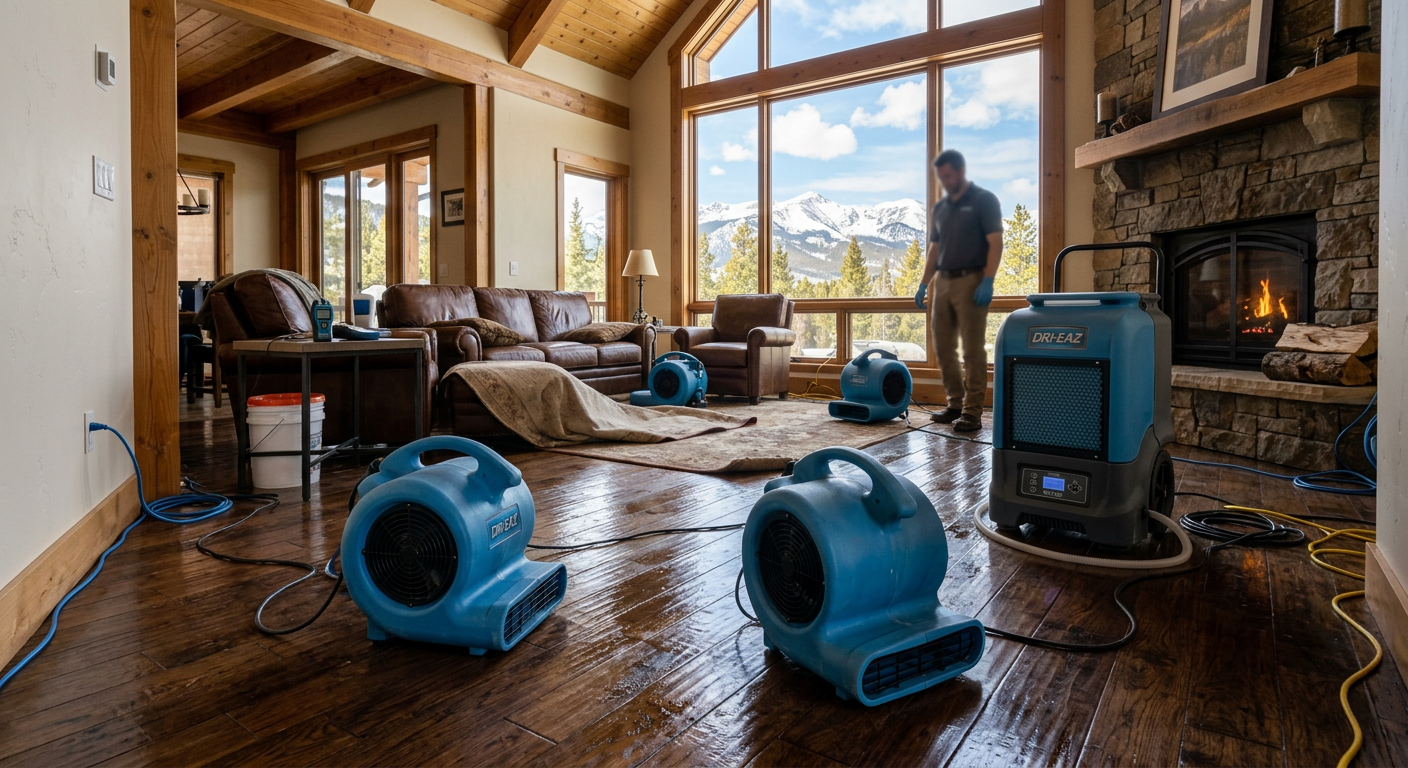
Drying is not just placing fans around the room. Air movers and dehumidifiers work together to pull moisture out of building materials and lower indoor humidity.
Technicians monitor moisture levels during the process, then adjust equipment as the home dries. This step is critical because repairs over damp materials can trap moisture and create bigger problems later.
Cleaning, Sanitizing, and Odor Control
Depending on the water category, affected surfaces may need cleaning, antimicrobial treatment, or removal. This is especially important after sewage, floodwater, or long-standing leaks.
Odor control also matters. A musty smell usually means moisture is still present somewhere, even if the surface feels dry.
Insurance Help After Water Damage
Water damage claims can be stressful because every policy is different. Sudden and accidental damage, such as a burst pipe or appliance leak, may be treated differently from outside flooding or long-term neglect.
The Insurance Information Institute reports that water damage and freezing were the second most common homeowners insurance claim type by share of insured homes with a loss in recent national claim data. That’s one reason documentation, prompt mitigation, and clear communication with your adjuster matter.
Before cleanup begins, take photos and videos if it’s safe. Keep damaged parts when practical, save invoices, and ask your restoration company for moisture readings, drying logs, and repair estimates that your insurer can review.
When DIY Cleanup Is Not Enough
Small spills are one thing. But if water has reached drywall, subflooring, insulation, cabinetry, or more than one room, DIY cleanup usually misses hidden moisture.
You should call a professional if you notice any of these signs:
- Standing water or soaked carpet
- Water coming from a ceiling, wall, crawl space, or basement
- Musty odors after drying the visible area
- Swollen baseboards, warped flooring, or bubbling paint
- Sewage, toilet overflow, or floodwater exposure
- Water damage in a rental, condo, office, or commercial space
If you need broader water damage help beyond Carbondale, nearby service pages include water damage restoration services, water damage Aspen, and water damage cleanup in Basalt.
Get Fast Help for Carbondale Water Damage
If your home or building is wet right now, call Helpers Restoration at (970) 927-3600 for 24/7 emergency cleanup in Carbondale and the Roaring Fork Valley. You can also request help through the contact page for a free inspection and local support with cleanup, drying, repairs, and insurance coordination.
Frequently Asked Questions
How fast should I respond to water damage in Carbondale?
Respond immediately. Water can soak into drywall, flooring, insulation, and framing within minutes, and mold risk increases when materials stay wet. If it’s safe, shut off the water source, avoid electrical hazards, and call a restoration professional.
Can I dry water damage myself with fans?
Household fans may help surface drying, but they usually do not remove moisture from subfloors, wall cavities, cabinets, or insulation. Professional drying uses air movers, dehumidifiers, and moisture monitoring to confirm materials are dry before repairs begin.
Does homeowners insurance cover water damage restoration?
Many policies cover sudden and accidental water damage, such as burst pipes or appliance leaks. Outside flooding, sewage backups, and gradual leaks may require different coverage, so review your policy and document everything before and during cleanup.
What is the difference between water cleanup and water restoration?
Water cleanup usually means removing water, drying the structure, cleaning affected areas, and preventing further damage. Water restoration may also include repairs such as replacing drywall, flooring, trim, cabinets, or other damaged materials.
How long does drying take after a water loss?
Many drying projects take several days, but timing depends on the amount of water, affected materials, ventilation, indoor humidity, and how quickly mitigation starts. A technician should use moisture readings to determine when the area is truly dry.
Is sewage backup cleanup different from clean-water damage?
Yes. Sewage backups involve contaminated water and require protective equipment, removal of unsafe materials, disinfection, and proper disposal. This is not a good DIY project because health and odor issues can linger if cleanup is incomplete.
Do Carbondale restoration companies serve nearby towns?
Many local teams serve the broader Roaring Fork Valley, including Basalt, Aspen, Snowmass Village, Glenwood Springs, and surrounding areas. Choosing a nearby provider can improve response time during active leaks, floods, and pipe breaks.
Key Takeaways
Water damage restoration Carbondale property owners can trust starts with speed, safety, and thorough drying. The most important steps are stopping the source, extracting water, finding hidden moisture, documenting damage, and preventing mold before repairs begin.
Final Thoughts for Carbondale Property Owners
Water damage feels overwhelming in the moment, but the right response makes a major difference. Don’t judge the damage only by what you can see, because hidden moisture behind walls and under floors is where long-term problems often begin.
Whether you manage rental properties, own a mountain home, or run a local business, keep a simple plan in place before you need it. Know where your shutoff valves are, document damage early, and call qualified help fast when water gets where it doesn’t belong.