What Water Damage Dehumidification Means in Carbondale Homes
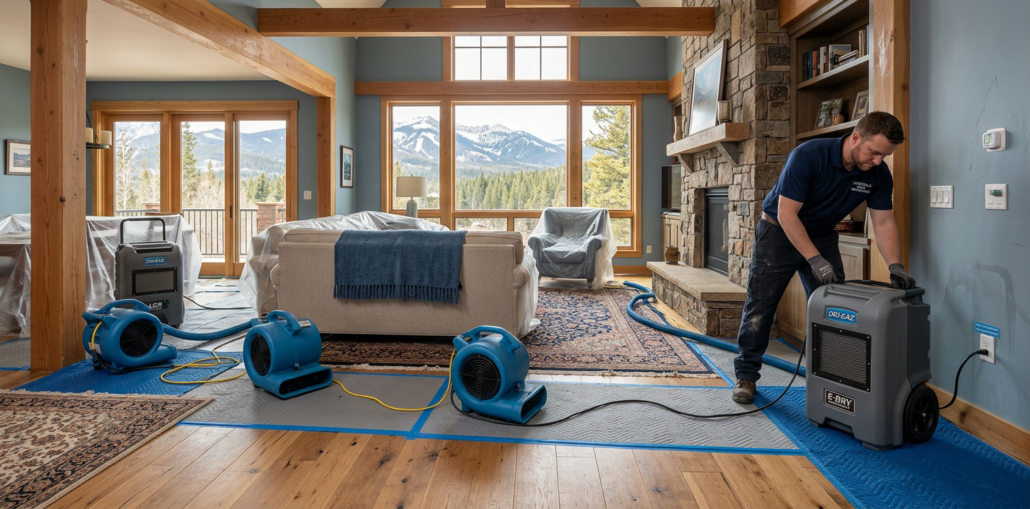
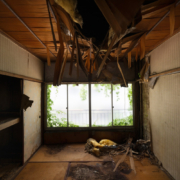
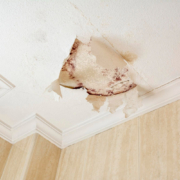
A wet carpet or stained ceiling can look manageable after the visible water is gone. The harder part is removing the moisture that has moved into drywall, flooring, insulation, framing, and the air inside your property. That is the purpose of water damage dehumidification Carbondale homeowners and property managers may need after a burst pipe, appliance leak, snowmelt intrusion, or storm-related leak.
We use dehumidification as part of controlled structural drying, not as a substitute for water extraction or repairs. The goal is to lower humidity and draw trapped moisture out of materials, helping a Carbondale home, rental, or business dry fully before repairs cover up a problem that could return later.
Water Damage Dehumidification Removes Moisture You Cannot See
Dehumidification removes water vapor from indoor air so damp building materials can continue releasing their moisture. It works alongside extraction and air movement to dry the structure, not just the surface.
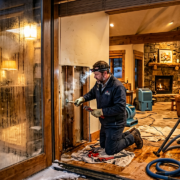
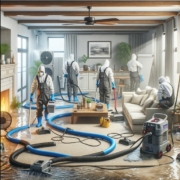
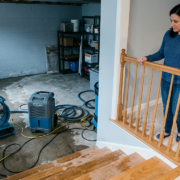
After standing water is extracted, materials such as carpet padding, drywall, wood framing, cabinets, and subflooring may still hold moisture. If the air in the room is already humid, that moisture has nowhere to go efficiently. Commercial dehumidifiers collect moisture from the air while air movers move dry air across wet surfaces, creating conditions that support steady evaporation.
The U.S. Environmental Protection Agency advises drying water-damaged areas and belongings within 24 to 48 hours to help prevent mold growth. It also recommends keeping indoor relative humidity below 60 percent, ideally between 30 and 50 percent. Read the guidance from the U.S. Environmental Protection Agency for helpful context on why drying must be thorough, not merely quick-looking.
Why household fans are rarely enough
A household fan can improve airflow, but it does not remove humidity from the room. In some cases, it can simply move damp air around while moisture remains inside materials or migrates to cooler surfaces.
Professional drying equipment is selected and placed based on the affected materials, room layout, moisture readings, and water source. We monitor the drying process because a room can feel dry while the wall cavity, flooring layers, or cabinet base remains damp.
Extraction, airflow, and dehumidification have different jobs
| Drying Step | Primary Job | What It Helps Protect |
|---|---|---|
| Water extraction | Removes standing water | Floors, contents, subfloors |
| Air movement | Speeds evaporation | Surfaces and exposed materials |
| Dehumidification | Removes water vapor from air | Walls, framing, indoor humidity |
| Moisture monitoring | Confirms drying progress | Hidden materials before repair |
Why Carbondale Properties Need Controlled Drying
Carbondale properties can experience water loss from frozen pipes, aging plumbing, washing-machine hoses, water heaters, roof leaks, and seasonal runoff. Mountain weather patterns and properties that sit vacant between visits can allow a small leak to spread before anyone sees it.
A basement, crawl space, lower-level room, or enclosed bathroom may be especially slow to dry because airflow is limited. In these areas, visible puddles are only part of the problem. Water can wick upward into drywall, travel under flooring, and collect within insulation or behind cabinets.
This is why a response plan should begin with safety and source control. If there is a burst pipe, shut off the water supply if it is safe to do so. Avoid electrical hazards, do not walk through contaminated water, and document the damage with photos before moving belongings when practical.
For clean-water losses, our water damage restoration services explain how moisture detection, extraction, drying, sanitation, and repair planning work together. When water involves sewage, floodwater, or another contaminated source, avoid do-it-yourself drying and follow the safer steps outlined for sewage backup cleanup.
What a Professional Drying Plan Usually Includes
A professional drying plan starts with locating the full extent of the moisture, then uses equipment and readings to guide each next step. It is a measured process, not a guess based on whether a floor feels dry underfoot.
Moisture inspection and mapping
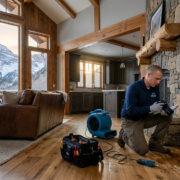
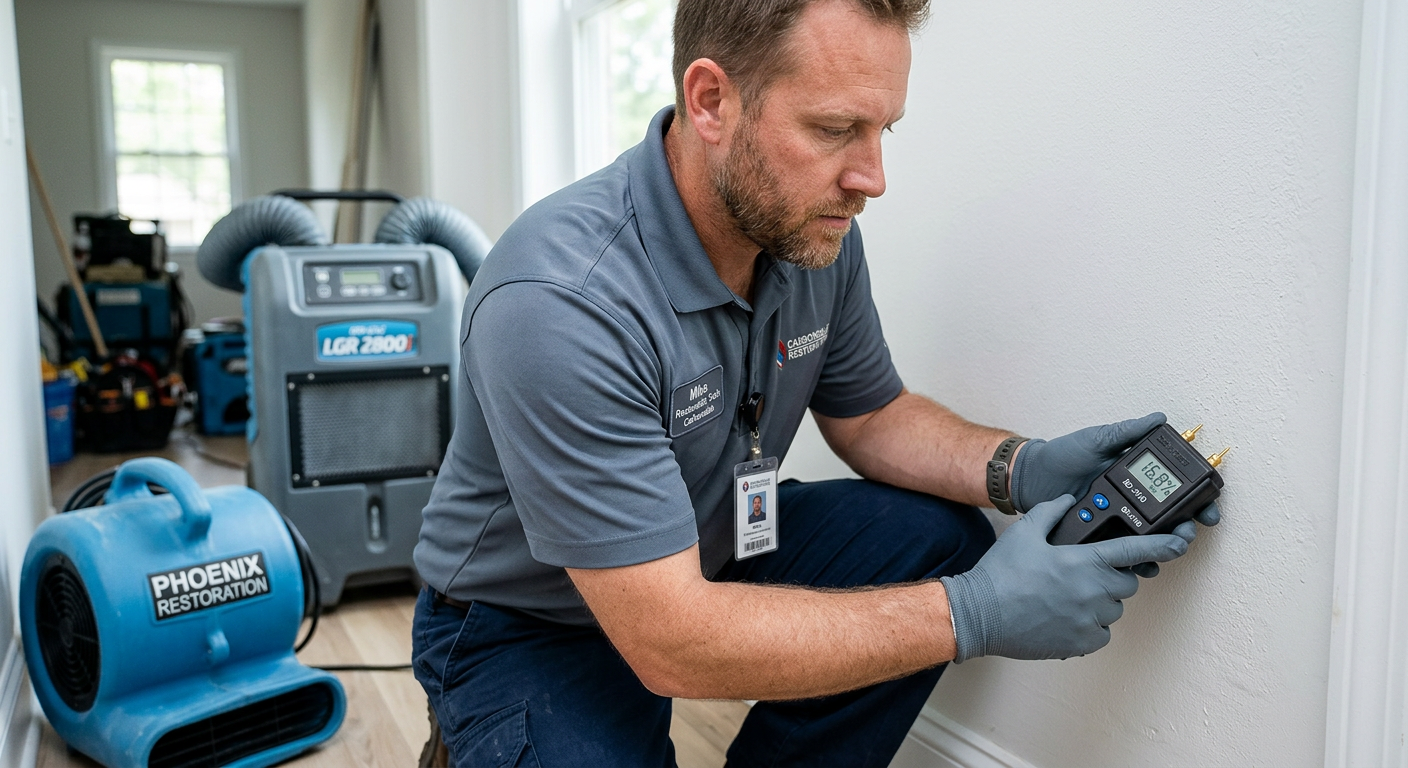
We inspect the visible damage and use moisture-detection tools to identify where water traveled. This can include checking wall bases, flooring transitions, under cabinets, behind appliances, and nearby rooms where moisture may have migrated.
Mapping matters because it helps determine which materials can be dried in place and which may need removal. It also creates useful documentation for property records and insurance communication.
Water removal and material protection
The crew removes standing water and protects salvageable belongings when conditions allow. Fast extraction reduces the amount of water that can soak deeper into carpet backing, padding, wood, drywall, and subflooring.
Some materials may require controlled removal when they are contaminated, swollen, delaminated, or unlikely to dry properly. The right decision depends on the type of water, how long it sat, the material affected, and verified moisture conditions.
Equipment placement and daily monitoring
Air movers and dehumidifiers are positioned to create balanced drying conditions. Equipment may be adjusted as materials dry because the goal is to remove moisture efficiently without leaving damp pockets behind.
Daily monitoring verifies progress with moisture readings and humidity measurements. This matters for vacation rentals, multifamily properties, and commercial spaces in Carbondale, where reopening or reoccupying a room without confirmed drying can create avoidable setbacks.
Cleaning and repair planning
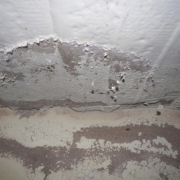
Once materials meet drying goals, the restoration plan can move into cleaning, odor control, repairs, and reconstruction if needed. A musty smell, bubbling paint, warped flooring, or recurring discoloration can indicate moisture remained hidden or a leak source was not fully corrected.
If moisture has supported visible mold growth or a persistent odor, it may be time to review mold damage recovery options. Drying is essential, but it cannot replace appropriate remediation when mold is already present.
When a Dehumidifier Is Not Enough
A portable dehumidifier may help with a small humidity issue, but it is not a reliable fix for significant water damage. It cannot safely address contaminated water, electrical risks, saturated assemblies, or moisture trapped behind finished surfaces.
Call for professional assessment when you notice any of the following:
- Water has reached drywall, carpet padding, hardwood flooring, cabinets, or insulation.
- A pipe leaked while the property was vacant.
- The water came from sewage, outdoor flooding, or an unknown source.
- Flooring feels soft, boards are cupping, or drywall is swelling.
- You smell mildew or see stains spreading after the surface appears dry.
- The affected area includes a crawl space, basement, rental unit, or commercial space.
The Centers for Disease Control and Prevention states that wet materials should be dried within 48 hours or removed. Its mold and moisture guidance also emphasizes that mold growth indoors signals a moisture problem that needs attention.
Protecting Rentals and Second Homes Across the Roaring Fork Valley
Property managers and second-home owners need a repeatable response plan because unnoticed leaks can affect more than one unit or extend through a building before discovery. A clear plan reduces confusion when a guest, tenant, neighbor, or caretaker first reports water.
Keep the main water shutoff location documented, maintain contact information for qualified help, and consider leak detection for vulnerable plumbing areas. Ask occupants to report stains, drips, unusual odors, or flooring changes early, particularly after cold snaps or heavy weather.
The same principles apply across Basalt, Aspen, Snowmass Village, Glenwood Springs, and the wider Roaring Fork Valley. Stop the source, protect people from unsafe conditions, document the loss, remove water, and verify drying before repairs begin.
Common Questions About Dehumidification After Water Damage
How long does water damage dehumidification take?
Most drying projects take several days, but the timeline depends on the amount of water, affected materials, temperature, humidity, and whether moisture reached concealed spaces. Moisture readings, not a calendar alone, should determine when equipment can be removed.
Can we stay in the home while drying equipment runs?
Often, yes, if the water was clean and the affected area is safe to occupy. Equipment can be loud and warm, and access to some rooms may be limited, but the decision should account for electrical safety, contamination, structural concerns, and the needs of children, pets, or medically vulnerable occupants.
Does homeowners insurance cover dehumidification?
Many policies may cover mitigation for sudden and accidental water losses, such as a burst pipe or appliance failure, but coverage depends on the cause of loss and policy language. Long-term leaks, maintenance issues, and outside flooding can be treated differently, so notify your insurer promptly and keep photos, invoices, and drying documentation.
Can wet drywall be dried instead of replaced?
Sometimes, clean-water-damaged drywall can be dried in place when it has not swollen, broken down, or become contaminated. If seams are separating, the board is soft, insulation is wet, or the water source was contaminated, removal is often the safer course.
What humidity level should we aim for after a leak?
The EPA recommends keeping indoor relative humidity below 60 percent, ideally between 30 and 50 percent. A restoration team will also evaluate the moisture content of materials, since a normal room humidity reading does not guarantee that the wall or floor assembly is dry.
Why is there a musty odor after the floor looks dry?
A musty odor can mean moisture remains in padding, subflooring, drywall, insulation, or another concealed material. It can also indicate microbial growth, so it is worth investigating rather than masking the odor with fragrance or paint.
Get Local Help With Drying and Cleanup
If water has entered your Carbondale property, we can help you make a safe, organized plan for extraction, drying, documentation, and repairs. Helpers Restoration serves homeowners and property managers throughout the Roaring Fork Valley with around-the-clock emergency support and insurance coordination.
Call (970) 927-3600 for 24/7 emergency cleanup in Carbondale, or contact Helpers Restoration to request help. You can also review our water damage service FAQs for additional answers about cleanup and recovery.
Summary
Water damage dehumidification is the controlled removal of moisture from indoor air after a leak or flood so wet materials can dry properly. It works with extraction, airflow, moisture monitoring, and repairs to reduce the risk of lingering odors, material damage, and mold.
The most important takeaway is simple: do not judge a water loss by the visible puddle alone. A prompt, measured drying plan gives Carbondale homes, rentals, and commercial properties the best chance to recover cleanly and move forward with confidence.