
How to Handle Flooded Basement: Fast Recovery Steps
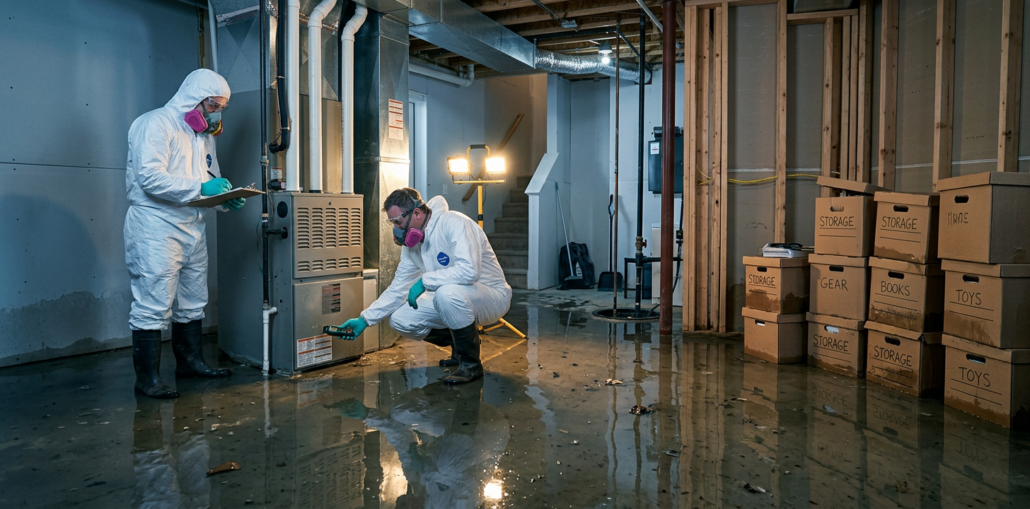
A flooded basement can turn a normal day into a stressful one fast. Water spreads quickly, hides damage behind walls and under flooring, and can create bigger problems if you wait too long.
The good news is that the first few decisions you make matter a lot. If you act safely, document the damage, and bring in the right help early, you can limit repairs and protect your home from mold, structural damage, and electrical hazards.
Start With Safety First
Before you step into the basement, check for immediate danger. If water is near outlets, appliances, or your electrical panel, stay out and shut off power only if you can do it safely from a dry location.
If the water is contaminated, smells foul, or came from a sewer backup, avoid contact completely. In that case, a professional cleanup team is the safest choice.
What to do right away
- Turn off electricity to the affected area if it is safe to do so.
- Stop the source of water, if possible, such as a burst pipe or failed sump pump.
- Keep children and pets away.
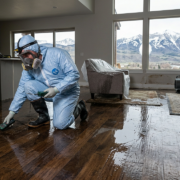
- Wear boots, gloves, and protective clothing if you must enter briefly.
- Move to higher ground if flooding is still active.
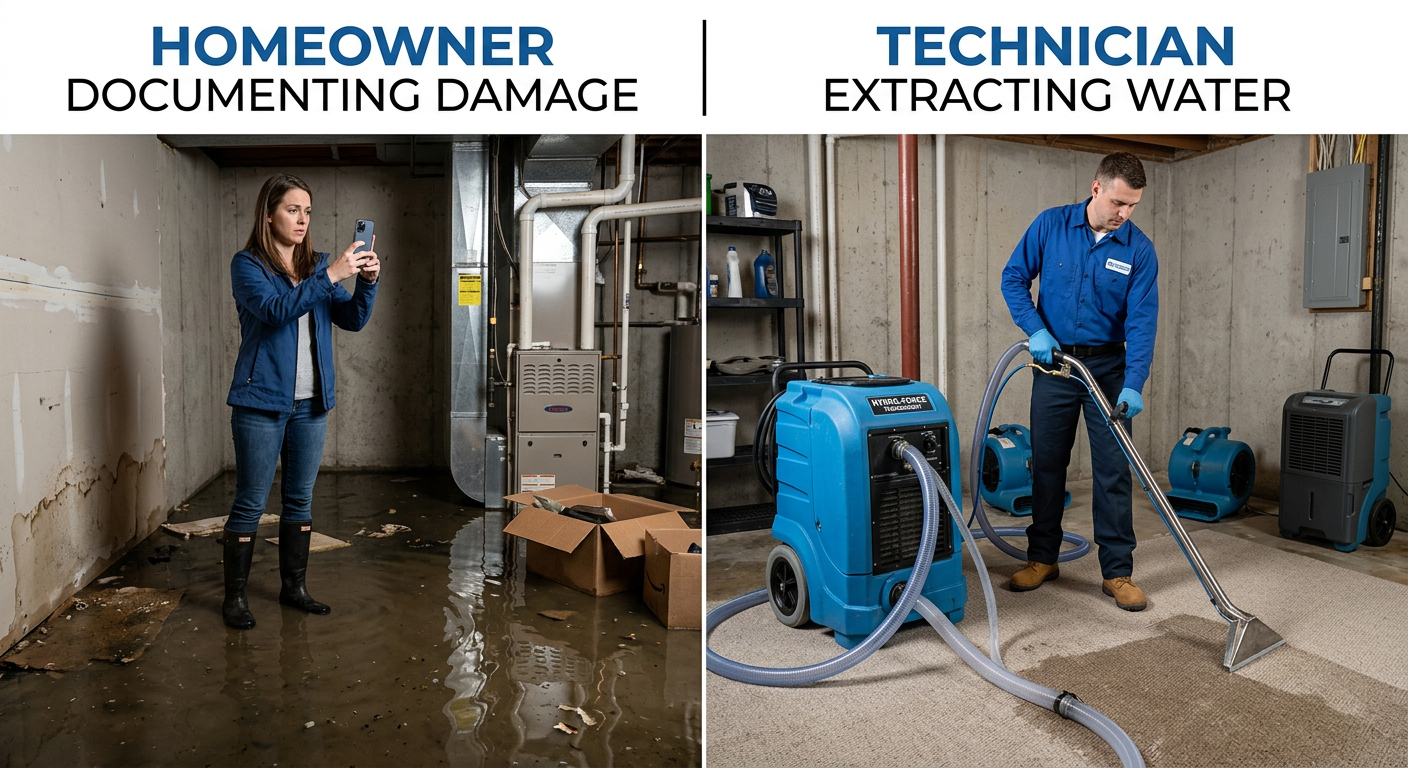
Document the Damage Before Cleanup
Once the area is safe, take clear photos and videos of everything affected. Capture standing water, damaged walls, soaked carpet, ruined belongings, and any visible source of the leak.
This step can help with your insurance claim and gives the restoration team a clear starting point. If you have flood insurance or homeowners coverage, early documentation often makes the process smoother.
What to record
- The water line on walls and furniture
- Damaged flooring and baseboards
- Wet insulation, drywall, or stored items
- Appliances and mechanical equipment affected by moisture
- Any visible mold or discoloration
Remove Water as Quickly as Possible
The longer water sits, the more expensive the damage becomes. If the amount is small and the source is fixed, you may be able to start with towels, a wet vacuum, or a pump for minor cleanup.
For larger flooding, professional emergency water extraction is usually the smarter move. Industrial equipment can remove water faster, reduce drying time, and help prevent hidden moisture from spreading into framing and insulation.
Why speed matters
- Carpets and drywall can absorb water within minutes
- Mold can begin growing in as little as 24 to 48 hours
- Wood and structural materials can warp, swell, or weaken
- Electrical and HVAC systems may be affected even if they look dry
Dry the Basement Thoroughly
After standing water is removed, the drying process is just as important. Fans alone are not enough in many cases, especially if water got behind walls or under flooring.
Professional drying and dehumidification equipment helps pull moisture from the air and materials. This reduces the chance of lingering odor, hidden damage, and future mold growth.
Focus on these areas
- Behind drywall and insulation
- Under carpet and padding
- Around baseboards and trim
- Inside closets, cabinets, and storage rooms
- Near furnace rooms, water heaters, and utility spaces
Check for Mold and Hidden Damage
A basement can look dry on the surface while still holding moisture inside walls or below flooring. That is where hidden mold and long-term damage often begin.
If you notice a musty smell, staining, peeling paint, or soft drywall, it is time to have the area inspected. If mold is already present, mold remediation may be needed before repairs begin.
Know When to Call a Professional
Not every flooded basement needs the same response, but some situations should always be handled by certified experts. If the water is deep, contaminated, or tied to a sewer backup, do not try to manage it alone.
A professional team can provide water extraction, structural drying, sanitation, repairs, and insurance support. That saves you time and reduces the chance of missing hidden damage.
Call for immediate help if
- Water is more than a few inches deep
- The water is dirty, gray, or sewage-related
- Electrical systems may be compromised
- Drywall, insulation, or flooring are soaked
- You smell mold or notice a strong musty odor
For more help, review the main water damage restoration service page and the local Aspen water damage response page.
Work With Your Insurance Company
After a basement flood, your insurer may ask for photos, a list of damaged items, and a timeline of what happened. Keep your notes organized and save any receipts for emergency cleanup, temporary repairs, and equipment use.
If the process feels overwhelming, Helpers Restoration can help guide the next steps and coordinate with insurance so you can focus on protecting your home.
Prevent the Next Flood
Once the immediate cleanup is done, take a few preventive steps. Basement flooding often comes back if the underlying issue is not fixed.
Smart prevention habits
- Test your sump pump regularly
- Extend downspouts away from the foundation
- Seal cracks in foundation walls and floors
- Keep gutters clear
- Insulate pipes in colder months
- Schedule routine plumbing and drainage checks
If your damage extends beyond the basement, you may also need fire damage restoration support, sewage backup cleanup, or broader water damage cleanup services depending on the cause and location.
FAQ
How long does it take to dry a flooded basement?
Drying time depends on how much water entered the space and what materials were affected. Small incidents may dry in a few days, while heavier flooding can take longer when walls, insulation, and flooring are saturated.
Can I stay in my home after a basement flood?
Sometimes, yes, but only if the water is clean, the electrical system is safe, and the damage is limited. If there is contamination, mold, or major structural concern, it is better to leave the area until it is professionally cleaned.
What should I throw away after basement flooding?
Porous items like soaked cardboard, insulation, and heavily contaminated carpeting often need to be removed. Anything touched by sewage or mold should be treated cautiously and inspected by a professional.
Will homeowners insurance cover basement flooding?
Coverage depends on the cause. Sudden pipe breaks may be treated differently than groundwater intrusion or sewer backup, so it is important to review your policy and document the damage quickly.
How do I know if mold is growing after a flood?
Warning signs include a musty smell, visible spots, recurring dampness, and peeling or bubbling paint. If you notice any of these, schedule an inspection soon.
Should I use a fan or dehumidifier first?
Both can help, but only after standing water has been removed. For serious flooding, professional extraction and drying equipment are much more effective than household equipment alone.
Get Fast Help Before Damage Spreads
If your basement is flooded, every hour matters. Fast action can reduce repairs, protect your foundation, and help keep mold from taking hold.
For dependable emergency response in Aspen and the Roaring Fork Valley, contact Helpers Restoration for 24/7 water cleanup, drying, and repair support. Call (970) 927-3600 for immediate help in Aspen, Basalt, Carbondale, Snowmass Village, and Glenwood Springs.
Conclusion
Handling a flooded basement is about safety, speed, and the right process. Start by stopping the water source if you can, protect your family from hazards, document the damage, and dry the space thoroughly.
If the flooding is serious or contaminated, professional help is the fastest way to protect your home and reduce long-term damage. The sooner you act, the better your outcome will be.









Trackbacks & Pingbacks
Optimize Onset: Sildenafil vs Levitra
Optimize Onset: Sildenafil vs Levitra
Sildenafil vs vardenafil effect profile
Sildenafil vs vardenafil effect profile
vardenafil warning reference
vardenafil warning reference
vardenafil 5 mg information
vardenafil 5 mg information
avoid counterfeit sildenafil
avoid counterfeit sildenafil
minoxidil molecular mechanism
minoxidil molecular mechanism
ivermectin mechanism expert overview
ivermectin mechanism expert overview
toradol onset time
toradol onset time
toradol migraine information
toradol migraine information
terbinafine dosage treatment explanation
terbinafine dosage treatment explanation
bupropion antidepressant
bupropion antidepressant
acyclovir price without insurance
acyclovir price without insurance
minoxidil barber shop
minoxidil barber shop
tadalafil 20mg photo
tadalafil 20mg photo
cialis 100mg online
cialis 100mg online
Comments are closed.