Sewage Backup Cleanup Glenwood Springs Cost: What Drives Fees
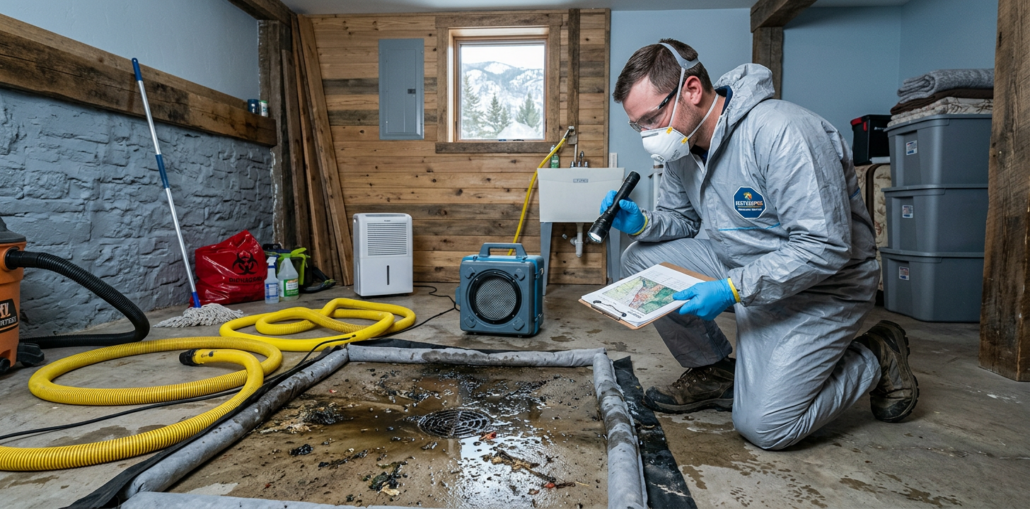
A sewage backup can make a normal property emergency feel overwhelming in minutes. Beyond the visible mess, homeowners and property managers need to understand what affects the final bill, what work is necessary for a safe recovery, and what documentation may support an insurance claim.
Sewage backup cleanup Glenwood Springs cost depends far more on contamination, affected materials, and the cause of the backup than on the amount of standing water alone. A small overflow caught quickly may require focused cleanup, while wastewater that reaches carpet, drywall, insulation, or a finished basement can require removal, sanitation, drying, and later reconstruction.
What Sewage Backup Cleanup Usually Costs in Glenwood Springs
Most sewage losses involve two separate expenses: fixing the plumbing or sewer issue that caused the backup, and restoring the contaminated area afterward. Keeping those scopes separate makes estimates easier to understand and helps prevent surprise charges.
A September 2026 national planning article from SERVPRO places contaminated-water cleanup at an average of $7.50 per affected square foot, while the plumbing repair that stops the backup can range widely depending on the cause. That figure is not a Glenwood Springs quote, but it is a useful reminder that sanitation and material removal can cost more than the drain repair itself.
| Scope of loss | Typical work involved | Cost impact |
|---|---|---|
| Small, contained bathroom backup | Extraction, cleaning, disinfection | Lower |
| Sewage on carpet or drywall | Removal, disposal, drying, sanitation | Moderate to high |
| Finished basement contamination | Contents handling, demolition, drying, rebuild | High |
| Repeated or main-line backup | Plumber diagnosis plus restoration | Varies widely |
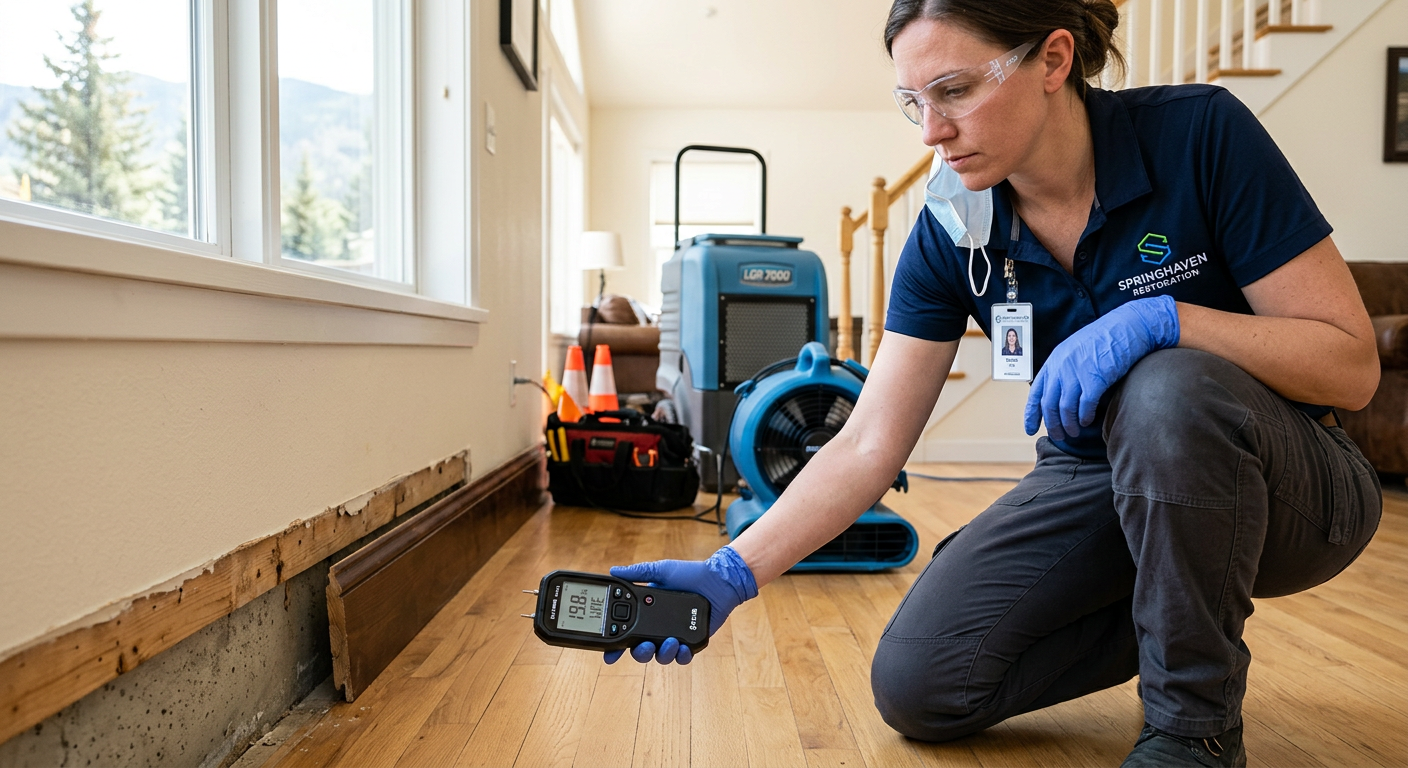
Local pricing can also reflect access to the property, emergency dispatch timing, disposal requirements, the number of rooms affected, and whether the work occurs in an occupied rental or second home. The only dependable way to determine the scope is an on-site assessment that identifies where contaminated water traveled, including under flooring and behind finished walls.
The Biggest Factors That Change the Final Price
The final cost rises when contaminated water reaches porous materials, spreads beyond one room, or remains in place long enough to affect concealed building components. These are the details that should be clearly itemized in a written estimate.
The Type of Water and Contamination Level
Sewage is commonly treated as highly contaminated water because it may contain bacteria and other harmful substances. The U.S. Environmental Protection Agency advises homeowners to assume mold growth if a flooded home and belongings cannot be dried within 24 to 48 hours, which is one reason prompt professional evaluation matters.
Nonporous materials such as some metal, glass, and hard plastic may sometimes be cleaned and disinfected. Carpet, padding, insulation, upholstered furniture, particleboard, and saturated drywall often require more careful decisions because contaminants can be difficult to remove completely.
The Size and Location of the Affected Area
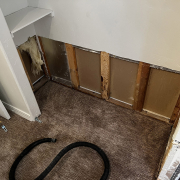
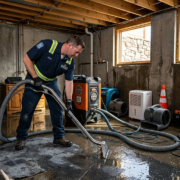
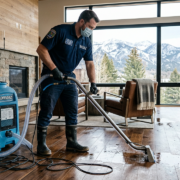
A few inches of sewage in a utility room is very different from a backup that reaches several rooms in a finished lower level. Cleanup may include extraction, containment, removal of damaged materials, detailed cleaning, disinfection, odor control, drying equipment, moisture monitoring, and disposal.
Tight crawlspaces, finished basements, utility rooms with mechanical equipment, and units with shared walls can add time and labor. For rental properties, crews may also need to coordinate access, protect unaffected areas, and document conditions for owners, tenants, and insurers.
How Long the Backup Sat Before Cleanup
Time matters because wastewater can wick upward into drywall, soak beneath vinyl or laminate flooring, and reach subfloor materials. A quick response can limit the demolition scope, while delayed discovery can increase drying time, odors, mold concerns, and the number of materials that must be removed.
This is especially relevant for vacant properties and mountain homes that may sit unoccupied between visits. Property managers in Glenwood Springs, Basalt, Carbondale, Snowmass Village, and Aspen benefit from having a clear emergency plan, including access instructions and the location of the main water shutoff.
The Cause Must Be Fixed Separately
Cleanup is only one side of the project. A licensed plumber may need to clear a clog, inspect a main line, identify root intrusion, repair a broken pipe, or evaluate a failed backwater valve before the restoration work can be considered complete.
Ask for clarity about who is responsible for each part of the process. A plumber resolves the cause, while a restoration crew handles contamination control, drying, cleanup, and damaged-material removal. If rebuilding is needed, that scope should also be distinguished from the emergency mitigation work.
What a Clear Cleanup Estimate Should Include
A trustworthy estimate should explain the work in plain language, not leave you guessing what “cleanup” covers. We recommend reviewing the scope before work begins when conditions allow, while recognizing that hidden damage may require updates after flooring or wall materials are opened.
Look for these line items:
- Emergency response, assessment, and safety measures
- Water and waste extraction
- Containment and protective equipment
- Removal and disposal of unsalvageable materials
- Cleaning, disinfection, and odor treatment
- Drying equipment and moisture monitoring
- Contents handling or storage, if needed
- Repairs or reconstruction, if included
- Documentation for insurance communication
This distinction is useful because initial mitigation may be urgent, while flooring replacement, drywall repair, painting, cabinetry work, and final reconstruction may be scheduled later. For broader recovery planning, review our water damage restoration process to see how extraction, drying, documentation, and repair coordination fit together.
Insurance Questions to Ask Before You Approve Work
Insurance may help with a covered sudden sewage backup, but coverage depends on the cause of loss, policy language, deductible, and any sewer or drain backup endorsement. Do not assume that a standard policy automatically includes every type of sewer-related damage.
Call your insurer promptly, take photos and video from a safe distance, and save invoices, reports, and communication records. Ask the adjuster whether the policy has a separate limit for sewer backup, whether contents are included, and whether the plumbing repair is treated differently from cleanup and reconstruction.
For a water damage Aspen property claim or a Glenwood Springs sewage loss, strong documentation can make the conversation more organized. It does not guarantee coverage, but it creates a clearer record of the loss, the affected areas, and the steps taken to prevent further damage.
A Safer First-Day Plan for Glenwood Springs Properties
The first priority is protecting people from contaminated water, then preventing the backup from spreading. Avoid walking through standing wastewater, keep children and pets away, and do not run fixtures if the plumbing system appears to be backing up.
If it is safe, take these steps:
- Stop using sinks, toilets, showers, dishwashers, and washing machines.
- Avoid electrical hazards near standing water. Do not enter wet areas if power may be involved.
- Photograph the damage from a safe location before materials are moved.
- Contact a plumber to identify and stop the source.
- Arrange professional cleanup for contaminated water and affected materials.
- Notify your insurance carrier and keep a written log of calls and approvals.
We also recommend avoiding bleach mixtures, household fans that may spread contamination, and attempts to dry sewage-soaked carpet or padding for reuse. If moisture remains after cleanup, professional mold damage services may be necessary to address a separate moisture-related concern.
Why Cost Control Starts With the Right Scope
The lowest estimate is not always the lowest final cost if it leaves contaminated materials, hidden moisture, or odor sources behind. A fair proposal identifies what can be saved, what must be removed, and how the property will be checked before reconstruction begins.
Helpers Restoration supports Glenwood Springs property owners with sewage cleanup, emergency water extraction, drying, documentation, and restoration planning across the Roaring Fork Valley. We encourage homeowners to compare written scopes carefully, confirm that plumbing repair and restoration duties are clear, and ask how the contractor will verify that affected areas are clean and dry.
For related property recovery guidance, our Glenwood Springs water cleanup plan explains why surface drying alone may not resolve water damage behind floors, trim, and walls.
Common Questions About Sewage Backup Cleanup Costs
Does homeowners insurance cover sewage backup cleanup?
It can, but coverage depends on your policy and endorsements. Many policies handle sewer or drain backup differently from sudden plumbing failures, so review your deductible, coverage limit, and exclusions with your insurance carrier.
Can I clean up a small toilet overflow myself?
A minor, clean-water overflow may be manageable after the source is stopped, but sewage or water that has moved beyond the toilet area should be treated cautiously. If water contains feces, comes from a drain or main line, reaches porous materials, or sits for an extended period, professional assessment is the safer option.
How long does sewage cleanup take?
Initial extraction and cleanup can sometimes be completed in a day for a small contained area. Drying, monitoring, material removal, repairs, and reconstruction can extend the overall timeline, especially when flooring, drywall, or insulation are affected.
Why do restoration and plumbing appear on separate invoices?
They address different problems. Plumbers diagnose and repair the source of the backup, while restoration professionals manage contaminated water, sanitation, drying, and damaged building materials.
Can carpet or drywall be saved after a sewage backup?
It depends on the contamination, material type, and duration of exposure, but porous materials are often difficult to disinfect reliably. A professional inspection can determine what can be cleaned and what should be removed to protect the property and occupants.
Will a sewer backup make mold remediation necessary?
Not every backup leads to mold work, but delayed drying can create the conditions for it. The risk increases when moisture remains in wall cavities, under flooring, insulation, or other concealed areas.
Get a Clear Scope for Your Property
If sewage has entered your Glenwood Springs home, rental, or commercial property, call (970) 927-3600 for 24/7 emergency cleanup support. Contact Helpers Disaster Restoration to request an on-site assessment, a clear scope of work, and assistance documenting the damage for your insurance claim.
Summary
Sewage backup cleanup costs in Glenwood Springs are driven by the contamination level, square footage, materials affected, time before cleanup, and the plumbing repair needed to stop the source. The most useful next step is not guessing at a flat price, but obtaining an itemized assessment that separates emergency mitigation, disposal, drying, repairs, and insurance documentation.
A careful response protects the people using the property and helps avoid repeat expenses caused by missed moisture or incomplete sanitation. When the scope is clear, homeowners and property managers can make sound decisions, compare estimates fairly, and move toward a safe recovery with more confidence.