water damage Aspen: Who Pays for Burst Pipe Damage in Colorado

If a pipe bursts in your Aspen home, the first minutes matter. You want fast cleanup, a clear plan for repairs, and to know who actually pays, whether you own the house, rent it out, or manage a property in the Roaring Fork Valley.
In this article you will learn when homeowners insurance, landlords, or tenants are typically responsible for burst pipe water damage in Colorado, what to do right away to protect your claim, and how local restoration pros help document damage for insurers. We'll focus on practical steps, local rules, and how Helpers Restoration supports property owners in Aspen, Basalt, Carbondale, Snowmass Village, and Glenwood Springs.
Why responsibility matters after a burst pipe
A sudden burst pipe creates two separate cost categories, both of which matter when determining who pays:
- Immediate water cleanup and mitigation, including emergency water extraction, drying and dehumidification. These actions prevent mold and rising repair bills.
- Repair or replacement of damaged building materials and personal property, and sometimes the plumbing itself.
How those costs are allocated depends on ownership, lease terms, policy language, and whether the damage was sudden and accidental or the result of neglect.
Who usually pays: homeowners, landlords, or tenants?
Homeowners
If you own the home and have a standard homeowners policy, your insurance commonly covers water damage caused by a sudden, accidental burst pipe. Policies often pay for the resulting damage to the home and contents, and for Additional Living Expenses if the house is uninhabitable. However, most policies do not cover the cost to repair the failed pipe itself, and claims can be denied if the insurer finds negligence or lack of maintenance.
Landlords and rental properties
Colorado law makes landlords responsible for maintaining plumbing provided with the rental and for repairing damage when they fail to do so. If a pipe owned by the landlord bursts due to failure to maintain systems, the landlord generally pays for repairs and damages. Tenants must report problems promptly and may be responsible for damage caused by tenant negligence. See Colorado landlord responsibilities for more details.
Tenants
Tenants should carry renters insurance to cover personal property and additional living expenses. If a tenant’s action or negligence caused the pipe to burst, the tenant may be financially responsible. Tenants should also notify the landlord immediately to limit damage and protect the ability to file an insurance claim.
Key factors that determine who pays
- Cause of the burst, sudden vs gradual. Sudden accidental breaks are more likely covered by insurance. Long-term leaks and wear and tear are usually excluded.
- Ownership of the plumbing. Pipes within tenant-controlled areas may be the tenant’s duty to maintain; main lines and building plumbing are typically the landlord’s responsibility.
- Lease or rental agreement details. Many leases spell out maintenance duties. Keep a copy and review it after a loss.
- Policy exclusions and occupancy requirements. If a vacation home was unoccupied and pipes froze because heat was turned off, the insurer may deny coverage.
What to do immediately after a burst pipe
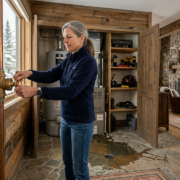
- Ensure safety, shut off electricity to wet areas if safe, then turn off the main water valve if you can.
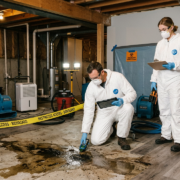
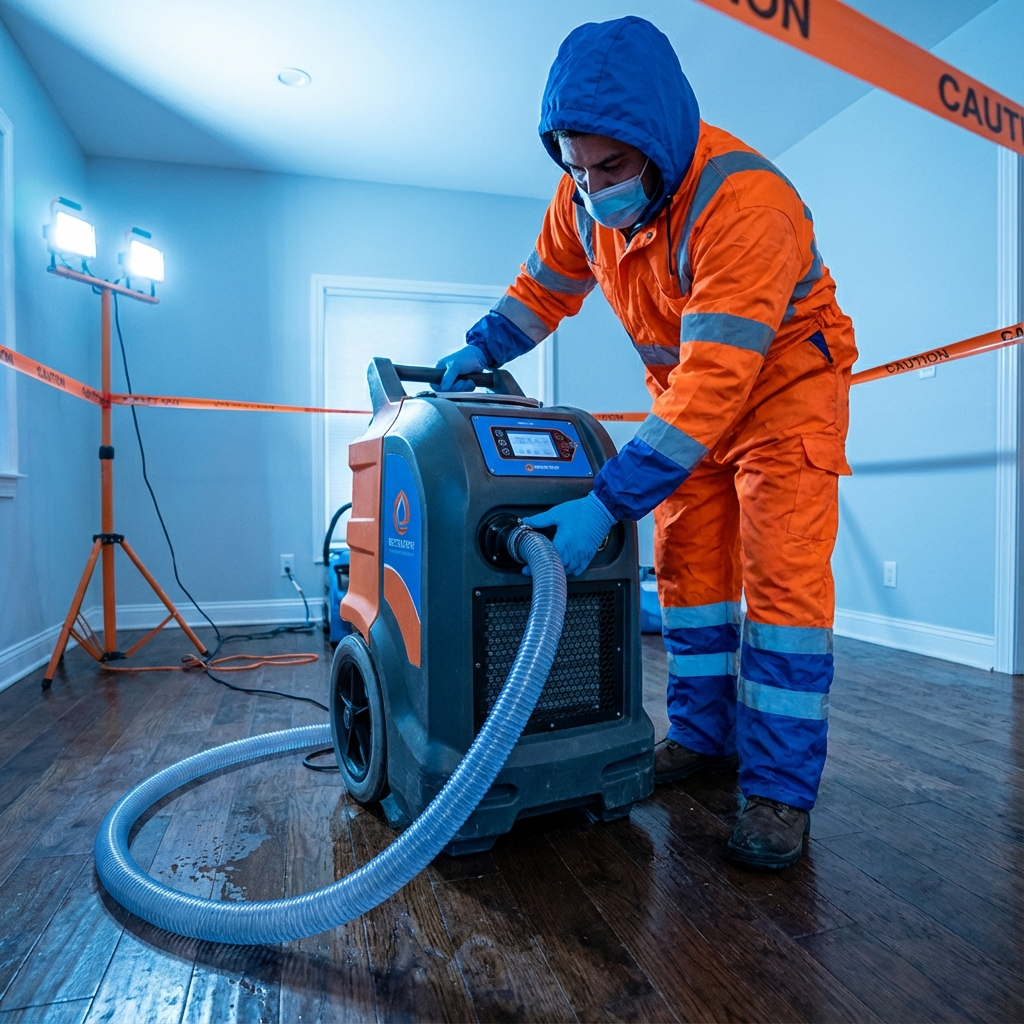
- Stop the leak if possible, then call an emergency restoration team for water extraction and drying. Fast mitigation protects your property and strengthens your insurance claim.
- Document the scene with photos and video, save damaged items, and keep receipts for emergency expenses.
- Notify your insurance company and your landlord or property manager promptly.
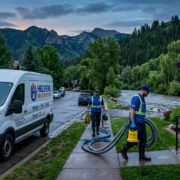
Helpers Restoration provides 24/7 emergency water cleanup in Aspen and the Roaring Fork Valley and works with insurers to document damage and speed repairs. Call (970) 927-3600 for immediate response.
Insurance claim tips for Colorado homeowners and landlords
- Read your policy, especially sections on water damage, freezing, and exclusions.
- Keep records proving you maintained heat and winterized plumbing when necessary. Thermostat logs, utility bills, and maintenance receipts help.
- Mitigate further damage. Failing to take reasonable steps after discovery can be a reason for denial.
- If a claim is denied, Colorado’s Division of Insurance can provide guidance and has consumer advisories on frozen and burst pipes.
Helpful resources: Colorado Division of Insurance consumer guidance on burst pipes (official consumer advisory), and state statutes on landlord maintenance responsibilities.
Local scenarios you might face
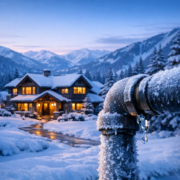
- Aspen vacation home left unheated, pipes freeze and burst, insurer cites vacancy or lack of winterization.
- Rental in Basalt, shared building pipe fails, landlord responsible for building repairs and tenant for personal property losses.
- Older Carbondale home with corroded plumbing, insurer denies claim due to gradual deterioration; homeowner covers repairs.
FAQs
Who pays when a burst pipe causes water damage in an Aspen home?
If you own the home, your homeowners insurance typically covers the resulting damage if the loss was sudden and accidental. You may pay out of pocket if the insurer finds negligence or the damage was gradual.
If a tenant's pipe bursts, does the landlord have to pay for cleanup?
Landlords in Colorado are responsible for maintaining and repairing plumbing they own. If damage results from the landlord's failure to maintain systems, the landlord generally pays for repairs. Tenants should report issues promptly.
Will insurance cover replacing the broken pipe itself?
Most homeowners policies cover damage to the home and contents, not the cost to replace the failed plumbing. Verify your policy for specific language.
What if my claim is denied for a frozen or burst pipe?
Document all maintenance, get a second opinion from a public adjuster or attorney if necessary, and contact the Colorado Division of Insurance for consumer assistance.
Does flood insurance cover burst pipe damage?
No. Flood insurance covers rising external waters, not internal plumbing failures. Burst pipe damage is handled under homeowners or renters insurance unless the event involved external flooding.
How can Helpers Restoration help after a burst pipe?
We respond 24/7 for emergency water extraction, drying, mold prevention, and work directly with insurers to document the loss. Call (970) 927-3600 for fast response in Aspen and nearby towns.
Summary
Burst pipe responsibility in Colorado depends on ownership, cause, and policy language. Sudden accidental bursts usually trigger homeowners or renters insurance coverage for resulting damage, while landlords are responsible when building plumbing they own fails. Quick mitigation, documentation, and knowing policy exclusions are essential to getting your home restored and your claim paid.
Get help now, before the next freeze
If you need emergency water extraction, drying, or repair after a burst pipe in Aspen, Basalt, Carbondale, Snowmass Village, or Glenwood Springs, call Helpers Restoration now at (970) 927-3600 or visit https://helpersrestoration.com/ to request immediate assistance. We handle emergency water cleanup in Aspen, work with your insurer, and protect your home from secondary damage.
Related services and resources
- Helpers Restoration water damage services and local pages: https://helpersrestoration.com/water-damage/ and https://helpersrestoration.com/water-damage/aspen/
- Service pages for nearby areas: https://helpersrestoration.com/water-damage/basalt/, https://helpersrestoration.com/water-damage/carbondale/, https://helpersrestoration.com/water-damage/snowmass/, https://helpersrestoration.com/water-damage/glenwood-springs/
- Other restoration services: https://helpersrestoration.com/mold-damage/, https://helpersrestoration.com/fire-damage/, https://helpersrestoration.com/sewage-backup-cleanup-service/
Conclusion
Here's the thing, when a pipe bursts you need a local team that moves fast, documents everything, and helps you navigate insurance. Whether you own a ski home in Aspen or manage rentals across the Roaring Fork Valley, following the steps above and calling a certified restoration company like Helpers Restoration will reduce stress, limit long-term damage, and improve the odds of a successful insurance recovery. Call (970) 927-3600 any time for emergency help.