How to Clean Up Flooded Basement Floor After Aspen Flooding
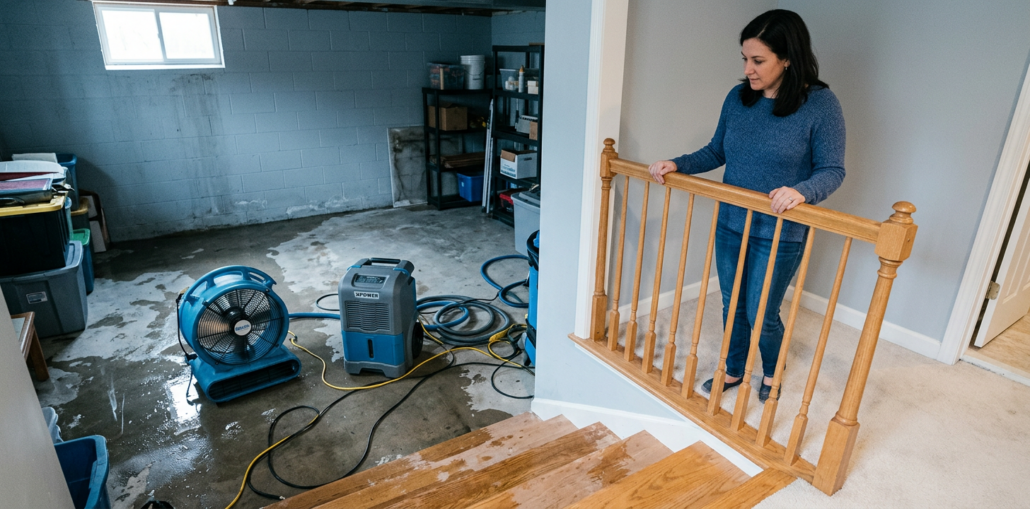
A flooded basement can make a calm morning feel chaotic fast. Maybe the sump pump failed during spring runoff, a pipe froze after a cold Aspen night, or stormwater pushed through a foundation crack while you were away.
If you’re wondering how to clean up flooded basement floor safely, the first thing to know is this: cleanup is not just about removing visible water. It’s about protecting your health, preventing mold, saving materials that can be saved, and documenting the damage before repairs begin.
Even a small amount of water deserves quick action. The National Flood Insurance Program says just one inch of floodwater can cause roughly $25,000 in damage to a home, which is why speed matters for homeowners and property managers across Aspen, Basalt, Carbondale, Snowmass Village, Glenwood Springs, and the Roaring Fork Valley.
Flooded Basement Cleanup Options at a Glance
| Option | Best For | Main Benefit | Main Risk |
|---|---|---|---|
| DIY cleanup | Small, clean water spills | Fast first response | Hidden dampness |
| Plumber | Active pipe leak | Stops water source | No full drying plan |
| Insurance adjuster | Claim documentation | Coverage guidance | Not cleanup work |
| Restoration team | Standing water or soaked materials | Extraction, drying, repair | Needs fast scheduling |
Step 1: Make Safety the First Decision
Before stepping onto a flooded basement floor, pause. Water and electricity are a dangerous mix, especially if outlets, extension cords, appliances, or HVAC equipment may be affected.
The CDC advises using pumps, wet-dry vacuums, and other electric equipment only after electricity has been deemed safe. If you see sparking, smell gas, hear buzzing, or can’t reach the electrical panel without walking through water, stay out and call a qualified professional.
Also avoid running gasoline-powered generators, pumps, or pressure washers inside a basement, garage, porch, or near doors and windows. Carbon monoxide can build up quickly, even when the space feels ventilated.
Step 2: Stop the Water Source If You Can
The best cleanup plan fails if water keeps entering the basement. If the flooding is from a burst pipe, broken water heater, or appliance line, shut off the main water valve if it’s safe to reach.
If the water is coming from outside, look at gutters, downspouts, window wells, driveway grading, and snowmelt paths once conditions are safe. In mountain communities like Aspen and Snowmass Village, freeze-thaw cycles and rapid runoff can send water toward foundations that looked fine the week before.
For sewage, toilet overflow, or drain backup, don’t treat the basement like a normal mop-up job. Contaminated water can carry bacteria and other hazards, so professional sewage cleanup is the safer route.
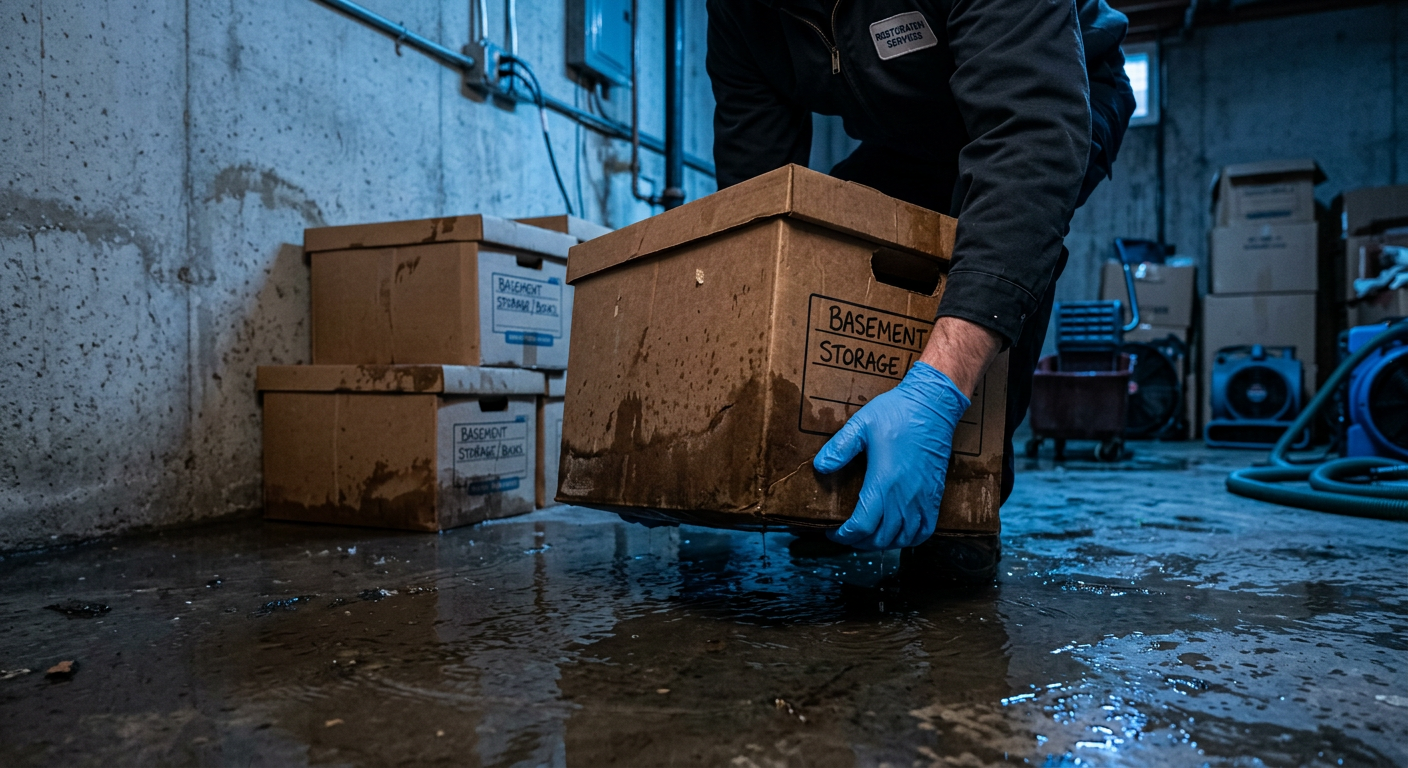
Step 3: Document Damage Before Moving Too Much
Take photos and short videos before major cleanup begins, as long as you can do it safely. Capture the water line, affected flooring, walls, baseboards, rugs, furniture, appliances, personal belongings, and the likely source of the water.
This helps your insurance carrier understand what happened and what materials were affected. Keep receipts for equipment rental, supplies, emergency repairs, hotel stays if needed, and professional services.
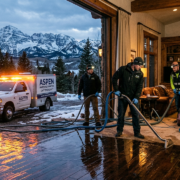
If you’re in Aspen or nearby, Helpers Restoration offers local water damage services and can help document moisture damage as part of the cleanup process. That matters because a floor can look dry while subflooring, baseboards, drywall, or insulation still hold moisture.
Step 4: Remove Standing Water Quickly
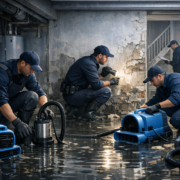
Once power safety is confirmed, standing water can usually be removed with a sump pump, transfer pump, or wet-dry vacuum. Start with the deepest areas first, then work toward drains or low points.
For small, clean-water events, towels and mops may help with the final layer. For several inches of water, soaked carpet, or water reaching walls, a professional extraction setup is usually faster and more thorough than rental equipment.
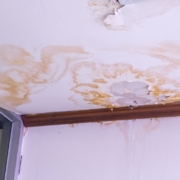
This is the point where many homeowners underestimate the problem. The water you see is only part of the loss. Moisture can travel under flooring, into tack strips, behind trim, and through drywall seams.
Step 5: Sort What to Keep, Clean, or Throw Away
Hard, nonporous items are often easier to clean and disinfect. Think plastic storage bins, metal shelving, tools, and sealed containers.
Porous items are different. Carpet pad, cardboard, upholstered furniture, insulation, and some pressed-wood materials may hold contaminated water and stay damp long after the basement looks better.
The CDC’s mold cleanup guidance says items wet with floodwater that can’t be cleaned and dried fully within 24 to 48 hours should be taken outside. That time window is a big deal when deciding what stays and what goes.
Step 6: Clean the Basement Floor Based on Water Type
If the water came from a clean supply line and the floor is concrete, tile, or sealed vinyl, remove debris first, then wash with detergent and clean water. After that, disinfect according to the product label and allow the surface to dry fully.
If the water came from storm runoff, a drain backup, or sewage, don’t rely on household cleaners alone. Contaminated water can affect floor joints, cracks, wall cavities, baseboards, and stored belongings.
For unfinished concrete basements, pay attention to cracks and expansion joints. Dirt, organic material, and moisture can collect there, which makes odor and mold issues more likely if drying is incomplete.
Step 7: Dry the Floor, Walls, and Air
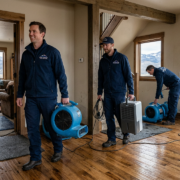
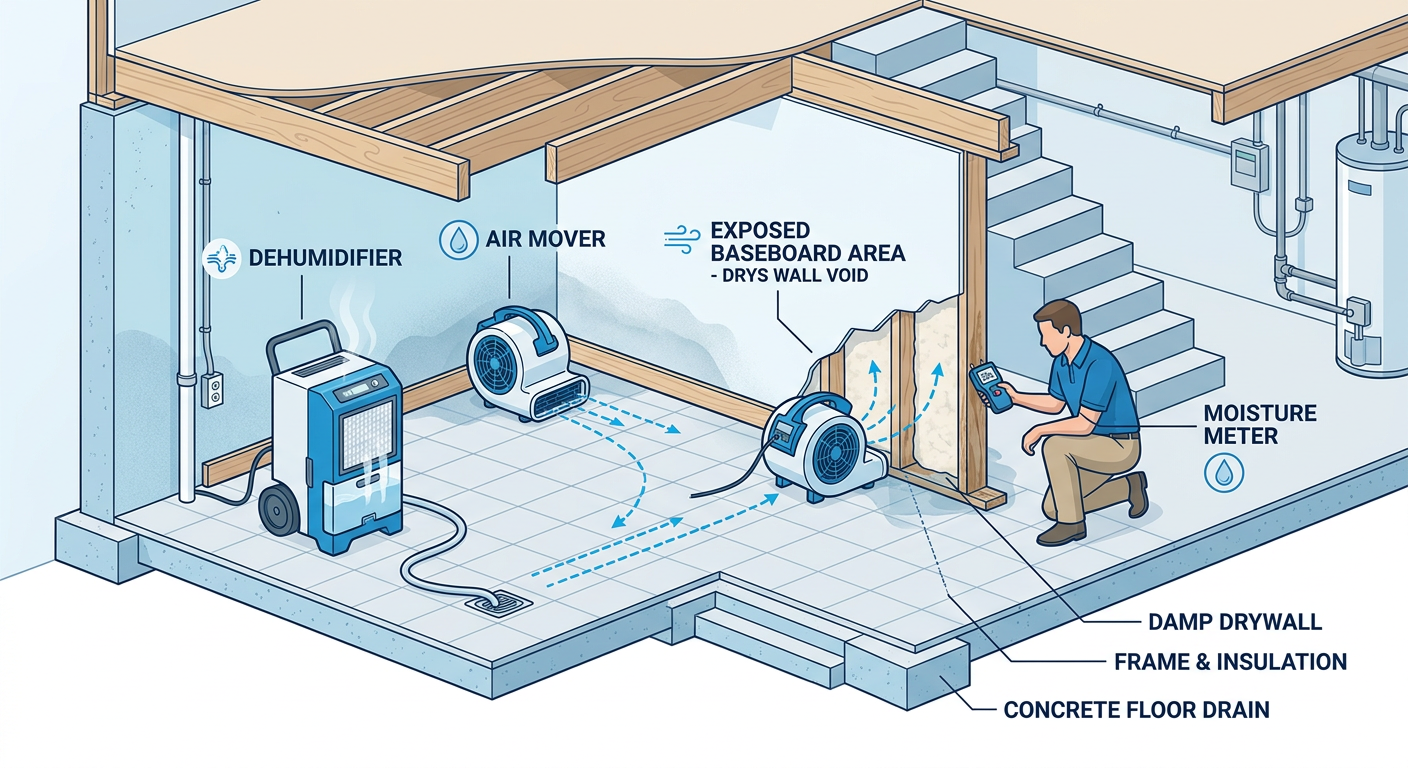
Here’s the thing: drying is a system, not a fan in the corner. You need air movement, dehumidification, moisture checks, and enough time for damp materials to release water.
The U.S. EPA notes that if wet or damp areas and materials are dried within 24 to 48 hours after a leak or spill, mold will often not grow. That doesn’t mean every basement is safe after two days, but it does show why fast drying matters.
Use dehumidifiers, air movers, and ventilation when outdoor conditions allow. In Colorado mountain weather, outdoor air may help on dry days, but it can slow drying when humidity rises or temperatures drop.
When DIY Cleanup Is Not Enough
You should bring in certified help if water covered a large area, soaked carpet, reached drywall, came from sewage, involved tenants or guests, or sat for more than a day. You should also get help if the basement has a musty smell, warped floors, staining, or recurring moisture.
Local conditions matter too. Aspen and the Roaring Fork Valley see burst pipes, ice dams, spring runoff, appliance leaks, and storm-driven flooding. A local team understands how these problems show up in mountain homes, condos, commercial spaces, and vacation properties.
If the damage is in Aspen, start with dedicated water damage cleanup in Aspen. For nearby communities, local pages are available for Basalt water damage cleanup, Carbondale water damage cleanup, Snowmass water damage cleanup, and Glenwood Springs water damage cleanup.
What Not to Do After a Basement Flood
Don’t plug in equipment while standing in water. Don’t use a household vacuum for water removal. Don’t paint over damp drywall. Don’t assume carpet pad will dry in place.
Also, don’t wait for a musty odor before acting. By the time a smell appears, moisture may already be trapped behind finishes or under flooring.
If mold is visible or suspected, review professional mold damage services before disturbing materials. Improper removal can spread spores through the home.
Get 24/7 Help for Basement Water Damage in Aspen
If you need emergency water cleanup, call Helpers Restoration at (970) 927-3600 for fast local help in Aspen, Basalt, Carbondale, Snowmass Village, Glenwood Springs, and the Roaring Fork Valley. You can also request help through the contact page or review common answers on the FAQ page.
The team provides emergency extraction, drying and dehumidification, flood cleanup, water damage repair, and insurance claim support. When water is moving through your basement, getting trained eyes on the damage early can save time, money, and stress.
Frequently Asked Questions
How long does it take to clean up a flooded basement floor?
Minor clean-water cleanup may take several hours, but structural drying can take multiple days. The timeline depends on water depth, flooring type, wall exposure, humidity, and how quickly extraction begins.
Can I clean a flooded basement floor myself?
You can handle a small clean-water spill if electricity is safe, the water source is stopped, and materials can be dried quickly. If water touched drywall, carpet pad, insulation, electrical systems, or sewage, professional cleanup is the safer choice.
Should I remove carpet after a basement flood?
Often, yes, especially if the pad is soaked. Carpet may sometimes be cleaned after a clean-water event, but padding usually holds too much moisture and can create odor or mold problems.
How do I prevent mold after basement flooding?
Remove standing water fast, discard unsalvageable porous materials, clean affected surfaces, and dry the space with dehumidifiers and air movement. Moisture readings are the best way to confirm materials are actually dry.
Is basement flooding covered by insurance?
It depends on the cause and your policy. Sudden plumbing failures may be handled differently than outside floodwater or sewer backup, so document everything and call your insurance provider early.
What if the flooded basement smells musty?
A musty smell often means moisture is still present or mold may be developing. Check behind baseboards, under flooring, around stored items, and near drywall, then consider a professional moisture inspection.
Quick Summary
Knowing how to clean up flooded basement floor starts with safety, source control, documentation, extraction, cleaning, and complete drying. The biggest mistake is stopping when the floor looks dry, because hidden moisture can continue damaging walls, trim, flooring, and stored belongings.
For Aspen-area homes and properties, fast action is especially important during freeze-thaw conditions, spring runoff, and storm events. A careful plan helps protect your property and keeps a messy basement flood from becoming a much larger restoration project.