Signs of Hidden Mold After Leak: Aspen Homeowner Guide
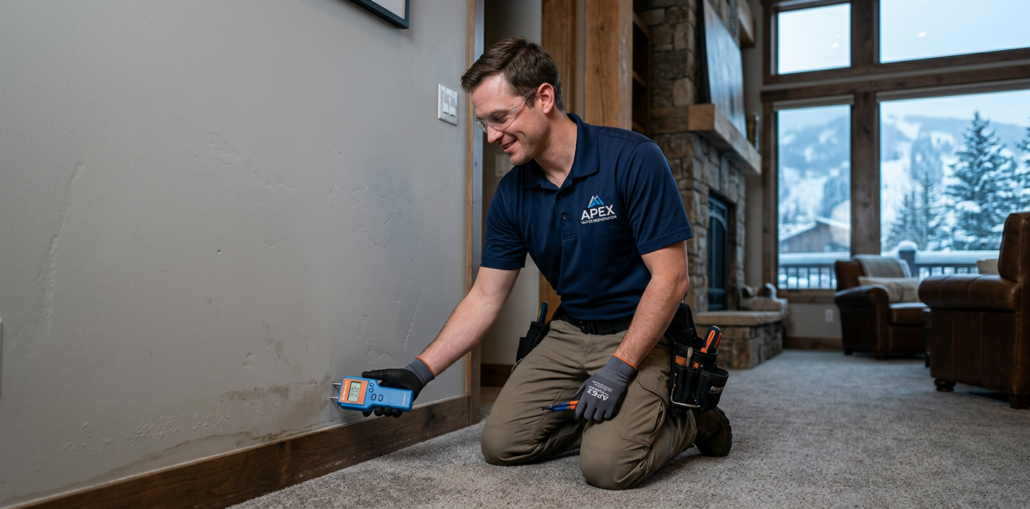
A small leak can feel harmless once the puddle is gone. The floor looks dry, the pipe is fixed, and life moves on. But behind drywall, under flooring, and inside cabinets, trapped moisture can quietly create the perfect setting for mold.
That’s why knowing the signs of hidden mold after leak events matters so much for homeowners, business owners, and property managers in Aspen and the Roaring Fork Valley. In our mountain climate, freeze-thaw cycles, burst pipes, roof leaks, and snowmelt issues can push moisture into places you can’t easily see.
Helpers Disaster Restoration helps local properties recover from water damage, emergency water cleanup, drying, dehumidification, and mold remediation across Aspen, Basalt, Carbondale, Snowmass Village, Glenwood Springs, and nearby Colorado communities. Here’s what to watch for, when to act, and how to protect your property before hidden mold becomes a larger repair.
Why Hidden Mold Can Appear After a Leak
Mold needs moisture, organic material, and time. Drywall paper, wood framing, insulation, carpet pad, cabinetry, and dust can all provide a food source when they stay damp.
The EPA guide to mold and moisture explains that drying water-damaged materials within 24 to 48 hours helps prevent mold growth in many cases. The CDC mold guidance also recommends drying a home fully and quickly after flooding and fixing leaks so mold doesn’t have moisture to grow.
Here’s the thing, surfaces can look dry long before the material underneath is actually dry. That’s especially true with hardwood floors, drywall, trim, carpet pad, cabinet toe kicks, and ceiling cavities after a pipe leak or roof leak.
Signs of Hidden Mold After Leak Problems
Musty Odors That Don’t Go Away
A persistent musty smell is one of the clearest warning signs of hidden mold. You may notice it more when the HVAC system starts, when you open a closet, or when you walk into a room that was affected by water damage.
If the odor lingers after basic cleaning, don’t mask it with air fresheners. Odor often points to damp material that still needs inspection, drying, or removal.
Stains, Rings, or Discoloration
Look for yellow, brown, gray, green, or black staining on walls, ceilings, baseboards, flooring, and cabinet interiors. Water stains may appear as rings, streaks, cloudy patches, or shadowy areas.
In Aspen properties, ceiling stains after snowmelt or roof leaks deserve quick attention. Moisture may have traveled farther than the visible stain suggests.
Bubbling Paint or Peeling Wallpaper
When moisture sits behind finished surfaces, paint can blister and wallpaper can lift. You might also see soft spots, ripples, or a slightly uneven wall surface.
This is common after slow plumbing leaks, appliance supply line failures, and water cleanup that didn’t include enough structural drying.
Warped Flooring or Soft Spots
Hardwood cupping, laminate swelling, loose tile, and soft carpet areas can all point to trapped water below the surface. If flooring feels spongy or makes new cracking sounds, moisture may be sitting in the subfloor.
Don’t assume the top layer tells the whole story. A professional water damage restoration inspection can identify whether drying and dehumidification are still needed.
Recurring Allergy-Like Symptoms Indoors
Mold affects people differently. The CDC notes that damp and moldy environments can contribute to symptoms like stuffy nose, sore throat, coughing, wheezing, irritated eyes, or skin rash for some people.
If symptoms seem worse in one room, basement, office, or rental unit after a leak, it’s worth investigating the building materials nearby.
Visible Specks Near the Leak Area
Small dots on drywall, trim, grout, caulk, carpet edges, or cabinet panels may be early mold growth. Mold can appear black, green, white, gray, brown, or fuzzy.
Avoid aggressive scrubbing if the affected area is large or if the material is porous. Scrubbing can disturb spores and spread contamination.
Condensation and High Indoor Humidity
Condensation on windows, pipes, or cold walls can signal excess humidity. The EPA recommends keeping indoor humidity below 60 percent when possible, ideally between 30 and 50 percent.
After a leak, indoor humidity can stay elevated if wet materials weren’t fully dried. That’s where professional dehumidification makes a big difference.
Common Places Mold Hides After Water Damage
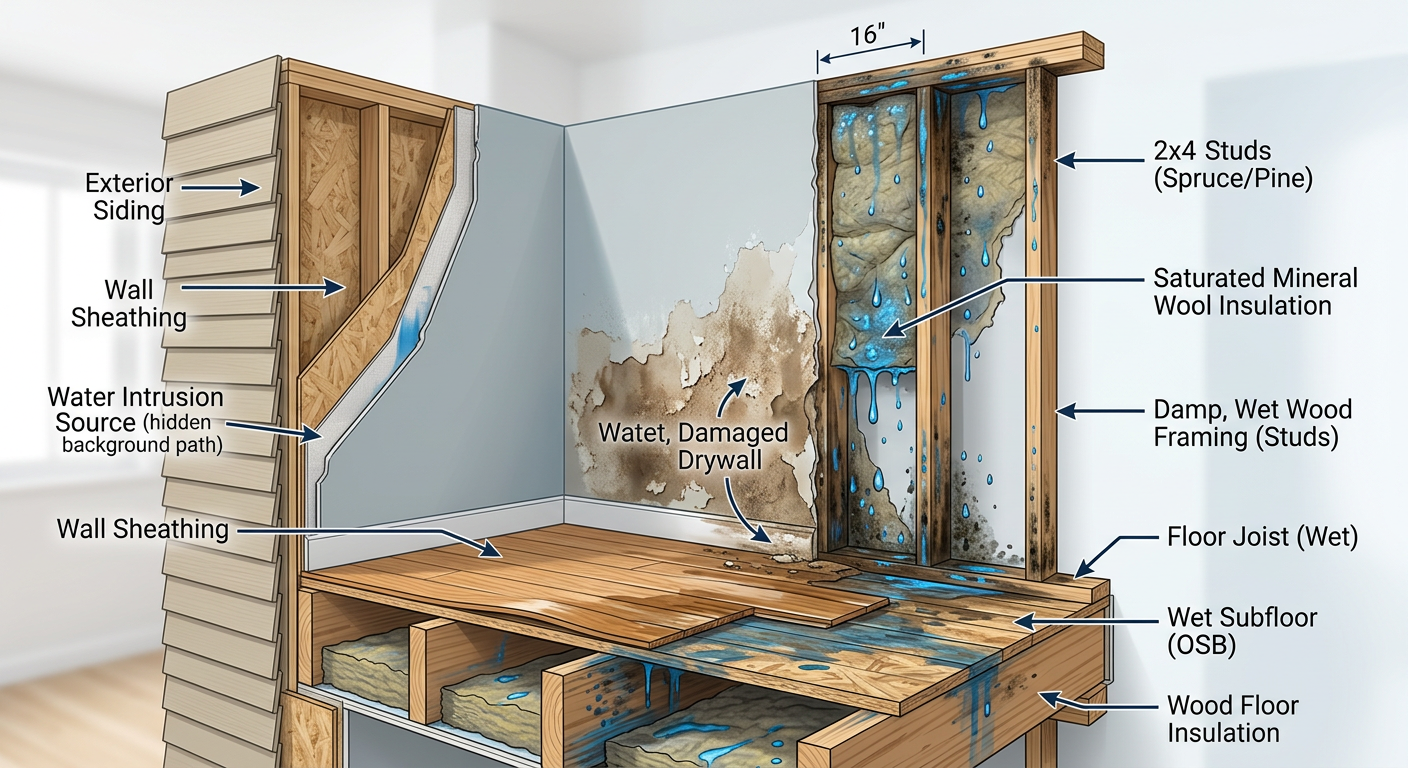
Hidden mold often starts where air movement is poor and materials stay damp. Check these areas first:
- Behind baseboards and drywall near the leak
- Under carpet, carpet pad, hardwood, or laminate
- Inside kitchen and bathroom cabinets
- Behind appliances like dishwashers, refrigerators, and washing machines
- Around tubs, showers, toilets, and vanities
- Inside ceiling cavities after upstairs leaks
- Around window wells, roof leaks, and exterior wall penetrations
- In crawl spaces, utility rooms, and mechanical closets
For Aspen property managers, this is especially important in condos, vacation rentals, and commercial buildings where leaks can go unnoticed between guests, tenants, or seasonal occupancy checks.
What To Do If You Suspect Hidden Mold
Stop the Moisture Source
Fix the leak first. This may mean shutting off the water supply, repairing a pipe, addressing a roof issue, or stopping appliance leakage.
Mold cleanup isn’t complete if the moisture source remains active.
Document the Damage
Take clear photos and videos of stains, warped materials, wet belongings, and affected rooms. Save repair invoices and note the date the leak was discovered.
Good documentation can help with insurance claim assistance and gives restoration professionals a clearer timeline.
Avoid Disturbing Suspected Growth
If you see suspected mold, don’t cut into walls, pull up flooring, or run household fans across contaminated materials. Air movement can spread particles into clean areas.
Call a professional if the area is larger than a small patch, if sewage was involved, if the leak affected multiple rooms, or if vulnerable occupants are present.
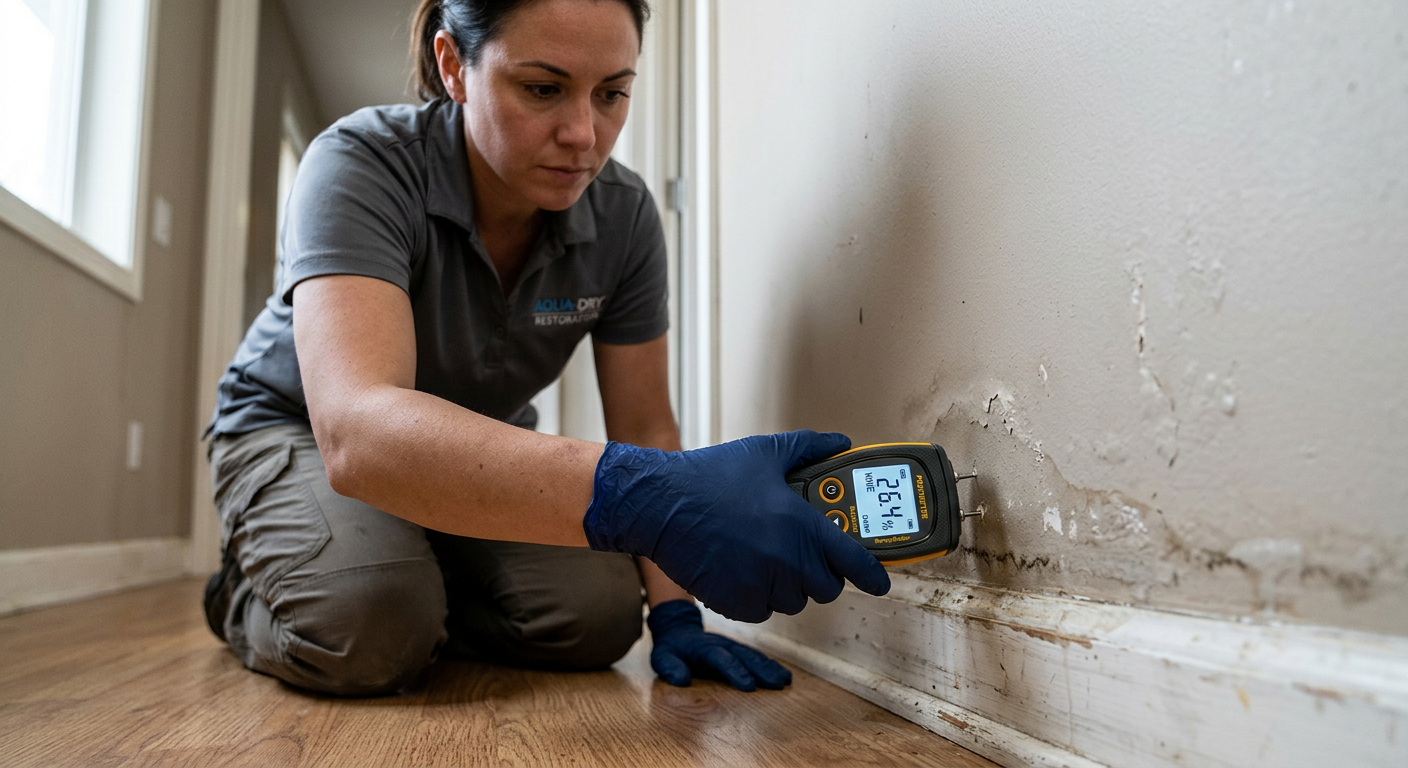
Get Moisture Readings
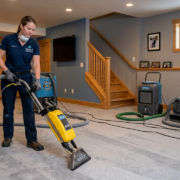
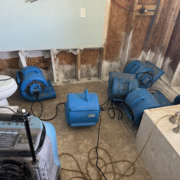
A room can look dry and still contain wet drywall, framing, insulation, or subflooring. Helpers Disaster Restoration uses moisture detection, drying equipment, and dehumidification to help identify and correct hidden water damage.
For local support, schedule emergency water damage cleanup in Aspen or ask about mold damage recovery services.
How Helpers Disaster Restoration Protects Your Property
Helpers Disaster Restoration provides water damage cleanup, emergency water extraction, flood cleanup, drying and dehumidification, water damage repair, sewage cleanup, mold remediation, fire and smoke restoration, and insurance claim assistance.
For homeowners and property managers in Aspen, Basalt, Carbondale, Snowmass Village, Glenwood Springs, and the Roaring Fork Valley, fast response helps reduce secondary damage. The team is local, experienced, and available 24/7 for urgent water damage Aspen Colorado needs.
If you’re unsure whether a small leak became a bigger issue, visit the Helpers Restoration FAQ for common restoration questions or request help through the contact page.
Frequently Asked Questions
How fast can mold grow after a leak?
Mold may begin growing when wet materials stay damp for 24 to 48 hours or longer. The exact timing depends on humidity, temperature, material type, and how quickly the leak is dried.
Can hidden mold exist if I don’t see spots?
Yes. Mold can grow behind drywall, under flooring, inside cabinets, above ceilings, and in insulation before it becomes visible on finished surfaces.
Is a musty smell after water damage serious?
It can be. A musty odor often means moisture remains somewhere nearby. If the smell continues after cleaning and ventilation, schedule a moisture inspection.
Should I test for mold after every leak?
Not always. If visible mold is present, the priority is removing the mold safely and fixing the moisture problem. Moisture readings and a professional inspection are often more useful than basic home test kits.
Can I clean hidden mold myself?
Small surface areas on nonporous materials may be manageable for some homeowners, but hidden mold in drywall, insulation, flooring, or HVAC-adjacent areas should be handled professionally.
Does insurance cover mold after a leak?
Coverage depends on your policy, the cause of the leak, and how quickly the damage was addressed. Helpers Disaster Restoration can help document damage and coordinate insurance claim support.
When should I call a restoration company?
Call right away if the leak affected walls, ceilings, floors, cabinets, multiple rooms, sewage, or an occupied rental property. Fast drying can help reduce repair scope and mold risk.
Get Fast Help Before Hidden Mold Spreads
If you notice signs of hidden mold after leak damage, don’t wait for the problem to become visible across a wall or ceiling. Call Helpers Disaster Restoration at (970) 927-3600 for 24/7 emergency cleanup in Aspen, or request help through Helpers Restoration.
Whether you need water cleanup in Aspen CO, flood restoration in Basalt, water damage repair in Carbondale, or mold remediation in Snowmass Village, the team is ready to respond quickly and professionally.
Summary
Hidden mold after a leak usually announces itself through smell, staining, warped materials, indoor humidity, or symptoms that feel worse in certain rooms. The safest next step is to fix the moisture source, document the damage, avoid disturbing suspected growth, and bring in trained restoration professionals.
Conclusion
Leaks are stressful enough without worrying about what’s happening behind the wall. But with fast action, proper drying, and a careful inspection, you can catch hidden mold early and avoid bigger repairs.
Helpers Disaster Restoration is here for Aspen and the Roaring Fork Valley with trusted water damage cleanup, mold remediation, and insurance claim assistance when you need it most.