How To Clean Up Frozen Pipe Water Damage Fast And Safely
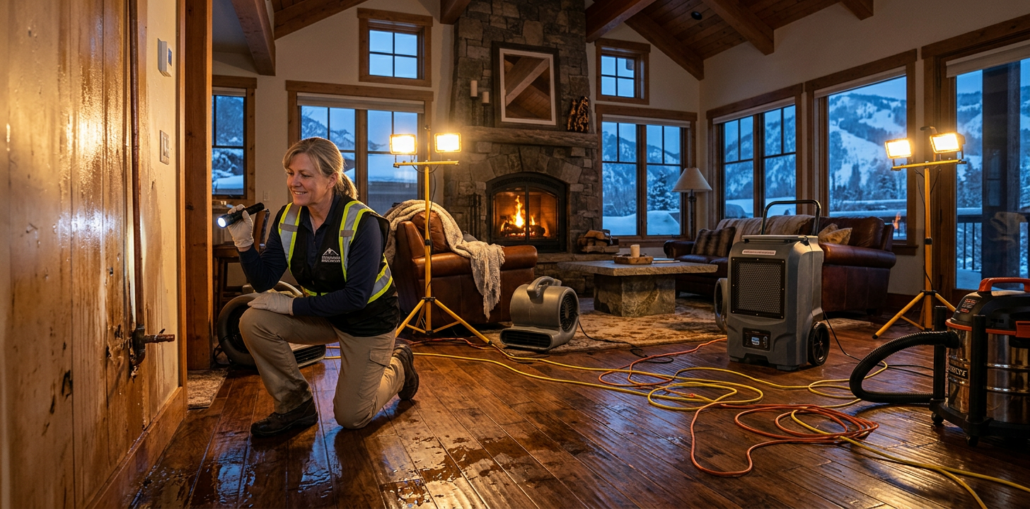
When winter temperatures drop fast, frozen pipes can turn into a very expensive mess in a matter of minutes. The real problem is not just the visible water, it is what soaks into walls, floors, insulation, and baseboards after the pipe thaws.
If you are dealing with frozen pipe water damage, speed matters. The sooner you shut off the water, remove standing moisture, and start drying, the better your chances of avoiding structural damage and mold growth.
What To Do First After A Frozen Pipe Bursts
The first few minutes matter most. If water is still flowing, shut off the main water supply right away. Then turn off electricity in any affected areas if it is safe to do so, especially if water is near outlets, appliances, or the breaker panel.
Next, document the damage with photos and videos before moving too much. That record can help with insurance claims and gives you a clear picture of what needs cleanup.
Start Water Removal Immediately
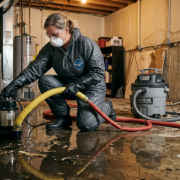
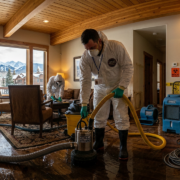
Standing water needs to come out as quickly as possible. Use towels, mops, buckets, or a wet vacuum if the amount is small and the area is safe. For larger losses, professional emergency water extraction is usually the fastest and safest option.
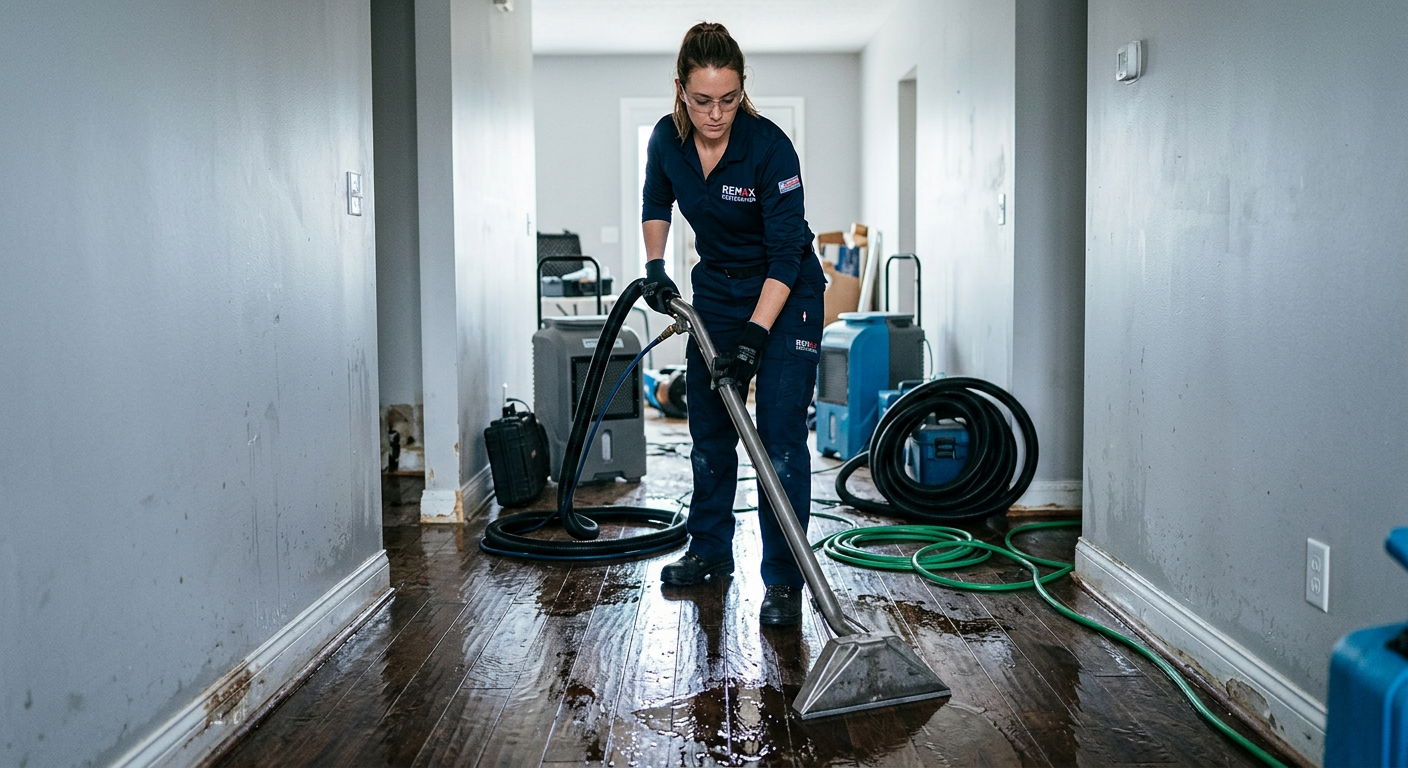
If water has spread under flooring or into carpet padding, surface drying alone will not solve the problem. Moisture can stay trapped underneath and keep damaging the property long after the puddles are gone.
Remove Salvageable Belongings And Wet Materials
Move furniture, rugs, boxes, and personal items out of the wet area if they can be safely relocated. Place aluminum foil or wood blocks under furniture legs to help prevent staining and transfer of moisture.
Porous materials like soaked drywall, carpet padding, and insulation may need to be removed if they cannot dry quickly. The longer they stay wet, the higher the risk of mold and hidden deterioration.
Dry The Area Thoroughly
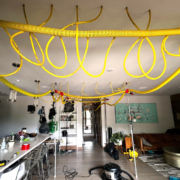
After water removal, drying is the next priority. Open doors and windows only if outdoor conditions are dry and cold air will not make things worse. Use fans and dehumidifiers to speed up evaporation and reduce indoor humidity.
For best results, professional drying and dehumidification equipment is often needed. Hidden moisture behind walls or under floors is one of the main reasons frozen pipe water damage becomes a bigger restoration job later.
Clean And Disinfect Affected Surfaces
Once the area is dry enough, clean hard surfaces with an appropriate cleaner and disinfectant. This is especially important if the water sat for several hours or picked up dirt, insulation dust, or contaminants from building materials.
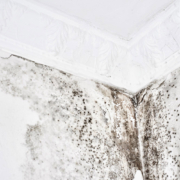
Be careful not to close up walls or replace flooring before the structure is fully dry. Sealing in moisture can trap odors and create conditions for mold growth.
Watch For Signs Of Hidden Damage
Even when the floor looks dry, trouble may still be lurking inside the wall cavity or subfloor. Watch for warped baseboards, bubbling paint, soft drywall, musty odors, or new stains in the days after the incident.
If you notice any of these warning signs, a full inspection is worth it. A certified restoration team can use moisture meters and thermal imaging to find hidden water before it spreads further.
Work With Your Insurance Company Early
Frozen pipe claims often go more smoothly when you report the damage right away. Keep receipts for cleanup supplies, temporary lodging if needed, and any emergency repairs.
If the loss is significant, a restoration company that offers insurance claim assistance can help document the damage and communicate what happened in clear terms. That can save time and reduce stress during an already difficult situation.
When To Call A Professional Restoration Team
Call a professional when the water loss is more than a small spill, when the source is unclear, or when the damage affects walls, ceilings, or flooring. You should also get help if the area smells musty, electrical systems were exposed, or you suspect mold.
For homeowners and property managers in Aspen and the Roaring Fork Valley, fast local help matters. Helpers Restoration provides water damage cleanup, emergency water extraction, flood cleanup, drying and dehumidification, water damage repair, and mold remediation in Aspen, Basalt, Carbondale, Snowmass Village, Glenwood Springs, and nearby communities.
Frozen Pipe Water Damage FAQ
How long do I have before mold starts after water damage?
Mold can begin growing quickly when materials stay damp, so the safest approach is to dry the area as soon as possible. The exact timeline depends on temperature, humidity, and what materials were affected.
Can I just use fans to dry everything?
Fans help, but they usually are not enough by themselves. Dehumidifiers and moisture monitoring are important because hidden water can remain inside walls and under flooring.
Should I remove wet drywall?
If drywall is soaked or badly damaged, it often needs to be removed to allow proper drying and prevent future mold problems. A restoration professional can help determine what can be saved.
Is frozen pipe damage covered by insurance?
Many policies cover sudden pipe bursts, but coverage can vary based on maintenance issues, freezing precautions, and policy language. Report the loss quickly and document everything.
What if the water reached my basement?
Basements often need fast extraction because moisture can collect in carpet, drywall, and framing. Extra drying time and inspection are usually needed.
Can frozen pipes cause sewage or mold issues too?
Yes, if water spreads into contaminated areas or sits too long, additional cleanup may be needed. In some cases, sewage cleanup or mold remediation becomes part of the restoration plan.
Protect Your Property With Fast Local Help
The best way to limit frozen pipe damage is to act quickly, dry thoroughly, and make sure no hidden moisture is left behind. If you are overwhelmed or the damage is more than you can handle alone, professional cleanup can prevent a small problem from turning into a major repair.
For 24/7 emergency help in Aspen and the Roaring Fork Valley, contact Helpers Restoration for water damage cleanup, water damage repair, and emergency water cleanup. Learn more at Helpers Restoration Water Damage Services or water damage services in Aspen, and call (970) 927-3600 for immediate help.
Summary
Frozen pipe water damage needs fast action, thorough drying, and careful inspection for hidden moisture. If you shut off the water, remove standing water, dry the area, and call a trusted restoration company when needed, you can protect your home and reduce long-term repair costs.