Water Damage Aspen: What To Do After Sewage Backup
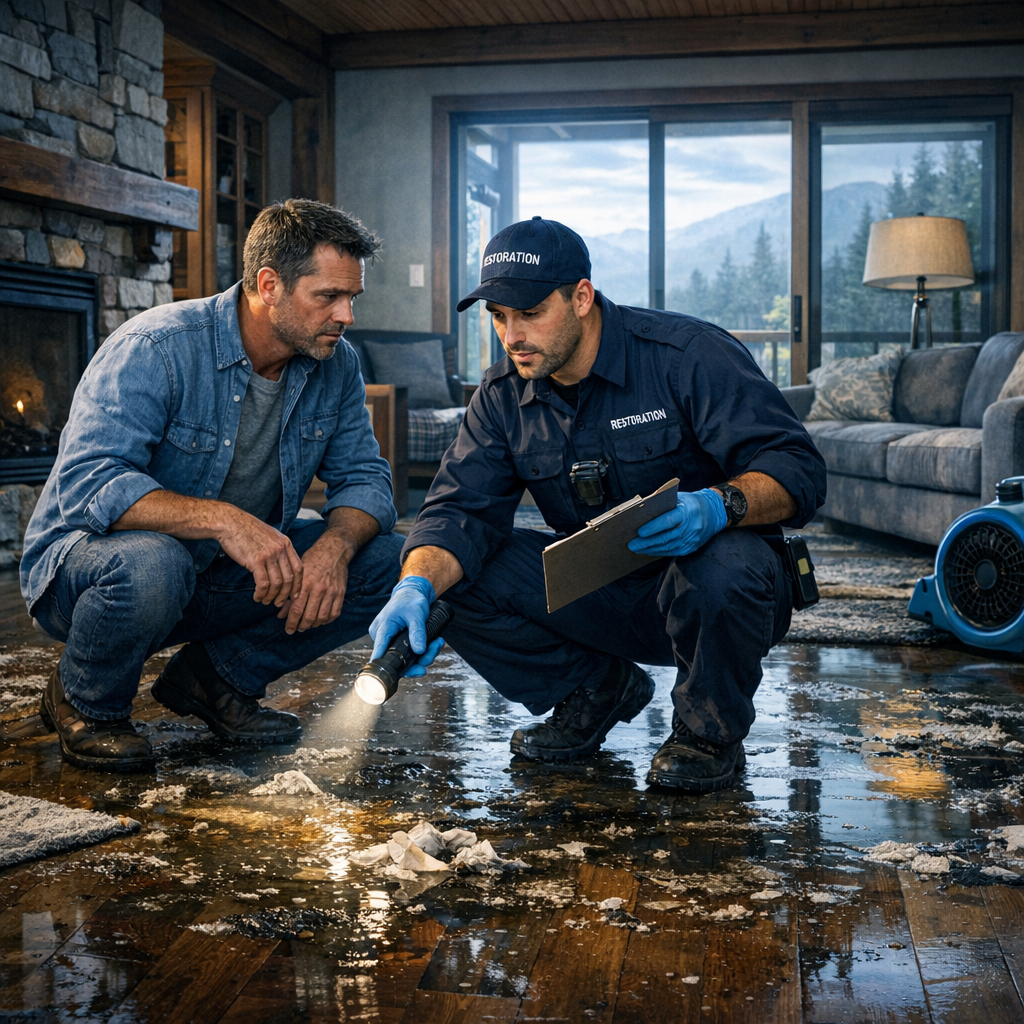
If raw sewage or a contaminated backup has flooded part of your home, seconds matter. Start by keeping people and pets out of the affected area, then take clear, practical steps to protect health and limit damage while help is on the way. In this guide you will find local, actionable steps for homeowners and property managers in Aspen and the Roaring Fork Valley, plus when to call professional cleanup like Helpers Restoration.
Sewage backups are one of the most dangerous water-damage scenarios because they mix biological waste with standing water. That means health risks, rapid structural damage, and an urgent need for certified remediation. Below are the right steps to take immediately, and how local experts handle the rest.
First 10 Minutes: Immediate Safety and Containment
- Keep everyone out of the area, including pets. Sewage contains pathogens that can make people sick.
- Turn off electricity to the affected area if you can safely do so, especially if water has reached outlets or appliances. Do not step into standing water to flip a breaker.
- Close doors to limit spread of contaminated water and air. If possible, block off vents to prevent HVAC from circulating contaminated air.
- Snap photos and video of the damage from a safe distance. These records help with insurance claims and restoration planning.
Here's the thing, you do not want to treat sewage like ordinary water. It is contaminated water, and handling it incorrectly can increase risk of mold, structural damage, and illness.
Next Steps: What to Do While Waiting for Help
Call Professionals Right Away
Contact a certified local restoration company that handles sewage cleanup and emergency water extraction. Helpers Restoration offers 24/7 emergency response in Aspen, Basalt, Carbondale, Snowmass Village, and Glenwood Springs and will handle extraction, disinfection, drying, and documentation for insurance. Call (970) 927-3600 for immediate dispatch.
Protect High-Value Items
- Remove small, dry valuables from the area if you can do so safely.
- Move undamaged furniture to a dry room above the water line.
- Do not try to clean or salvage porous materials that soaked up sewage, like mattresses, carpets, and upholstered furniture; these often require disposal.
Ventilation and Airflow
Only ventilate if the contamination is limited and it is safe to do so. Open windows for airflow after professionals confirm the area is safe, and never run HVAC systems that could spread contaminants until a technician inspects the ducts.
Why Professional Sewage Cleanup Matters
Sewage backups are classified as Category 3 water damage, meaning the water is grossly contaminated. Proper restoration requires:
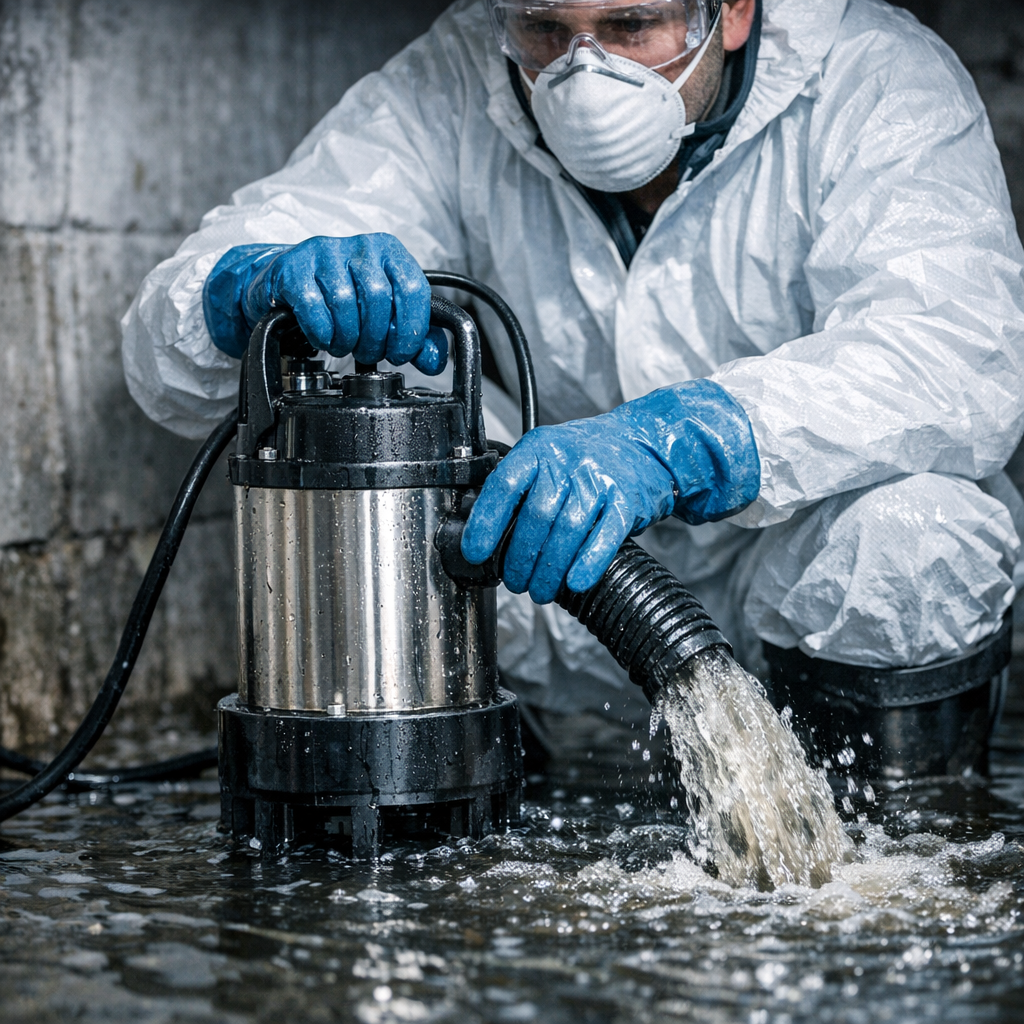
- Emergency water extraction and controlled demolition where necessary
- Industrial-grade drying and dehumidification to prevent mold growth
- Antimicrobial disinfection and odor removal
- Safe disposal of unsalvageable materials
- Thorough documentation for insurance
Helpers Restoration uses certified technicians and industry-standard equipment to limit damage and reduce long-term repair costs. For more on their water damage services, see the general water damage page and the Aspen-specific service page.
- Water damage services: https://helpersrestoration.com/water-damage/
- Aspen water damage page: https://helpersrestoration.com/water-damage/aspen/
Working With Insurance: Quick Tips
- Report the loss to your insurer as soon as possible. Provide the photos and videos you took, plus date and time of the backup.
- Get the restoration company’s estimate and scope of work. A reputable provider will work directly with your insurer and give documentation for claims.
- Keep receipts for emergency repairs and temporary lodging if your home is uninhabitable. Helpers Restoration can assist with scope documentation to streamline claims.
Preventing Future Sewage Backups
- Install a backwater valve or check valve on building sewer lines to reduce risk.
- Maintain clean roof drains and downspouts. Heavy snowmelt and blockages can overwhelm systems.
- Schedule periodic plumbing inspections for older homes, especially in lower-level units.
- Consider flood-proofing and grading adjustments if your home sits in a low spot.
Local Considerations for Aspen and the Roaring Fork Valley
Mountain climates and older infrastructure can increase the risk of backups during freeze-thaw cycles, heavy spring runoff, or sudden storms. If you rent or manage properties in Basalt, Carbondale, Snowmass Village, or Glenwood Springs, keep emergency contacts and a restoration partner on speed dial for fast response.
- Glenwood Springs services: https://helpersrestoration.com/water-damage/glenwood-springs/
- Snowmass Village services: https://helpersrestoration.com/water-damage/snowmass/
- Basalt services: https://helpersrestoration.com/water-damage/basalt/
- Carbondale services: https://helpersrestoration.com/water-damage/carbondale/
What the Restoration Team Will Do When They Arrive
- Assess contamination level and document damage for insurance
- Secure the scene and remove contaminated materials safely
- Perform emergency extraction and set up industrial drying and dehumidifiers
- Clean and disinfect affected structures, then monitor for mold
- Provide a detailed restoration plan and timeline
Helpers Restoration also coordinates with related services like mold remediation and can inspect for secondary issues. See their mold and fire pages for related concerns.
- Mold remediation: https://helpersrestoration.com/mold-damage/
- Fire and smoke restoration: https://helpersrestoration.com/fire-damage/
Summary
Dealing with a sewage backup is urgent and different from ordinary household flooding. Protect people first, avoid contact with contaminated water, document the damage, and call a 24/7 certified restoration provider like Helpers Restoration. Fast action reduces health risks, limits structural damage, and makes insurance claims smoother.
Frequently Asked Questions
How dangerous is sewage water inside my home?
Sewage is classified as grossly contaminated water and poses health risks from bacteria, viruses, and chemicals. Avoid contact and let trained technicians handle cleanup.
Can I clean up sewage myself to save money?
Small, contained spills may be addressed safely, but most household sewage backups require professional equipment and protective procedures. Attempting DIY cleanup can increase health risks and lead to improper drying and mold.
What items can be saved after a sewage backup?
Non-porous items made of metal or hard plastic can often be cleaned and disinfected. Porous materials like carpet padding, insulation, mattresses, and upholstered furniture frequently need disposal.
How long before mold becomes a problem?
Mold can begin to grow within 24 to 48 hours on damp materials. Rapid extraction and drying are essential to prevent mold growth.
Will my homeowners insurance cover sewage backup cleanup?
Coverage varies by policy. Many policies cover sudden sewage backups, but not backups caused by lack of maintenance or failures that are excluded. Document everything and work with your restoration company and insurer.
When is it safe to re-enter my home after a sewage cleanup?
Your restoration provider will confirm safety once extraction, disinfection, and drying are complete, and air quality meets safety standards. Do not re-enter until cleared.
Need 24/7 Emergency Help? Call Now
If you have a sewage backup in Aspen or anywhere in the Roaring Fork Valley, call Helpers Restoration right away at (970) 927-3600 for emergency water extraction and sewage cleanup. You can also request fast service online at https://helpersrestoration.com/ and the team will dispatch certified technicians to your property immediately.
Conclusion
A sewage backup is stressful, but the right first steps protect health and reduce long-term costs. Keep people safe, document damage, and get certified pros on site quickly. Helpers Restoration serves Aspen, Basalt, Carbondale, Snowmass Village, Glenwood Springs, and nearby areas, offering emergency response, insurance assistance, and full restoration to get your home back to normal.