Water Damage Aspen: Wall Drying Times After Flooding, Prevention
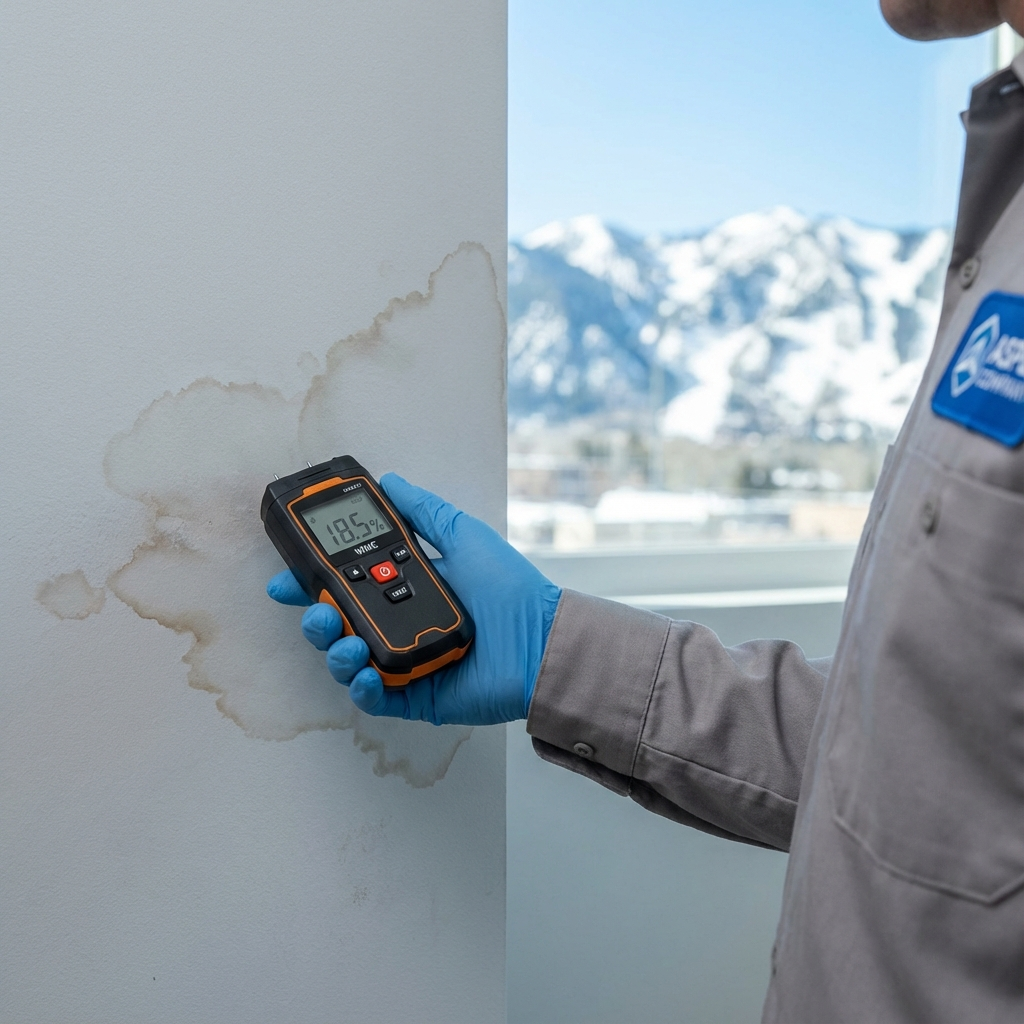
When a wall soaks through after a leak or flood, decisions made in the first 24 to 72 hours can change the outcome for your home. Waiting without a plan can allow hidden moisture to create mold, structural problems, and higher repair costs. Here's a clear, local guide on how long drying takes, what affects that timeline, and when to call certified pros in Aspen and the Roaring Fork Valley.
In this article you'll learn typical drying timelines for common wall assemblies, practical steps that speed drying, and red flags that mean you need emergency help. For homeowners in Aspen, Basalt, Carbondale, Snowmass Village, and Glenwood Springs, this is the fast, practical information you need to protect your property and your insurance claim.
Why drying time matters
Drying time is not just convenience. It determines whether insulation stays salvageable, whether paint bubbles or peels, and how quickly mold can start to grow. Faster, controlled drying reduces demolition needs and helps insurance claims. For local homeowners, timely action also means less disruption during winter freezes and thaw cycles common in Aspen and the Roaring Fork Valley.
Typical drying timelines for water damaged walls
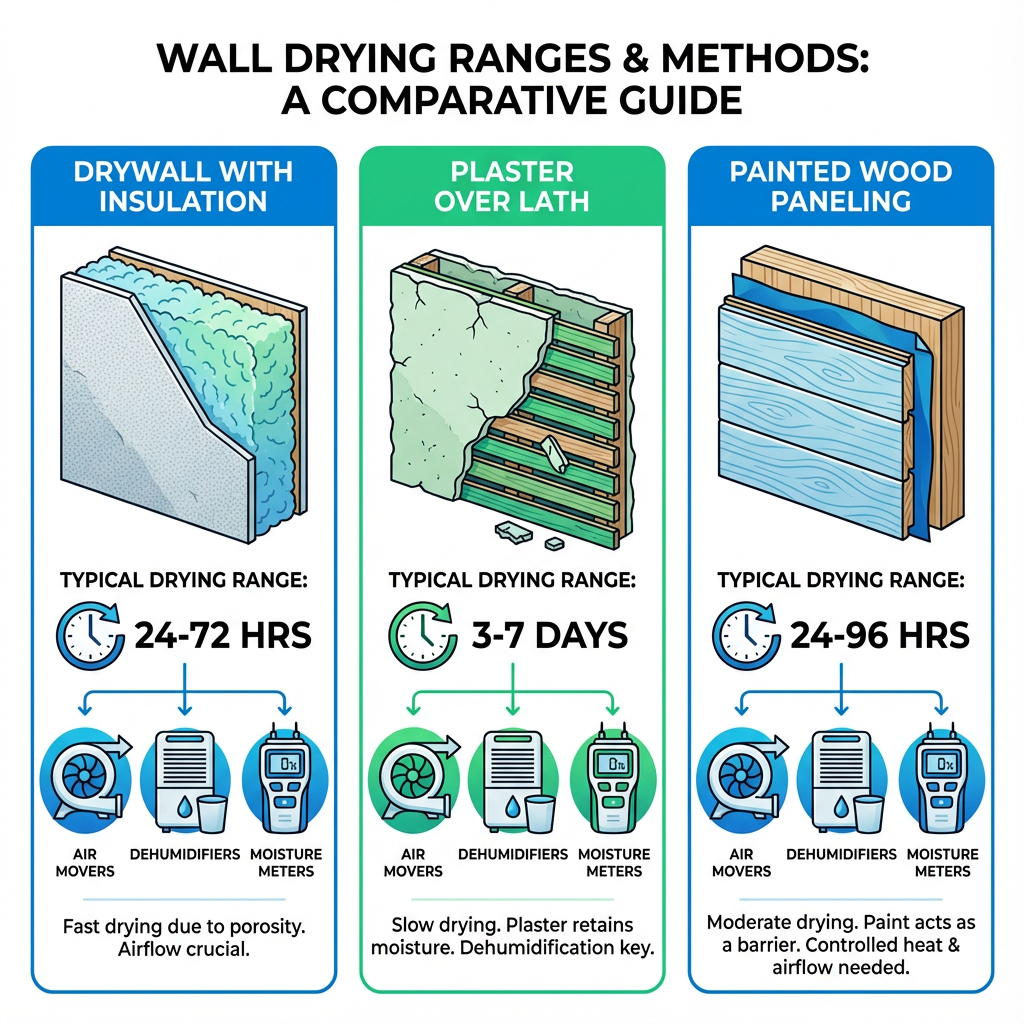
Drying times vary by wall construction, water source, and climate. Below are realistic ranges you can expect under active drying with professional equipment.
Drywall (sheetrock) with no insulation
- Typical: 24 to 72 hours when surface moisture only and air movers + dehumidifier applied.
- Notes: If water soaks the cavity behind drywall, drying extends to multiple days and may require cutting access holes.
Drywall with insulation or wet cavity
- Typical: 3 to 7 days, sometimes longer.
- Notes: Insulation traps moisture and slows drying. Professionals may remove insulation or use cavity drying methods.
Plaster over lath
- Typical: 5 to 14 days, depending on thickness and whether plaster has delaminated.
- Notes: Older plaster holds moisture longer; structural evaluation may be needed.
Wood paneling or tongue-and-groove walls
- Typical: 24 to 96 hours for surface drying, up to 7+ days if framing or sheathing is saturated.
- Notes: Watch for warping and fastener corrosion.
Painted masonry or concrete block
- Typical: Several days to weeks. Concrete and masonry absorb water deeply; drying is slow unless interior cavities are ventilated and dehumidified.
Key factors that change drying time
- Water category: Clean water from a supply line dries faster than gray or black water, which requires remediation and often demolition.
- Temperature: Warmer drying air speeds evaporation. In winter, heating plus dehumidification is essential.
- Humidity: High ambient humidity slows drying. Dehumidifiers actively remove moisture from the air.
- Air movement: Air movers accelerate evaporation at the surface and inside cavities.
- Insulation and wall assembly: Insulation, vapor barriers, and multi-layer finishes trap moisture.
- Amount of water and source: A small leak is much easier to dry than floodwater that saturated walls, flooring, and insulation.
Steps to speed safe drying (what we do first)
- Emergency water extraction: Remove standing water fast to reduce saturation.
- Move furniture and wet contents out of the way to allow airflow.
- Open wall cavities only if needed, on a plan, to allow cavity drying.
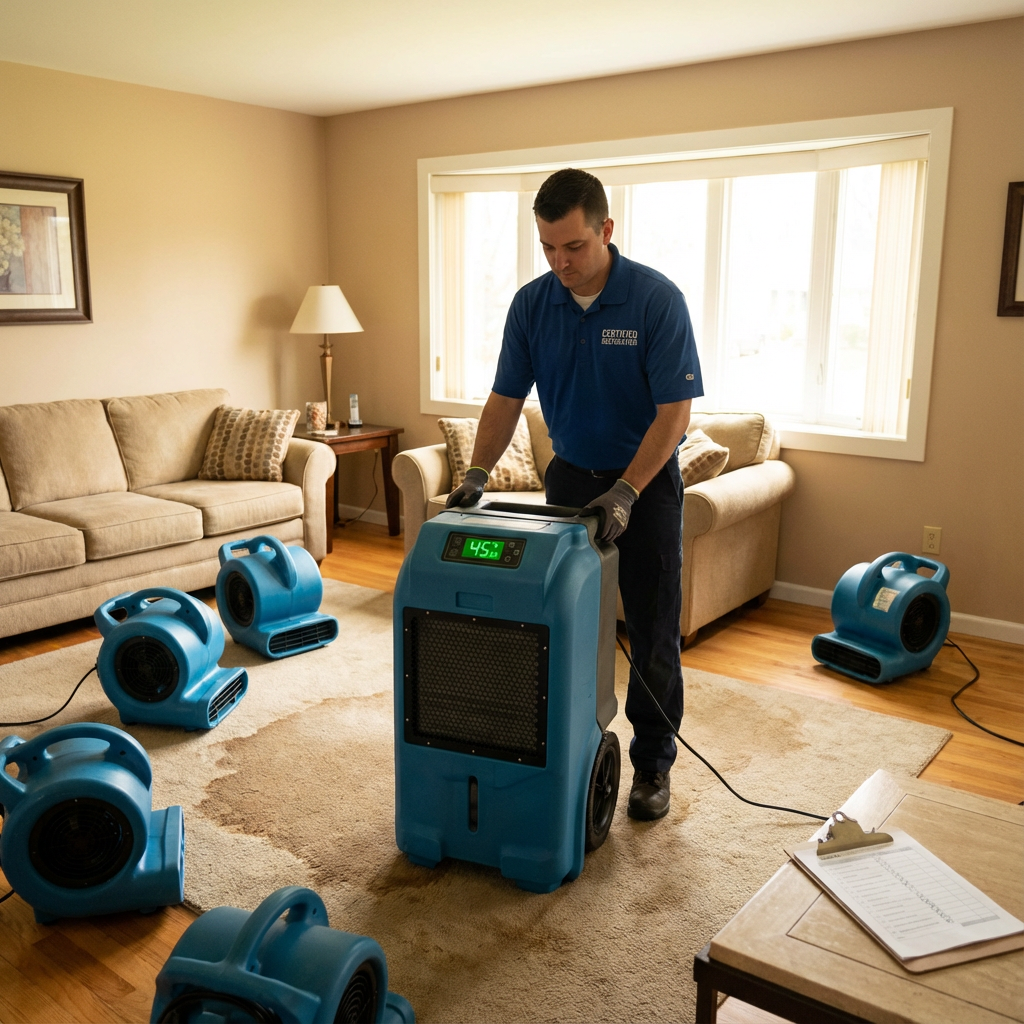
- Set air movers and commercial dehumidifiers strategically, monitoring moisture meters daily.
- Use heat when appropriate, but only with trained technicians to avoid trapping moisture.
- Antimicrobial treatment when needed, especially for gray or black water events.
Professional drying with industry-standard equipment and moisture mapping is the difference between six days of drying and six weeks of surprises. If you need certified, 24/7 emergency response, Helpers Restoration provides rapid extraction, drying and insurance documentation across Aspen and the Roaring Fork Valley. See our Aspen water damage service page for details and local response times: https://helpersrestoration.com/water-damage/aspen/.
When to call a professional now
- Moisture persists after 48 hours of DIY drying.
- You see mold spots or a musty odor.
- Water involved sewage or contaminated sources.
- Large areas of wall or multiple wall assemblies are wet.
- You need help documenting damage for insurance.
For emergency water removal and immediate containment, call Helpers Restoration at (970) 927-3600 for 24/7 emergency cleanup in Aspen. Our team handles emergency water extraction, drying and insurance coordination across Basalt, Carbondale, Snowmass Village, Glenwood Springs and the Roaring Fork Valley. Learn more about our full water damage services here: https://helpersrestoration.com/water-damage/.
Monitoring and verification: how you know drying is complete
- Moisture meters and hygrometers show steady, acceptable readings for wall materials and ambient air.
- Thermal imaging identifies hidden wet spots and confirms even drying.
- Final inspection documents no lingering odors, staining, or soft spots.
Helpers Restoration documents drying with moisture maps and daily reports to support insurance claims and final repair planning. For details on how we handle remediation and reconstruction, see our related services: https://helpersrestoration.com/mold-damage/ and https://helpersrestoration.com/fire-damage/.
Insurance and documentation tips
- Take photos and short videos immediately, before mitigation starts.
- Keep copies of invoices and drying reports.
- Document the source of water and any immediate repairs performed.
- Use professional drying logs from certified restorers to speed claim approvals.
If sewage is involved, you should contact a specialized cleanup team. Helpers Restoration offers sewage cleanup and remediation services for contaminated events: https://helpersrestoration.com/sewage-backup-cleanup-service/.
Summary
Drying time for water damaged walls ranges widely, from as little as 24 hours for surface-wet drywall to weeks for saturated masonry or insulated cavities. Controlled professional drying, with air movers, dehumidifiers, moisture meters and documented progress, reduces repair costs and mold risk. For homeowners in Aspen and the Roaring Fork Valley, fast response matters—call Helpers Restoration at (970) 927-3600 for 24/7 emergency support.
Frequently asked questions
How long before I can repaint water damaged walls?
Repainting should wait until moisture content returns to normal for the substrate. For drywall that may be 48 to 72 hours with active drying, but for walls with wet insulation or plaster allow professional verification and at least several days to be safe.
Can I use household fans and heaters to dry walls?
Household fans help with surface drying, but commercial air movers and dehumidifiers control humidity and accelerate safe drying. In cold weather, professional heating prevents condensation and freeze-related damage.
When does mold become a concern?
Mold can begin colonizing within 24 to 48 hours in the right conditions. Rapid extraction, drying and monitoring are critical to prevent mold growth.
Will my insurance cover drying and repairs?
Many homeowners policies cover sudden, accidental water damage; coverage varies. Document damage, keep receipts, and use certified restoration logs to support your claim. Helpers Restoration works directly with insurers to streamline the process.
Do you remove insulation or open walls to dry?
Only when necessary. Technicians use moisture mapping to decide whether cavity drying, insulation removal, or targeted openings are required to ensure complete drying and avoid hidden moisture.
What if the water is contaminated or from sewage?
Contaminated water requires full remediation protocols, personal protective equipment and often demolition of affected materials. Contact a specialized cleanup team immediately to protect health.
Next steps for Aspen homeowners
If you suspect persistent moisture or want a fast, documented drying plan, call Helpers Restoration at (970) 927-3600 now. We offer 24/7 emergency water extraction, drying and restoration throughout Aspen, Basalt, Carbondale, Snowmass Village, Glenwood Springs and the Roaring Fork Valley. Learn more about local services and response times on our main water damage page: https://helpersrestoration.com/water-damage/.
Conclusion
Here's the thing, drying time is rarely the same twice. Variables like wall type, insulation, and whether water was clean or contaminated change the timeline. Acting quickly, using the right equipment, and documenting the process will protect your home and your claim. For fast, certified help in Aspen and nearby communities, Helpers Restoration is ready 24/7 at (970) 927-3600.