Burst Pipe Repair Property Manager Guide: Aspen Emergency Restoration
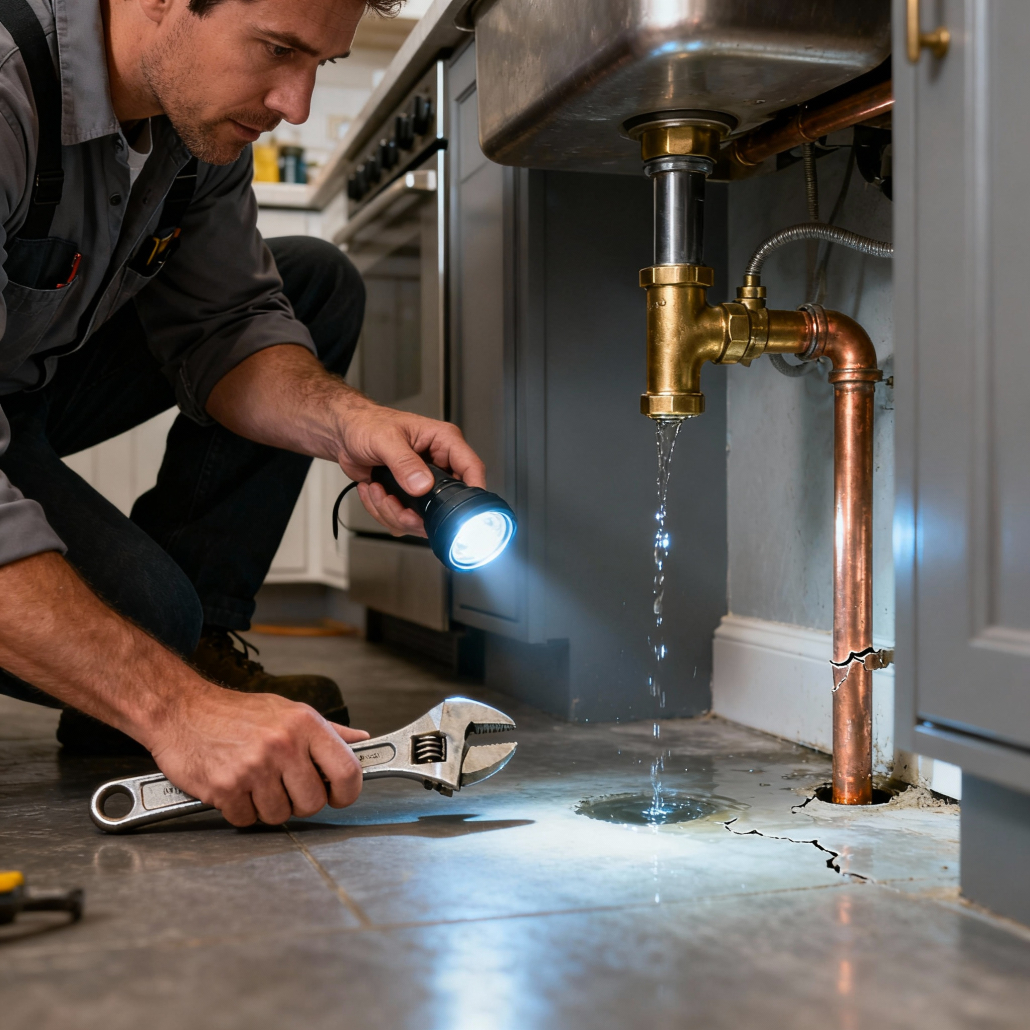
Homeowners and property managers in Aspen and the Roaring Fork Valley know that a burst pipe can go from nuisance to full-blown emergency in minutes. Burst pipe repair property manager guide gives you a practical, field-tested roadmap you can use when water is flowing, your tenants are calling, and the insurance company is on hold. As Day 3 content for EARLY stage business recommends, prioritize speed, clear documentation, and an insurance-friendly scope of work to protect your property and your bottom line.
Why property managers must treat a burst pipe as an urgent operations problem
A burst pipe is not just plumbing. It is a chain reaction, affecting structure, HVAC, contents, tenant safety, and insurance exposure. Acting fast reduces reconstruction costs, lowers mold risk, and keeps tenants safe and satisfied. Here is the practical logic:
- Water spreads fast, soaking drywall, insulation, and flooring within hours. Drying within 24 to 48 hours prevents most mold growth, according to federal guidance from the Centers for Disease Control and Prevention.
- Certified restoration and correct drying methods follow industry standards such as the ANSI/IICRC S500 for water damage restoration, which sets the technical playbook for professional firms.
- Documenting the event thoroughly, from photos to mitigation receipts, protects claims and speeds settlements with insurers. The Insurance Information Institute has guidance on what types of water damage are usually covered, and why documentation matters.
Burst Pipe Repair Property Manager Guide: Immediate steps you should take now
1. Ensure safety first
- Confirm everyone is safe, evacuate if ceilings are bulging or wiring is submerged.
- If electrical panels, outlets, or appliances are wet, do not turn the power back on until an electrician clears the area.
2. Stop the water, or isolate the source
- If possible, shut off the fixture valve. If you cannot, close the building main water valve immediately.
- For multiunit buildings, know where each unit main is located. Quick access prevents property-wide damage.
3. Call your emergency restoration partner and a licensed plumber
- Restoration pros provide emergency water extraction, structural drying, and contamination assessment. Look for IICRC-certified firms for water restoration.
- A licensed plumber locates and fixes the rupture, replaces burst sections, and documents the repair for claims.
4. Mitigate further loss, document everything
- Move unaffected valuables and electronics to dry storage.
- Take wide-angle and close-up photos, record timestamps, and keep all receipts for temporary repairs, dehumidifier rental, and emergency plumbing.
5. Notify your insurance carrier and begin claim intake
- Report the claim promptly, then follow up in writing. Keep a log of dates, times, and names.
- Restoration firms that offer insurance claim assistance can help prepare scopes, estimates, and adjuster walk-throughs.
How restoration actually works, in plain language
Before you commit to a contractor, understand the typical phases you will see on site.
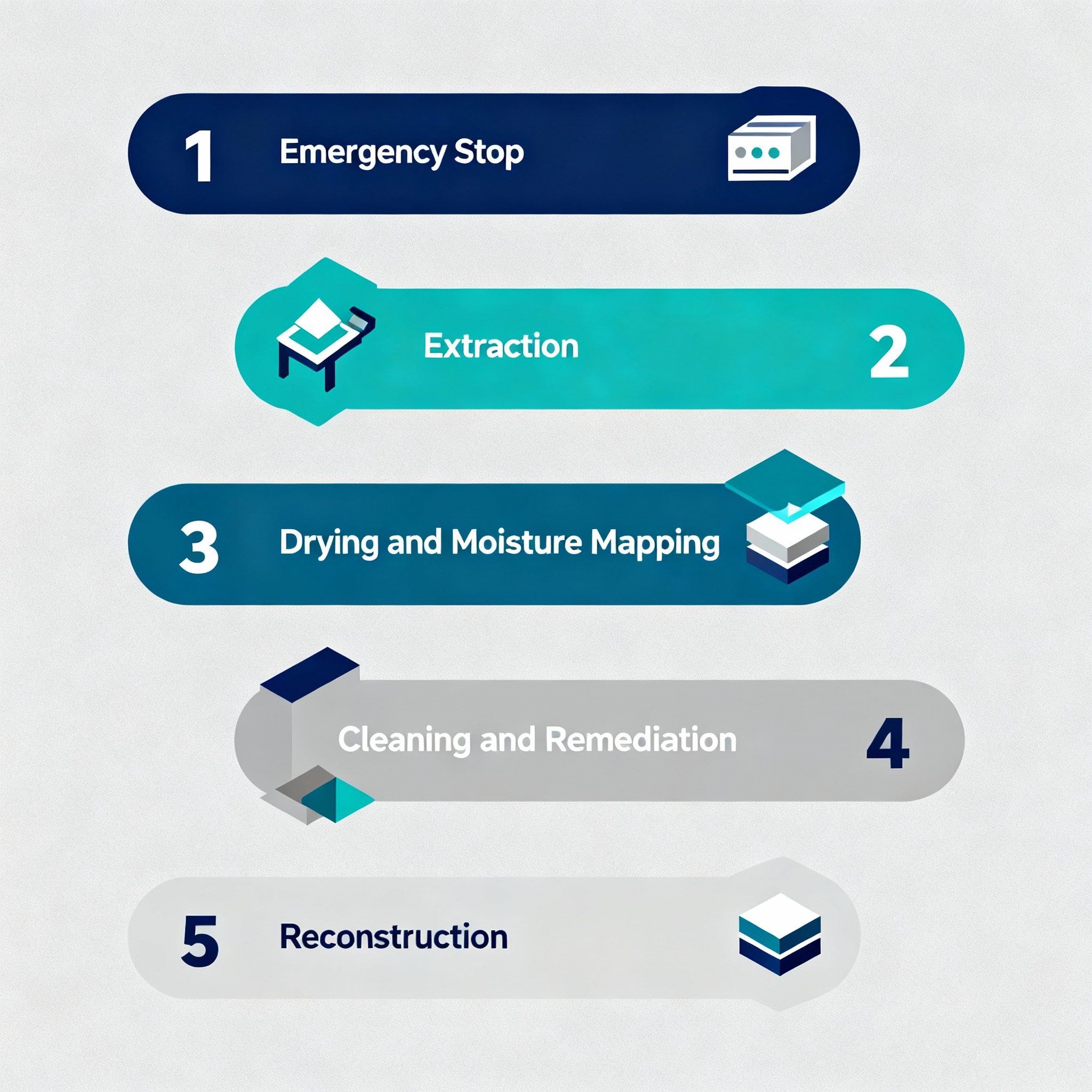
Emergency extraction and containment
- Truck-mounted pumps and wet vacuums remove standing water fast. This is not the same as mop and bucket work. Immediate extraction limits secondary damage.
Structural drying, dehumidification, and moisture mapping
- Professionals use meters to map moisture, set drying goals, and monitor progress. Industrial air movers and commercial dehumidifiers reduce humidity levels to safe ranges.
Cleaning, disinfecting, and sewage considerations
- If water is contaminated, such as from a sewer backflow, expect removal of porous materials and more extensive disinfection. Follow CDC and EPA guidance for flood and mold cleanup for protocols and PPE.
Repair and restoration
- Once dry and cleared, restoration can include drywall replacement, flooring, paint, and content restoration. Keep your contractor tied to the documented scope so insurance payouts match repairs.
Insurance, liability, and what managers should watch for
- Most standard policies cover sudden burst pipe events, but exclusions apply. The Insurance Information Institute explains coverage basics and common policy limitations.
- Document mitigation steps and costs carefully; failing to mitigate can jeopardize reimbursement. Keep vendor invoices and before/after imagery.
- If an insurer disputes coverage, consider getting independent estimates, and involve a public adjuster if needed to represent the property owner or manager.
Tenant communications and logistics
Here’s the thing, tenants remember how you handle emergencies. Clear, timely communication keeps complaints low and turnover down.
- Send an incident notice explaining safety actions and expected timelines.
- Offer temporary accommodations or storage guidance if units are uninhabitable.
- Keep daily status updates until repairs are complete.
Preventive maintenance every property manager should implement
- Winterize exposed pipes and control temperatures in unoccupied units to prevent freezing.
- Schedule annual plumbing inspections, especially in older buildings.
- Install water leak detection devices and automatic shutoff valves in critical locations.
- Train on-site staff on main shutoff locations, and practice a quarterly emergency response drill.
Quick checklist for the first 6 hours after a burst pipe
- Confirm safety and isolate power if needed.
- Shut off water source or building main.
- Call a licensed plumber and an IICRC-certified restoration firm.
- Photograph and video the damage with timestamps.
- Remove tenants from high-risk areas and arrange temporary housing if necessary.
- Begin emergency extraction and drying procedures.
Resources and authoritative guidance
- Centers for Disease Control and Prevention, guidance on mold cleanup after flooding: CDC Mold Cleanup Guide.
- U.S. Environmental Protection Agency, mold and flood cleanup guidance: EPA Mold Cleanup After Disasters.
- IICRC standards for professional water damage restoration, ANSI/IICRC S500: IICRC Water Damage Standards.
- Insurance basics for water damage and mold, Insurance Information Institute: III Water Damage Coverage Overview.
Common objections and how to answer them
Q: “Can we just dry the area ourselves and save money?”
A: DIY drying sometimes works for very small, clean-water incidents, but property managers are responsible for ensuring the work meets building code and claim requirements. Professional drying documents moisture metrics and reduces legal risk.
Q: “Won’t insurance cover everything if we call a pro?”
A: Many policies cover sudden events, but coverage depends on the cause and policy language. Early mitigation and clear documentation improve the chance of full reimbursement.
FAQ
Q: How fast does mold start to grow after a burst pipe?
Mold can begin to grow within 24 to 48 hours on wet materials. Quick extraction and drying within that window greatly reduces mold risk. See CDC recommendations for timelines and safety.
Q: What documentation does my insurer expect?
Take time-stamped photos and videos, keep vendor invoices, document the source and mitigation steps, and save any repair permits or plumber reports. These items speed processing and reduce disputes.
Q: Should I use any restoration company that answers the phone?
Look for firms with IICRC certifications and proven experience with commercial or multifamily properties. Certifications indicate training in drying science and industry standards.
Q: How long will the drying process take?
Drying time varies by extent of saturation, materials affected, and climate. Many projects reach drying goals in 2 to 7 days with professional equipment, but large losses take longer.
Q: What if the water is from a sewer backup?
Sewage water is considered contaminated and typically requires removal of porous materials and more rigorous disinfection. Never handle sewage cleanup without PPE and professional protocols.
Q: How can I reduce tenant disruption during repairs?
Communicate clearly, provide temporary accommodation options, and coordinate work hours to minimize noise and access issues. Offering luggage or document storage can be a small goodwill win.
Ready to move from emergency to recovery
If you need fast, certified help for emergency water extraction, drying, mold remediation, or insurance-friendly repair in Aspen, Basalt, Carbondale, Snowmass Village, Glenwood Springs, or anywhere in the Roaring Fork Valley, start with a team that understands local conditions and insurance workflows. Helpers Restoration offers 24/7 emergency response, IICRC-informed drying, and insurance claim assistance for property managers and owners. Visit https://helpersrestoration.com/ to request immediate assistance or schedule an inspection.
Conclusion
A burst pipe will test your operations, your vendor relationships, and your ability to protect tenants. Move fast, document obsessively, and work with certified restoration pros to limit damage and liability. Keep this guide handy as your standard operating procedure for water intrusions, and you will reduce repair costs, tenant churn, and claims friction. When seconds count, preparation wins.