Preventing Water Damage During Monsoon Season
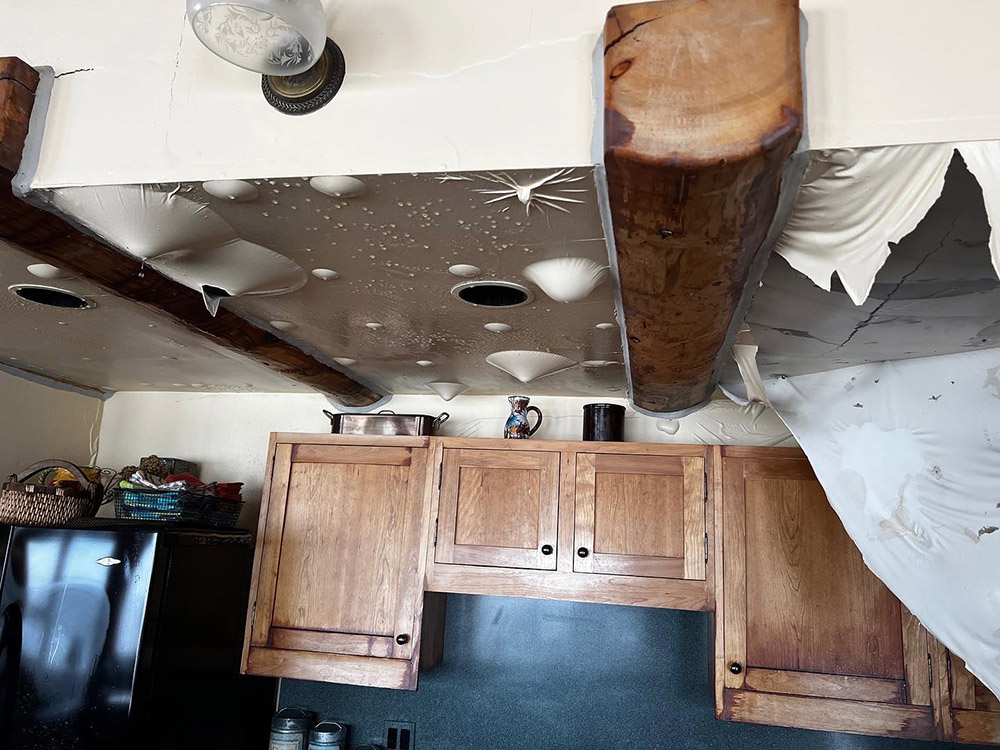
In Aspen Colorado, the monsoon season brings much-needed relief from summer heat—but it also arrives with a serious threat: water damage. Between overflowing gutters, roof leaks, and soggy foundations, many homeowners experience costly damage that could have been avoided with a few simple preparations.
At Helpers Restoration, we’ve helped countless Aspen households recover from monsoon-related water damage. Here’s what every homeowner should know to prevent water damage during monsoon season—including insights from our field technicians and proven strategies to protect your property before the rains arrive.
Why Monsoons Cause More Than Just Flooding
When most people think of monsoon water damage, they picture flooded streets and overflowing rivers. But damage often begins in more subtle—and preventable—ways inside and around your own home.
Hidden Risks from Monsoon Rains:
- Seepage through unsealed roof tiles
- Blocked or overflowing gutters spilling water onto walls
- Standing water around foundations
- Poor yard slope causing puddling near entry points
- Water backing up into basements or lower floors
“Most homeowners don’t realise how quickly moisture can enter through tiny cracks during a heavy downpour,” says Vishal P., senior technician at Helpers Restoration. “By the time you notice damp walls, mold has already begun forming behind them.”
Roof Inspections: What to Check Before the Rain
Your roof is your first line of defense against water—but it’s also the most vulnerable during heavy rainfall. Before the monsoon hits, a proper roof inspection is absolutely essential.
What to Look For:
- Cracked or missing tiles/slates
Rain easily penetrates through these weak spots, especially in older homes. - Loose flashing
This thin metal around chimneys and vents can come undone in high winds. - Moss or algae growth
This indicates long-term moisture retention, which weakens roofing material. - Interior ceiling stains or peeling paint
A sure sign that the roof is already leaking.
Technician Tip:
“Even a small broken tile can cause litres of water to seep in during a storm. Always inspect both visually and by touch—if the area feels damp underneath, act fast,” advises Swati N., a roofing specialist with over 15 years of field experience.
Bonus Tip: Schedule roof inspections in early June, before the first major monsoon shower.
Smart Gutter Management and Downspout Solutions
Gutters and downspouts are crucial for diverting rainwater away from your home—but they’re also one of the most overlooked maintenance items.
Gutter Cleaning Tips:
- Clean gutters at least twice during monsoon season
- Remove leaves, silt, and debris that block flow
- Use a garden hose to test flow direction
- Check for gaps or leaks in the gutter joints
Blocked gutters can lead to water cascading over the roof edge, soaking external walls, or entering through poorly sealed windows and doors.
Downspout Solutions:
- Extend downspouts at least 3 feet away from your foundation
- Use flexible extensions or splash blocks to control flow
- Ensure water drains away from the home, not toward it
“In many Aspen homes, downspouts empty right next to the foundation,” says Ramesh G., a waterproofing expert. “We recommend extending them or connecting to proper drainage channels.”
Creating Natural Drainage Around the Home
Even with a sealed roof and clear gutters, improper ground drainage can still flood your property. Fortunately, you can improve your yard’s drainage with simple landscaping adjustments.
Yard Drainage Tips:
- Check the slope around your home – Your yard should slope away from the foundation by at least 5% (or 6 inches over 10 feet).
- Install a drain system – A gravel trench with perforated pipe can reroute excess water.
- Use rain gardens or absorbent soil beds – These trap runoff water and reduce pooling.
- Avoid concrete around the base of your home – Water may get trapped instead of flowing away.
If your yard holds standing water for hours after a rain, it’s time to rethink your grading and install proper drainage channels.
Monsoon Maintenance Checklist
Here’s a quick seasonal checklist to keep your home water-ready:
☐ Inspect and repair the roof
☐ Clean gutters and ensure downspouts drain properly
☐ Seal exterior cracks in walls and windows
☐ Add waterproofing to basement walls and floor joints
☐ Install sump pumps in flood-prone areas
☐ Store valuables on raised platforms if you’re in a low-lying zone
Final Thoughts: Monsoon Preparation Saves Money and Stress
Monsoons are a fact of life in Aspen—but serious water damage doesn’t have to be. With a few proactive steps like roof inspections, gutter cleaning, and smart yard drainage, you can avoid emergency calls and costly repairs.
At Helpers Restoration, we offer pre-monsoon assessments and emergency response services for water damage recovery. Whether you need a professional roof check or flood protection for your basement, our team is here to help.
Want a monsoon-ready home? Contact us today for a seasonal inspection and enjoy peace of mind—rain or shine.
Why Choose Helpers Restoration?
We’re IICRC-certified and local. Aspen trusts our quick response. Your home is our priority.
From extraction to rebuild, we deliver. Count on us for peace of mind. Explore our services.
Facing water damage in Aspen? Don’t wait. Contact Helpers Restoration now. We’ll restore your property fast.