Mold Remediation After Water Damage: What To Do Next

Water damage never feels convenient, but what happens in the hours and days after the leak matters even more. Once moisture gets into walls, flooring, insulation, or hidden cavities, mold can begin to grow fast, turning a repair issue into a health and property problem.
That is why mold remediation after water damage should be handled as part of a complete restoration plan, not as a separate afterthought. If your Aspen, Basalt, Carbondale, Snowmass Village, or Glenwood Springs property has been flooded or exposed to a burst pipe, the goal is simple: dry it quickly, remove contamination, and stop the damage from spreading.
Why Mold Can Follow Water Damage So Quickly
Mold needs three things to grow, moisture, organic material, and time. In a home or business, drywall, carpet backing, wood framing, and even dust can become a food source once they stay wet long enough.
The EPA explains that mold can begin growing on damp surfaces within 24 to 48 hours, which is why fast response is so important after a leak or flood. That timeline makes immediate drying and inspection critical. EPA
For property owners in the mountains, that urgency matters even more. Cold weather, slow drying, and hidden water inside wall cavities can make moisture linger longer than expected.
What Proper Mold Remediation After Water Damage Includes
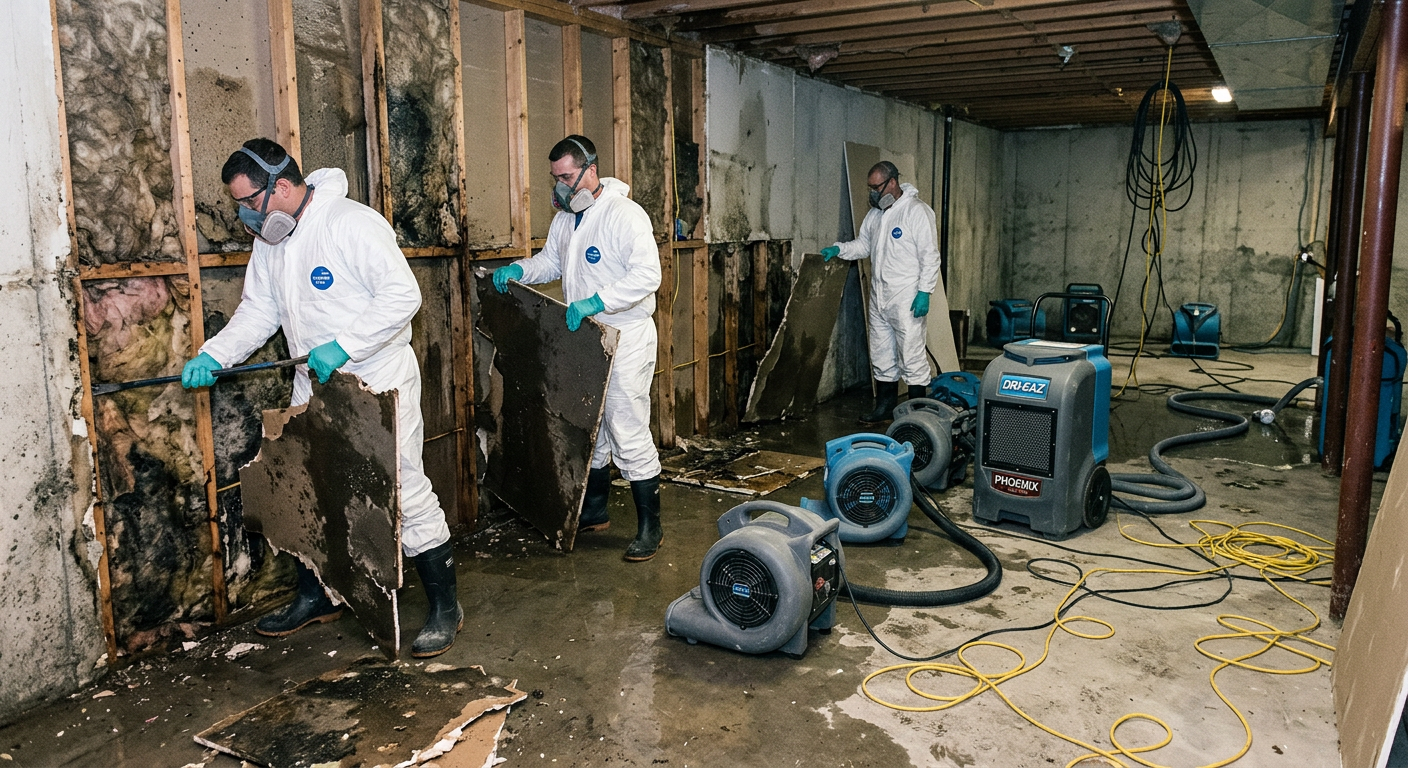
A real remediation process does more than wipe visible mold away. It addresses the cause, the affected materials, and the indoor environment.
1. Find and stop the moisture source
Before anything else, the water source has to be fixed. That could mean a broken supply line, roof leak, appliance failure, sewer backup, or foundation seepage. If the source stays active, the mold problem returns.
2. Inspect hidden damage
Mold often grows where you cannot see it, behind baseboards, inside drywall, under flooring, and around insulation. Certified technicians use moisture meters and thermal tools to find those problem areas before they spread.
3. Remove contaminated materials
Some building materials can be dried and restored, but others need removal. Severely affected drywall, insulation, carpet pad, and porous materials often have to come out to fully protect the structure.
4. Clean and contain the area
Remediation teams isolate affected spaces to reduce the spread of spores during cleanup. They also clean hard surfaces, treat salvageable materials, and use air filtration when needed.
5. Dry and dehumidify thoroughly
Drying is not a guess. It takes controlled equipment, airflow, and humidity management to bring the structure back to safe conditions. This step is just as important as the cleanup itself.
Warning Signs You May Need Professional Help
You do not need to see black spots on the wall to have a mold issue. Watch for these signs after water damage:
- Musty or earthy odors
- Peeling paint or bubbling drywall
- Warped flooring or soft walls
- Discoloration around baseboards or ceilings
- Allergy-like symptoms that improve when you leave the building
If you notice any of these after water intrusion, it is smart to schedule an inspection right away. For local help, start with water damage restoration in Aspen or general water damage services.
Why Fast Action Protects Your Property Value
The longer moisture stays in a building, the more expensive the repair tends to become. What starts as a small leak can lead to larger demolition, structural drying, mold removal, and finish replacement.
For rental owners and property managers, this also helps limit downtime. Fast response can reduce guest disruption, support insurance claims, and protect the long-term condition of the property.
If your project also involves smoke or fire-related damage from a related event, fire damage restoration may be part of the recovery plan too.
How Helpers Restoration Supports Aspen and the Roaring Fork Valley
Helpers Restoration provides water damage cleanup, mold remediation, drying and dehumidification, sewage cleanup, and emergency water extraction for homes and businesses across Aspen and the surrounding valley.
That includes:
- Aspen
- Basalt
- Carbondale
- Snowmass Village
- Glenwood Springs
- The Roaring Fork Valley
If your property also has sewer contamination, a sewage backup cleanup service may be necessary before remediation can begin. And if the damage extends beyond water into visible growth, mold damage services can help restore a safe indoor environment.
FAQs About Mold Remediation After Water Damage
How soon can mold start after water damage?
Mold can begin growing within 24 to 48 hours if wet materials are not dried quickly. That is why emergency response is so important.
Can I clean mold myself after a leak?
Small surface spots may be manageable, but hidden or widespread mold should be handled by a professional. If drywall, insulation, or flooring is affected, DIY cleanup often misses the source.
Does every water damage job require mold remediation?
Not always. If the area is dried very quickly and materials are not contaminated, mold may not develop. But any prolonged moisture event should be inspected carefully.
What materials usually need replacement?
Drywall, insulation, carpet pad, and other porous materials often need removal if they are saturated or contaminated. Hard surfaces may sometimes be cleaned and restored.
Will insurance cover mold cleanup?
Coverage depends on the cause of the loss and your policy terms. Quick documentation, fast mitigation, and clear communication with your insurer can help support the claim.
How do I know if my property is fully dry?
Visual dryness is not enough. Professionals use moisture detection tools and humidity readings to confirm the structure has reached acceptable levels.
Get Fast Help Before the Problem Spreads
If you suspect mold after a leak, do not wait for the smell to get worse or the damage to spread. The sooner you act, the easier it is to protect your property, reduce repair costs, and restore a healthy indoor space.
For 24/7 emergency help in Aspen and nearby communities, call (970) 927-3600 or visit Helpers Restoration to request service. You can also review water damage services in Glenwood Springs, Basalt, Carbondale, and Snowmass if you need help closer to home.
Conclusion
Mold after water damage is a time-sensitive issue, but it is very manageable when handled the right way. Stop the moisture, inspect the hidden damage, dry the structure, and remove contaminated materials before the problem spreads.
For property owners in Aspen and the Roaring Fork Valley, working with a local restoration company like Helpers Restoration gives you a faster path back to normal and more peace of mind along the way.