Flood Damage Cleanup Glenwood Springs: Emergency Repair Guide
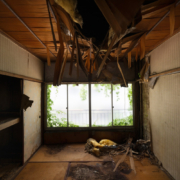
When water spreads across your floor, soaks into trim, or starts dripping through a ceiling, the clock starts immediately. Fast flood damage cleanup Glenwood Springs service can make the difference between a controlled cleanup and weeks of costly repairs.
For homeowners, business owners, and property managers in Glenwood Springs, Aspen, Basalt, Carbondale, Snowmass Village, and the Roaring Fork Valley, water damage rarely happens at a convenient time. A frozen pipe bursts overnight. A water heater fails while you’re away. A storm pushes water into a lower level. Here’s the thing, the right first steps matter just as much as the cleanup itself.
Helpers Disaster Restoration provides local water damage restoration, emergency water extraction, drying, dehumidification, flood cleanup, sewage cleanup, mold remediation, and insurance claim support. If you need immediate help, call (970) 927-3600 or visit Helpers Disaster Restoration for 24/7 emergency service.
Why Fast Flood Damage Cleanup in Glenwood Springs Matters
Water moves quickly through building materials. It slips under flooring, wicks into drywall, reaches insulation, and can hide behind cabinets or baseboards long after the visible puddles are gone.
The CDC recommends drying a home within 24 to 48 hours after flooding when possible to help prevent mold growth. The EPA also warns that if a flooded home and belongings are not dried within that window, mold should be assumed.
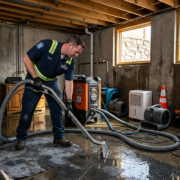
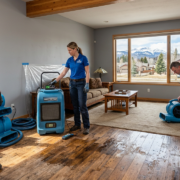
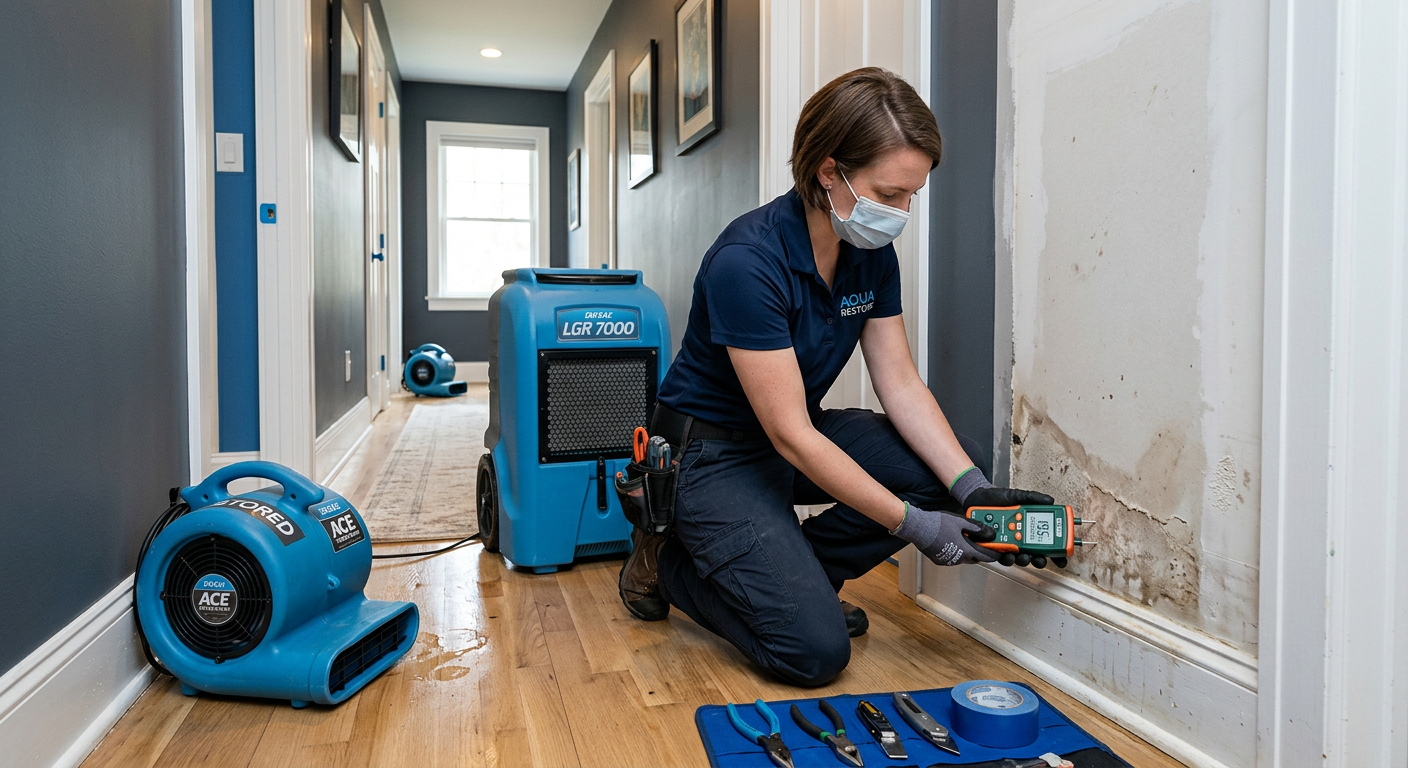
That’s why professional water damage cleanup in Glenwood Springs should begin as soon as it’s safe. Helpers uses moisture detection, extraction equipment, air movers, and commercial dehumidifiers to remove water from the property and from hidden materials that may still be damp.
Common Causes of Flooding and Water Damage
Glenwood Springs properties can experience water damage from several sources, including:
- Burst or frozen pipes
- Leaking water heaters
- Stormwater intrusion
- Flooded basements and crawl spaces
- Roof leaks and ice dams
- Drain backups
- Toilet, tub, or sink overflows
- Appliance supply line leaks
- Sewer or sump pump backups
Clean water from a broken supply line is very different from sewage backup or stormwater. If the water may contain contaminants, don’t try to handle the cleanup alone. Start with safety, keep people away from affected areas, and call a trained cleanup team.
What Helpers Does During Emergency Water Cleanup
A good restoration plan is not just “remove the water and hope it dries.” Proper flood restoration follows a careful process that protects the structure, documents the damage, and reduces the risk of mold or secondary damage.
Inspection and Moisture Mapping
Helpers begins by assessing the affected rooms, checking flooring, walls, trim, cabinetry, and hidden moisture areas. Moisture meters and thermal imaging help identify where water has traveled, even when surfaces look dry.
This step is especially important for property managers and second-home owners. If a condo, rental, or mountain home sits wet for too long, damage can spread beyond the original room.
Emergency Water Extraction
Standing water is removed with professional extraction equipment. This helps reduce drying time and limits the amount of moisture absorbed into porous materials.
For larger losses, such as a flooded commercial space or multi-room pipe burst, Helpers can scale equipment to the size of the job. You can learn more about local service options on the main water damage restoration page.
Drying and Dehumidification
After extraction, materials may still hold moisture. Drywall, subflooring, wood framing, carpet padding, and cabinets can stay damp even when they feel mostly dry.
Helpers sets up air movers and dehumidifiers, then monitors progress until affected materials reach safe drying goals. This is where professional equipment matters. Household fans alone often can’t remove moisture trapped inside building materials.
Cleaning, Sanitizing, and Odor Control
Flood cleanup may require disinfecting surfaces, removing damaged materials, controlling odors, and cleaning contents. If the water involved a drain backup or sewage issue, professional sanitation becomes even more important. Helpers also provides sewage backup cleanup when contaminated water is involved.
Repairs and Insurance Support
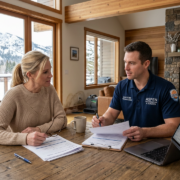
Once the property is dry and clean, damaged materials may need repair or replacement. Helpers can help coordinate the restoration process and assist with insurance documentation, including photos, scope details, and claim-related communication.
What You Should Do Before Help Arrives
Your first job is to stay safe. If water is near outlets, wiring, appliances, or the electrical panel, stay out of the affected area and wait for professional guidance. The CDC warns not to use electrical tools or appliances while standing in water.
If it’s safe, take these steps:
- Stop the water source if you can do so without risk.
- Move valuable items to a dry area.
- Take photos and videos for insurance.
- Avoid walking through contaminated water.
- Don’t remove glued-down flooring or wet drywall without guidance.
- Call (970) 927-3600 for emergency water cleanup.
If you’re unsure whether the water is clean or contaminated, treat it as unsafe. Floodwater can contain bacteria, sewage, chemicals, or debris, and professional cleanup is the safer path.
Local Restoration Help Across the Roaring Fork Valley
Helpers Disaster Restoration serves Glenwood Springs and nearby communities throughout the Roaring Fork Valley. That local coverage matters because water emergencies need fast response, not a crew coming from hours away.
Service areas include:
- Aspen water damage cleanup
- Basalt water damage restoration
- Carbondale flood cleanup
- Snowmass water damage services
- Glenwood Springs and surrounding Colorado communities
Whether you manage a rental property near downtown Glenwood Springs or own a home further up the valley, fast water cleanup protects both the building and the people inside.
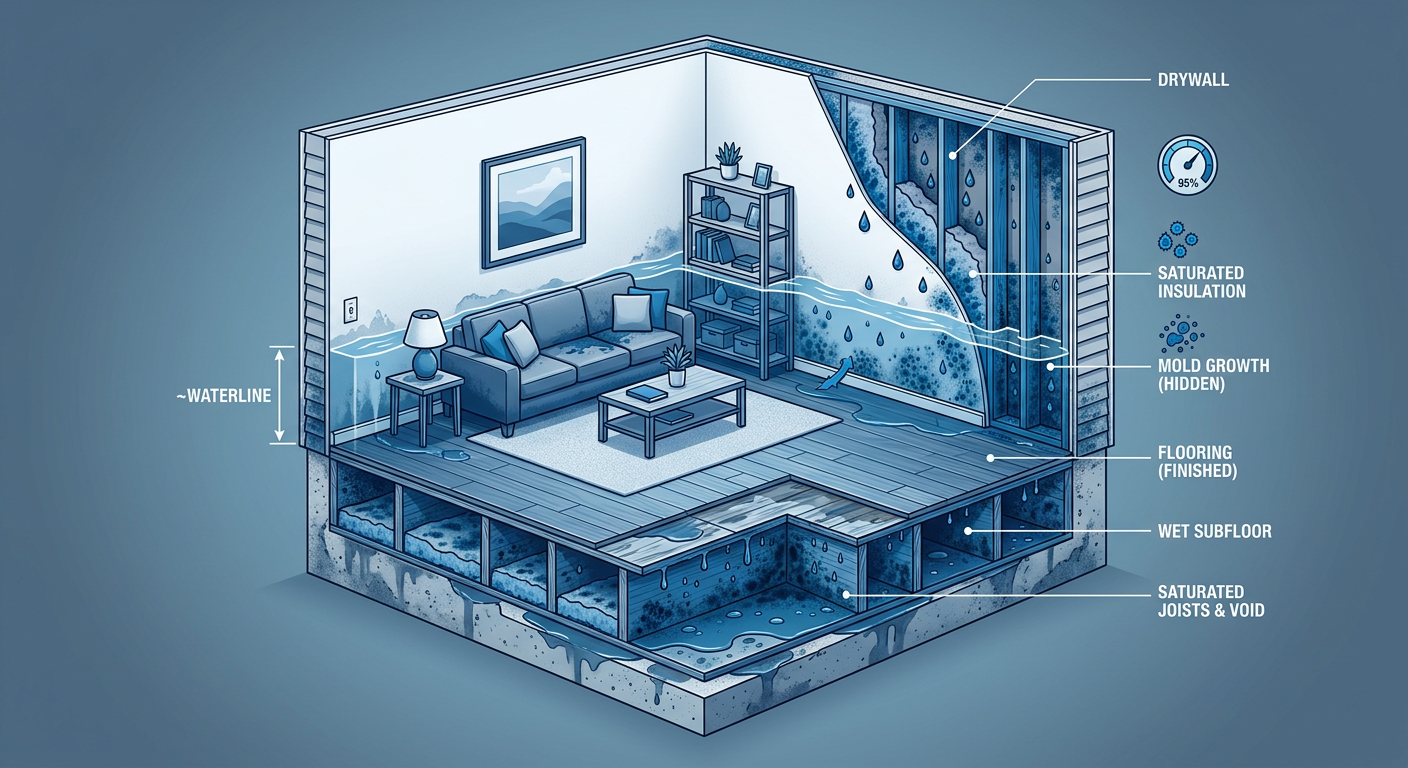
When Flood Cleanup Can Lead to Mold Concerns
Not every water damage event creates mold, but moisture left behind gives mold the conditions it needs. Musty odors, staining, soft drywall, warped flooring, and recurring damp spots are all warning signs.
If mold is already visible, don’t paint over it or spray random cleaners and assume the issue is gone. The moisture source has to be fixed first. Helpers also provides mold remediation for properties where water damage has already created mold concerns.
The best approach is simple, remove the water, dry the structure correctly, clean affected areas, and verify moisture levels before repairs begin.
Work With a Local Team That Handles the Details
Water damage feels overwhelming because there are so many moving parts. You’re trying to protect your property, talk with insurance, prevent mold, and figure out what can be saved.
Helpers Disaster Restoration helps simplify that process with 24/7 response, IICRC-certified technicians, professional drying equipment, and insurance claim assistance. For immediate help, call (970) 927-3600 or request service through the Helpers contact page.
Frequently Asked Questions
How fast should flood damage cleanup start in Glenwood Springs?
Cleanup should start as soon as the property is safe to enter. Water can spread into walls, floors, and hidden cavities quickly, and drying within 24 to 48 hours helps reduce mold risk.
Can I clean up flood water myself?
Small clean-water spills may be manageable if handled immediately. Larger flooding, sewage backup, stormwater, wet drywall, soaked carpet, or hidden moisture should be handled by professionals with extraction, drying, and sanitation equipment.
Does homeowners insurance cover water damage cleanup?
Coverage depends on the cause of the damage and your policy. Sudden and accidental water damage, such as a burst pipe, is often handled differently than outside flooding. Helpers can assist with documentation and claim coordination.
What equipment is used for emergency water cleanup?
Professional cleanup may include extraction units, pumps, moisture meters, thermal imaging, air movers, dehumidifiers, air scrubbers, and sanitation products. The exact setup depends on the type and extent of damage.
How do I know if water is hidden behind walls?
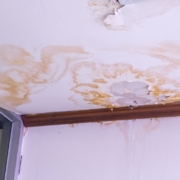
Signs include bubbling paint, staining, musty odors, soft drywall, warped trim, or flooring that feels uneven. Moisture meters and thermal imaging help confirm hidden moisture without unnecessary demolition.
Do you handle sewage cleanup too?
Yes. Helpers provides sewage backup cleanup for contaminated water events. These jobs require special safety steps, protective equipment, removal of affected materials when needed, and proper disinfection.
Who should I call for 24/7 water damage cleanup near Glenwood Springs?
Call Helpers Disaster Restoration at (970) 927-3600 for 24/7 emergency water extraction, drying, flood cleanup, and restoration in Glenwood Springs and the Roaring Fork Valley.
Summary
Flooding spreads quickly, and the damage often goes deeper than what you can see. Fast extraction, professional drying, sanitation, and moisture monitoring help protect your home or business from structural damage, mold, and longer repair timelines.
Helpers Disaster Restoration serves Glenwood Springs, Aspen, Basalt, Carbondale, Snowmass Village, and surrounding Colorado communities with emergency water damage cleanup and restoration.
Get 24/7 Flood Cleanup Help in Glenwood Springs
If water is spreading through your property right now, don’t wait. Call Helpers Disaster Restoration at (970) 927-3600 or contact the team online through Helpers Disaster Restoration for fast emergency cleanup in Glenwood Springs and the Roaring Fork Valley.
Conclusion
Flood damage cleanup in Glenwood Springs is about more than removing water. It’s about acting quickly, drying the structure correctly, protecting indoor air quality, and getting your property back to normal with less stress.
When a burst pipe, storm, drain backup, or appliance leak disrupts your home or business, Helpers Disaster Restoration is ready to help day or night. One call can start the cleanup, drying, repair, and insurance support process when you need it most.