Water Damage Insurance Claim Tips for Faster Repairs
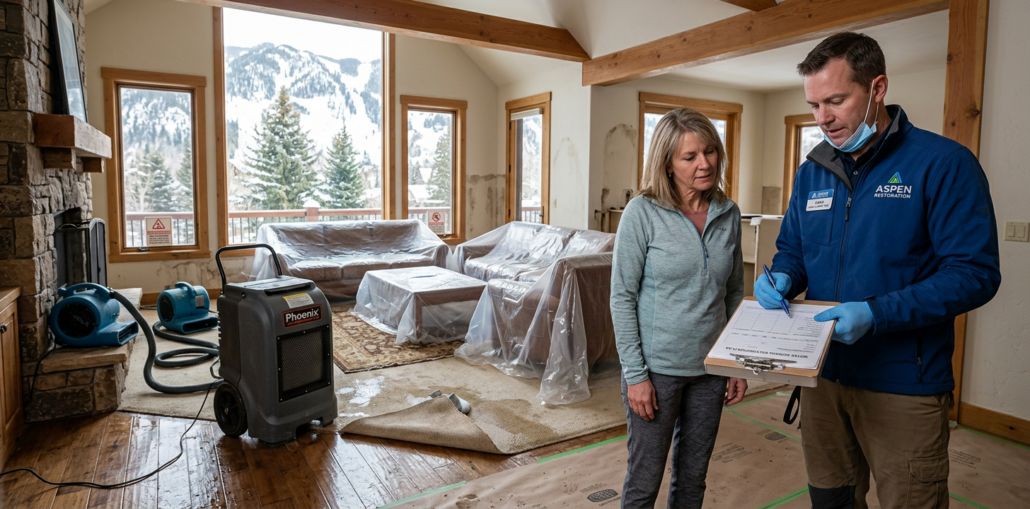
Water damage can turn a normal day into a stressful one fast, especially when you are trying to figure out what your insurance will cover. The good news is that a few smart steps early on can make the claims process smoother and help you avoid costly delays.
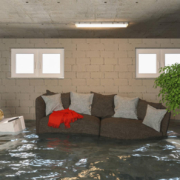
If you are dealing with a burst pipe, a roof leak, or basement flooding, these water damage insurance claim tips can help you stay organized, protect your property, and improve your chances of a better outcome. For homeowners and property managers in Aspen and the Roaring Fork Valley, acting quickly matters just as much as documenting everything.
What To Do Right After Water Damage
Your first priority is safety. If there is standing water near outlets, appliances, or electrical panels, shut off power if you can do so safely and leave the area if needed. Then stop the source of the water if possible, whether that means turning off a supply valve or calling a plumber.
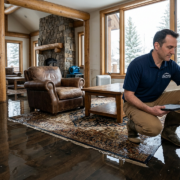
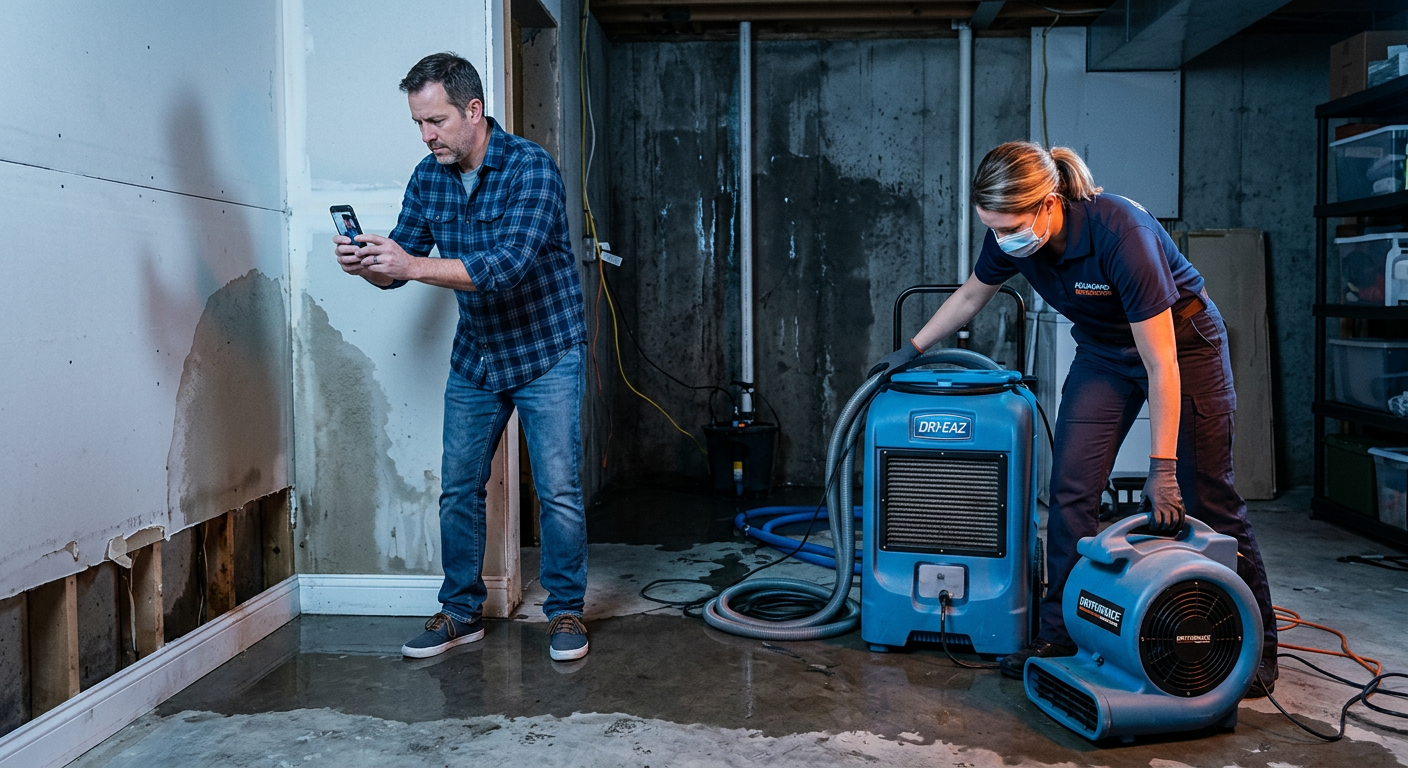
Once the immediate danger is under control, start documenting the damage right away. Take wide photos of every affected room, then close-up photos of floors, walls, furniture, baseboards, and any visible staining or swelling. Video walkthroughs can also help show the full scope of the loss.
Save Evidence Before Cleanup Gets Too Far
Do not throw away damaged items until your insurance adjuster has had a chance to review them, unless they pose a health risk. Keep samples, receipts, and notes about when the damage was discovered. The more complete your record, the easier it is to support your claim.
How To File A Strong Insurance Claim
One of the most useful water damage insurance claim tips is to report the loss quickly. Most policies require prompt notice, and delays can complicate coverage decisions. When you call, ask for your claim number, the adjuster’s name, and the next steps in writing.
Be factual and specific in your description. Explain when you found the damage, what caused it, what areas were affected, and what emergency steps you already took. Avoid guessing about the cause if you are not sure, because that can create confusion later.
Ask The Right Questions Early
Ask whether emergency mitigation is covered, what documentation they need, and whether they want you to use a preferred vendor. If you are working with a local restoration team like Helpers Restoration, ask them to help coordinate directly with the adjuster and provide mitigation records.
Common Mistakes That Can Slow Your Claim
A lot of claim problems come from simple oversights. Waiting too long to report the loss, discarding damaged items too early, or starting major repairs before inspection can make the process harder.
Another common mistake is assuming all water damage is treated the same way. Some policies may cover sudden and accidental damage, while gradual leaks, maintenance issues, or sewer backups may be handled differently. If you are unsure, review your policy carefully and get help fast from a certified restoration professional.
Keep Every Receipt
Save receipts for emergency services, temporary lodging, tarps, cleaning supplies, and equipment rentals. If your insurer reimburses mitigation expenses, those records matter. A simple folder, digital or physical, can save a lot of frustration later.
Why Professional Mitigation Helps Your Claim
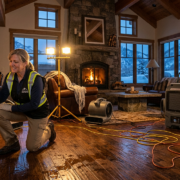
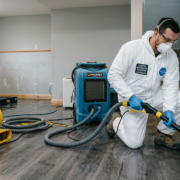
Insurance companies want to see that you took reasonable steps to prevent more damage. That is why fast water extraction, drying, and dehumidification are so important. Professional mitigation can reduce the chance of secondary problems like mold, warped flooring, or hidden structural damage.
Working with a local company can also make communication easier. Helpers Restoration supports property owners with water damage cleanup in Aspen, water damage repair in Basalt, water damage cleanup in Carbondale, and water damage restoration in Snowmass. That local knowledge can help when timing matters and your insurer needs fast documentation.
When To Watch For Hidden Damage
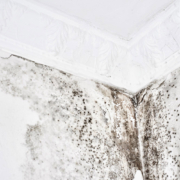
Even if the surface looks dry, water can soak into insulation, subfloors, drywall, and framing. If the source was contaminated water or a sewage backup, health risks increase and the cleanup process becomes more urgent.
If you notice musty odors, bubbling paint, soft spots, or recurring dampness, get the area inspected right away. For situations involving contamination, see sewage backup cleanup services and, if needed, mold damage restoration before the problem spreads.
Tips To Protect Your Claim Value
Keep communication professional and organized. Use email when possible so you have a written trail of conversations. If the adjuster gives you instructions, repeat them back in writing to confirm you understood correctly.
It also helps to make a clear list of damaged belongings, including approximate age, brand, and condition before the loss. This can speed up review and reduce back-and-forth questions.
FAQ
How soon should I file a water damage claim?
File as soon as it is safe and you have basic photos of the damage. Prompt reporting usually helps avoid delays and disputes.
Should I clean up before the adjuster arrives?
You should do emergency mitigation, but keep photos and save damaged items whenever possible. Do not start permanent repairs until the loss has been documented.
Will insurance cover all water damage?
Not always. Sudden and accidental water damage is often treated differently from gradual leaks, lack of maintenance, or sewer-related issues.
What if my claim is denied?
Ask for the denial reason in writing, then review your policy and supporting evidence. A restoration company can often help document the scope of loss more clearly.
Can a restoration company help with insurance?
Yes. A qualified team can provide photos, estimates, moisture readings, and mitigation records that support the claim process.
What should property managers do first?
Secure the property, notify the insurer, document the damage, and arrange emergency extraction quickly. Clear communication with tenants is also important.
Get Fast Help With Your Claim And Cleanup
If you need emergency support, Helpers Restoration is ready to help with water cleanup, drying, repair, and insurance claim assistance across Aspen and the Roaring Fork Valley. Call (970) 927-3600 for 24/7 response, or visit Helpers Restoration to get help now.
Conclusion
The best water damage claim outcome usually starts with fast action, strong documentation, and the right local partner. When you protect the scene, save records, and work with an experienced restoration team, you give your claim the best chance to move forward smoothly.
If water damage has disrupted your home or business in Aspen, Basalt, Carbondale, Snowmass Village, or Glenwood Springs, do not wait. Get the property stabilized, start the documentation, and let Helpers Restoration help you through the next steps.
Summary
Water damage insurance claims move more smoothly when you document early, report the loss quickly, and avoid preventable mistakes. For homeowners and property managers in Aspen and the Roaring Fork Valley, fast professional mitigation can protect both the property and the claim.