Emergency Water Extraction Basalt: Fast Help for Homes Today
A burst pipe, overflowing appliance, or backed-up drain can change the feel of a Basalt property in minutes. The most important thing is not finding the perfect mop or waiting to see whether the water disappears on its own. It is stopping the source safely and beginning emergency water extraction Basalt homeowners can rely on before moisture reaches subfloors, wall cavities, insulation, and personal belongings.
We know these events are stressful, especially for second homes, rental properties, and busy commercial spaces across the Roaring Fork Valley. Fast water removal protects more than finishes and furnishings. It creates a clearer path for drying, documentation, insurance communication, and a safe recovery plan.
What To Do in the First Hour After Water Damage
When water is actively spreading, focus on safety and containment before cleanup. If water is near outlets, electrical panels, appliances, or ceiling fixtures, stay clear of the area and contact a qualified professional. Never enter a space with sagging ceilings or water that may be contaminated.
Shut Off the Water Source If It Is Safe
For a broken supply line or appliance leak, close the nearby shutoff valve or the main water valve. If you are unsure where the water is coming from, do not waste time pulling apart walls, cabinetry, or plumbing. A plumber can repair the source, while a restoration team can address the moisture already inside the property.
Protect People, Pets, and Important Items
Move people and pets away from wet areas, especially when the water may contain sewage or outdoor contaminants. Lift lightweight belongings, documents, electronics, and furniture legs out of standing water when it is safe to do so. Take clear photos and short videos before moving damaged items, since early documentation can help support an insurance claim.
Avoid DIY Drying Mistakes
A shop vacuum and household fans may help with a small, clean spill on a hard surface, but they cannot confirm that flooring, drywall, or framing is dry. Do not run fans on sewage-affected water or unknown water, and do not use a regular vacuum on standing water. Those situations require professional containment, cleaning, and extraction.
Why Emergency Water Extraction in Basalt Cannot Wait
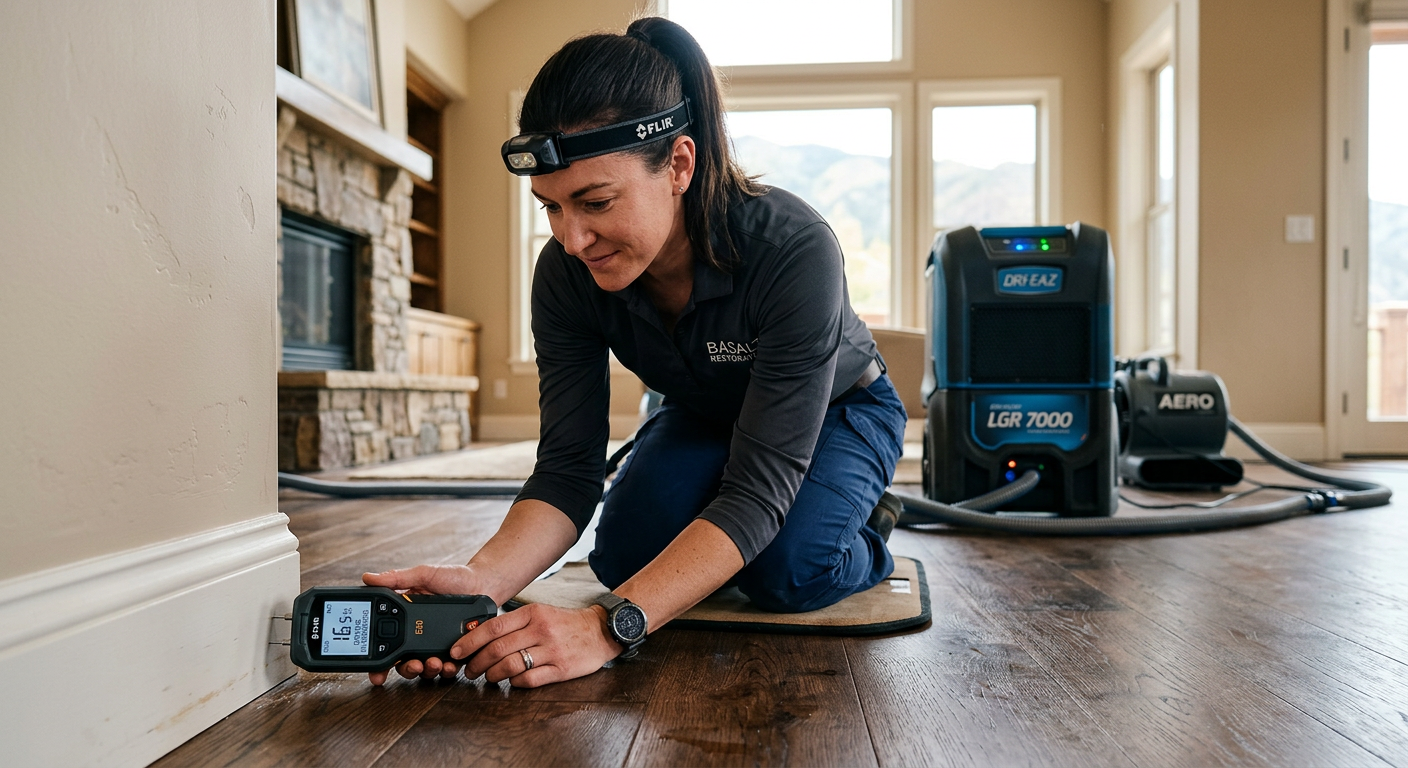
Standing water is only the visible part of the problem. Moisture can move beneath flooring, behind baseboards, into carpet padding, and through porous building materials. That is why professional water mitigation combines extraction with moisture inspection, controlled drying, and regular monitoring.
The U.S. Environmental Protection Agency advises drying water-damaged areas and items within 24 to 48 hours to help prevent mold growth. That window is a practical reason to act quickly, not a guarantee that a room is dry just because the surface no longer feels wet. Read the guidance from the U.S. Environmental Protection Agency for more detail on moisture control and mold prevention.
For Basalt properties, prompt action can be especially valuable after frozen-pipe breaks, snowmelt-related leaks, appliance failures, and plumbing overflows. We assess the affected materials rather than relying only on what is visible, then build a drying plan based on the source, extent, and condition of the water damage.
Our Water Extraction and Drying Process
Every loss is different, but a dependable response follows a clear sequence. We explain what we find, what needs immediate attention, and what comes next, so you are not left guessing during an already difficult day.
Inspection and Moisture Mapping
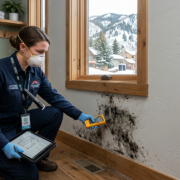
We identify the apparent source, inspect the affected rooms, and check for moisture migration into materials around the loss. This helps determine whether water removal alone is enough or whether flooring, drywall, insulation, or contents need additional care.
Powerful Water Removal
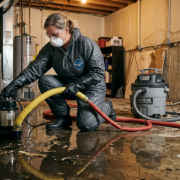
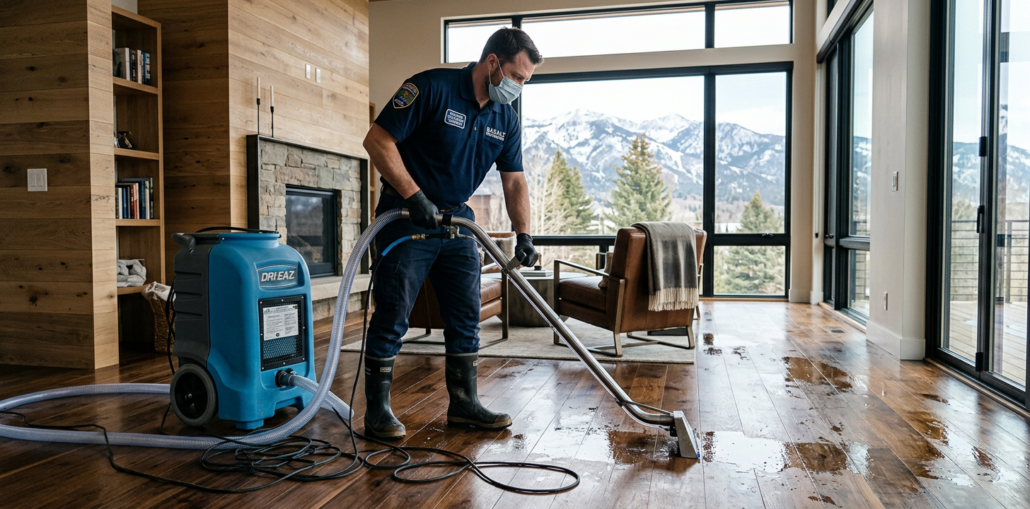
We use commercial extraction equipment to remove standing water efficiently from floors, carpets, and other accessible materials. Faster removal reduces the amount of water available to soak into structural components and helps the drying phase begin sooner.
Controlled Drying and Dehumidification
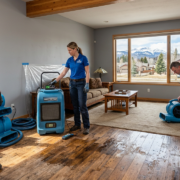
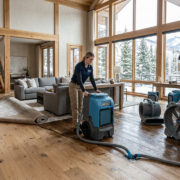
Extraction is not the finish line. We place professional air movers and dehumidifiers strategically to remove trapped moisture from the air and building materials. We also monitor progress and adjust equipment until the affected area reaches appropriate drying goals.
Cleaning, Documentation, and Repairs
Depending on the water source, we may clean and sanitize affected surfaces, remove unsalvageable materials, and prepare the property for repairs. We also document the work and the condition of the affected areas, which can make insurance communication more manageable. Explore our complete water damage restoration services for a broader look at recovery options.
Choosing Between a Plumber, DIY Cleanup, and a Restoration Team
The right response often involves more than one professional. A plumber stops or repairs the pipe, fixture, or appliance causing the leak. A restoration company extracts water, dries materials, documents the damage, and helps prevent the moisture issue from becoming a larger repair project.
| Situation | Best First Move | Why It Matters |
|---|---|---|
| Small clean spill on tile | Dry it promptly | Limit slip and surface damage |
| Active pipe leak | Shut off water, call a plumber | Stops the source |
| Wet carpet or hardwood | Call a restoration team | Moisture may be below the surface |
| Sewage backup | Keep out, call professionals | Requires safe cleanup procedures |
| Water from ceiling | Avoid the area, seek urgent help | Electrical and collapse risks |
If the affected area is limited to a small clean-water spill that you can dry completely right away, you may not need a full restoration response. But if water reached carpet, wood flooring, drywall, cabinets, multiple rooms, or a lower level, professional assessment is the more cautious choice. The same is true for an unattended leak, because time and hidden moisture can change a simple cleanup into a larger water damage repair.
Local Help for Basalt Homes and Properties
Our team at Helpers Restoration provides local water cleanup for homeowners, property managers, vacation-property caretakers, and businesses in Basalt. We are equipped to address water extraction, flood cleanup, structural drying, mold prevention, and insurance claim assistance with a calm, practical approach.
For property-specific details, visit our Basalt water damage cleanup page. We also serve nearby Aspen, Carbondale, Snowmass Village, Glenwood Springs, and communities throughout the Roaring Fork Valley. Whether the issue began with a frozen pipe, a supply-line leak, or floodwater, our priority is to help stabilize the property and protect what can be saved.
Frequently Asked Questions
How fast should we call for emergency water extraction in Basalt?
Call as soon as it is safe to do so, particularly if water is spreading, soaking carpet or wood flooring, entering walls, or coming from an unknown source. Fast removal and drying can reduce secondary damage and help limit mold risk.
Can we stay in the property during water cleanup?
Often, yes, when the damage is limited and the water is clean. We may recommend leaving temporarily if there are electrical risks, extensive demolition needs, sewage contamination, significant mold concerns, or areas that cannot be used safely.
Does homeowners insurance cover water extraction?
Coverage depends on the policy and the cause of the loss. Sudden accidental pipe breaks may be handled differently than long-term leaks or surface-water flooding. Save photos, invoices, and damaged-item details, then contact your insurer promptly. Our water damage FAQs provide additional guidance about cleanup and insurance questions.
What if the water came from a sewage backup?
Treat it as a health and sanitation concern. Keep people and pets away, avoid handling affected porous materials, and do not attempt to dry the area with household fans. Professional sewage cleanup includes containment, removal, cleaning, and disinfection measures appropriate to the situation.
How long does professional drying take?
Many projects need several days of controlled drying, though the timeline depends on the water source, materials affected, room size, temperature, and how long moisture was present. We monitor conditions rather than promising a one-size-fits-all schedule.
Can water damage lead to mold even if the floor looks dry?
Yes. Surface dryness does not confirm that the materials below or behind the surface are dry. Moisture can remain under flooring, inside cabinets, or within wall cavities, which is why moisture checks and dehumidification matter after more than a minor spill.
Get Immediate Water Cleanup Support in Basalt
If water is inside your home, rental, or commercial property, call Helpers Restoration at (970) 927-3600 for 24/7 emergency help. You can also contact Helpers Restoration online to request assistance with emergency water cleanup, drying, and insurance documentation.
Summary
The best response to a water emergency is fast, safe, and thorough. Shut off the source if you can do it safely, protect people and valuables, document the damage, and bring in qualified help when water has spread beyond a small, clean surface spill.
With emergency water extraction, careful moisture control, and a clear drying plan, we can help Basalt property owners move from disruption to recovery with greater confidence. Acting early protects your building materials, your belongings, and your peace of mind.