water damage Aspen: How to Tell If You Have Mold After Leaks
If your home has had a recent leak, you may be on edge wondering whether mold is hiding behind walls or under floors. In many cases early signs are subtle, but quick action protects your family and limits repair costs. water damage Aspen homeowners and property managers should know the telltale signs and when to call certified pros.
Why mold grows after leaks
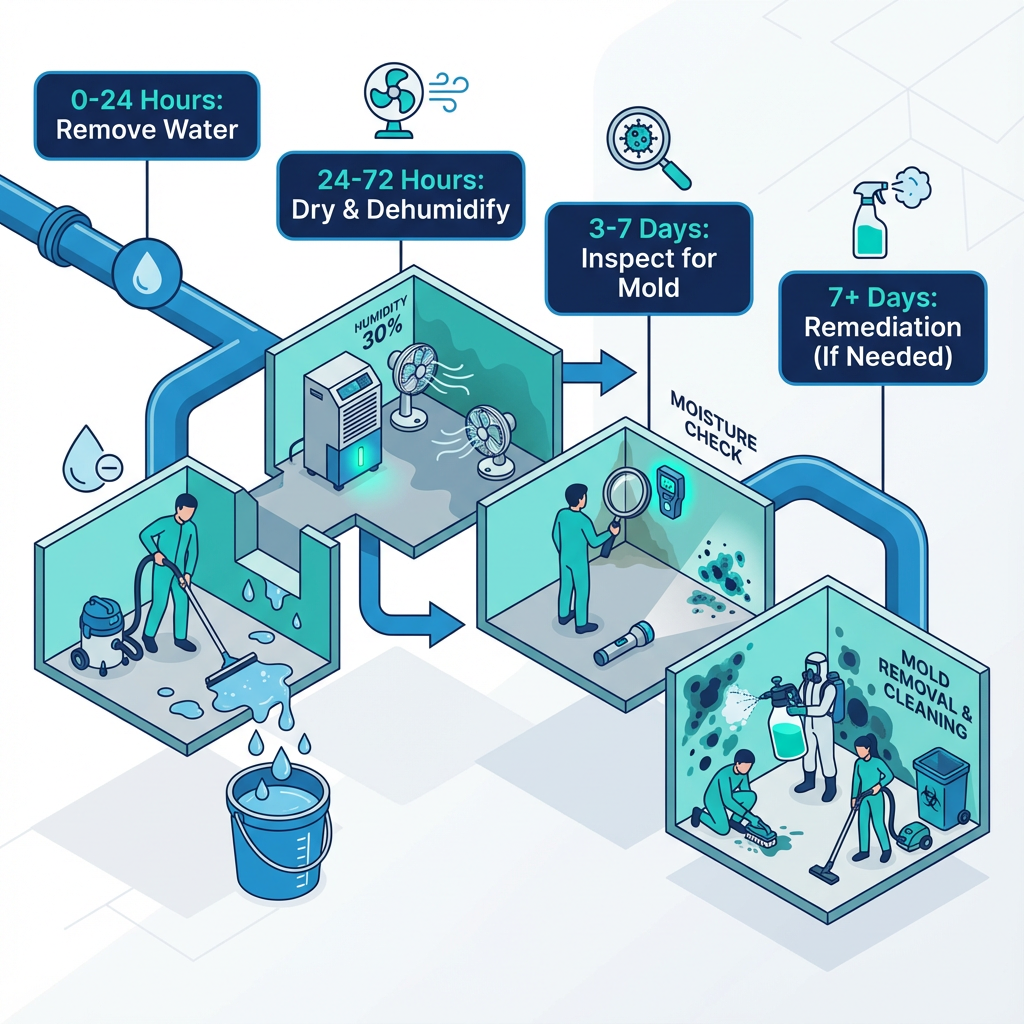
Mold needs three things: moisture, organic material, and time. A burst pipe, roof leak, or flood supplies the moisture. Drywall, wood framing, carpeting, and insulation give mold a food source. If moisture lingers more than 24 to 48 hours, mold spores can start colonizing. That’s why fast drying and professional water removal after any incident matters for homeowners across Aspen, Basalt, Carbondale, Snowmass Village, Glenwood Springs, and the Roaring Fork Valley.
Early signs you may have mold
Visible discoloration or spots
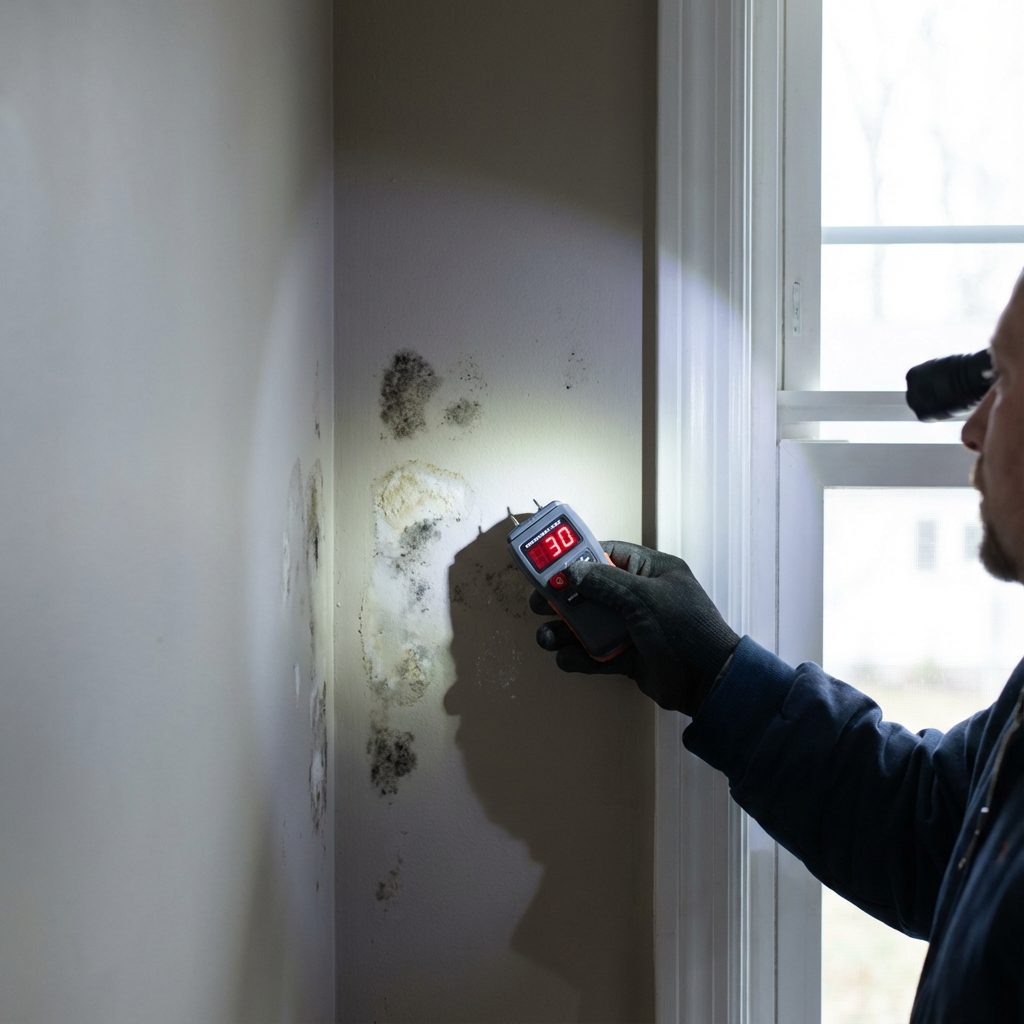
Look for fuzzy or flat patches on ceilings, walls, baseboards, and behind furniture. Colors vary from black and dark green to white or orange. Sometimes stains are water marks with a darker ring, which suggests mold growth behind the surface.
Musty or damp odors
A persistent, earthy, musty smell that does not go away after cleaning is a classic mold indicator. You might notice it most in basements, crawl spaces, or rooms where water pooled.
Health symptoms that appear or worsen
If people in your home develop new allergies, sneezing, nasal congestion, watery eyes, or persistent coughs after a leak, mold could be the cause. People with asthma or weakened immune systems may be more sensitive and show stronger reactions.
Peeling paint, bubbling wallpaper, warped wood
Mold and prolonged moisture can cause finishes and materials to separate, bubble, or warp. Check trim and floors for buckling, and watch for paint cracking where water has been present.
Repeat stains after cleaning
If you clean a visible spot and it returns within days, that often means the underlying moisture problem remains and mold is reestablishing.
Quick checks you can do at home
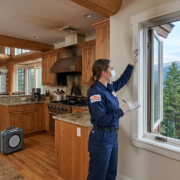
- Use a flashlight to inspect dark corners, attic eaves, and under sinks. Look for discoloration or fungal textures.
- Smell suspect zones, especially closets and under cabinets.
- Tap or press on drywall and floorboards for soft spots that suggest rot or hidden moisture.
- If you have a moisture meter, measure the percent relative moisture in walls and subfloors. Readings above 15-20% in wood or drywall after drying efforts can mean trouble.
If any check raises concern, document what you find with photos and notes. That helps restoration pros and your insurer.
When to call professionals
Call certified restoration experts immediately if you find: visible mold covering more than a small patch, mold near HVAC systems, contamination from sewage, or if household members have severe health reactions. Professionals perform safe containment, controlled removal, and full drying and dehumidification to prevent recurrence.
Helpers Restoration provides 24/7 emergency water extraction and mold remediation for Aspen and nearby areas. Learn about our full water damage services on our water damage page and the Aspen-specific response at our Aspen water damage page. For sewage incidents, see our sewage backup cleanup service.
What professionals do during a mold inspection and remediation
- Confirm moisture sources and measure humidity and material moisture
- Contain the affected area to prevent cross-contamination
- Remove and dispose of heavily contaminated materials safely
- Clean and sanitize salvageable surfaces with industry-grade products
- Dry and dehumidify the structure, then monitor until moisture is stable
- Provide a clearance check and recommendations for repairs and prevention
For local homeowners, certified remediation that coordinates with insurance is critical. Helpers Restoration works with insurance carriers and documents each step to support claims.
Preventing mold after you fix the leak
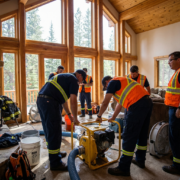
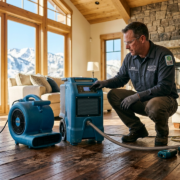
- Dry the structure fast, within 24 to 72 hours when possible, using extraction, air movers, and dehumidifiers
- Replace soaked insulation, carpets, and porous materials when necessary
- Improve ventilation in bathrooms, attics, and crawl spaces
- Repair roof leaks, flashing, and poor exterior grading to stop water intrusion
- Consider a post-repair mold inspection to be certain the home is dry and clear
Summary
Mold after a leak often starts small and can escalate if moisture stays. Watch for visible stains, musty odors, new health symptoms, and materials that feel soft or warped. Quick water extraction, professional drying, and timely remediation stop mold from taking hold in your home.
FAQs
How soon does mold grow after a leak?
Mold spores can begin to grow within 24 to 48 hours if conditions are right. That is why immediate water removal and drying are so important.
Can I clean mold myself after a small leak?
Small, non-porous patches can sometimes be cleaned with detergent and water, but if the area is larger than a few square feet or if mold is in HVAC systems, call professionals. Improper cleaning can spread spores.
Will my insurance cover mold after a leak?
Coverage varies by policy and cause. Sudden, accidental water damage is often covered, but slow leaks from neglect may be excluded. Document damage promptly and speak with your insurer. Helpers Restoration can assist with documentation and claims support.
Is black mold more dangerous than other molds?
"Black mold" is a non-technical term for certain species. Health risk depends on the species, exposure level, and occupants' sensitivity. Treat all substantial indoor mold as a health concern and get professional assessment.
Do I need a mold test?
Testing is rarely needed to decide whether you have a problem. Visible mold and moisture readings are enough to justify remediation. Testing may be helpful in complex cases or for legal/insurance reasons.
How do I protect my home long term from mold?
Fix leaks promptly, maintain good ventilation, control indoor humidity below 50 percent, and schedule periodic inspections if you live in a high-risk area like the Roaring Fork Valley.
Can mold return after remediation?
Yes, if the moisture source is not fully eliminated or if drying was incomplete. Choose a certified company that documents moisture control and provides a clearance check.
Need immediate help? Reach out now
If you suspect mold after a leak, don’t wait. Helpers Restoration offers 24/7 emergency water extraction, drying, and certified mold remediation across Aspen, Basalt, Carbondale, Snowmass Village, Glenwood Springs, and the Roaring Fork Valley. Call (970) 927-3600 now or visit our main site to request urgent service.
https://helpersrestoration.com/ is available for service details and scheduling. For more on local water recovery, see our Glenwood Springs and Snowmass pages.
Conclusion
Mold after a leak is a common but preventable problem when you act fast. Look for visible stains, musty smells, health symptoms, and soft materials. If you find signs or if drying isn’t progressing, contact certified professionals to contain, remove, and restore your home safely. Helpers Restoration has local experience, 24/7 response, and insurance coordination to get you back to normal quickly.