Sewage Backup Snowmass Village: Recovery Plan for Mountain Homes
Sewage Backup Snowmass Village: Recovery Plan for Mountain Homes
A sewage backup can turn a quiet day at home into a serious property and health concern in minutes. When wastewater comes up through a floor drain, toilet, shower, or lower-level fixture, the safest choice is to limit exposure, protect unaffected rooms, and bring in qualified cleanup support.
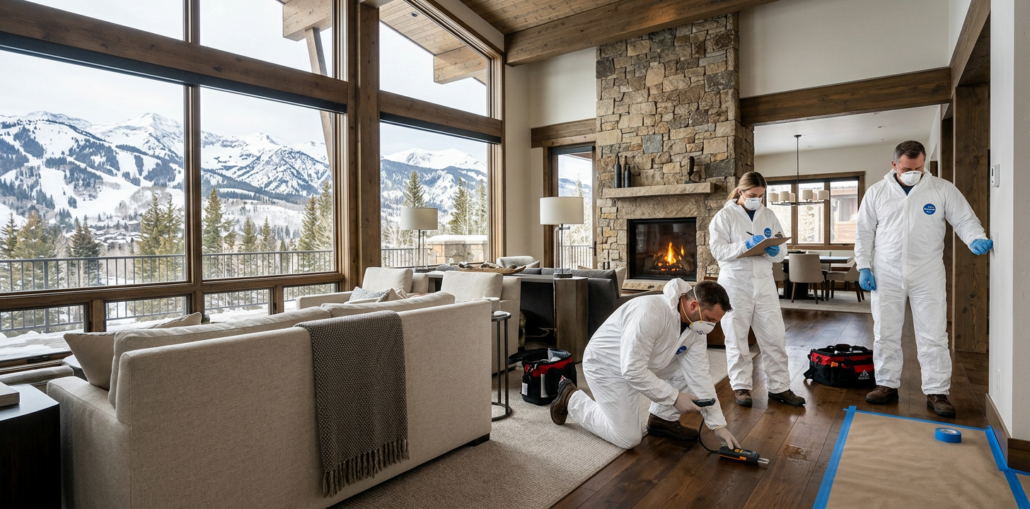
For homeowners and property managers, a sewage backup Snowmass Village emergency is different from an ordinary plumbing leak. Contaminated water can affect flooring, drywall, insulation, personal belongings, and indoor air quality. Fast, careful action protects people first, then gives the property the best chance of a clean recovery.
Protect People and Stop Further Exposure
The first priority is keeping people, pets, and unaffected belongings away from contaminated water. Do not walk through the area unnecessarily, attempt to shop-vac the water, or use household fans that could spread contaminants into clean spaces.
If it is safe to do so, stop using sinks, showers, toilets, washing machines, and dishwashers. Continued water use can add pressure to a blocked sewer line or overwhelmed septic system. Keep children, older adults, and anyone with breathing concerns or a weakened immune system away from the affected area.
The U.S. Environmental Protection Agency advises drying a water-affected home within 24 to 48 hours when possible to help limit mold growth. That timeline matters in Snowmass Village properties, where lower levels, enclosed utility rooms, and seasonal occupancy can allow moisture to stay hidden longer than expected.
Avoid Electrical and Slip Hazards
Do not enter standing water near electrical outlets, appliances, or panels. If you can safely access the electrical panel without crossing the affected area, turn off power to the impacted section. Otherwise, wait for qualified help.
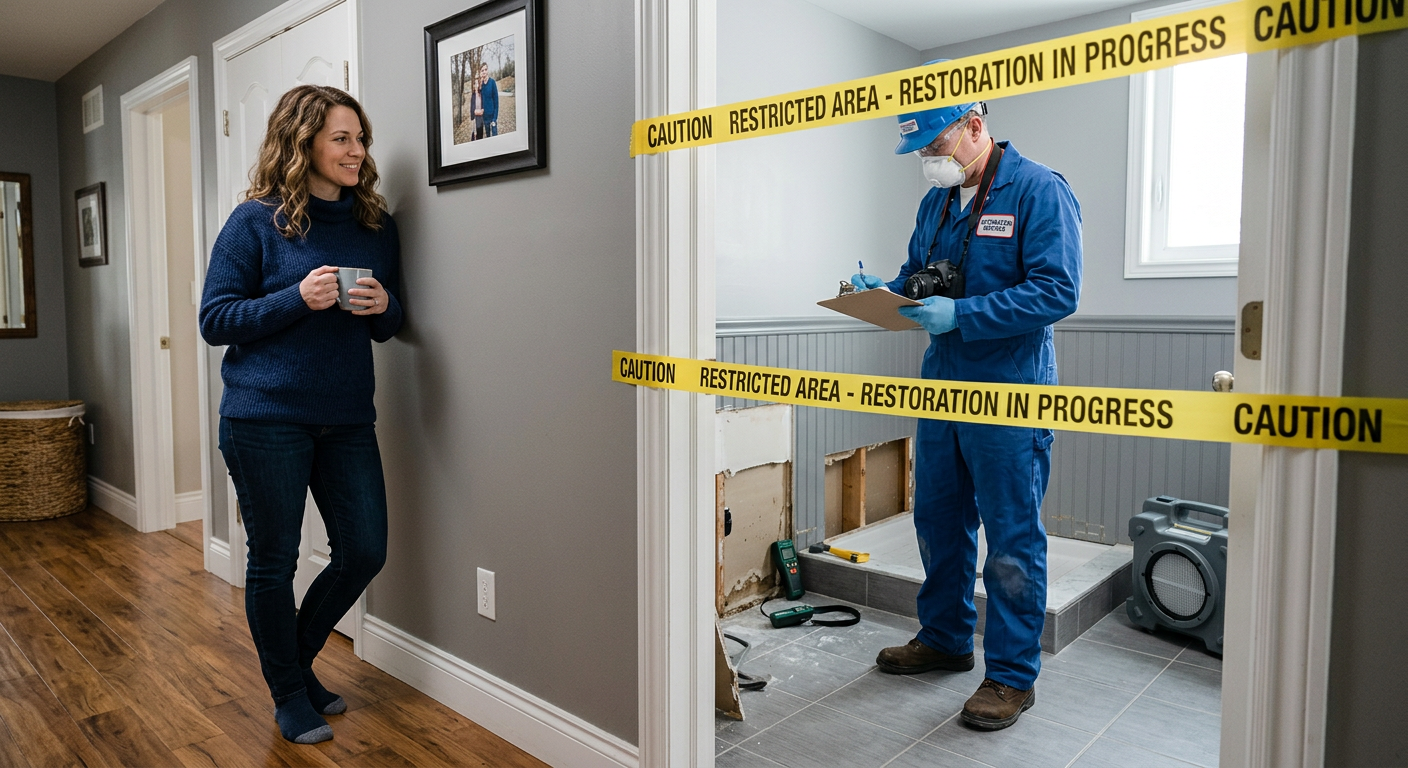
Take photos and short videos from a dry, safe location before anything is moved. This documentation can be valuable when you speak with your insurer, plumber, property manager, or restoration team.
Why Sewage Backups Need a Different Cleanup Plan
Sewage backups require professional containment, removal, cleaning, and drying because the water may carry harmful microorganisms. A backup from beyond a toilet trap, a main sewer line, or outdoor flooding should be treated as highly contaminated water.
Common causes around Snowmass Village include clogged or damaged drain lines, tree-root intrusion, blocked main lines, aging plumbing components, heavy moisture around septic systems, and seasonal vacancies that allow a small issue to go unnoticed. A plumber can correct the source of the backup, while restoration professionals address the contamination and damage left inside the property.
Materials That May Need Removal
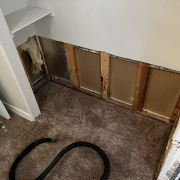
Porous materials can trap contamination and moisture even after surface cleaning. Depending on the source, duration, and spread of the backup, affected carpet, carpet pad, insulation, baseboards, drywall, upholstered furniture, and cardboard storage boxes may not be safe to keep.
Hard surfaces can often be cleaned and disinfected when the contamination was limited and the materials remain structurally sound. Each property needs an on-site assessment because tile, hardwood, cabinets, and subflooring can react very differently to moisture exposure.
Odor Is a Clue, Not the Whole Problem
A sewer odor does not always show where contamination traveled. Water can wick beneath flooring, into wall cavities, under cabinets, and behind stored belongings. Thorough moisture checks and targeted cleaning help prevent a lingering odor problem from becoming a larger repair issue.
A Practical Recovery Plan for Snowmass Village Properties
A reliable recovery plan separates emergency decisions from repair decisions. First contain the affected space and document the loss. Then remove contaminated materials, clean remaining surfaces, dry the structure, and confirm the source problem has been corrected before rebuilding.
First, Contact the Right Professionals
Call a licensed plumber if there is an active blockage, broken line, or recurring drain issue. If sewage has entered the home or business, contact a restoration team equipped for contaminated-water cleanup before trying to remove materials yourself.
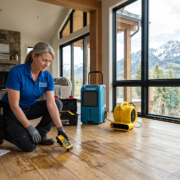
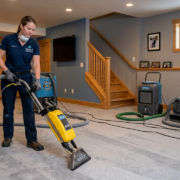
Helpers Restoration provides professional sewage backup cleanup throughout the Roaring Fork Valley. We help contain the affected area, remove contaminated water and materials, clean and disinfect salvageable surfaces, dry the structure, and document the work for insurance communication.
Next, Protect the Insurance Claim
Report the event to your insurer promptly and ask whether your policy includes water or sewer backup coverage. Standard homeowners policies vary, and some policies require a separate sewer backup endorsement.
Keep records of the date and time the problem was discovered, photos of the affected area, invoices from the plumber, temporary lodging costs when applicable, and a list of damaged contents. Do not discard major items until your insurer has advised you or the loss has been documented thoroughly.
Then, Confirm Drying Before Repairs Begin
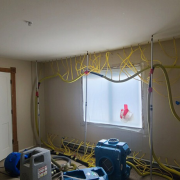
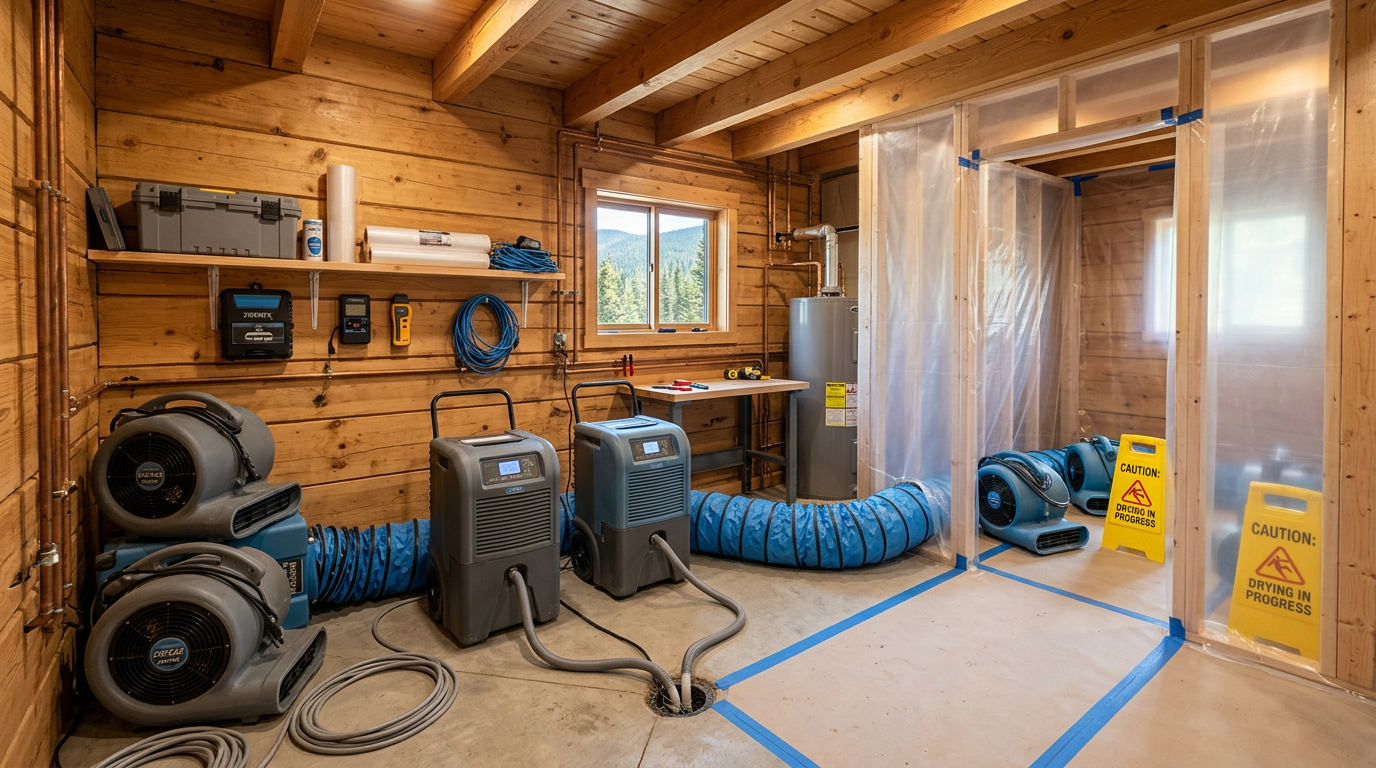
Cleaning alone is not enough. Floors, walls, framing, and enclosed spaces need to be checked for moisture before repairs cover them again. Proper drying and dehumidification can reduce the chance of odor, deterioration, and later mold concerns.
For broader flooding, burst pipes, or moisture damage that extends beyond the sewage-affected area, review the local Snowmass water damage restoration options available through Helpers Restoration. This helps property owners coordinate cleanup and structural recovery without leaving wet materials behind.
Prevention Steps That Matter in Mountain Homes
The best prevention plan is a mix of plumbing maintenance, smart occupancy planning, and fast response to early warning signs. Snowmass Village second homes, rentals, and properties with lower-level plumbing benefit from regular checks before and after periods of vacancy.
Watch for Early Warning Signs
Slow drains throughout the property, gurgling toilets, water appearing at a floor drain, recurring clogs, and sewage odors are all reasons to call a plumber before a backup occurs. One slow fixture may be a local clog, but several fixtures acting up at once can point to a main-line problem.
Avoid flushing wipes, paper towels, feminine products, or other materials not designed for sewer systems. Keep grease, oils, and food scraps out of kitchen drains, since these can build up inside lines and capture debris over time.
Prepare Vacant Homes and Rental Properties
Before leaving a property vacant, check lower-level drains, confirm the sump system is working if one is installed, and make sure a trusted local contact can access the home if an issue appears. Property managers should create a simple response list with the plumber, insurer, and restoration provider listed in one place.
For homes with a history of backups, ask a qualified plumber whether a backwater valve, drain-line inspection, or maintenance schedule is appropriate. The right option depends on the property's plumbing layout and the source of prior problems.
Frequently Asked Questions
Can we stay in the home after a sewage backup?
It depends on where the contamination traveled and whether clean living areas can remain separated. If sewage reached occupied rooms, affected HVAC components, or critical access points, temporary relocation may be the safer option until cleanup and drying are complete.
Is a sewage backup covered by homeowners insurance?
Coverage depends on your policy and the cause of the loss. Many policies treat sewer or drain backup as optional coverage, so contact your carrier promptly and ask about your specific limits, deductible, and documentation requirements.
How long does sewage cleanup take in Snowmass Village?
Initial extraction, containment, and cleaning may take hours to a few days. Drying often takes several additional days, while reconstruction can take longer if drywall, flooring, cabinets, or insulation need replacement.
Can we clean a small toilet backup ourselves?
A minor overflow limited to a nonporous bathroom surface may be manageable with appropriate protective equipment and careful cleaning. If water reached carpet, drywall, baseboards, cabinets, vents, or adjacent rooms, professional cleanup is the safer path.
Do we need mold remediation after a sewage backup?
Not every backup leads to mold remediation, but moisture left in hidden materials raises the risk. Moisture verification after cleaning and drying helps determine whether further work is needed. If growth is found, mold damage restoration support can address the problem safely.
What should property managers document after a sewage event?
Document the discovery time, affected rooms, tenant communication, photos, videos, plumbing findings, restoration records, and damaged contents. Clear records help owners, insurers, tenants, and contractors stay aligned throughout the recovery.
Get Skilled Cleanup Help for a Sewage Emergency
When contaminated water enters your property, we are ready to help protect your home, guests, tenants, and investment. Call Helpers Restoration at (970) 927-3600 for 24/7 emergency cleanup in Snowmass Village, Aspen, Basalt, Carbondale, Glenwood Springs, and across the Roaring Fork Valley, or contact our team online to request help.
We will help you move from containment and documentation to cleaning, drying, and a clear restoration plan with professional care at every stage.
Summary
A sewage backup is a health and property emergency, not a standard water cleanup job. Keep people out of the affected area, stop water use when safe, document the loss, correct the plumbing source, and make sure professional cleaning and structural drying are completed before repairs begin.
A Safer Path Back to Normal
A calm, methodical response makes a difficult event more manageable. By protecting people first, documenting the loss, and addressing contamination and hidden moisture thoroughly, Snowmass Village homeowners and property managers can restore the property with greater confidence and fewer surprises later.