Burst Pipe Water Damage Insurance Claims: Aspen Homeowner Guide
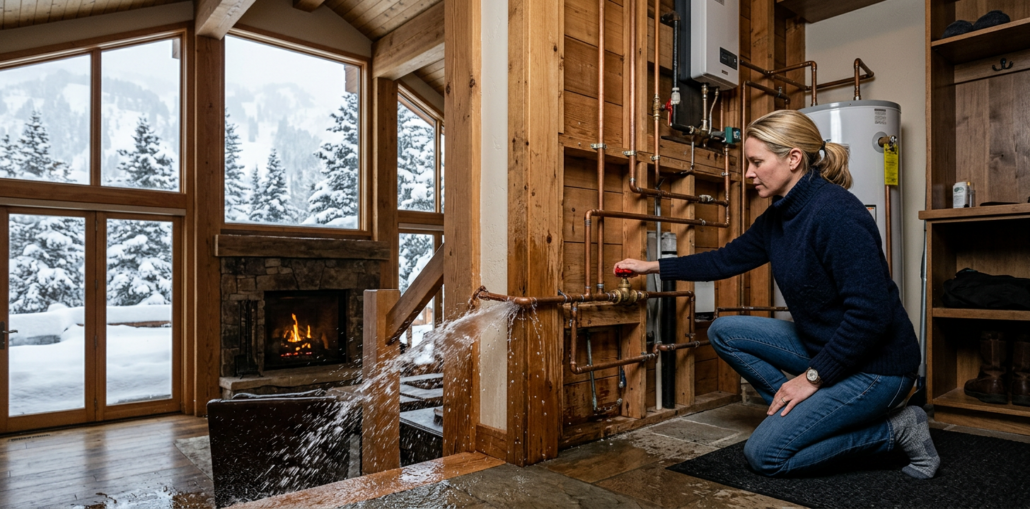
Few property emergencies feel more overwhelming than discovering water spreading across the floor, through a ceiling, or behind a wall. In Aspen and across the Roaring Fork Valley, a hard freeze, an unoccupied vacation home, or a hidden plumbing failure can turn a small break into a major restoration project quickly.
Understanding burst pipe water damage insurance claims before you call your carrier helps you make better decisions under pressure. We’ll walk through what is commonly covered, what documentation matters, and how homeowners and property managers can protect both the property and the claim.
| Situation | Typical Coverage Outlook | What Matters Most |
|---|---|---|
| Sudden pipe burst | Often covered | Cause, prompt reporting, documentation |
| Frozen pipe | Often covered | Heat and winterization precautions |
| Slow leak | Often excluded | Signs of long-term maintenance issue |
| Exterior flooding | Usually excluded | Separate flood policy may be needed |
| Sewer backup | Coverage varies | Sewer backup endorsement details |
What Insurance Usually Covers After a Burst Pipe
Most homeowners policies are designed to address sudden, accidental water discharge from a plumbing system. If a pipe unexpectedly bursts and saturates flooring, drywall, insulation, cabinets, or personal belongings, the resulting water damage may be covered, subject to your deductible, limits, and policy language.
The key phrase is usually “sudden and accidental.” The National Association of Insurance Commissioners explains that policies often cover resulting damage from frozen pipes when homeowners took reasonable steps to maintain the property and prevent freezing.
Coverage may include:
- Emergency water removal and drying
- Damaged drywall, flooring, trim, and insulation
- Cleaning or restoration of eligible personal belongings
- Temporary protective measures to prevent further loss
- Additional living expenses when a covered loss makes the home unlivable
Every policy is different, so we recommend asking your adjuster to clarify the difference between repairing the failed pipe itself and repairing the water damage it caused. The resulting damage may be covered even when the plumbing repair has a separate limitation.
When a Claim May Be Denied or Limited
Here’s the important distinction: insurance is generally intended for unexpected losses, not neglected maintenance. A burst pipe does not automatically mean every related cost will be approved.
A carrier may investigate whether the home was properly heated, whether the plumbing had an existing issue, and how quickly the damage was reported and mitigated. This can be especially relevant for vacant homes, short-term rentals, condos, and second residences in Aspen, Snowmass Village, Basalt, Carbondale, and Glenwood Springs.
Common reasons insurers question a burst-pipe claim
- A leak appears to have been active for weeks or months
- The home was left without adequate heat during freezing weather
- A known plumbing problem was not repaired
- The water supply was not shut off at an unoccupied property when required by the policy
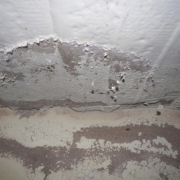
- Cleanup was delayed, allowing mold or secondary damage to develop
- Water entered from outside through snowmelt, runoff, or rising groundwater
The Insurance Information Institute reports that about one in 67 insured homes has a property-damage claim caused by water damage or freezing. That statistic is a good reminder that fast action and clear records are not optional details, they are part of managing a common and costly risk.
What To Do in the First Hour
The first hour after a pipe breaks can influence the size of the loss and the strength of your documentation. Your priority is always safety, followed by stopping the water and preventing further damage.
Shut off the water if it is safe
Find the main shutoff valve and stop the flow. If water is near outlets, appliances, electrical panels, or exposed wiring, avoid the area and contact an electrician or emergency professional as needed.
Photograph before moving items
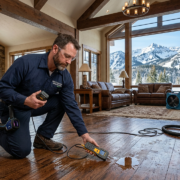
Take wide photos of each affected room, then close-ups of the pipe, wet building materials, and damaged belongings. Record video that shows the source of the water and the path it traveled through the home.
Notify your insurer promptly
Report the loss to your carrier and ask for a claim number. Confirm the deductible, your emergency mitigation responsibilities, the adjuster’s contact details, and whether the policy has any specific documentation requirements.
Start professional mitigation right away
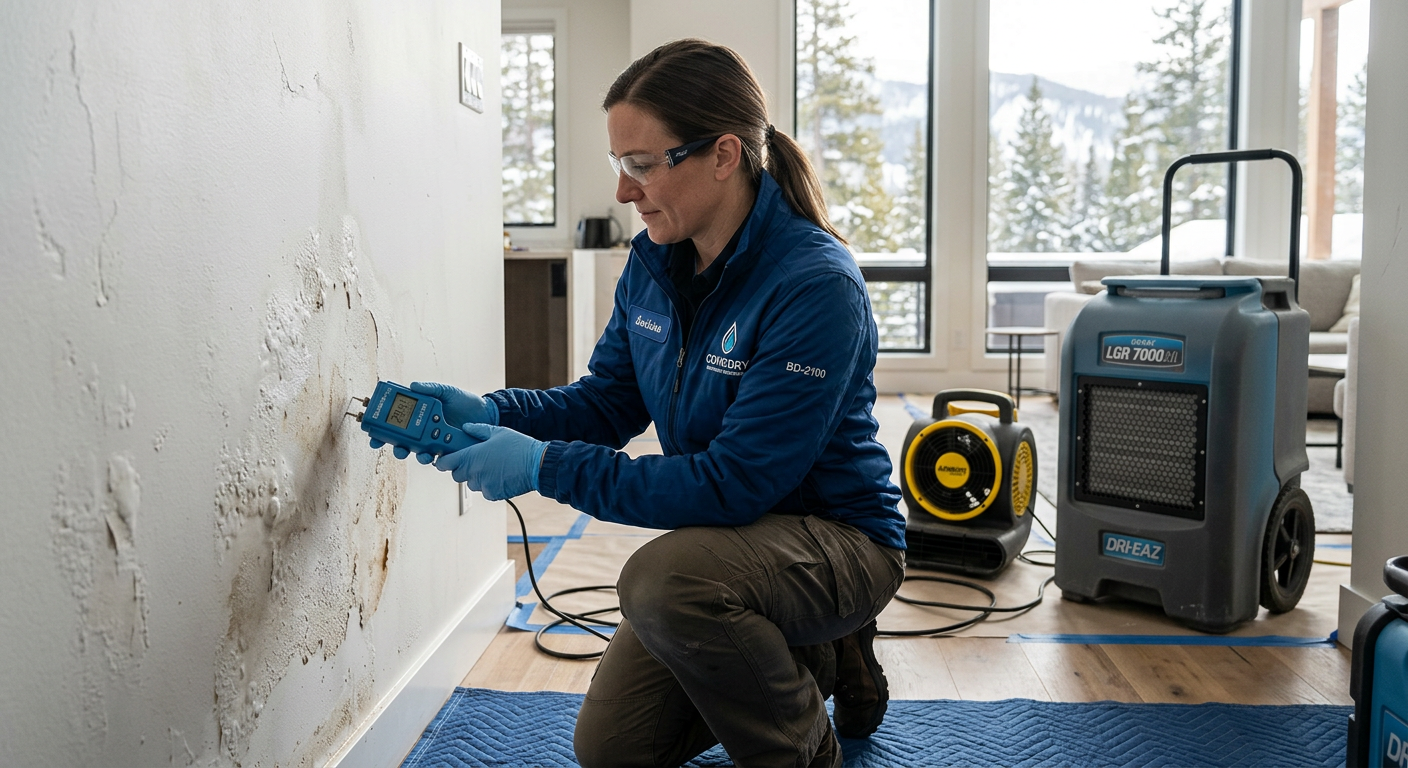
You do not need to wait for an adjuster before stopping active damage. Insurers typically expect homeowners to take reasonable steps to protect the property, which can include extraction, drying, and temporary stabilization. Keep every receipt, invoice, plumber report, moisture reading, and equipment log.
For immediate help, our water damage restoration services address extraction, drying, cleaning, and repairs after a burst pipe. Homeowners needing local support can also review our Aspen water damage cleanup services.
Documentation That Makes Claims Easier
A well-organized claim file gives the adjuster a clearer picture of what happened. It also makes it easier to identify damage that may not be obvious during the initial inspection, such as moisture beneath flooring or inside wall cavities.
Create one folder, digital or paper, that includes:
- Your claim number and carrier contact information
- Date and time the pipe was discovered
- Photos and videos from before cleanup begins
- A plumber’s diagnosis and invoice
- Emergency mitigation invoices and drying records
- A room-by-room list of damaged belongings
- Receipts for temporary repairs, lodging, meals, and other eligible expenses
- Copies of emails and notes from calls with the adjuster
Do not discard damaged materials or belongings until your carrier confirms it is appropriate, unless they create an immediate health or safety hazard. If materials must be removed quickly, photograph them thoroughly and retain samples when practical.
The Difference Between Pipe Damage and Flood Damage
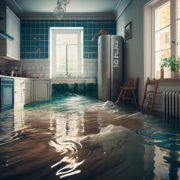
A burst pipe inside the home and floodwater entering from outside may look similar once water is on the floor, but insurance often treats them very differently. Standard homeowners policies commonly cover sudden plumbing discharge, while surface water, runoff, river overflow, and groundwater usually require separate flood insurance.
If your property has more than one water source, document each source separately. For example, a frozen supply line may burst during the same weather event that causes snowmelt intrusion. Separate photos, a plumber’s report, and professional moisture documentation can help clarify the cause of damage.
Property managers should also check lease language, association responsibilities, and unit-owner policies for condominium properties. The source location matters, particularly when a common-area pipe damages an individual unit.
How We Help Aspen-Area Owners Navigate the Process
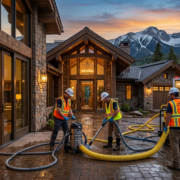
Helpers Restoration supports homeowners and property managers with emergency water extraction, drying and dehumidification, detailed moisture assessment, and insurance-ready documentation. We serve Aspen, Snowmass Village, Basalt, Carbondale, Glenwood Springs, and surrounding Roaring Fork Valley communities.
Our role is to document the affected materials, stabilize the property, and communicate the scope of restoration work clearly. If lingering moisture creates a concern after a covered loss, our mold damage recovery services can help identify and address the next steps.
Questions Homeowners Ask About Burst Pipe Claims
Does homeowners insurance cover frozen pipes?
Often, yes. Coverage commonly depends on whether the pipe burst unexpectedly and whether you took reasonable precautions, such as maintaining heat or properly winterizing a vacant property. Read your policy carefully because vacancy and temperature requirements can vary.
Will insurance pay for the broken pipe itself?
It depends on the policy. Many policies are more likely to cover the water damage caused by a sudden pipe failure than the cost of replacing the failed plumbing component itself. Ask your adjuster to explain both portions of the estimate.
Should we call insurance or a restoration company first?
If water is actively spreading, stop the water and begin emergency mitigation as soon as possible. Then report the claim promptly. You should not allow damage to worsen while waiting for an adjuster.
Is mold from a burst pipe covered?
Mold coverage varies. It may be covered when it is directly related to a covered sudden loss and prompt cleanup occurred. Mold tied to delayed action, long-term leaks, or pre-existing moisture is more likely to be limited or excluded.
What if the pipe burst in a vacant Aspen home?
Notify the insurer immediately and gather evidence of heating, inspections, winterization, and property checks. Vacant-home requirements can affect coverage, so these records may be important.
Can we choose our own restoration company?
In most cases, yes. You can choose a qualified company to assess and mitigate the damage. Ask whether the contractor can provide detailed scope documentation, drying records, and clear estimates that support the claim process.
Get Fast Help Before Damage Spreads
A burst pipe needs immediate attention, especially in mountain homes where hidden moisture can affect floors, walls, and insulation. Call Helpers Restoration at (970) 927-3600 for 24/7 emergency water cleanup in Aspen and the Roaring Fork Valley, or request assistance through our contact page.
For more homeowner guidance, visit our water damage restoration FAQ page. We’ll help you stabilize the property, document the damage, and move toward a clean, dry, safe home.
Summary
Burst pipe water damage insurance claims often come down to a few practical facts: Was the loss sudden? Was the property reasonably maintained? Did you act quickly to stop further damage? Strong photos, timely reporting, professional drying, and organized records can make a difficult situation much more manageable.
The best response is simple. Shut off the water, protect everyone in the home, document what happened, notify the carrier, and begin proper drying without delay. That approach helps protect your home today and gives you a stronger foundation for the claim ahead.