Aspen Water Restoration Company Alternatives: How to Choose
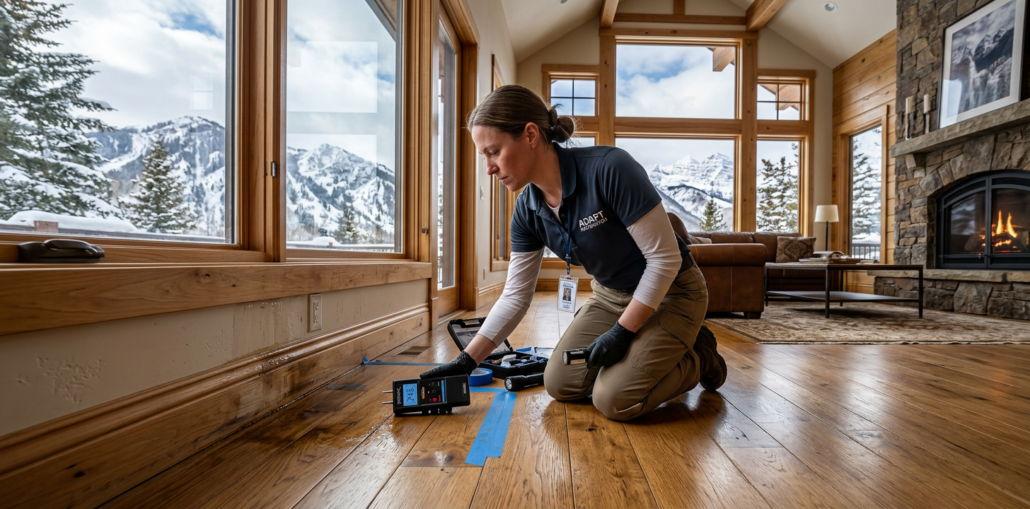
A burst pipe, snowmelt intrusion, or appliance leak can make any property owner want the first company that answers the phone. But choosing among Aspen water restoration company alternatives should come down to more than availability. The right fit is the provider that can control the water source, document the loss, dry hidden moisture, and communicate clearly with you and your insurer.
This matters throughout Aspen and the Roaring Fork Valley, where second homes, rental properties, winter weather, and high-value finishes can make a small water loss more complicated than it first appears. The U.S. Environmental Protection Agency advises drying water-damaged areas and items within 24 to 48 hours to help prevent mold growth, so the decision should be careful but not delayed. EPA guidance also emphasizes that moisture control is the foundation of mold prevention.
Compare Restoration Options by the Work You Actually Need
The best alternative depends on the size, source, and contamination level of the water loss. A plumber, a handyman, a national franchise, and a local restoration provider each have a different role, and none is automatically the right answer for every situation.
| Option | Best Fit | What It Usually Handles | Key Limitation |
|---|---|---|---|
| DIY cleanup | Small, clean spill on a hard surface | Toweling, basic drying, monitoring | Can miss water beneath finishes |
| Plumber | Active leak or failed pipe | Stops and repairs the source | Usually does not perform full drying |
| Handyman or contractor | Repairs after a dry-out | Drywall, trim, paint, flooring | May not provide mitigation documentation |
| Large franchise | Major losses with broad coverage | Extraction, drying, reconstruction | Response and local continuity can vary |
| Local restoration firm | Urgent residential or managed-property losses | Mitigation, drying, documentation, coordination | Ask about staffing and scope before authorizing work |
DIY Cleanup Can Work for a Very Limited Loss
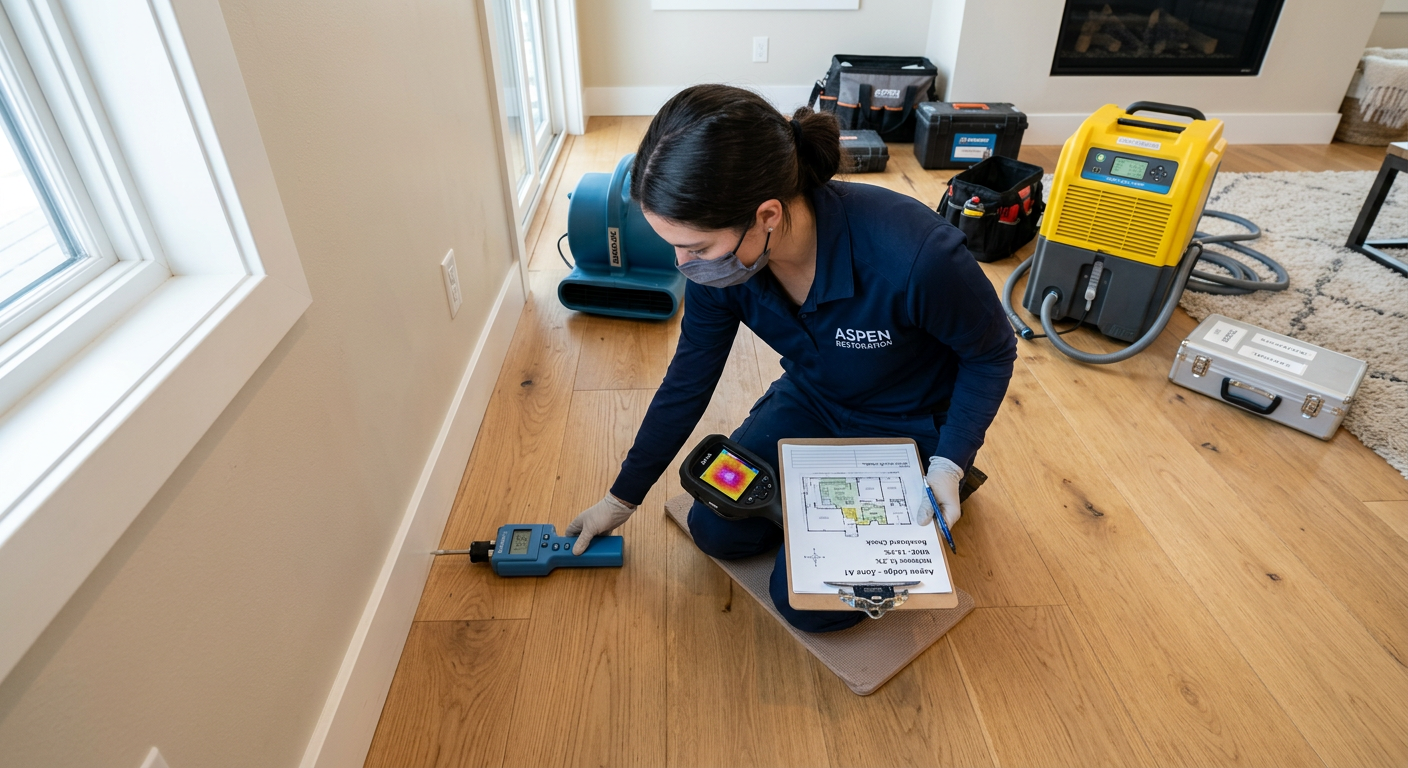
DIY cleanup may be reasonable when the water is clean, the affected area is small, the surface is nonporous, and you can remove all moisture promptly. A tipped glass, a minor refrigerator drip caught quickly, or a shallow bathroom overflow on tile may fall into this category.
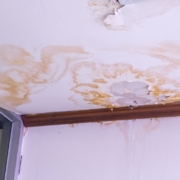
Stop if water reached carpet padding, drywall, cabinets, hardwood seams, insulation, electrical areas, or more than one room. Household fans can dry a surface while leaving moisture trapped under flooring or behind walls. Take photos before moving items, keep affected materials available for inspection, and watch for cupping floors, staining, swelling, or musty odors.
A Plumber Is Essential, but Often Only the First Call
If a pipe has burst or a supply line is actively leaking, the immediate priority is stopping the water source. A qualified plumber is the right professional for that repair. Once the water is shut off, however, mitigation is a different job that may require extraction, moisture mapping, dehumidification, and monitored drying.
For this reason, a plumber and restoration provider often work alongside each other rather than competing. Ask the plumber to identify the cause in writing and save the invoice, since both can help clarify an insurance claim.
A General Contractor Usually Belongs After Drying
A contractor may be the right choice for rebuilding after a property is fully dry. They can replace drywall, refinish floors, repair trim, or manage larger reconstruction. The tradeoff is that reconstruction should not begin until moisture conditions are documented and the affected materials are appropriately dry.
For a small clean-water event, a contractor may also advise a simpler repair path. For a significant loss, look for a clear handoff between mitigation and reconstruction so no one covers up wet materials prematurely.
What Separates a Strong Water Damage Provider
A capable provider should explain the plan in plain language, show you what is wet, and establish how they will confirm drying is complete. Fast extraction matters, but reliable documentation and moisture verification protect the property after the visible water is gone.
The IICRC Certified Firm program states that certified firms follow established best practices, employ trained technicians, and are held accountable to recognized standards. Certification alone should not decide the job, but it is a useful starting point when comparing water restoration companies.
Ask These Questions Before You Authorize Work
Use these questions to compare providers fairly:
- Can you identify the source and category of water before beginning work?
- Will you provide photos, a written scope, and moisture readings?
- Which areas will you test for hidden moisture, including flooring, walls, and cabinets?
- How will you determine when drying is complete?
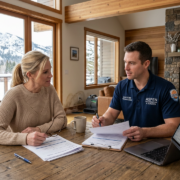
- Who communicates with the adjuster, and how often will we receive updates?
- Are repairs performed in-house, coordinated with another contractor, or quoted separately?
- What charges may change if concealed damage is found?
Clear answers are more valuable than vague promises. A reputable provider should be comfortable explaining its equipment, anticipated timeline, and the difference between emergency mitigation and final repair.
Match the Scope to the Water Type
Clean water from a broken supply line can require a different approach than stormwater, a toilet overflow, or sewage. When water may contain contaminants, professional containment, removal, and disinfection are especially important. Do not treat sewage exposure as an ordinary wet-floor cleanup. Review professional sewage backup cleanup options before deciding who will handle affected materials.
FEMA notes that just one inch of floodwater can cause roughly $25,000 in damage, a reminder that water depth is only one part of the cost. Water can travel into concealed areas long before it looks serious on the surface. FEMA flood damage information explains why prompt documentation and mitigation are important.
Local Factors Matter Across the Roaring Fork Valley
Aspen properties face conditions that can change the restoration plan, including freezing temperatures, seasonal runoff, vacation-home vacancy, multi-level layouts, and premium wood or stone finishes. The same is true for homes and managed properties in Snowmass Village, Basalt, Carbondale, and Glenwood Springs.
A local team should understand that access, property management approvals, and absentee ownership may affect the first day of a loss. For example, a condominium manager may need photos and a clear scope for the association, while a second-home owner may need remote updates before authorizing demolition or repairs.
Helpers Restoration is one local option for property owners who need water mitigation, structural drying, insurance documentation, and coordination across the valley. Their water damage services in Basalt can also be useful for owners comparing response coverage beyond Aspen.
Do Not Choose on Price Alone
The lowest initial estimate may exclude monitoring, content handling, testing for concealed moisture, or reconstruction coordination. On the other hand, the most expensive estimate is not automatically the most thorough. Ask every company to separate emergency services, drying equipment, monitoring, demolition, cleaning, and repairs so you can compare like for like.
For insurance-related work, request itemized documentation and ask which items are subject to approval. Good records help you understand what was done, why it was necessary, and what work remains after the emergency phase.
What to Do While You Compare Providers
Your first job is protecting people and preventing further damage. If the water source can be shut off safely, do so. Avoid standing water near electrical outlets, appliances, or a compromised ceiling, and never enter an area with suspected sewage contamination.
Then take wide and close-up photos, move dry valuables away from the affected area if it is safe, and keep receipts for emergency expenses. Do not discard damaged materials until your insurer or restoration professional has documented them, unless they present a safety concern.
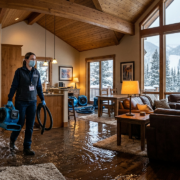
For a major water loss, begin calling qualified providers while you notify your insurer. An emergency water cleanup team should be able to start with containment and extraction while the claim process develops. If moisture remains after the loss, review mold damage services rather than waiting for odors or visible growth to become the first warning sign.
Common Questions About Aspen Water Restoration Company Alternatives
Is a plumber enough after a burst pipe?
A plumber is essential for repairing the failed pipe, but a plumber may not handle extraction, moisture testing, drying, or documentation for the affected structure. If water entered walls, flooring, cabinets, or insulation, restoration work may still be needed after the repair.
Can I wait until the next day to choose a restoration company?
You can take time to compare providers if the loss is small, clean, contained, and already dry. For standing water, wet porous materials, or a leak that affected multiple rooms, prompt mitigation is safer because the EPA recommends drying water-damaged areas within 24 to 48 hours.
Will homeowners insurance cover water damage cleanup?
Coverage depends on the cause of loss and the language in your policy. Sudden and accidental pipe breaks may be handled differently from gradual leaks, maintenance issues, surface-water flooding, or sewer backup. Notify your insurer early and keep all photos, invoices, and written findings.
Should I use a national franchise or a local company?
Either can be a good fit when the provider has the right equipment, available technicians, clear documentation, and proven communication. Compare the actual team responding to your property, their local coverage, who manages your file, and how the company handles follow-up after the emergency work.
How do I know that my home is dry enough for repairs?
Ask for moisture readings and a clear explanation of the drying goal for each affected material. Dry-looking surfaces are not the same as documented dry conditions behind baseboards, under flooring, or inside wall cavities.
Do I need to leave my home during water restoration?
Not always. Many clean-water losses can be managed while occupants remain in unaffected areas. Temporary relocation may be appropriate when there is sewage, extensive demolition, electrical risk, limited access to bathrooms or kitchens, or significant mold concerns.
Get a Clear Plan for Emergency Water Cleanup
If you need a local team to assess a loss, Helpers Restoration provides 24/7 support for Aspen and the Roaring Fork Valley. Call (970) 927-3600 for emergency cleanup, or use the Helpers Restoration contact page to request help. You can also review their water damage restoration services and water damage FAQ before authorizing work.
Summary: Choose the Team That Can Prove the Work
The right choice is not necessarily the first name you find or the lowest estimate you receive. Select a provider based on the actual scope of the loss, documented drying, safe handling of contaminated water, transparent pricing, and consistent communication.
For Aspen homeowners and property managers, that approach helps protect the building, simplify insurance conversations, and reduce the chance that hidden moisture becomes a larger repair later. A careful decision in the first day can make the entire recovery process more manageable.