Signs of Hidden Water Damage Mold: What To Watch For
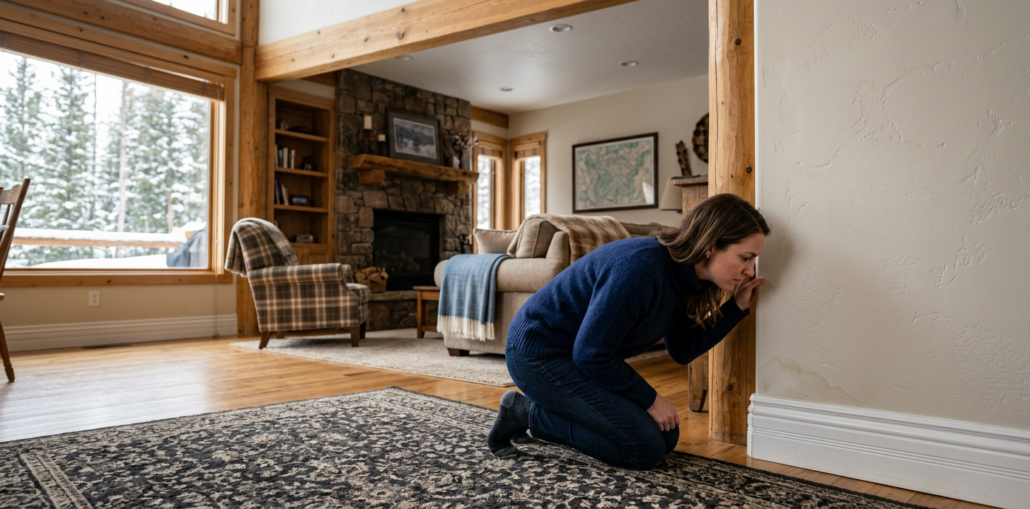
If your home smells a little off or you keep spotting the same small stain after cleaning, don’t ignore it. Those early clues often point to a bigger problem hiding behind walls, under flooring, or inside ceilings.
That’s especially true in mountain homes where snowmelt, frozen pipes, roof leaks, and fast-changing temperatures can create moisture problems that linger long after the surface looks dry. The signs of hidden water damage mold are easy to miss at first, but catching them early can save you from expensive repairs and bigger health concerns.
Why Hidden Mold Is So Easy To Miss
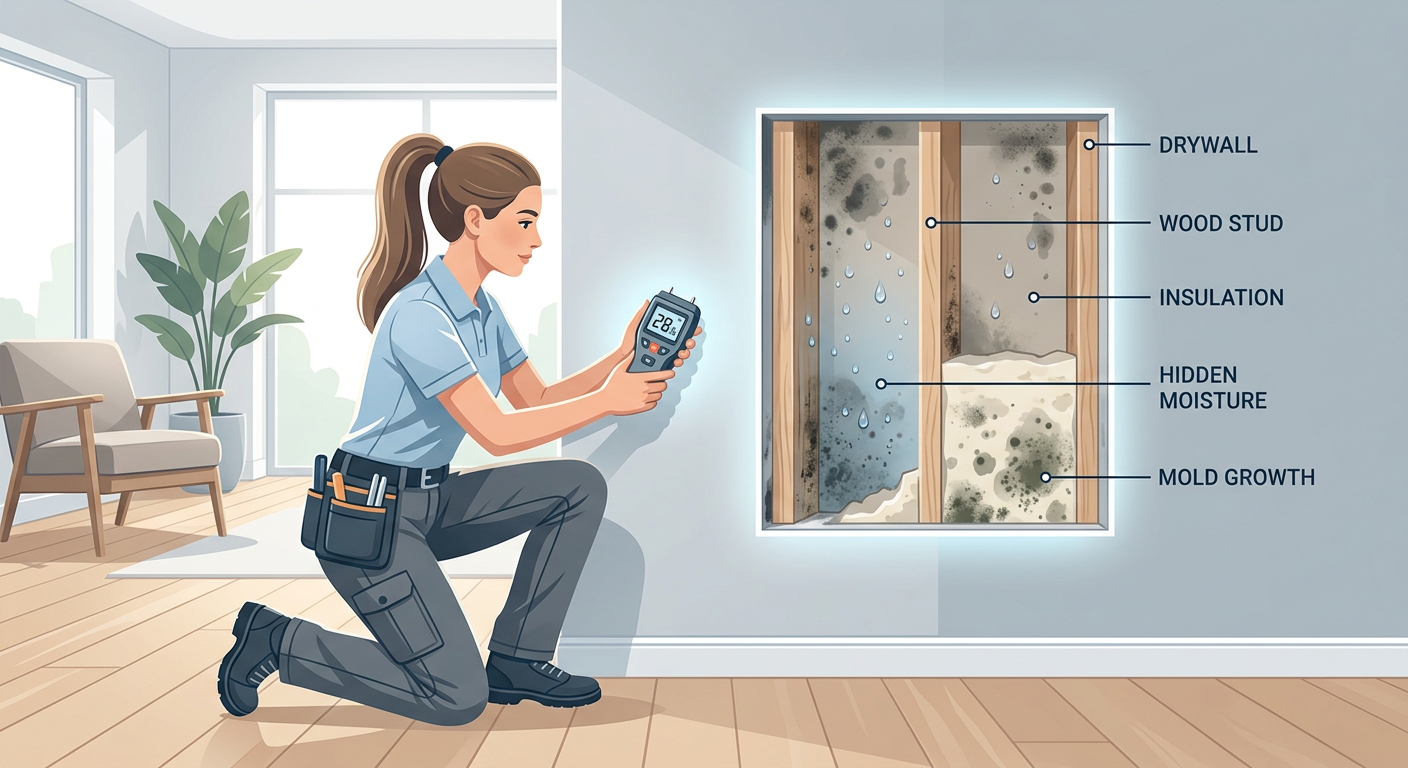
Hidden mold often grows in places you do not see every day. It can develop behind drywall, inside cabinets, under carpets, around windows, or in crawl spaces after a leak or flood.
In places like Aspen and the Roaring Fork Valley, a small water intrusion can turn into a long-term issue if the building materials stay damp. Mold does not need much moisture to spread, so even a minor leak can become a serious restoration problem.
Common Signs Of Hidden Water Damage Mold
A persistent musty smell
One of the biggest warning signs is a musty, earthy odor that does not go away. If you notice the smell gets stronger in a certain room, closet, or hallway, there may be moisture trapped nearby.
Discoloration on walls or ceilings
Yellow, brown, or gray stains can point to leaks that have already traveled through building materials. Even if the spot looks small, the damage behind it can be much larger.
Peeling paint or bubbling drywall
When water gets into a wall, paint and drywall often lose their shape. Bubbling, cracking, or peeling can mean the material is still holding moisture.
Warped floors or soft spots
Wood floors that buckle, laminate that lifts, or areas that feel soft underfoot may indicate water damage below the surface. Mold can grow in those damp spaces if the issue is not corrected quickly.
Allergy-like symptoms that improve away from home
If people in the home are dealing with headaches, sneezing, congestion, or throat irritation that seems better when they leave, indoor mold exposure could be part of the problem. That does not prove mold is present, but it is worth investigating.
Where Hidden Mold Usually Develops
Hidden mold often appears in:
- Behind bathrooms and kitchen walls
- Around windows and skylights
- Under sinks and dishwashers
- Inside attics after roof leaks
- In basements and crawl spaces
- Beneath carpet padding and flooring
The tricky part is that the visible damage may show up far from the original leak. Water moves along framing, insulation, and subfloors, so the source is not always obvious.
What To Do If You Suspect A Problem
Start by looking for the source of moisture. Check plumbing, roofs, windows, appliances, and any area that recently had a leak, flood, or condensation issue.
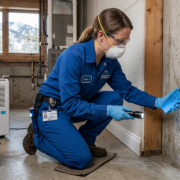
Then move fast. Drying the area quickly matters, because lingering moisture gives mold the conditions it needs to spread. If you suspect a larger problem, professional inspection and moisture mapping can help identify where the water actually went.
For homeowners and property managers, a trusted restoration team can also help with related issues such as water damage cleanup, water damage Aspen, and mold damage when the problem has already progressed.
Why Professional Help Matters
DIY cleanup is fine for very minor spills, but hidden mold is different. If water got into walls, subfloors, or insulation, you may need controlled drying, removal of damaged materials, and professional remediation to fully resolve it.
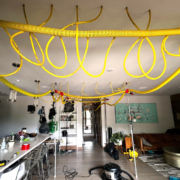
Helpers Restoration provides emergency response, drying and dehumidification, water damage repair, mold remediation, and insurance claim assistance for homes and businesses across Aspen, Basalt, Carbondale, Snowmass Village, Glenwood Springs, and the Roaring Fork Valley. If the damage involves sewage or contaminated water, services like sewage backup cleanup may also be necessary.
How To Protect Your Property Long-Term
- Fix leaks as soon as you find them
- Run dehumidifiers in damp areas
- Keep gutters and downspouts clear
- Insulate pipes in cold weather
- Watch for recurring stains or smells
- Schedule professional drying after any major water event
Prevention is always cheaper than restoration. A quick response today can help protect your home, your health, and your insurance claim tomorrow.
FAQ
How can you tell if mold is behind a wall?
A musty smell, recurring stains, peeling paint, or unexplained dampness are common clues. A moisture meter or professional inspection can confirm whether hidden moisture is present.
Does hidden mold always mean there was a leak?
Usually, yes. Mold needs moisture to grow, so there is often a leak, condensation problem, or flood history behind it.
Can hidden mold make you sick?
It can contribute to allergy-like symptoms in some people, including congestion, coughing, headaches, or throat irritation. If symptoms improve when you leave the building, it is worth checking the property.
How fast can mold grow after water damage?
Mold can begin growing quickly if materials stay damp. That is why drying the area immediately is so important after a leak or flood.
Should I paint over water stains?
No. Painting over stains does not solve the source of the moisture and can trap the problem underneath. The leak or damp area should be addressed first.
When should I call a restoration company?
Call as soon as you notice ongoing moisture, repeated staining, a strong musty smell, or visible mold growth. Fast action helps limit damage and reduce repair costs.
Get Help Before The Damage Spreads
If you suspect hidden water damage or mold, do not wait for the problem to get worse. Helpers Restoration is ready with 24/7 emergency response, professional drying, water damage repair, and mold remediation for Aspen and the surrounding communities. Call (970) 927-3600 or visit Helpers Restoration to get help now.
Summary
Hidden mold often starts with small warning signs, like odors, stains, bubbling paint, or warped flooring. If you act early and bring in a certified restoration team, you can stop the damage before it spreads and protect your property long term.