Water Damage Aspen: How to Handle a Burst Pipe Safely at Home
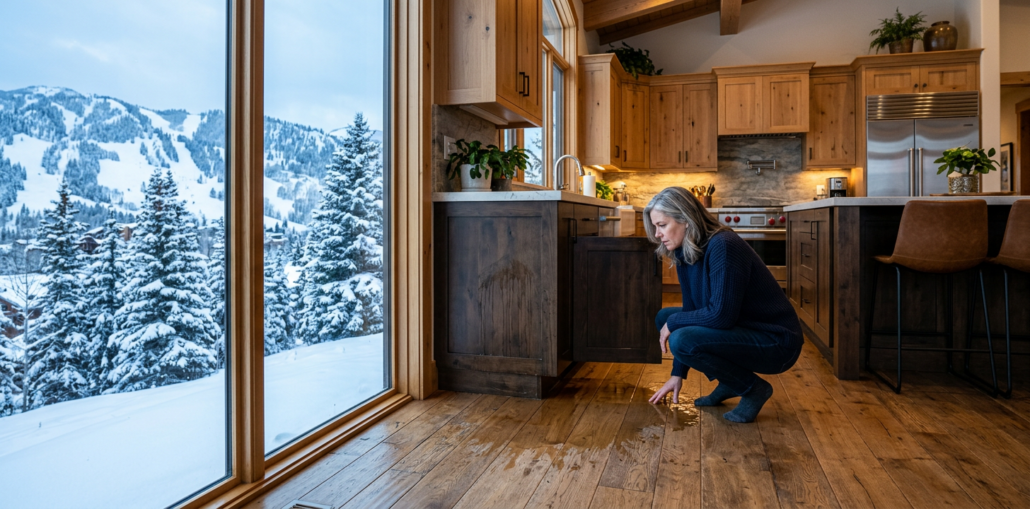
A burst pipe can turn a peaceful morning at home into a stressful property emergency in minutes. In Aspen, frozen plumbing lines, vacant second homes, and sudden temperature swings can allow water to spread behind walls, beneath floors, and into finished spaces before the problem is fully visible.
When water damage in Aspen follows a burst pipe, the best response is calm, safe, and organized. We recommend focusing first on personal safety and stopping the water, then documenting the loss and arranging thorough drying. Fast action matters because the U.S. Environmental Protection Agency advises drying water-damaged areas and belongings within 24 to 48 hours to help prevent mold growth. Read the guidance from the U.S. Environmental Protection Agency.
Water Damage Aspen: The First Steps After a Pipe Bursts
A pipe break is not the time to guess whether a small puddle is harmless. Water can travel farther than expected, especially through wall cavities, insulation, subfloors, and lower-level ceilings. Use this practical sequence to protect people, property, and your insurance documentation.
Make the Area Safe Before Cleanup
Do not enter standing water near outlets, electrical panels, appliances, or sagging ceilings. If you can reach the main water shutoff without walking through a hazardous area, turn it off. If there is any doubt about electrical safety, stay out of the affected space and contact qualified help.
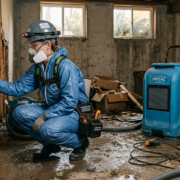
If the water came from a toilet overflow, sewer line, or another potentially contaminated source, do not use household fans or begin hands-on cleanup. Contaminated water requires a different approach and protective measures. Our sewage backup cleanup service can help determine the appropriate next steps.
Stop the Water Source
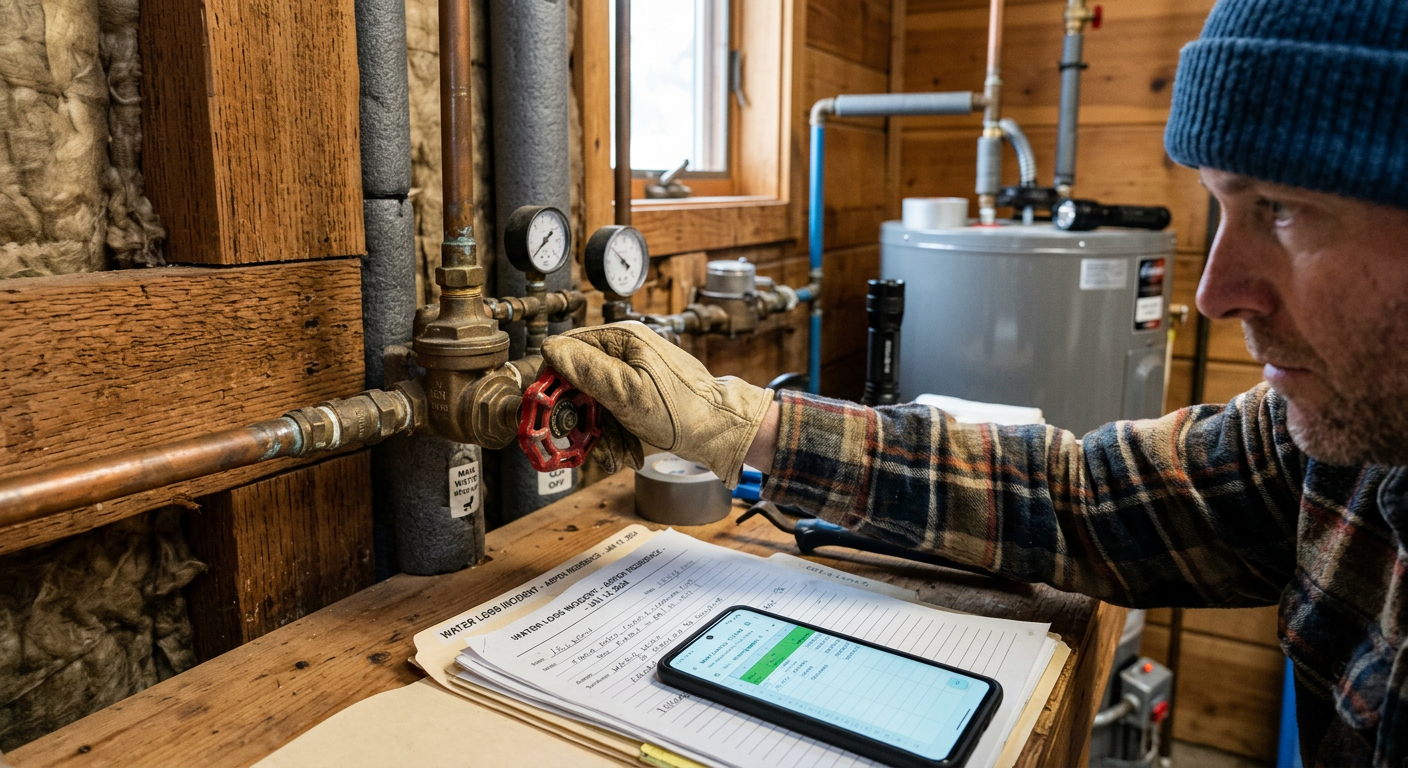
After closing the main shutoff valve, open a cold-water faucet elsewhere in the home to help relieve pressure in the plumbing system. If the pipe is accessible and you know exactly where the break is, a plumber can repair the failed line. Restoration and plumbing are different parts of recovery, but both should happen in a coordinated way.
Do not restore the water supply until the repair is complete and the affected area has been assessed. A partial repair that allows another leak can undo drying progress and create a more complicated loss.
Protect Belongings and Record What Happened
Move dry, portable belongings away from wet flooring if it is safe to do so. Place furniture legs on blocks or foil only after the water source has stopped, and avoid dragging heavy furniture across wet carpet or wood floors.
Take clear photos and short videos of the burst pipe, standing water, wet materials, damaged belongings, and the water path through the home. Note the date, the time you found the issue, and any steps taken to stop further damage. This record can be useful when speaking with your insurer.
Why Surface Drying Is Not Enough
It is tempting to mop up visible water, run a few fans, and assume the emergency is over. Here is the concern: materials may feel dry on the surface while moisture remains trapped behind baseboards, beneath laminate or hardwood, inside insulation, and under carpet padding.
Proper recovery requires locating hidden moisture, extracting water, and setting up controlled drying and dehumidification. This is especially important in properties that were unoccupied when the pipe burst, where water may have had more time to migrate.
Watch for These Signs of Hidden Moisture
A detailed inspection is a smart next step if you notice any of the following:
- Flooring that cups, buckles, feels soft, or separates at seams
- Baseboards that swell, pull away, or discolor
- Damp drywall, bubbling paint, or ceiling stains below bathrooms and kitchens
- A persistent musty odor after visible water has been removed
- Condensation on windows or unusually humid indoor air
- Water appearing in a lower level after a leak upstairs
These symptoms do not always mean major demolition is necessary. They do mean the home should be evaluated before repairs or repainting begin. Covering moisture with paint or new flooring can lock in a problem rather than resolve it.
Use Household Equipment Carefully
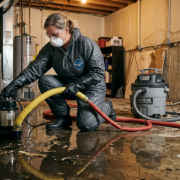
A wet vacuum can be useful for a small amount of clean water on a hard surface. Dehumidifiers and fans can also support drying after electrical safety has been confirmed and after you know the water is clean.
However, household equipment may not have the capacity to dry saturated structural materials. We do not recommend using a standard vacuum, applying high heat to wet wood floors, or placing fans in a contaminated-water area. Those actions can damage materials or spread contaminants.
A Practical Recovery Plan for Aspen Properties
Every burst pipe loss is different, but a thoughtful recovery plan keeps the process clear for homeowners and property managers. We recommend separating the work into four goals: stabilize, document, dry, and repair.
Stabilize the Property
The priority is preventing more water from entering the building and preventing unsafe access. This may include stopping the plumbing leak, addressing electrical risks, protecting furniture, and securing an area beneath a weakened ceiling.
For vacation homes and rental properties, notify the owner, property manager, or tenant promptly. A clear communication chain helps ensure that decisions about access, insurance, and repairs are not delayed.
Document the Loss for Insurance
Contact your insurance carrier after stopping the active leak and taking photos. Keep damaged items until your insurer advises otherwise, unless they create a health or safety concern. Save receipts for reasonable emergency actions, including temporary lodging if the home cannot be occupied.
Coverage depends on the individual policy, the cause of the pipe failure, maintenance history, and exclusions. Sudden accidental pipe breaks are commonly handled differently than gradual leaks or preventable maintenance issues, so it is wise to ask your adjuster about the specific details of your policy.
Dry and Monitor the Structure
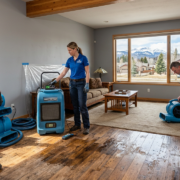
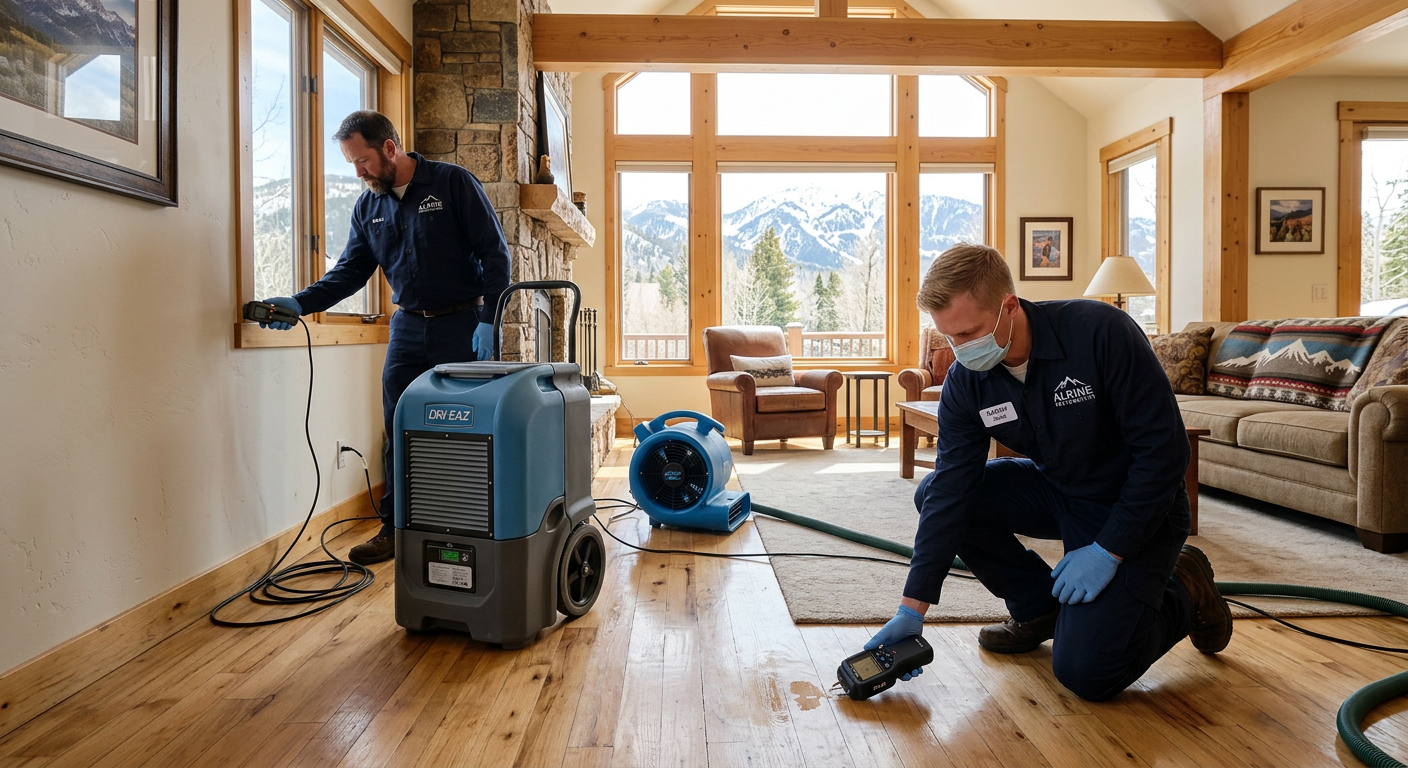
Professional drying is more than placing fans in a room. It includes moisture checks, water extraction, air movement, dehumidification, and repeat monitoring until affected materials meet appropriate drying goals. This process helps reduce the chance of lingering odors, material damage, and mold concerns.
For comprehensive help, our water damage restoration services cover emergency extraction, drying, damage assessment, and recovery planning across the Roaring Fork Valley. We also provide local guidance through our Aspen water damage service page.
Repair Only After Drying Is Verified
Replacing drywall, flooring, cabinets, or insulation too early can trap moisture inside the structure. Confirm the area has been properly dried before reconstruction begins. This step protects the quality of repairs and helps avoid reopening finished surfaces later.
When Professional Help Is the Safer Choice
Small, clean-water spills on a hard surface may be manageable with quick cleanup. A burst pipe often calls for more help because the water can be pressurized, widespread, or hidden. Professional assessment is especially important when water affects ceilings, hardwood floors, carpeting, drywall, insulation, HVAC components, electrical areas, or multiple rooms.
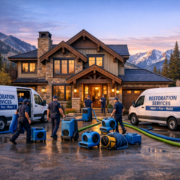
At Helpers Restoration, we serve Aspen homeowners and property managers with an organized approach to water cleanup, moisture detection, structural drying, and insurance documentation. We also support properties in Basalt, Carbondale, Snowmass Village, Glenwood Springs, and throughout the Roaring Fork Valley.
Reduce the Risk of Another Frozen Pipe
A burst pipe is disruptive, but it can also reveal practical prevention opportunities. Once repairs are complete, build a freeze-prevention routine around the home or managed property.
Keep Vulnerable Areas Warm
Maintain a consistent indoor temperature during winter, including when the home is vacant. Open cabinet doors beneath sinks on exterior walls during severe cold periods so warmer indoor air can circulate around plumbing.
Insulate exposed pipes in crawl spaces, garages, utility rooms, and exterior walls where appropriate. Seal gaps that allow cold air to reach plumbing, but do not block required ventilation or create combustion-safety issues around mechanical equipment.
Create a Plan for Second Homes and Rentals
Aspen-area properties that sit empty for extended periods need an extra layer of oversight. Ask a trusted local person or property manager to check the home, monitor indoor temperatures, and inspect plumbing areas during cold weather.
Consider leak detection devices with automatic shutoff capabilities, particularly for homes that are vacant part of the year. Before leaving for an extended period, review whether your plumbing professional recommends shutting off the water and draining the lines.
Frequently Asked Questions
What should we do first when a pipe bursts in Aspen?
Prioritize safety, avoid electrical hazards, and shut off the main water supply if it is safe to do so. Then document the damage, contact your insurance carrier, and arrange water extraction and drying if water reached finished materials or hidden areas.
Can we stay in the house after a burst pipe?
It depends on the extent and location of the damage. If water is near electrical systems, ceilings are sagging, contaminated water is present, or essential rooms are unusable, it may be safer to leave until the area is evaluated.
Will a burst pipe cause mold?
Not every pipe break leads to mold, but prolonged moisture increases the risk. The EPA recommends drying water-damaged areas and items within 24 to 48 hours, which is why prompt extraction and controlled drying are important.
Should we call a plumber or a restoration company?
In many cases, both are needed. A plumber repairs the pipe and restores the plumbing system. A restoration team evaluates the water impact, removes moisture, dries structural materials, and helps prevent secondary damage.
Does homeowners insurance cover burst pipe water damage?
Many policies may cover sudden and accidental water damage from a burst pipe, but policy language and circumstances matter. Contact your carrier promptly, review your deductible and exclusions, and maintain photos, videos, receipts, and repair records.
How do we know whether flooring or drywall needs to be removed?
That decision should follow a moisture inspection and drying assessment. Some materials can be dried successfully, while others may need removal if they are swollen, delaminated, contaminated, or unable to dry thoroughly.
Where can we find more answers about water cleanup?
Our water damage FAQ page addresses common concerns about cleanup, drying, mold prevention, response timing, and insurance-related questions for Aspen-area property owners.
Get Experienced Help for a Burst Pipe
When a pipe breaks, you do not have to manage water removal, drying decisions, and insurance documentation alone. Call Helpers Restoration at (970) 927-3600 for 24/7 emergency cleanup in Aspen, or contact our team online to request assistance for your home or managed property.
We serve Aspen, Basalt, Carbondale, Snowmass Village, Glenwood Springs, and the wider Roaring Fork Valley with clear communication and compassionate support throughout the recovery process.
Summary
A burst pipe requires more than removing a puddle. We recommend making the area safe, shutting off the water, documenting the damage, drying the structure thoroughly, and delaying cosmetic repairs until moisture levels are verified.
For water damage Aspen property owners face after frozen or broken pipes, a fast and organized response can protect finishes, belongings, and the long-term condition of the home.
A Calm Response Protects Your Home
Burst pipes are stressful, but the right steps can keep a plumbing failure from becoming a larger restoration problem. Focus on safety first, stop the source, document what happened, and make sure hidden moisture is addressed before repair work begins.
Whether you are caring for a full-time residence, a rental, or a seasonal mountain home, a clear plan makes recovery more manageable and helps protect the property for the future.