Water Damage Aspen Colorado: A Homeowner’s Restoration Checklist
Water Damage Aspen Colorado: A Homeowner's Restoration Checklist
A quiet drip behind a wall, a failed water heater, or a frozen pipe can change the feel of a home in minutes. In Aspen, where seasonal weather and vacant-property periods can add complexity, the best outcome usually starts with a calm plan and quick, safe action.
When water damage Aspen Colorado homeowners face is addressed thoroughly, it is often possible to protect structural materials, preserve belongings, and reduce avoidable repair work. The goal is not simply to remove visible water. It is to stop the source, identify hidden moisture, dry the property properly, and document the loss for the insurance process.
The U.S. Environmental Protection Agency advises drying water-damaged areas and items within 24 to 48 hours to help prevent mold growth. That window is why a professional inspection and controlled drying plan can matter even after floors and walls appear dry on the surface. Read the EPA moisture and mold guidance.
Water Damage Aspen Colorado: What to Do First
Safety comes before cleanup. If the water source is still active, shut it off only if you can do so safely. Avoid entering rooms with standing water near electrical outlets, appliances, or a compromised ceiling. If there is any question about electrical safety, wait for qualified help.
Then take these practical steps:
- Move dry valuables, documents, electronics, and furniture away from the affected area when it is safe.
- Take clear photos and short videos before moving damaged materials, especially for an insurance claim.
- Avoid using household fans on contaminated water from a sewer backup, overflowing toilet, or outdoor flooding.
- Do not assume the area is dry because carpet, drywall, or wood feels dry at the surface.
- Contact your insurer to report the loss and ask what documentation they need.
For widespread flooding, a burst pipe, or water that has entered walls and flooring, professional water damage restoration services provide a structured path from extraction through repairs.
Why Visible Water Is Only Part of the Problem
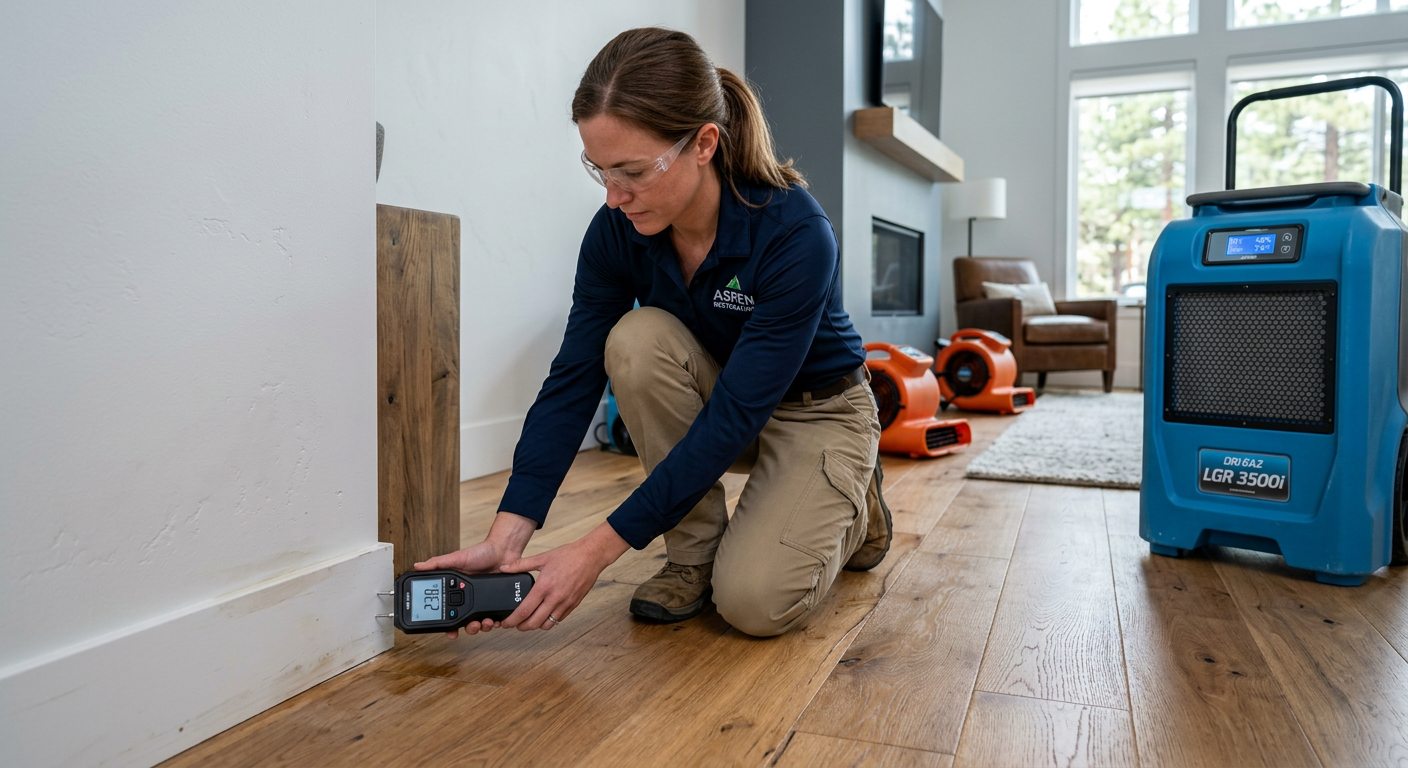
Water follows gravity, but it also travels sideways through flooring, insulation, wall cavities, and cabinetry. A small supply-line leak may leave a limited stain while moisture continues beneath baseboards or behind drywall. That is why a complete assessment looks beyond the puddle.
Common Causes in Aspen Homes and Properties
Mountain properties can experience water issues in several ways, including:
- Frozen or burst pipes during cold weather
- Snowmelt entering through roofs, windows, or foundations
- Water heater, washing machine, dishwasher, or refrigerator line failures
- Ice dams and roof leaks
- Overflowing sinks, tubs, and toilets
- Drain and sewage backups
- Fire-suppression water after a fire event
Second homes, rentals, and commercial properties may face an added challenge: a leak can go unnoticed while the building is unoccupied. Property managers should keep a seasonal inspection routine and know where the primary water shutoff is located.
Clean Water, Gray Water, and Contaminated Water
Not every water loss should be handled the same way. Water from a clean supply line is different from water that has passed through appliances, drains, or sewage systems. If water is discolored, smells unpleasant, came from outside, or involved a toilet or drain backup, keep people and pets away from the area.
Contaminated losses require specialized cleaning, disinfection, and disposal practices. For these situations, use a qualified sewage backup cleanup team rather than attempting a standard household cleanup.
What Professional Drying and Restoration Should Include
A trustworthy restoration plan is methodical. We start by locating the source and mapping the impact, then we create a drying approach based on the materials, water category, and affected spaces.
Inspection and Moisture Mapping
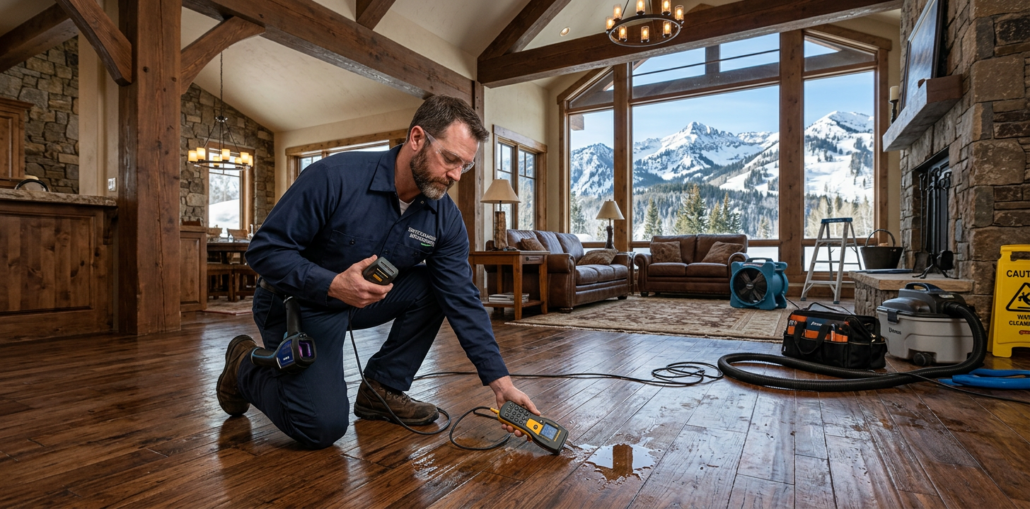
Technicians inspect floors, walls, ceilings, cabinets, and adjoining rooms for moisture migration. Moisture meters and thermal tools can help identify damp materials that are not obvious to the eye. This step helps avoid leaving wet insulation, subflooring, or framing behind a newly painted wall.
Water Extraction and Content Protection
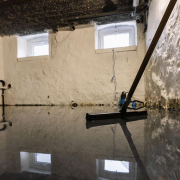
The next priority is removing standing water and protecting restorable contents. Depending on the loss, that may include extracting carpet and padding, moving furniture, protecting wood floors, and separating wet items for cleaning or drying.
Controlled Drying and Monitoring
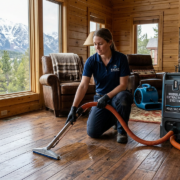
Drying is more than placing a few fans in a room. Air movement, dehumidification, temperature, and moisture readings need to work together. Materials are monitored until they reach appropriate dry goals, helping reduce the risk of swelling, warping, odors, and future mold concerns.
For local support, our Aspen water damage cleanup services are designed for homes, condos, businesses, and property-managed buildings throughout the area.
Cleaning, Repairs, and Documentation
After drying, the work may include cleaning and deodorizing surfaces, removing unsalvageable materials, and completing repairs such as drywall replacement, flooring work, or reconstruction. Clear photos, readings, estimates, and communication can also make it easier to keep an insurance claim moving.
When DIY Cleanup Makes Sense, and When It Does Not
A small, clean-water spill caught quickly on a hard, nonporous surface may be manageable with towels and prompt drying. Even then, watch the area for swelling, staining, musty odors, or recurring moisture.
Professional help is the better choice when water has affected drywall, carpet padding, hardwood flooring, insulation, electrical systems, multiple rooms, or contents. It is also important after a sewage backup, stormwater intrusion, or a leak of unknown duration. Those situations can involve hidden damage or contamination that ordinary household equipment cannot address safely.
If lingering dampness or a musty odor appears after cleanup, it is worth arranging a mold inspection and recovery assessment. Addressing the moisture source remains the most important part of preventing repeated mold growth.
Protecting Aspen Properties Before the Next Leak
A few maintenance habits can reduce the chance that a small issue becomes a major loss. This is especially useful for vacation homes and properties that may sit vacant between visits.
Build a Simple Prevention Routine
- Insulate vulnerable plumbing and know where the main shutoff valve is located.
- Inspect appliance hoses and connections at least once a year.
- Keep gutters, downspouts, and roof drainage clear before snowmelt season.
- Check under sinks, around water heaters, and near windows for staining or dampness.
- Use leak sensors in utility rooms, kitchens, bathrooms, and mechanical spaces.
- Ask a neighbor, caretaker, or property manager to check vacant homes during extended cold periods.
The most useful prevention step is early detection. A small leak found quickly is generally easier to dry, document, and repair than a hidden leak discovered after it has affected multiple materials.
Get Local Help for a Water Emergency
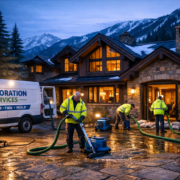
When your property needs more than towels and a shop vacuum, we are ready to help. Helpers Restoration provides 24/7 emergency cleanup, extraction, drying, and restoration support across Aspen, Snowmass Village, Basalt, Carbondale, Glenwood Springs, and the Roaring Fork Valley.
Call (970) 927-3600 for fast assistance, or contact Helpers Restoration to request help and discuss your property’s needs. You can also review our water damage FAQs for answers about cleanup, insurance, drying, and restoration.
Frequently Asked Questions
What should we do after a burst pipe in Aspen?
Shut off the water source if it is safe, avoid electrical hazards, move valuables out of harm’s way, and document the damage with photos. Then arrange water extraction and professional drying, particularly if flooring, drywall, cabinets, or insulation are wet.
How long does water damage restoration take?
The timeline depends on the source, amount of water, affected materials, and whether repairs are needed. Extraction may begin quickly, while structural drying often requires several days of monitoring. Reconstruction can add time if materials need replacement.
Will homeowners insurance cover water damage?
Many policies may cover sudden and accidental events, such as a burst pipe or appliance supply-line failure, but coverage depends on the policy language, cause of loss, maintenance history, and deductible. Report the loss promptly and keep photos, receipts, and restoration records.
Can water damage lead to mold in Aspen homes?
Yes. Mold needs moisture to grow, which is why thorough drying matters after any significant leak or flood. The EPA recommends drying water-damaged materials within 24 to 48 hours when possible to reduce the risk of mold growth.
Can we stay in the home during water cleanup?
It depends on the location and severity of the damage. Occupancy may be possible for a contained clean-water loss, but it may not be appropriate when there is contaminated water, damaged electrical systems, extensive demolition, or affected living areas. A restoration professional can advise based on the conditions.
Do you serve areas outside Aspen?
Yes. Helpers Restoration serves homeowners and property managers throughout the Roaring Fork Valley, including Basalt, Carbondale, Snowmass Village, and Glenwood Springs. Local conditions, property types, and the water source all shape the recommended restoration plan.
Summary
A successful response starts with safety, stopping the source, and documenting the loss. From there, thorough extraction, moisture detection, controlled drying, and appropriate repairs help protect the property from secondary damage.
For Aspen homes and managed properties, the right response should account for hidden moisture, cold-weather plumbing risks, seasonal occupancy, and insurance documentation. Fast action is valuable, but complete drying is what helps bring the property back to a stable condition.
A Clear Path Back to Normal
Water loss is disruptive, but it does not have to leave you guessing about what comes next. Focus on safety, preserve evidence for your claim, and make sure the drying process addresses the materials you cannot see as well as the water you can.
With a careful restoration plan, homeowners and property managers can move from an unexpected leak or flood toward a clean, dry, well-documented recovery.