water damage Aspen: Cost of Restoration in Snowmass Village
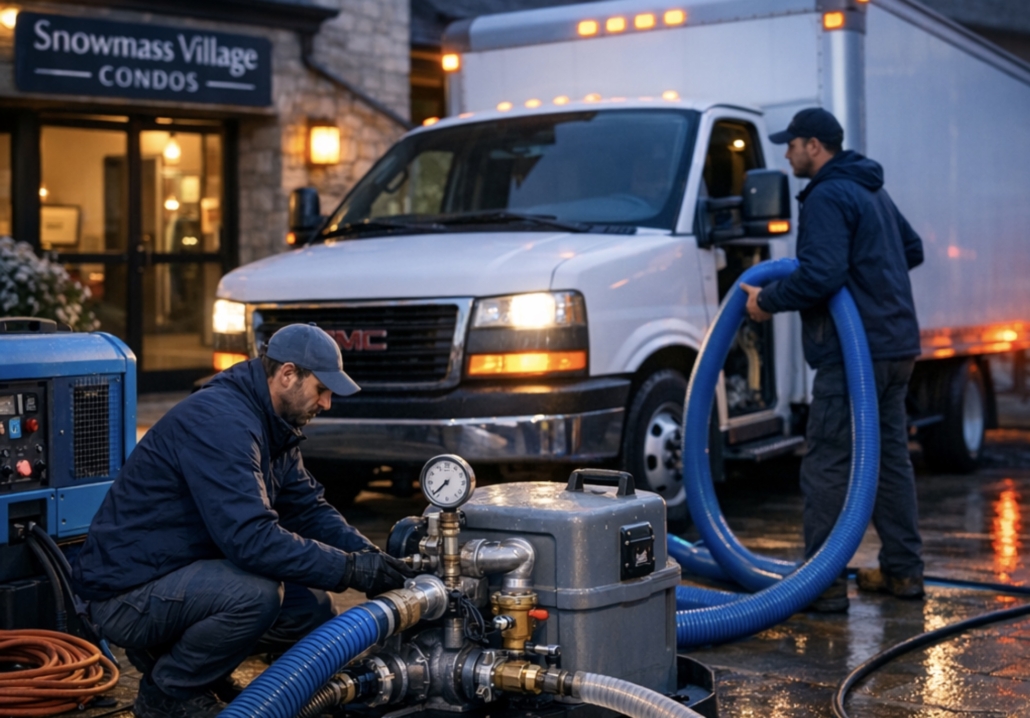
Water damage is stressful, and when it happens in Snowmass Village you want clear answers fast. Whether a burst pipe in a condo, a roof leak after heavy snowmelt, or a basement flood from storm runoff, estimating costs is the first step to getting safe repairs started. In this article you will learn the typical cost ranges, what drives the price, how insurance usually responds, and practical ways to lower bills without cutting corners.
Opening with a hard truth: quick action matters. If you need help now, water damage Aspen specialists like Helpers Restoration respond 24/7 to limit damage and save money over the long run.
How restoration costs are calculated
Restoration companies price jobs based on scope, materials affected, water type, access difficulty, and time on site. Key cost drivers include:
- Water category, from clean water to contaminated sewage, which affects safety protocols and disposal costs.
- Square footage of affected areas, and whether carpet, hardwood, drywall, or insulation need removal.
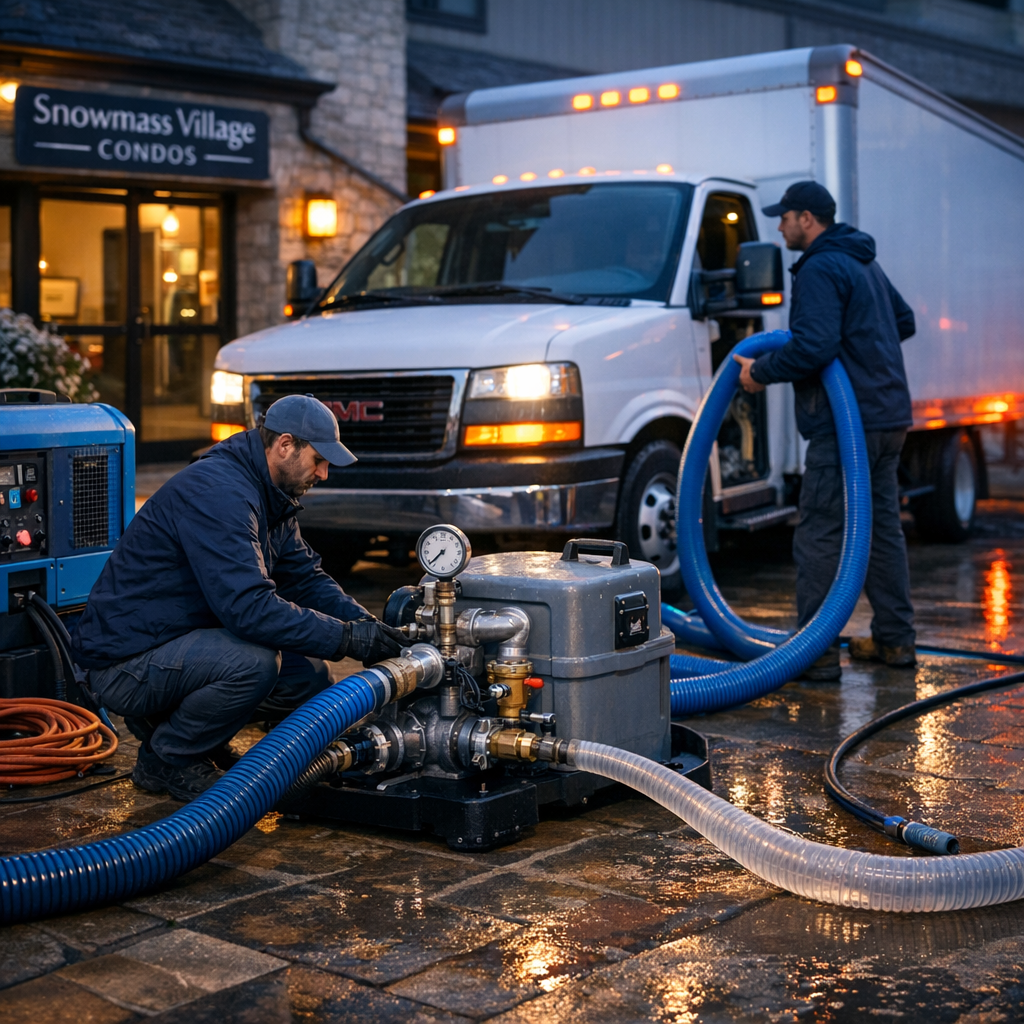
- Extent of structural or content drying required and the number of drying machines, fans, and dehumidifiers needed.
- Mold remediation needs if water sat long enough for microbial growth.
- Labor hours, emergency overtime, and travel for teams coming to Snowmass Village.
- Necessary repairs, like drywall replacement, floor refinishing, or electrical work.
Typical cost ranges for Snowmass Village properties
Every job is unique, but these local ballpark figures help you budget and compare bids:
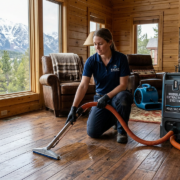
- Emergency water extraction and basic drying for small areas (under 250 sq ft): $300 to $1,200.
- Moderate damage requiring removal of flooring, baseboards, and partial drywall (250–1,000 sq ft): $2,000 to $8,000.
- Major structural drying, full floor replacements, and mold prevention (1,000+ sq ft): $8,000 to $25,000 or more.
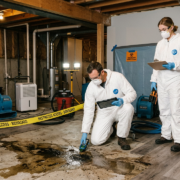
- Sewage backup or hazardous contamination cleanup: add $1,000 to $5,000 due to containment and disposal.
- Complete rebuilds after catastrophic flooding, including electrical and drywall replacement: $25,000 to $100,000 depending on finishes.
These ranges reflect mountain-community realities, where travel time, winter weather, and specialty crews can increase labor and logistics costs compared to front-range markets.
Insurance, claims, and what you should expect
Most homeowners’ policies cover sudden, accidental water events like burst pipes, but they may exclude long-term leaks or flood damage from overflowing rivers. Flood insurance through the NFIP or private carriers is a separate policy.
Here are steps to improve your claim outcome:
- Call your insurer immediately and tell them you’re starting mitigation. Document damage with photos and notes.
- Keep receipts for emergency services and temporary repairs, like roof tarps or hotel stays.
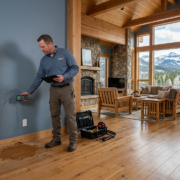
- Choose a reputable local restoration company that documents moisture readings and provides a written scope, this helps claims adjusters approve work faster.
- Helpers Restoration works with insurers and provides detailed drying logs to support claims and speed payments.
Ways to lower restoration costs without risking safety
- Act fast. Early extraction and drying usually prevent mold and structural damage, saving thousands.
- Remove salvageable belongings yourself after documenting them, but don’t disturb unsafe areas.
- Ask for a written drying plan and daily updates, so you pay only for necessary equipment and time on site.
- Compare two written estimates, but value certifications, reviews, and local experience over the cheapest bid.
- Consider staged repairs: do emergency mitigation now, and nonessential cosmetic repairs later when budgets permit.
Timeline: how long will restoration take?
- Emergency extraction: same day to 24 hours.
- Drying and monitoring: 3 to 7 days for small to moderate jobs, up to 2 weeks for larger jobs.
- Repairs and rebuild: a few days for minor fixes, several weeks for full remodels.
Weather, permit requirements, and insurance approval can extend timelines in Snowmass Village.
Special considerations for Snowmass Village and the Roaring Fork Valley
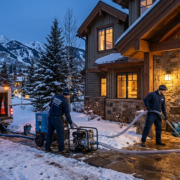
- Winter conditions increase the risk of frozen pipe bursts and make rapid access harder, raising labor and travel costs.
- Historic or high-end mountain homes may require matched materials and custom carpentry, increasing rebuild costs.
- If you manage rentals or condos in Basalt, Carbondale, or Glenwood Springs, budget for temporary relocation expenses and faster turnarounds to protect rental income.
Frequently asked questions
How much does immediate emergency extraction cost in Snowmass Village?
Immediate extraction often starts between $300 and $1,200 depending on volume and access. Time of day and weather can increase emergency call-out fees.
Will my homeowner’s insurance cover water damage from a burst pipe?
Most policies cover sudden pipe bursts if you acted promptly to mitigate damage. Long-term leaks and floodwater require different coverage. Always check your policy and call your agent.
Is mold remediation always necessary after water damage?
Not always. If drying begins within 24 to 48 hours, mold growth is often preventable. If mold is visible or pervasive odors persist, professional remediation is required.
How long will the drying process take?
Small jobs often dry in 72 hours, moderate jobs up to a week. Larger losses or cold outdoor temps can extend drying to two weeks or more.
Can I remove wet carpets and furniture myself?
You can remove small items if safe, but leave structural assessment, moisture mapping, and heavy extraction to pros to avoid hidden moisture or safety hazards.
What makes sewage cleanup more expensive?
Sewage involves contaminated water, which requires specialized PPE, containment, disposal, and often more demolition to reach contaminated layers.
How can property managers reduce restoration costs across multiple units?
Have an emergency plan, preferred vendor agreements, and clear tenant communication. Pre-negotiated service rates and faster mitigation reduce total losses.
Summary
Restoration costs in Snowmass Village vary widely, from a few hundred dollars for small extractions to tens of thousands for full rebuilds. Quick response, accurate documentation, and working with certified local pros like Helpers Restoration reduce total expense and speed recovery. Remember, early mitigation prevents mold and structural damage that drive the biggest costs.
Need help now? Fast, local support available
If you’re facing water damage in Snowmass Village, Aspen, Basalt, Carbondale, or the Roaring Fork Valley, call Helpers Restoration for 24/7 emergency cleanup. Call (970) 927-3600 or visit https://helpersrestoration.com/ to request immediate assistance and insurance-friendly documentation. Our local teams handle emergency water extraction, drying and dehumidification, mold remediation, and full repairs so you can get back to normal quickly.
Conclusion
Water damage can feel overwhelming, but the right steps now can save you time and money. Prioritize safety, document everything, start mitigation immediately, and choose a certified local team that understands Snowmass Village conditions. Helpers Restoration combines rapid response with insurance know-how and local experience to protect your home and your investment.